beginner care indoor plantstrailing plantstoxic plantsbeginner friendlybright foliage

Neon Pothos Care: How to Keep the Leaves Bright Yellow

By PlantSolve Editorial Team ·

Epipremnum aureum 'Neon'

The Neon Pothos offers an electric pop of color with zero fuss—provided you give it enough light. We explain how to stop this vibrant vine from reverting back to a boring dark green.

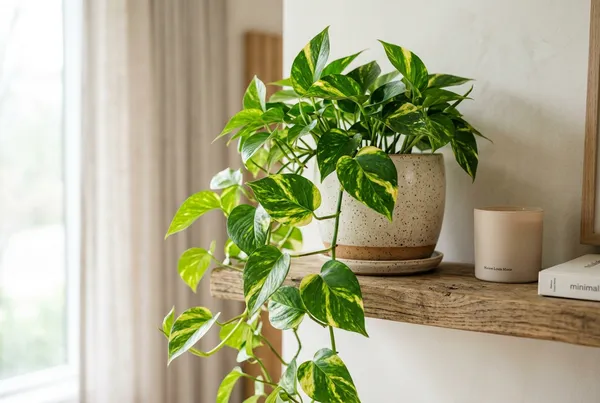
Close up of the glowing yellow-green leaves of Epipremnum aureum 'Neon'
  • Light

    Requires bright indirect light to maintain its shocking neon yellow color. If placed in low light, it will revert to a dark, solid green to survive.

  • Temperature

    65°F - 85°F (18°C - 29°C)

    Growth

    fast

    pH Range

    6.0 - 6.5

  • Biggest Owner Mistake

    Placing it in low light because all pothos are marketed as low-light survivors—but the electric chartreuse color is produced by specific pigments that only activate under good light. In dim conditions, new leaves emerge as a dull, dark green and the plant's defining characteristic disappears.

  • What Nobody Tells You

    Unlike most pothos, Neon can handle some gentle direct morning sun without burning—and that brief direct exposure actually intensifies the color to its most vivid. An east-facing window that gets morning sun is the ideal spot.

  • Real Home Conditions

    In low-light corners it survives but produces dark green leaves that look nothing like the plant you bought. Even moving it to a spot with bright ambient indirect light—not a dark room corner—makes the color difference immediately apparent in new growth.

Quick Answer

Neon Pothos requires bright, indirect light to keep its leaves neon yellow; in low light, it turns dark green. Let the top 2-3 inches of soil dry out completely between waterings.

Overview

The Neon Pothos (Epipremnum aureum 'Neon') is a show-stopping cultivar of the classic Pothos vine, famous for its electric, almost glowing chartreuse-yellow leaves. It offers the incredible, nearly indestructible hardiness of a standard Golden Pothos but provides a massive splash of modern color that brightens up any room. However, many growers are disappointed when their vibrant neon plant slowly turns into a standard, dark green vine. This guide will teach you the specific lighting requirements needed to "lock in" that neon color, while maintaining the famously easy care routine of the Pothos family.

As a cultivar of the species native to the tropical rainforests of French Polynesia, the Neon Pothos is naturally an understory climbing vine. It evolved to scramble up the trunks of massive trees, perfectly adapted to periods of heavy rain followed by drying out. This robust constitution makes it one of the most forgiving and beginner-friendly houseplants in existence, capable of surviving significant neglect.

Light: The Secret to the Color

Light is the single most important factor for a Neon Pothos, not for survival, but for aesthetics. The bright, chartreuse color is a form of variegation. To maintain this vivid hue, the plant requires bright, indirect light (such as an east-facing window or slightly pulled back from a south/west window). If you place a Neon Pothos in a low-light corner, it will survive perfectly fine. However, because it is receiving less light energy, it will physically adapt by producing more dark green chlorophyll to maximize photosynthesis. The result? Your glowing neon plant will revert to a solid, dark green. To keep it yellow, keep it bright. Avoid direct, harsh afternoon sun, which will bleach and burn the foliage.

Temperature

This tropical vine prefers standard household temperatures between 65°F and 85°F (18°C - 29°C). It is sensitive to cold drafts. Prolonged exposure to temperatures below 55°F (13°C) will stunt its growth and can cause the leaves to blacken and drop. Keep it away from freezing windows in the winter.

Humidity

The Neon Pothos is highly adaptable and perfectly content in standard indoor humidity levels (40% to 50%). While it will certainly appreciate a more humid environment, such as a bathroom, you do not need to run a humidifier specifically for this plant. You do not need to mist the leaves.

Watering

Watering a Neon Pothos is incredibly easy because the plant is so forgiving. The general rule is to allow the top 2 to 3 inches of the potting mix to dry out completely before watering. When you do water, soak the soil thoroughly until water runs out the drainage holes, but empty the saucer immediately to prevent root rot. If you forget to water it, the plant will visibly tell you: the leaves will lose their firmness and the entire vine will droop dramatically. Once watered, it will usually bounce back to life within a few hours. Always err on the side of underwatering rather than overwatering.

Soil

A standard, high-quality indoor potting mix is perfect. To ensure excellent drainage and prevent the roots from suffocating, you can amend the mix with 20% to 30% perlite or pumice.

Fertilizer

The Neon Pothos is a fast grower during the spring and summer. Feed it with a balanced liquid houseplant fertilizer diluted to half strength once a month during the active growing season. Stop fertilizing in the fall and winter when the plant's growth naturally slows down.

Propagation and Pruning

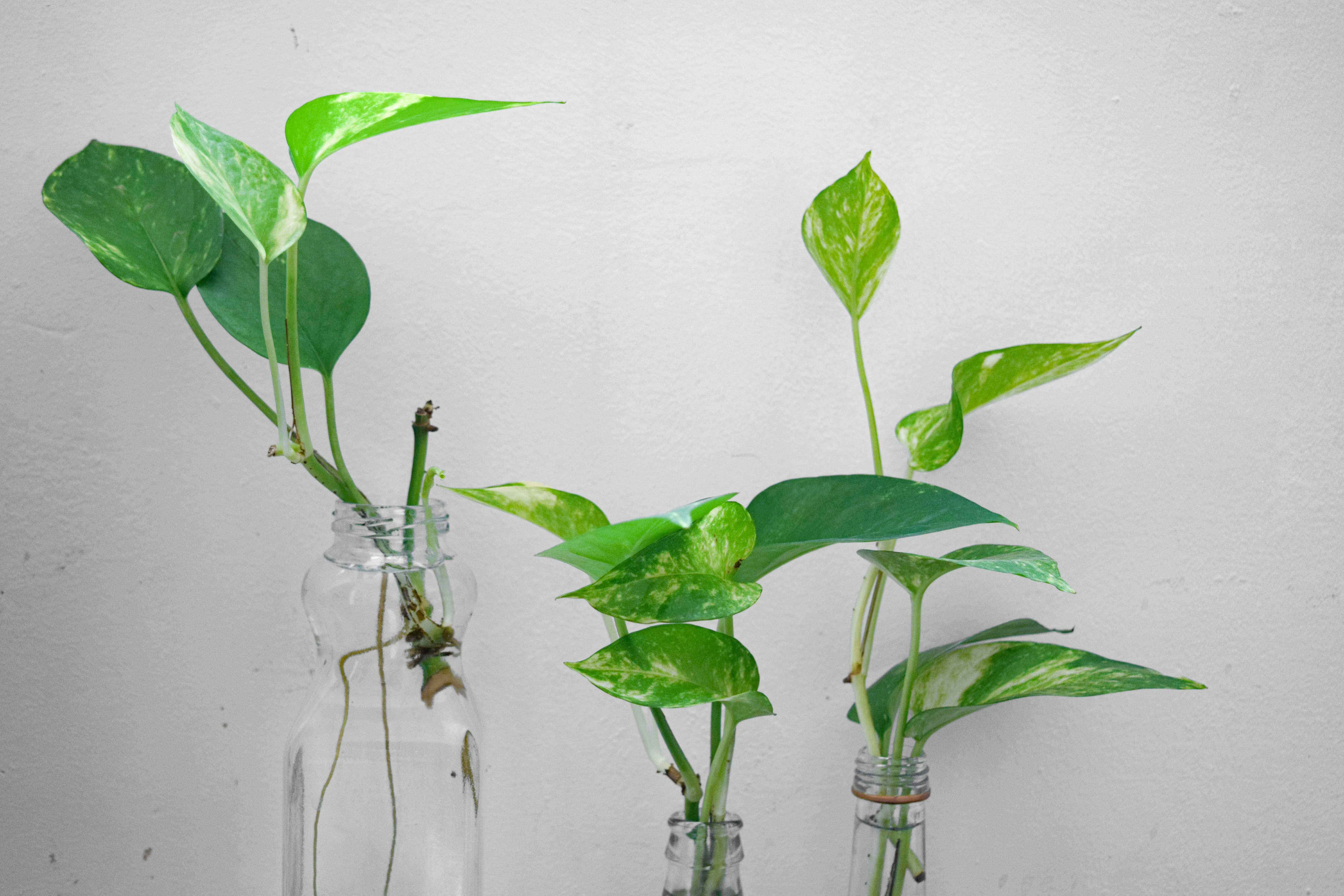
Propagating a Neon Pothos is one of the most rewarding beginner plant projects. You can easily create new plants or fill out a sparse pot. Snip a vine just below a node (the small brown bump on the stem where a leaf attaches). Remove the lowest leaf to expose the node, and place the stem in a glass of water. Roots will begin to grow rapidly within a week or two. Once the roots are an inch long, plant the cutting in soil. Pruning is also recommended to keep the plant bushy. If a vine becomes "leggy" (long and bare with few leaves), cut it back. The plant will push out new, bushier growth from the top of the pot.

Repotting

They do not mind being slightly root-bound and generally only need repotting every one to two years. You will know it is time when the roots are densely circling the bottom of the pot or growing rapidly out of the drainage holes. When repotting, choose a container with drainage holes that is only one size larger (one to two inches wider in diameter).

Toxicity

The Neon Pothos is toxic to cats, dogs, and humans. It contains insoluble calcium oxalate crystals. If chewed or ingested, these microscopic crystals act like tiny shards of glass, causing severe oral irritation, swelling of the mouth, lips, and throat, drooling, and vomiting. Keep the trailing vines out of reach of curious pets and toddlers.

Common Problems

The loss of neon color (turning dark green) is the most frequent complaint, solved by increasing light exposure. Yellowing, mushy leaves at the base of the plant are a clear sign of overwatering and root rot. If the plant is growing long, bare vines (leggy growth), it is not getting enough light. Simply prune the bare vines back, propagate them, and move the mother plant to a brighter location.

Recommended next actions

Use calculators and guides to turn this plant profile into a practical care routine.

Guide

Humidity Tray vs Humidifier for Houseplants: What Actually Works

With over 14 years of indoor climate management across more than 1,800 diagnosed humidity-failure cases — from browning Calathea tips in air-conditioned apartments to crisping Alocasia leaves during dry winters — we've measured exactly how much humidity each method actually delivers at leaf level, and the gap is larger than most plant owners expect.

Guide

Spider Mites on Houseplants: How to Stop Them Fast

When a houseplant starts looking dusty, stippled, or web-covered, spider mites are often the culprit. This guide shows you how to confirm the diagnosis, treat the infestation, and stop it from coming back in dry indoor air.

Guide

String of Pearls Care Guide: Why Yours Is Dying and How to Fix It

String of pearls is one of the most beautiful and most misunderstood plants we grow. After years of working with them — including rescuing dozens that arrived half-dead — we've identified the two counterintuitive mistakes that account for almost every struggling specimen. This guide exists because most advice online gets the diagnosis completely backwards.

Calculator

Sunlight Calculator

Determine the ideal indoor light placement for your plant based on species, window direction, and seasonal light availability.

Calculator

Neem Oil Spray Calculator

Calculate the correct neem oil dilution ratio for your spray bottle size, plant type, and pest severity — safely and without burning leaves.

Calculator

Planting & Sowing Calendar

Find the best indoor and outdoor sowing dates for vegetables, herbs, and flowers based on your USDA Hardiness Zone and local frost dates.

Structured Plant Data

Plant Data Profile

Care values below are generated from the plant JSON fields so users and crawlers can read the structured plant profile directly on the page.

Growth Characteristics

Growth Rate

fast

Mature Height

Trailing vines can reach 10+ feet indoors

Mature Spread

1-3 feet

Life Cycle

Perennial

Flowering Season

Does not flower indoors

Container Friendly

yes

Indoor Capable

yes

Environmental Parameters

Parameter Recommended Survivable
Temperature 65°F - 85°F (18°C - 29°C) 55°F - 90°F (13°C - 32°C)
Humidity 40% - 60% 30% - 80%
Soil PH 6.0 - 6.5 5.5 - 7.5

Lighting

Description

Requires bright indirect light to maintain its shocking neon yellow color. If placed in low light, it will revert to a dark, solid green to survive.

Nutrients

Nitrogen Demand

moderate

Phosphate Demand

low

Potassium Demand

low

Micronutrient Notes

Requires basic nutrients during the growing season to maintain fast growth.

Fertilizer Frequency

Once a month during spring and summer at half strength.

Organic Options

Standard liquid houseplant fertilizer or worm tea.

Relationships

  • Root Rot

    Vulnerability | Strength 7

    While very resilient, it will succumb to root rot if left sitting in standing water for prolonged periods.

Popular Pothos (Epipremnum) Varieties

VarietyLeaf ColorLight Requirement
Golden PothosGreen with yellow splashesLow to Medium Indirect
Neon PothosSolid, bright chartreuse/yellowBright Indirect (to keep color)
Marble QueenHighly variegated white and greenVery Bright Indirect (to keep white)

Troubleshooting Guide

1 Leaves are losing their bright yellow color and turning dark green

Cause: Insufficient light. The plant is producing more chlorophyll to survive in the dim environment.

Move the plant to a location with bright, indirect light. New growth will emerge neon yellow again.

Glossary of Terms

Chlorophyll
The green pigment in plants responsible for absorbing light to provide energy for photosynthesis. In low light, Neon Pothos produces more of it, masking the yellow color.
Node
The point on a plant stem where leaves are attached. In vining plants like Pothos, aerial roots and new growth emerge from the nodes. You must cut below a node to propagate.

Scientific References

  1. Plants of the World Online - Epipremnum aureum
  2. Plant Finder - Epipremnum aureum
  3. NC State Extension Plant Toolbox - Epipremnum aureum
  4. Tropical Foliage Plant Care
  5. World Flora Online - Epipremnum aureum

Frequently Asked Questions

Why is my Neon Pothos turning dark green?
This is the most common issue. The bright neon color is a form of variegation that requires significant light to maintain. In low-light conditions, the plant produces more dark green chlorophyll to survive. Move it to a brighter location.
Is the Neon Pothos safe for cats and dogs?
No. Like all Pothos (Epipremnum), it contains calcium oxalate crystals. Chewing the leaves will cause severe oral irritation, swelling, and vomiting in pets.
How often should I water my Neon Pothos?
Allow the top 2 to 3 inches of the soil to dry out completely before watering. They are very drought-tolerant and will visibly droop when they are desperately thirsty.
Why is my Neon Pothos growing long vines with very few leaves?
This is called 'leggy' growth. It happens when the plant is desperately stretching to find more light. Prune the bare vines back and move the plant to a brighter spot.
How do you propagate a Neon Pothos?
It is incredibly easy to propagate via stem cuttings. Snip a vine just below a node (the little brown bump on the stem), remove the lowest leaf, and place the node in a glass of water. Roots will form in a few weeks.
Can I put my Neon Pothos in direct sunlight?
No. While it needs bright light, direct, hot afternoon sun will bleach the leaves and cause brown, crispy burn marks. Bright, indirect light is best.
Why are the leaves on my Neon Pothos turning yellow and mushy?
While it's a yellow plant, mushy, translucent yellow leaves at the base indicate overwatering and root rot. Ensure the pot has drainage holes and let the soil dry out more between waterings.
Should I let my Neon Pothos trail or climb?
Either! It looks beautiful trailing from a basket. However, in nature, it is a climbing epiphyte. If you give it a moss pole to climb, the leaves will grow significantly larger.