How Do I Grow Herbs on My Kitchen Windowsill?
A kitchen windowsill can grow fresh herbs if you choose the right ones and give them enough light. This guide shows you how to keep basil, parsley, mint, and others productive indoors with practical, real-world advice.
Quick Answer
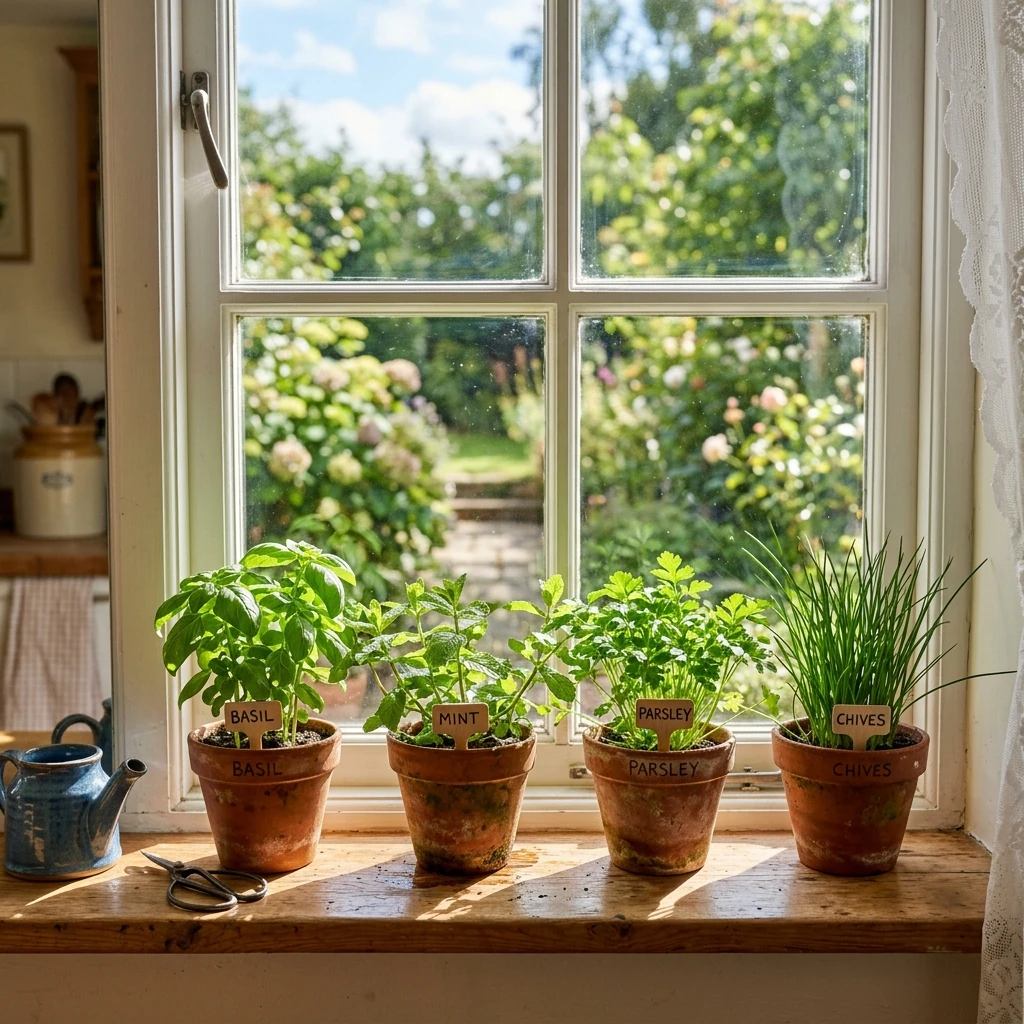
Use a bright windowsill (south or west facing), small pots with drainage, a light potting mix, and herbs that tolerate indoor life. Basil, mint, chives, parsley, and thyme are good starters if the window gets enough light. Harvest often and water only when the top 2.5 cm (1 in) of soil feels dry.
Key Takeaways
- Position culinary herbs on south- or west-facing windows getting 6+ hours of sun.
- Use porous potting media and containers equipped with drainage holes.
- Pinch off stem tips and flower buds regularly to encourage dense branching.
- Supplement with a small LED grow light during dim winter months.
A kitchen windowsill is one of the easiest places to grow herbs, but only if the window is bright enough. Herbs are sun lovers, and many fail indoors because the light is weaker than it looks. Start with a few easy herbs, use small pots with drainage, and harvest often to keep the plants bushy. Over the years, I have grown herbs on many kitchen windowsills, and I have learned that the secret is not just light, but consistency. I have had basil thrive on a south-facing sill and parsley that barely survived on a north-facing one. The difference is matching the herb to the light you actually have, not the light you wish you had. This guide covers everything you need to know to grow fresh, flavourful herbs right outside your kitchen, from choosing the right species to troubleshooting common problems.
Key Takeaways
- Light is the most critical factor—choose a south or west-facing window for best results.
- Start with easy herbs: basil, mint, chives, parsley, thyme, and oregano.
- Use small pots (10–15 cm / 4–6 in) with drainage holes and a well-draining potting mix.
- Water only when the top layer of soil is dry to the touch—overwatering is the top killer.
- Harvest regularly by pinching stems to encourage bushier growth.
- Fertilize lightly every 4–6 weeks with a diluted liquid fertilizer.
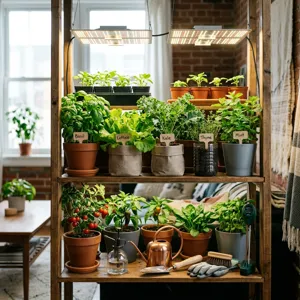
- Supplement with a grow light in winter or if your window is not bright enough.
Introduction
There is something deeply satisfying about walking into your kitchen and snipping fresh basil for a pasta sauce or mint for a cup of tea. Windowsill herb gardens are the most accessible form of indoor gardening—you do not need a greenhouse or complex equipment. I started my first windowsill herb garden in a cramped London flat with a tiny south-facing window. My basil grew like a weed; my parsley survived but never thrived. Over time, I learned which herbs fit which windows, how to water without drowning them, and why some herbs are simply better suited to indoor life than others. This guide shares that experience, plus the science and practical steps, so you can enjoy a productive herb garden in your own kitchen.
Why It Matters
Fresh herbs transform cooking. They add flavour, colour, and nutrients that dried herbs cannot match. Growing them on your windowsill saves money, reduces packaging waste, and gives you a living, green addition to your kitchen. It is also a low-pressure entry point into gardening—if you can keep a basil plant alive, you can build confidence for larger projects. Moreover, herbs are among the most cost-effective plants to grow: a $3 packet of basil seeds can produce dozens of plants, while a single bunch of fresh basil at the supermarket costs $3–4. Over a year, a windowsill herb garden can save you hundreds of dollars. Beyond economics, the act of tending herbs is calming and connects you to the seasons, even in a city apartment.
Science Behind It
Herbs, like all plants, photosynthesize to produce energy. The rate of photosynthesis depends on light intensity, duration, and quality. A typical kitchen window, even a south-facing one, provides less light than outdoor conditions—glass filters some UV light, and the angle of the sun changes with the seasons. This is why many herbs grow leggy indoors: they stretch toward the light source, creating weak stems. Temperature also plays a role: most culinary herbs prefer daytime temperatures of 18–24°C (65–75°F) and cooler nights. In a warm kitchen, you may need to water more often. Additionally, herbs are generally adapted to well-drained soils; their roots need oxygen, so dense, waterlogged mix leads to root rot. This is why drainage holes and a light potting mix are essential. Understanding these basic physiological needs helps you choose the right herbs and care for them effectively.
Step-by-Step Guide
1. Assess your windowsill light
Before buying anything, spend a day observing your kitchen window. How many hours of direct sunlight does it receive? A south-facing window in the northern hemisphere gets the most light (6–8+ hours). East-facing windows get morning sun (4–6 hours), west-facing get afternoon sun (4–6 hours, often hot), and north-facing get little direct light (2–4 hours, often dim). Match your herb choice to this. For south or west, choose sun-lovers like basil and thyme. For east or north, choose lower-light tolerant herbs like mint, chives, or parsley.
2. Choose your herbs
Start with 2–3 easy varieties. Basil is a sun-lover and fast grower. Mint is tough and tolerates some shade. Chives are resilient and can handle less light. Parsley is moderate—it needs bright but not scorching light. Thyme and oregano like sun and good drainage. Avoid finicky herbs like rosemary indoors (it is very susceptible to overwatering) or cilantro (which bolts quickly).
3. Select containers and soil
Use pots 10–15 cm (4–6 in) in diameter with drainage holes. Terracotta is breathable and helps prevent overwatering; plastic retains moisture longer. Fill with a good-quality potting mix—not garden soil. For added drainage, mix in about 20% perlite. Avoid oversized pots, as they hold too much water and can cause root rot.
4. Plant your herbs
You can start from seeds, but for quicker results, buy small starter plants from a nursery. Plant at the same depth they were in their nursery pot. Gently firm the soil around the roots. Water lightly to settle the mix.
5. Place in the right spot
Position pots on the windowsill, ensuring they are not touching the glass (to avoid cold burns in winter or heat stress in summer). If using a saucer, ensure it is not holding standing water.
6. Water correctly
Stick your finger about 2.5 cm (1 in) into the soil. If it feels dry, water thoroughly until water runs out the drainage hole. Empty the saucer after 15 minutes. Do not water on a schedule—check the soil. In winter, you will water less often; in summer, more.
7. Harvest regularly
Once plants have a few sets of leaves, start harvesting. Pinch stems just above a leaf pair (or node) to encourage branching. Regular harvesting keeps plants compact and productive. Never take more than one-third of the plant at once.
8. Fertilize occasionally
Indoor herbs do not need heavy feeding. Apply a balanced liquid fertilizer diluted to half strength every 4–6 weeks during active growth (spring and summer). Reduce or stop in winter.
Climate Considerations
Your outdoor climate influences your indoor environment, even on a windowsill. In cold climates (USDA zones 3–5), winter heating dries the air and drastically reduces sunlight—you may need a grow light and a humidifier to keep herbs happy. In temperate zones (6–7), you can grow herbs on a sunny windowsill from spring to autumn, but winter may slow growth. In warm zones (8–10), heat near a window can be intense; avoid south-facing windows in summer, or move pots back slightly. In Mediterranean climates (dry summers, mild winters), herbs like rosemary and thyme thrive outdoors but may struggle indoors without good airflow. For those in the UK, Ireland, and Western Europe, with their cloudy winters, a south-facing window is essential, and a grow light for winter is highly recommended. In Australia and New Zealand, you may need to protect herbs from scorching afternoon sun in summer.
| Window Orientation | Light Level | Best Herbs | Challenging Herbs |
|---|---|---|---|
| South-facing (N. Hemisphere) | High (6–8+ hours) | Basil, thyme, oregano, rosemary | Mint (may need more water) |
| West-facing | High afternoon sun (4–6 hours) | Basil, parsley, chives | Shade-loving herbs |
| East-facing | Moderate morning sun (4–6 hours) | Mint, chives, parsley | Basil (may get leggy) |
| North-facing (N. Hemisphere) | Low (2–4 hours, indirect) | Mint, chives, lemon balm | Basil, thyme, oregano |
Seasonal Advice
In spring and summer, herbs grow actively. Increase watering and feeding; pinch back regularly to encourage bushiness. In autumn, growth slows; reduce watering and stop fertilizing. In winter, light is at its lowest; you may need to supplement with a grow light. Herbs like basil may go dormant or die back in winter if kept too cool. Consider starting fresh with new plants in spring. One approach I use is to take cuttings of basil in late summer and root them in water to have fresh plants for winter, giving them a sunny spot and a grow light. This extends the harvest season significantly.
Common Mistakes
- Overwatering—herbs hate soggy roots; let the soil dry between waterings.
- Underestimating light needs—a 'bright' window may still be too dim.
- Using garden soil—it compacts; use a light potting mix.
- Pots without drainage—roots rot in standing water.
- Harvesting too little—plants become leggy and less productive.
- Fertilizing too much—causes weak, floppy growth and salt build-up.
- Planting multiple herbs in one pot—they compete for water and light; use separate pots.
Maintenance Schedule
- Daily: Check soil moisture; water if top 2.5 cm (1 in) is dry. Rotate pots a quarter turn for even growth.
- Weekly: Harvest a few leaves or stems; check for pests (aphids, spider mites). Wipe dust off leaves with a damp cloth.
- Every 4–6 weeks: Fertilize with diluted liquid fertilizer during growing season.
- Annually: Repot or refresh soil in spring. Most herbs benefit from fresh potting mix after a year.
Buying Guide
When buying starter herbs, look for compact, bushy plants with healthy green leaves. Avoid plants that are leggy, yellowing, or have flowers (they may be pot-bound). For pots, choose terracotta or plastic with drainage holes—small 10–15 cm (4–6 in) sizes are ideal. Buy a bag of indoor potting mix and a small bag of perlite. For seeds, choose fresh packets and follow the germination instructions. A small watering can with a narrow spout is useful for precision watering. If you plan to grow herbs year-round, invest in a simple LED grow light (around $20–40) for winter supplementation.
| Herb | Seed Packet Cost | Starter Plant Cost | Time to First Harvest (Seeds) | Time to First Harvest (Plant) |
|---|---|---|---|---|
| Basil | $3–5 | $4–6 | 4–6 weeks | Immediate |
| Mint | $3–5 | $4–6 | 4–6 weeks | Immediate |
| Parsley | $3–5 | $4–6 | 6–8 weeks | Immediate |
| Chives | $3–5 | $4–6 | 6–8 weeks | Immediate |
| Thyme | $4–6 | $5–7 | 8–12 weeks | Immediate |
Expert Tips
From my experience, the biggest mistake is overwatering. Herbs are tougher than they look; they can handle a little drought better than wet feet. I always water from the bottom for a few minutes when I have multiple small pots—it encourages roots to grow downward. Also, do not let herbs sit in a cold draught; they are sensitive to sudden temperature changes. If your basil starts to flower, pinch the flower buds off immediately; flowering signals the plant to stop producing leaves and can make leaves bitter. Finally, if you have a particularly sunny windowsill, a thin curtain can diffuse intense afternoon sun and prevent scorching.
Common Myths
- Myth: All herbs need the same amount of sunlight. Reality: Basil and thyme love sun; mint and chives tolerate shade.
- Myth: You can plant many herbs in one large pot. Reality: They compete and often one dominates; separate pots are better.
- Myth: Watering every day is necessary. Reality: Only water when soil is dry; daily watering often leads to overwatering.
- Myth: Herbs do not need fertilizer. Reality: They do need nutrients, especially in pots; use a diluted liquid fertilizer.
- Myth: You should not harvest herbs until they are large. Reality: Regular harvesting from the start encourages bushier growth.
When NOT To
- Do not start a windowsill herb garden if your kitchen window is north-facing with limited direct light—unless you are willing to use a grow light.
- Do not grow herbs near a radiator or heating vent—the dry heat will stress them.
- Do not attempt to grow large, fast-growing herbs like rosemary indoors—they quickly outgrow a windowsill and are prone to root problems.
- Do not overwater mint—it is vigorous, but still needs drainage.
- Do not place pots directly on a cold windowpane in winter—cold roots can stunt growth.
Decision Guide
| If you have... | Choose | Why | Use in cooking |
|---|---|---|---|
| South-facing window (bright) | Basil, thyme, oregano | They thrive in full sun and high light | Italian, Mediterranean dishes |
| West-facing window (afternoon sun) | Basil, parsley, chives | They handle moderate to bright light well | Soups, salads, garnishes |
| East-facing window (morning sun) | Mint, chives, parsley | They tolerate moderate light and cooler mornings | Teas, sauces, omelettes |
| North-facing window (low light) | Mint, chives, lemon balm | They are the most shade-tolerant of common herbs | Desserts, drinks, mild dishes |
| Limited time for care | Mint, chives, thyme | They are forgiving and drought-tolerant | Various, easy to use |
Troubleshooting
| Problem | Likely Cause | Solution |
|---|---|---|
| Leggy, stretched stems | Too little light | Move to brighter window or add grow light |
| Yellowing lower leaves | Overwatering | Reduce watering; ensure drainage; let soil dry out |
| Brown leaf edges | Dry air or salt build-up | Increase humidity (mist or pebble tray); flush soil with water |
| Wilting despite wet soil | Root rot | Repot with fresh, dry mix; cut off rotten roots |
| Aphids or spider mites | Indoor pests | Wipe leaves with soapy water; use neem oil; isolate infected plants |
| Bitter-tasting leaves | Bolting (flowering) or stress | Pinch flowers; harvest regularly; ensure consistent watering |
Frequently Overlooked Facts
Many people do not know that windowsill herbs can be perennial—chives and mint come back year after year if given a winter rest. Another overlooked fact is that herbs grown indoors often have more delicate leaves and milder flavour due to less intense light; this is normal, not a sign of poor health. Also, you can root basil and mint cuttings in a glass of water on the windowsill, giving you free new plants. Finally, the air in a kitchen can be greasy from cooking; wipe dust off leaves periodically so they can photosynthesise efficiently.
Summary
Growing herbs on a kitchen windowsill is a rewarding and practical way to add fresh flavour to your cooking. The keys are choosing the right herbs for your window's light, using proper containers and soil, watering carefully, and harvesting regularly. Basil, mint, chives, parsley, and thyme are excellent starting points. If your window is not bright enough, do not give up—supplement with a grow light or choose more shade-tolerant varieties. With a little attention, you can enjoy a constant supply of fresh herbs, save money, and add a touch of green to your kitchen. Start small, learn from your plants, and soon you will be snipping home-grown herbs with confidence.
Recommended next actions
Next Best Actions
Move from reading to action with related calculators, plant profiles, and quiz-based recommendations.
Guide
How to Grow Vegetables Indoors Year-Round
Indoor vegetables need strong light, the right container, and a crop choice that fits your space. This guide shows how to keep harvests going through every season with practical tips from an experienced indoor grower.
Guide
Best Soil for Indoor Plants: Potting Mix Recipes & Guide
Learn how to build a well-aerated potting mix that balances moisture retention, drainage, and root-zone oxygen for different types of houseplants.
Guide
Home Garden Starter Equipment: Essential Tools for Beginners
You do not need a shed full of tools to start a home garden. This guide shows the essentials, the nice-to-haves, and what you can skip until you have more plants. From containers to watering gear, we cover it all.
Frequently Asked Questions
What herbs grow best on a windowsill?
How much sun do kitchen herbs need?
Can I grow basil indoors year-round?
Why do my indoor herbs die so fast?
What size pot should I use for herbs?
Can I grow herbs in winter without a sunny window?
Should I use seeds or starter plants for windowsill herbs?
How often should I harvest windowsill herbs?
What is the best soil for indoor herbs?
Can I grow mint with other herbs?
Explore More