What Equipment Do I Need to Start a Home Garden?
You do not need a shed full of tools to start a home garden. This guide shows the essentials, the nice-to-haves, and what you can skip until you have more plants. From containers to watering gear, we cover it all.
Quick Answer
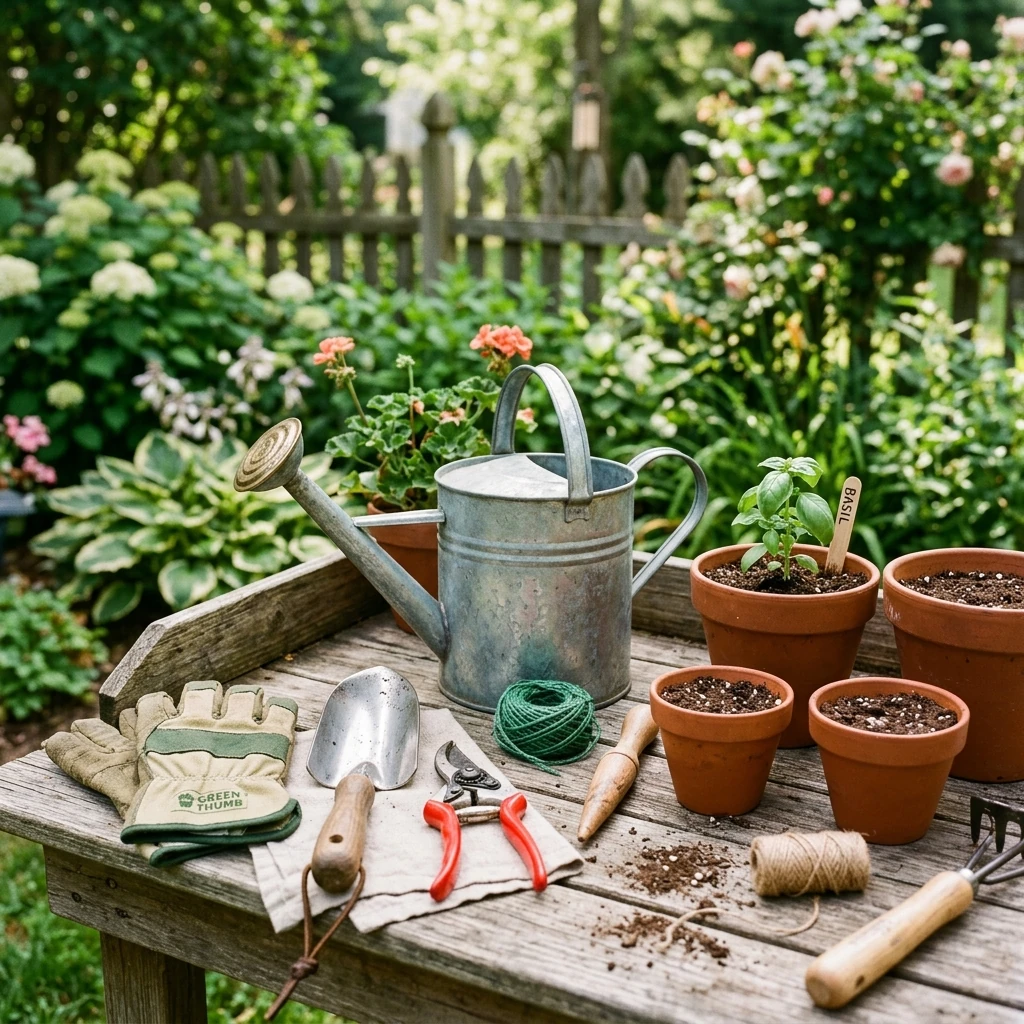
Start with gloves, pruners, a watering can or hose nozzle, a hand trowel, quality potting mix or garden soil, and containers or bed space. Add a moisture meter, plant ties, and fertilizer later if your garden needs them. Focus on a few reliable basics and learn as you grow.
Key Takeaways
- Invest in quality bypass pruners, a narrow-spout can, and a hand trowel.
- Select containers with functional drainage holes and matching drip trays.
- Use specialized, aerated potting mixes formulated for container culture.
- Add a soil moisture probe and full-spectrum grow lights as needed.
A home garden starts with a few reliable basics, not a cart full of gadgets. You need a way to dig, water, cut, and support plants. If you are growing in containers, drainage and soil quality matter just as much as the tools. Buying only what you will actually use keeps gardening affordable and less confusing. This guide covers every piece of equipment you might consider—from absolute necessities to optional upgrades—and helps you decide what fits your space, budget, and climate.
Key Takeaways
- You can start a home garden with fewer than ten essential items.
- Choose containers and soil based on what you plan to grow and your available space.
- Watering equipment is critical—match it to your garden size and climate.
- Seed-starting gear is optional; you can buy seedlings to skip that step.
- Invest in quality for items you will use frequently, like pruners and watering cans.
- Add tools gradually as you encounter specific needs rather than buying everything upfront.
- Consider your local climate and season when selecting equipment—for example, drip irrigation helps in dry regions, while frost cloth may be needed in colder zones.
Introduction
Starting a home garden is exciting, but the sheer number of tools, containers, and accessories can overwhelm a beginner. Walk into any garden centre and you will see rows of trowels, forks, hoes, gloves, pots, trays, watering systems, and fertilizers. The truth is, you do not need most of them on day one. Successful gardening is about understanding your plants, your space, and your climate—and having the right few tools to support that. This guide cuts through the noise, giving you a clear priority list. We will cover everything from hand tools to watering systems, containers to soil amendments, and seed-starting gear to protective equipment. By the end, you will know exactly what to buy, what to borrow, and what to skip entirely.
Why It Matters
Having the right equipment makes gardening easier, more efficient, and more enjoyable. Poor-quality tools can lead to frustration, damaged plants, and wasted time. Conversely, buying unnecessary gear wastes money and clutters your workspace. The right equipment also affects plant health: proper watering tools prevent over- or under-watering, good pruners make clean cuts that heal faster, and suitable containers ensure roots have enough room and drainage. Additionally, your local climate and season dictate which equipment is most valuable—for instance, a hose timer is a lifesaver in hot summers, while frost covers are essential in cold winters. Understanding these connections helps you spend wisely and garden successfully from the start.
Science Behind It
Gardening equipment interacts with plant physiology and soil physics in several ways. Pruners make clean cuts that reduce the surface area for pathogens, promoting faster wound healing. Watering cans and hoses deliver water; the rate and pattern affect soil infiltration and root distribution—slow, deep watering encourages deep roots, while frequent shallow watering keeps roots near the surface. Containers influence root temperature, moisture retention, and oxygen exchange; terracotta pots breathe and cool roots, while plastic retains heat and moisture. Soil amendments like perlite and compost modify pore space, affecting water-holding capacity and aeration. Understanding these principles helps you choose equipment that works with, not against, natural processes. For example, in heavy clay soils, raised beds with amended soil are more effective than in-ground planting, and in dry climates, drip irrigation reduces evaporation far better than overhead watering.
Step-by-Step Guide
1. Assess your garden type and space
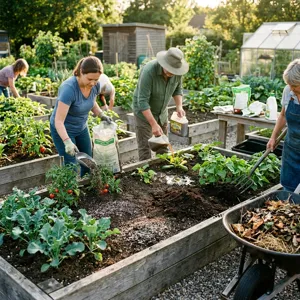
Decide whether you will grow in containers, raised beds, or directly in the ground. This choice drives most equipment decisions. Containers require pots, potting mix, and saucers; raised beds need lumber or kits, soil mix, and possibly weed fabric; in-ground gardens need garden soil, compost, and sometimes a tiller or spade. Also measure your available space—a balcony or patio demands compact tools and lightweight pots, while a large yard may justify a hose reel and wheelbarrow.
2. Choose your plants and season
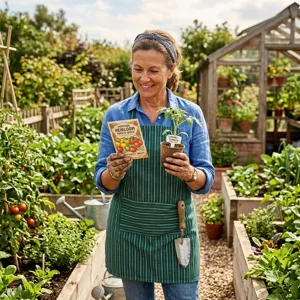
What you grow determines the scale and type of equipment. Herbs and small vegetables like lettuce and tomatoes need different supports and spacing than vining crops like cucumbers or beans. Similarly, starting from seed requires trays, germination medium, and possibly a heat mat; buying seedlings skips that. Also consider your region's growing season—in cold climates you might need cold frames or cloches for early starts; in hot climates, shade cloth may be essential.
3. Select essential hand tools
The basics: a hand trowel for digging and transplanting, a pair of sharp pruners (bypass type for clean cuts) for trimming and harvesting, a sturdy pair of gloves to protect your hands, and a watering can or hose with a gentle nozzle. These four items will cover 90% of your daily tasks. If you have a larger garden, add a long-handled spade and a rake.
4. Choose containers or bed materials
For containers, pick pots with drainage holes in sizes appropriate for your plants—small for herbs, large for tomatoes or peppers. Fabric grow bags are lightweight and aerate roots well. For raised beds, choose rot-resistant wood (cedar, redwood) or galvanized steel kits; avoid treated lumber that can leach chemicals. Ensure beds are at least 20–30 cm (8–12 in) deep for most vegetables.
5. Source quality soil and amendments
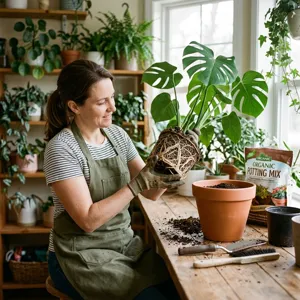
For containers, use a high-quality potting mix, not garden soil. For raised beds or in-ground, amend with compost and organic matter. You may also need perlite, vermiculite, or coconut coir to improve drainage or moisture retention depending on your climate. A soil test kit can help determine pH and nutrient levels, but it is optional for beginners.
6. Install watering equipment
For small gardens, a watering can with a rose head is sufficient. For larger areas, invest in a garden hose with an adjustable nozzle or a watering wand. If you live in a dry climate or have many plants, consider a drip irrigation system with a timer—this saves water and ensures consistent moisture. Also get a saucer for each container to catch excess water and protect surfaces.
7. Add supports and protection
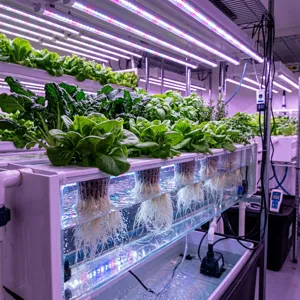
Stakes, cages, and trellises support vining or heavy plants like tomatoes, cucumbers, and beans. Frost cloth or row cover protects against unexpected cold snaps. For indoor seed starting, a grow light and heat mat may be useful if you have limited natural light or a short season.
8. Organise and maintain
Store tools in a dry place to prevent rust. Clean pruners with alcohol after each use to prevent disease spread. Sharpen tools annually. Keep a small notebook or phone app to track what works and what you need next.
Climate Considerations
Your local climate heavily influences equipment choices. In hot, dry regions (e.g., Mediterranean, arid Southwest US, parts of Australia), drip irrigation and mulch are essential to conserve moisture. Shade cloth (30–50% shade) protects plants from scorching sun. In cool, humid climates (e.g., UK, Ireland, Pacific Northwest), good drainage is critical; raised beds and containers with extra perlite help prevent waterlogging. Frost cloth and cloches are valuable for extending the season in colder zones. In temperate regions with distinct seasons, a cold frame or mini greenhouse can be a worthwhile investment for starting seedlings early and hardening them off. Consider your average last frost date and first frost date when planning equipment; in areas with a short growing season (USDA zones 3–5), you may need more season-extension gear.
For US gardeners, USDA Hardiness Zones provide context for outdoor equipment needs. Below is a reference table.
| USDA Zone | Typical Challenges | Recommended Equipment |
|---|---|---|
| 3–5 (Cold) | Short growing season, frost | Cold frames, frost cloth, grow lights for seed starting, heat mats |
| 6–7 (Temperate) | Moderate season, occasional frost | Row covers, basic watering gear, raised beds for soil warming |
| 8–9 (Warm) | Heat, possible drought | Drip irrigation, mulch, shade cloth, soaker hoses |
| 10+ (Hot) | Intense heat, low humidity | Drip irrigation, shade structures, large water storage, reflective mulch |
Seasonal Advice
In spring, you need seed-starting equipment (trays, labels, germination mix) and possibly heat mats. As weather warms, watering gear becomes more important; check hoses for leaks. Summer demands efficient watering—drip systems or soaker hoses reduce evaporation. Also consider shade cloth for heat-sensitive crops. Autumn is for harvesting and cleaning up; pruners and garden shears are busy. Winter is planning time; you might invest in tool maintenance supplies (sharpening stone, oil) and order next year's equipment at lower prices. Adjust your equipment use based on daylight: in winter, indoor seed starting benefits from grow lights to compensate for short days.
Common Mistakes
- Buying too many tools upfront—start with the essentials and add as needed.
- Choosing cheap, low-quality pruners that crush stems instead of cutting cleanly.
- Using garden soil in containers, which compacts and suffocates roots.
- Forgetting to add drainage holes to containers, leading to waterlogged roots.
- Buying a watering can that is too heavy when full—consider capacity and your strength.
- Not matching hose length to your garden size—too short is frustrating, too long is cumbersome.
- Ignoring tool maintenance—rusty or dull tools are less effective and can spread disease.
- Overlooking personal comfort: poorly fitting gloves or awkwardly sized tools cause hand fatigue.
Maintenance Schedule
- After each use: Rinse soil off tools; wipe pruners with alcohol if used on diseased plants.
- Monthly: Check hose connections for leaks; oil wooden handles; sharpen pruners with a sharpening stone.
- Seasonally: Drain hoses before winter freezing; store in a shed or garage. Clean pots and trays with soap and water, then disinfect with a 10% bleach solution if reusing.
- Annually: Inspect all equipment for wear; replace worn parts like washers or blades; sharpen larger tools like spades and hoes.
Buying Guide
When purchasing, prioritize quality for frequently used items: pruners ($15–30), watering can ($10–20), and gloves ($10–20) are worth spending a bit more. For containers, fabric grow bags are cheaper and portable; plastic pots are durable and cheap but may heat up. Raised bed kits range from $50–200 depending on size and material. Soil amendments are ongoing costs—buy in bulk if you have storage. Consider shopping at end-of-season sales for deep discounts on tools and pots. Online marketplaces often have competitive prices, but inspect quality in person if possible.
Below is a cost comparison of starter setups.
| Item | Budget Option | Premium Option |
|---|---|---|
| Hand trowel | $5–10 | $15–25 (ergonomic, stainless steel) |
| Pruners (bypass) | $10–15 | $25–40 (Felco or comparable) |
| Gloves | $5–10 | $15–25 (leather or reinforced) |
| Watering can (10 L / 2.6 gal) | $10–15 | $25–40 (metal, long-reach) |
| Garden hose (15 m / 50 ft) | $20–30 | $40–60 (kink-free, drinking-water safe) |
| Containers (5-pack, 20 cm / 8 in) | $10–15 | $25–40 (terracotta or decorative) |
| Potting mix (20 L / 5 gal) | $5–8 | $12–18 (organic, premium blend) |
| Total starter cost | $65–103 | $157–238 |
Expert Tips
Invest in a good pair of pruners—they are the most used tool in any garden. Keep them sharp; a sharp blade cuts cleanly and promotes healing. For watering, learn to water deeply and infrequently; use a watering can with a rose for gentle watering of seedlings and a hose with a trigger nozzle for larger areas. Add a moisture meter to your kit—it eliminates guesswork and prevents overwatering, especially for container plants. For outdoor gardens, install a rain gauge to track natural precipitation and adjust watering accordingly. When buying soil, look for mixes with added perlite or pumice—they improve drainage significantly.
Common Myths
- Myth: You need a full set of tools to start gardening. Reality: You can start with a trowel, pruners, and a watering can and be productive.
- Myth: Expensive tools are always better. Reality: Mid-range tools often offer the best value; premium tools are for professionals or heavy use.
- Myth: Garden soil is fine for containers. Reality: It compacts and lacks drainage; use potting mix instead.
- Myth: You must have a greenhouse to grow vegetables. Reality: Many vegetables grow well in containers or raised beds without a greenhouse.
- Myth: All watering cans are the same. Reality: Choose based on capacity, weight, and rose design—a fine rose is better for seedlings.
When NOT To
- Do not buy a large set of tools if you only have a small balcony—start with a few compact items.
- Do not invest in a high-end irrigation system if you are just testing gardening for the first time.
- Do not buy expensive pots for plants you are unsure about—use nursery pots or grow bags initially.
- Do not purchase a tiller for a small in-ground garden; a hand spade and compost will work.
- Do not buy season-extending gear until you know your local microclimate and frost dates.
Decision Guide
| Garden Type | Essential Equipment | Nice-to-Have |
|---|---|---|
| Container garden (balcony/patio) | Pots with drainage, potting mix, watering can, hand trowel, gloves | Moisture meter, plant stand, small pruners |
| Raised bed garden | Raised bed kit or lumber, soil mix, compost, hose, trowel, pruners | Drip irrigation, row covers, trellis |
| In-ground garden | Spade, rake, garden soil, compost, watering can or hose, gloves | Wheelbarrow, tiller, soaker hose |
| Indoor herb garden | Small pots, potting mix, watering can, grow light (if low light) | Humidity tray, plant labels |
| Seed starting | Seed trays, germination mix, labels, watering bottle | Heat mat, grow light, humidity dome |
Troubleshooting
If your equipment is not performing, check for clogs in watering can roses or hose nozzles; soak in vinegar to dissolve mineral deposits. For dull pruners, sharpen with a whetstone or replace the blade if replaceable. Rusty tools can be cleaned with a wire brush and oiled. If containers are cracking, choose more durable materials or avoid extreme temperature swings. If soil is too dense, amend with perlite or coarse sand. Always store tools indoors or covered to prolong life.
Frequently Overlooked Facts
Many beginners forget that drainage is not optional—every container must have holes. Another overlooked item is a good pair of kneepads or a kneeling pad for ground-level work; they save your knees and make gardening more comfortable. Also, a simple bucket is incredibly versatile for carrying weeds, mixing soil, or soaking pots. Finally, plant labels are often skipped, but they are essential for remembering what you planted where, especially with seedlings.
Summary
Starting a home garden does not require a massive investment. Focus on a few high-quality essentials: hand trowel, pruners, gloves, watering can or hose, suitable containers or bed, and good soil. Add tools gradually as your garden grows and your needs become clear. Match your equipment to your climate and season—drip irrigation for dry areas, frost cloth for cold snaps. Maintain your tools regularly to extend their life. With this approach, you will enjoy a productive garden without breaking the bank or cluttering your shed.
Recommended next actions
Next Best Actions
Move from reading to action with related calculators, plant profiles, and quiz-based recommendations.
Guide
Beginner Botanical Toolkit: 10 Essential Growing Tools
After setting up over 1,000 beginner plant corners in western apartments, I'll share the 10 tools that actually matter—and which ones you can skip—so you don't waste money on useless gadgets.
Guide
Best Soil for Indoor Plants: Potting Mix Recipes & Guide
Learn how to build a well-aerated potting mix that balances moisture retention, drainage, and root-zone oxygen for different types of houseplants.
Guide
Growing Fruit Trees in Containers: Complete Guide
Fruit trees can grow in pots if you choose the right variety and give them enough light, root space, and care. This guide explains which trees are realistic for containers and how to keep them productive and healthy.
Frequently Asked Questions
What tools do I need for a first garden?
Do I need expensive equipment to start gardening?
What is the most important garden tool for beginners?
Should I buy raised beds or containers first?
What can I skip when starting a garden?
Do I need a greenhouse to start a garden?
What type of watering system is best for a beginner?
Is it better to buy seeds or seedlings?
How much does it cost to set up a basic home garden?
Can I use regular soil from my yard in containers?
What safety equipment do I need for gardening?
Explore More