Can I Grow Fruit Trees in Containers?
Fruit trees can grow in pots if you choose the right variety and give them enough light, root space, and care. This guide explains which trees are realistic for containers and how to keep them productive and healthy.
Quick Answer
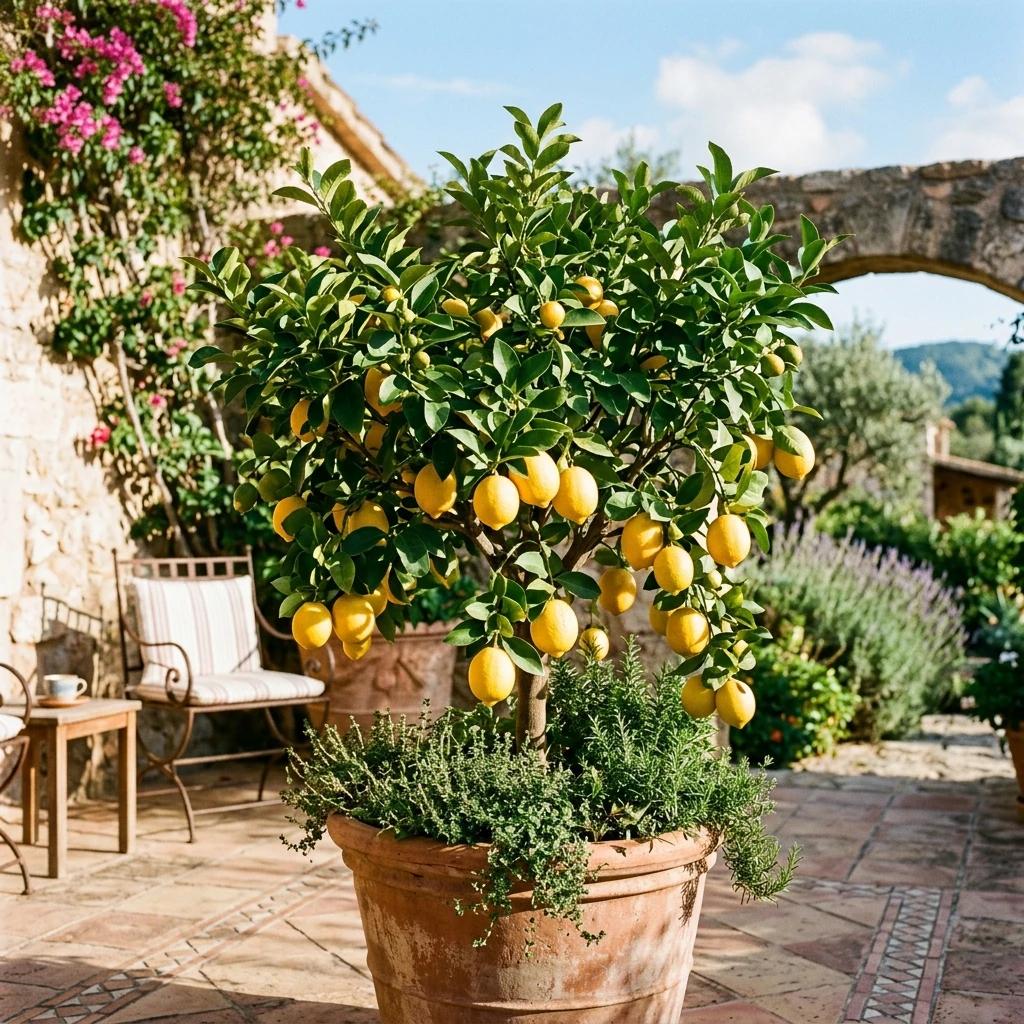
Yes, dwarf and compact fruit trees can grow in containers if the pot is large enough (at least 40–60 L / 10–15 gal) and the tree gets strong light, regular watering, and balanced feeding. Citrus, figs, and some apples or peaches are common container choices. Expect to water daily in summer, fertilize regularly, and prune annually to keep size in check.
Key Takeaways
- Select genetically dwarf rootstocks engineered for container cultivation.
- Ensure containers provide at least 10–15 gallons of volume with drainage.
- Provide a minimum of 6 to 8 hours of unfiltered sunlight daily.
- Apply specialized fruit-tree fertilizers and prune roots biennially.
Yes, many fruit trees can grow in containers if you choose compact varieties and give them enough light and root room. Dwarf citrus, figs, and some stone fruit and apple selections are popular because they stay smaller and respond well to pruning. A fruit tree in a pot still needs serious care, especially during warm weather. I have been growing fruit trees in pots for over a decade—from a Meyer lemon that produces dozens of fruits each winter to a dwarf fig that gives me two crops a year. It is deeply satisfying to pluck a sun-warmed peach from a tree on your balcony, but it does take a different mindset than planting in the ground. This guide will cover everything you need to know to succeed with container fruit trees, from choosing the right variety to winter protection and long-term maintenance.
Key Takeaways
- Choose dwarf or semi-dwarf varieties grafted onto dwarfing rootstocks for best container performance.
- Use a container at least 40–60 L (10–15 gal) for most trees; larger is better for long-term health.
- Provide full sun (6–8 hours daily) and protect from strong winds.
- Water consistently—container trees dry out much faster than in-ground trees.
- Fertilize regularly during the growing season with a balanced or fruit-specific formula.
- Prune annually to control size and shape, and to encourage fruiting wood.
- Protect roots from extreme cold in winter; many container trees need to be moved indoors or insulated.
- Expect good yields, but not as heavy as in-ground trees; quality can be excellent.
Introduction
Imagine stepping onto your balcony and picking a fresh lemon for your tea, or harvesting a handful of figs for breakfast. Container fruit trees make this possible even if you have no garden. They add beauty, fragrance, and the joy of homegrown fruit to patios, rooftops, and small yards. But growing fruit in a pot is not the same as growing a shrub or a flower. You are essentially keeping a miniature orchard in a box, and that comes with responsibilities. Over the years, I have learned that the biggest mistakes are choosing the wrong variety, using a pot that is too small, and neglecting winter protection. This guide will walk you through every step, from selecting your tree to harvesting your first crop, so you can enjoy fresh fruit from your own container orchard.
Why It Matters
Growing fruit trees in containers opens up possibilities for people with limited space, poor soil, or harsh climates. It allows you to move trees to the best spot for sun or shelter, and to bring tender species indoors during cold winters. It also gives you control over the root environment, soil quality, and water—often leading to healthier trees with fewer soil-borne diseases. Container-grown trees can be highly productive; a well-managed dwarf citrus can produce 50–100 fruits per year, and a fig tree can give you a second crop in a season. However, they are also more demanding: they need more frequent watering, regular fertilizing, and annual pruning. Understanding the trade-offs helps you decide if container fruit growing is right for you and how to succeed.
Science Behind It
Fruit trees are perennial plants that typically develop extensive root systems to support their canopy. In a container, root growth is restricted, which limits the size of the canopy—this is why dwarfing rootstocks are essential. Dwarfing rootstocks limit root growth and thus reduce the overall vigour of the tree, making it suitable for containers. The tree's roots also need oxygen, so the potting mix must be porous and well-draining. Watering is critical because container soil dries out faster; the plant's transpiration rate can be high in summer, and if the roots dry out, the tree may drop fruit or leaves. Nutrient uptake is also limited in containers; frequent fertilizing with a balanced or fruit-specific formula is needed to support flowering and fruiting. Additionally, container trees are more susceptible to temperature extremes because the roots are above ground and can freeze or overheat; this is why winter protection is vital in cold climates. Understanding these physiological constraints helps you provide optimal care.
Step-by-Step Guide
1. Choose the right tree and variety
Select a dwarf or semi-dwarf variety grafted onto a dwarfing rootstock. For apples, choose M27 or M9 rootstocks; for pears, Quince C; for citrus, most varieties are naturally small. Look for varieties specifically recommended for containers, such as 'Dwarf Meyer Lemon', 'Brown Turkey' fig, 'Garden Prince' peach, or 'Stella' cherry. Make sure the tree is self-pollinating unless you have space for two.
2. Select a large pot with drainage
Choose a container at least 40–60 L (10–15 gal) in volume, and larger for trees like apples or peaches. Plastic or glazed ceramic pots retain moisture better than unglazed terracotta. Ensure the pot has several drainage holes. A pot on casters makes moving it easier.
3. Use a well-draining potting mix
Fill with a high-quality potting mix, not garden soil. Add perlite or pumice (about 20%) to improve aeration. For citrus, use a citrus-specific mix or add extra sand. A mix of 2 parts potting soil, 1 part coarse sand, and 1 part perlite works well for many trees. You can also add slow-release fertilizer to the mix.
4. Plant at the right depth
Plant the tree at the same depth it was in the nursery pot. The graft union (the bump on the trunk) should be above the soil line. Fill around the roots, firm gently, and water thoroughly.
5. Provide full sun and shelter
Place the pot in a spot with at least 6–8 hours of direct sunlight daily. Protect from strong winds, which can dry out the tree and break branches. If your balcony is windy, consider a windbreak or a sheltered corner.
6. Water consistently
Check the soil daily in warm weather. Water deeply when the top 2.5–5 cm (1–2 in) of soil is dry. Water until it drains out the bottom; empty any saucer after 30 minutes. In summer, you may need to water twice a day on hot days. In winter, reduce watering significantly but do not let the soil dry completely.
7. Fertilize regularly
During the growing season (spring to early autumn), feed every 2–4 weeks with a balanced liquid fertilizer (e.g., 10-10-10) or a fruit-tree-specific formula. For citrus, use a citrus fertilizer with micronutrients. Reduce or stop fertilizing in late autumn and winter when growth slows.
8. Prune annually
Prune in late winter or early spring, before new growth starts. Remove dead, diseased, or crossing branches. Shorten long shoots to maintain a compact shape. For fruiting trees, prune to encourage fruiting spurs. For figs, prune to promote new wood which bears fruit.
9. Monitor for pests and diseases
Check leaves and fruit regularly for aphids, scale, spider mites, and fungal diseases. Treat promptly with insecticidal soap, neem oil, or appropriate fungicide. Good airflow and not overwatering help prevent many issues.
10. Repot as needed
Every 2–3 years, or when the tree becomes root-bound, repot into a slightly larger pot or trim the roots and refresh the soil. Spring is the best time for repotting. For mature trees, you can root-prune and replace with fresh potting mix in the same pot.
Climate Considerations
Climate is a major factor in container fruit growing. In warm climates (USDA zones 8–10), you can grow a wide range of trees outdoors year-round, but you need to protect them from intense summer heat (use shade cloth) and ensure adequate watering. In cold climates (zones 3–6), you must move trees to a protected location in winter—a garage, basement, or unheated greenhouse that stays above freezing but cool (2–10°C / 35–50°F). For very tender species like citrus, you may need to bring them indoors to a sunny room. In Mediterranean climates, with dry summers, pay extra attention to watering; consider using drip irrigation. In oceanic climates (UK, Ireland), summers are cooler, so choose varieties that ripen in shorter seasons; you may need a greenhouse for figs or peaches. Always match your tree's chill hour requirements (if applicable) to your region's winter temperatures.
| Tree Type | USDA Zones (outdoor) | Winter Requirement | Summer Heat Tolerance | Notes |
|---|---|---|---|---|
| Citrus (lemon, lime, orange) | 9–11 | Indoors/ heated greenhouse | Good with regular water | Requires warm winters; move inside |
| Fig | 7–10 | Protect from hard frost | Excellent | Tolerates heat; needs winter rest |
| Apple (dwarf) | 4–8 | Winter chill needed (often 800+ hours) | Moderate | Choose varieties for your chill hours |
| Peach (dwarf) | 5–9 | Chill hours required | Good, but protect from scorching | Dwarf varieties like 'Garden Prince' |
| Cherry (dwarf) | 5–8 | Chill hours, frost protection | Moderate | Self-fertile varieties best |
| Olive | 8–11 | Protect from hard freeze | Excellent | Drought-tolerant once established |
Seasonal Advice
Spring: Repot if needed, start fertilizing, and move trees outside after frost danger. Summer: Water daily, fertilize regularly, and check for pests. Autumn: Reduce watering and stop fertilizing; prepare for winter by moving trees to shelter before hard frosts. Winter: In cold climates, keep trees in a cool, bright spot (like a garage with a window) and water sparingly—just enough to keep roots from drying. In mild climates, they can stay outside but protect from wind and extreme cold with fleece or bubble wrap around the pot.
Common Mistakes
- Choosing a standard (non-dwarf) tree that outgrows the pot in a year or two.
- Using a pot that is too small—roots become pot-bound and tree stops producing.
- Overwatering in winter, leading to root rot.
- Underwatering in summer—causes fruit drop and leaf scorch.
- Not fertilizing enough—container trees need regular feeding.
- Forgetting to prune—trees become leggy and unproductive.
- Leaving trees outside in freezing temperatures without protection.
- Using garden soil in pots—it compacts and drains poorly.
Maintenance Schedule
- Weekly (growing season): Water as needed; check for pests; rotate pot for even light.
- Monthly (growing season): Fertilize; prune any suckers or dead wood.
- Annually (late winter): Major pruning; repot if root-bound.
- Seasonally: Adjust watering and feeding; prepare for winter.
Buying Guide
When buying a container fruit tree, look for a tree grafted onto a dwarfing rootstock. Check the label for mature height (should be under 2.5 m / 8 ft for containers). Choose healthy trees with no signs of pests or disease. Buy from a reputable nursery that can advise on chill hours and pollination. For pots, choose durable materials; plastic is lightweight and moisture-retentive; glazed ceramic is attractive but heavy. A pot with a built-in saucer can help catch water, but ensure good drainage. A high-quality potting mix and slow-release fertilizer are good investments.
| Tree Type | Minimum Pot Size (L / gal) | Ideal Pot Size (L / gal) | Rootstock Dwarfing Level |
|---|---|---|---|
| Citrus (lemon, lime) | 40 L / 10 gal | 60–80 L / 15–20 gal | Naturally dwarf (no special rootstock) |
| Fig | 30 L / 8 gal | 50 L / 13 gal | Moderate; can be controlled with pruning |
| Apple | 50 L / 13 gal | 80 L / 20 gal | M27 or M9 rootstock for dwarf |
| Peach | 40 L / 10 gal | 60 L / 15 gal | Dwarf varieties like 'Garden Prince' |
| Cherry (dwarf) | 40 L / 10 gal | 60 L / 15 gal | Gisela 5 or similar |
| Olive | 40 L / 10 gal | 60 L / 15 gal | Naturally slow-growing; can be kept small |
Expert Tips
I have learned that watering is the biggest challenge. In summer, I check my trees twice a day; a moisture meter ($10–15) is a great investment. I also use a layer of mulch (compost or bark) on the soil surface to reduce evaporation. For winter, I use a thick layer of bubble wrap around the pot to insulate the roots. I also recommend choosing self-fertile varieties so you don't need a second tree for pollination. Finally, don't be afraid to prune—a well-pruned tree produces more fruit and stays manageable.
Common Myths
- Myth: You can grow any fruit tree in a pot. Reality: Only dwarf or compact varieties are suitable; standard trees will quickly outgrow any pot.
- Myth: A small pot is fine for a few years. Reality: Trees need room to grow; repotting regularly is essential.
- Myth: Fruit trees in pots don't need fertilizing. Reality: They need more feeding than in-ground trees because nutrients are depleted from the limited soil.
- Myth: You can leave potted trees outside all winter. Reality: Roots in containers freeze more easily than in ground; protect them.
- Myth: Pruning reduces fruit production. Reality: Proper pruning actually increases fruit quality and yield.
When NOT To
- Do not attempt to grow large standard fruit trees in containers—they will become root-bound and struggle.
- Do not use a pot without drainage holes—roots will rot.
- Do not leave a tender citrus tree outside in freezing weather—it will die.
- Do not overwater in winter—roots rot in cold, wet soil.
- Do not ignore pest problems—they can quickly get out of control in a small space.
Decision Guide
| Your Situation | Recommended Tree | Why It Works |
|---|---|---|
| Small balcony, lots of sun | Dwarf citrus (lemon or lime) | Compact, fragrant, productive; can be moved indoors in winter |
| Patio with afternoon shade | Fig ('Brown Turkey' or 'Petite Negra') | Tolerates heat, easy to prune, produces two crops |
| Cool summer climate (UK, Pacific NW) | Dwarf apple ('Red Devil' or 'Scrumptious') | Requires winter chill, good for cooler areas |
| Warm, dry climate (Mediterranean) | Olive or citrus | Loves heat and sun; drought-tolerant once established |
| Want fruit quickly | Citrus or fig (buy a mature tree) | They often fruit within the first year in a pot |
| Limited time for maintenance | Olive or fig | They are more forgiving of missed waterings and need less pruning |
Troubleshooting
| Problem | Likely Cause | Solution |
|---|---|---|
| Leaves yellowing, dropping | Overwatering or underwatering | Check soil moisture; adjust watering; ensure drainage |
| No fruit, but lots of leaves | Too much nitrogen (overfertilizing) | Switch to a balanced or lower-nitrogen fertilizer |
| Fruit drops early | Water stress, lack of pollination, or cold | Water consistently; hand-pollinate if needed; protect from cold |
| Brown leaf edges | Underwatering or salt build-up | Flush soil with water; water more often; reduce fertilizer |
| Pests (aphids, scale) | Stressed tree, indoor dry air | Treat with insecticidal soap; improve airflow; inspect regularly |
| Root rot (smelly soil, wilted) | Overwatering in winter | Repot with fresh mix; cut off rotted roots; water less |
Frequently Overlooked Facts
Many people do not realize that container fruit trees need to be protected from both cold and heat. In summer, the pot can overheat, damaging roots; place it in a spot with afternoon shade or wrap the pot with reflective material. Also, the type of water matters; hard water can cause salt build-up, affecting citrus. Rainwater is best. Another overlooked point is that some trees need a chill period to fruit—if you keep them indoors all winter, they may not produce. Finally, you can keep a container tree in the same pot for many years by root-pruning and refreshing the soil every 2–3 years.
Common Myths
- Myth: You need to water container trees every day. Reality: Only when the soil is dry; overwatering is worse.
- Myth: Fertilizing in winter helps trees grow. Reality: They are dormant and don't need it.
- Myth: A larger pot means more fruit. Reality: A pot that is too large can cause root rot from excess moisture.
- Myth: Indoor lighting is enough for fruit trees. Reality: Most need full sun; use grow lights if indoors.
- Myth: Dwarf trees produce small fruit. Reality: Fruit size is generally normal; the tree is smaller, not the fruit.
Summary
Growing fruit trees in containers is a rewarding way to enjoy fresh, homegrown fruit even with limited space. Choose dwarf or compact varieties, use a large pot with excellent drainage, provide full sun, water consistently, and fertilize regularly. Prune annually to maintain shape and encourage fruiting, and protect the tree from winter cold and summer heat. With the right care, your container orchard can produce delicious fruit for many years. Start with a forgiving tree like citrus or fig, and you will be harvesting your own fruit in no time.
Recommended next actions
Next Best Actions
Move from reading to action with related calculators, plant profiles, and quiz-based recommendations.
Guide
Home Garden Starter Equipment: Essential Tools for Beginners
You do not need a shed full of tools to start a home garden. This guide shows the essentials, the nice-to-haves, and what you can skip until you have more plants. From containers to watering gear, we cover it all.
Guide
Best Fertilizer for Vegetable Gardens: NPK Ratios, Timing & Feeding Guide
Vegetables need targeted nutrition at the right growth stage. Learn how to choose fertilizer from crop needs, soil test results, NPK ratios, and growing conditions.
Guide
How Do I Attract Bees and Butterflies to My Garden?
Pollinators need more than pretty flowers. This guide shows how to plant for nectar, pollen, shelter, and a long bloom season so bees and butterflies keep coming back. Create a habitat, not just a display.
Frequently Asked Questions
What fruit trees grow best in pots?
How big should a pot be for a fruit tree?
Do container fruit trees need pruning?
Can citrus trees live in containers?
Will a fruit tree fruit in a pot?
How often should I water a potted fruit tree?
Can I keep a fruit tree in a pot year-round?
What soil is best for container fruit trees?
Do I need to fertilize potted fruit trees?
Can I grow a peach tree in a pot?
How do I protect potted fruit trees in winter?
How long do container fruit trees live?
Explore More