Monstera Deliciosa Care: Grow Bigger Leaves and More Fenestrations
Monstera deliciosa
Monstera Deliciosa care indoors. Learn exactly how much light it needs for holes (fenestrations), plus proper watering and aerial root management.
-
Light
Prefers bright, indirect light. Direct morning sun is great, but harsh afternoon sun will scorch the leaves. Low light leads to small, solid leaves without holes.
-
Temperature
65-85°F (18-29°C)
Growth
fast
pH Range
5.5-7.0
-
Biggest Owner Mistake
Tying the petioles (the individual leaf stems) to a moss pole to secure the plant—the petioles need freedom to move and orient themselves toward light, and tying them causes stress, unnatural growth angles, and can damage the tissue. Only the main stem and internodes should be attached to the support.
-
What Nobody Tells You
The leaves naturally orient themselves toward the strongest light source—frequently rotating the plant disrupts this orientation and leads to twisted, crossed stems and messy growth. Better to position it facing one direction and leave it.
-
Real Home Conditions
In low indoor light, leaves grow without any fenestrations (holes or splits) and stay small regardless of plant age, because the split-leaf adaptation evolved to allow light to reach lower leaves in bright forest conditions—without strong light, the plant has no reason to develop it. A spot within a few feet of a bright window is the minimum for fenestrations to appear.
The King of Houseplants
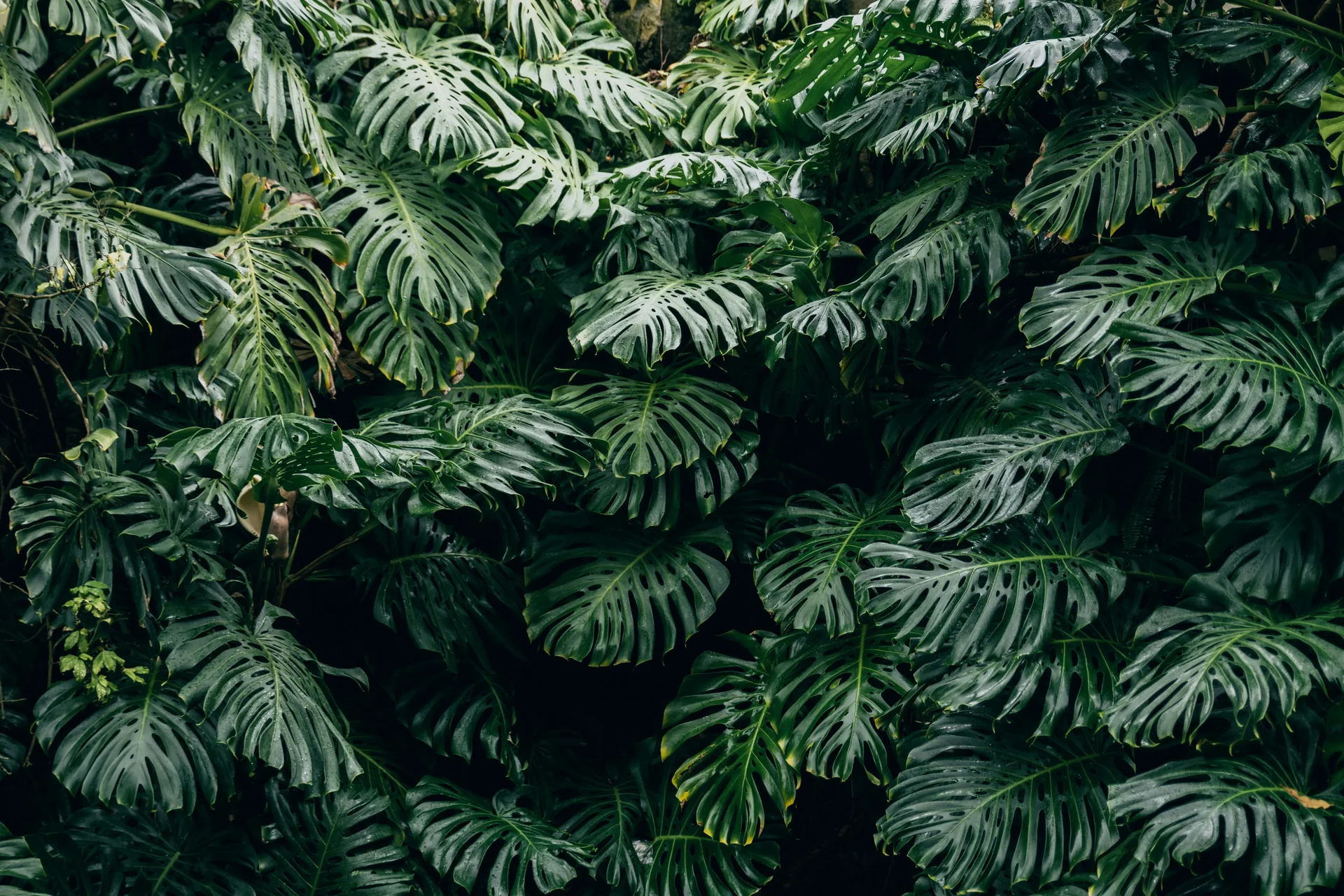
The Monstera Deliciosa, famously known as the Swiss Cheese Plant, continues to dominate the houseplant world. Renowned for its massive, fenestrated (holey) leaves, it brings an immediate jungle aesthetic to any room. While wild forms climb dozens of feet up rainforest trees, indoors they are incredibly adaptable, provided you give them a sturdy support structure.
Why You Need a Moss Pole
Monsteras are epiphytic vines, meaning they naturally climb up trees rather than growing like a bush. If left unsupported, your Monstera will sprawl horizontally across the floor and produce smaller leaves. Providing a moss pole or coco coir stake allows the aerial roots to grab on. Once the plant feels structurally secure, it responds by pushing out significantly larger, highly fenestrated leaves.
Recommended next actions
Next Best Actions
Use calculators and guides to turn this plant profile into a practical care routine.
Guide
Monstera Deliciosa Care: Watering, Light & Growth Tips
After growing and troubleshooting Monstera deliciosa plants across nine years and multiple home environments, we've mapped out exactly what this iconic climbing aroid needs to produce large, dramatically split leaves indoors.
Guide
Thai Constellation Monstera Care: Variegation Guide
Having cultivated and propagated over 100 rare Monsteras over the past 7 years, we have developed a proven method for maximizing the growth and stable variegation of the highly sought-after Thai Constellation Monstera.
Calculator
Plant Humidity Calculator: Right Levels for Tropical Plants
Assess your home's current humidity and get specific improvement recommendations for tropical houseplants like Calatheas, Orchids, and Ferns.
Calculator
Repotting Calculator: Does Your Plant Need a Bigger Pot?
Find out if your plant needs repotting now and get the correct new pot size based on species, current pot size, and root health indicators.
Guide
Humidity Tray vs Humidifier: Which Works Better?
With over 14 years of indoor climate management across more than 1,800 diagnosed humidity-failure cases — from browning Calathea tips in air-conditioned apartments to crisping Alocasia leaves during dry winters — we've measured exactly how much humidity each method actually delivers at leaf level, and the gap is larger than most plant owners expect.
Calculator
Mulch Calculator: How Much Bark or Chips Do You Need?
Know exactly how many bags or cubic yards of mulch to buy. Save money and time with precise calculations for any garden shape.
Structured Plant Data
Plant Data Profile
Care values below are generated from the plant JSON fields so users and crawlers can read the structured plant profile directly on the page.
Growth Characteristics
Growth Rate
fast
Mature Height
6-10 feet indoors (climber)
Mature Spread
3-5 feet
Life Cycle
Perennial
Flowering Season
Rare indoors
Container Friendly
yes
Indoor Capable
yes
Environmental Parameters
| Parameter | Recommended | Survivable |
|---|---|---|
| Temperature | 65-85°F (18-29°C) | 55-90°F (13-32°C) |
| Humidity | 60%+ | 40-80% |
| Soil PH | 5.5-7.0 | 5.0-7.5 |
Lighting
Description
Prefers bright, indirect light. Direct morning sun is great, but harsh afternoon sun will scorch the leaves. Low light leads to small, solid leaves without holes.
Nutrients
Nitrogen Demand
high
Phosphate Demand
medium
Potassium Demand
medium
Micronutrient Notes
Requires a complete profile (like a 9-3-6 Foliage Pro) during active growth to support massive leaf expansion.
Fertilizer Frequency
Feed every 2 weeks during spring/summer. Reduce to once a month or stop entirely in winter.
Organic Options
Top dress with earthworm castings.