How Do I Attract Pollinators Like Bees and Butterflies to My Garden?
Pollinators need more than pretty flowers. This guide shows how to plant for nectar, pollen, shelter, and a long bloom season so bees and butterflies keep coming back. Create a habitat, not just a display.
Quick Answer
Plant a diverse mix of nectar-rich flowers that bloom from spring through fall, avoid broad-spectrum pesticides, add shallow water sources and shelter, and plant in clumps rather than single scattered flowers. Native plants are excellent choices, but many non-natives also support pollinators. Provide a variety of flower shapes to attract different species, and leave some bare ground or dead stems for nesting habitat.
Key Takeaways
- Plant native flowering perennials that provide staggered, season-long blooms.
- Eliminate broad-spectrum chemical insecticides across garden spaces.
- Provide shallow water sources with landing stones for visiting insects.
- Incorporate diverse floral morphologies to support various pollinator species.
Pollinators come to gardens that offer food, shelter, and a long bloom window. The best gardens have a range of flower shapes and bloom times so something is always open. Native plants are often strong choices because local bees and butterflies recognize them, but many non-natives can still help if they provide nectar and pollen. Over the years, I have transformed my suburban yard from a lawn into a buzzing, fluttering haven. I started with a few bee balm plants and was amazed at the variety of insects they attracted. Now I have butterflies, bumblebees, solitary bees, and even hummingbirds. The key is not just planting flowers—it is designing a habitat that meets pollinators' needs throughout their lifecycle. This guide will show you how to create a garden that pollinators will flock to and keep coming back to.
Key Takeaways
- Diversity and continuous bloom from spring to fall are more important than any single plant.
- Plant in drifts or clumps of at least 3–5 of the same species to make it easy for pollinators to find.
- Native plants are highly valuable, but many well-chosen non-natives also provide nectar and pollen.
- Avoid broad-spectrum insecticides; use targeted, pollinator-safe alternatives when needed.
- Provide shallow water sources (like a birdbath with pebbles) for bees and butterflies.
- Leave some bare ground, dead stems, and leaf litter to support nesting and overwintering.
- Different pollinators are attracted to different flower shapes—include a mix of tubular, open, and clustered flowers.
Introduction
If you have ever watched a bee bumble from flower to flower or a butterfly flutter across your garden, you know the magic they bring. But pollinators are not just beautiful; they are essential. About 75% of flowering plants and over 35% of global food crops depend on pollinators. Yet pollinator populations are declining due to habitat loss, pesticides, and climate change. By creating a pollinator-friendly garden, you are not only helping these vital creatures but also enhancing your own garden's health and productivity. More pollination means more fruits, vegetables, and seeds. And the beauty of a garden alive with activity is unmatched. This guide will take you step-by-step through the process of designing, planting, and maintaining a garden that attracts and supports bees, butterflies, and other beneficial insects.
Why It Matters
Pollinators are responsible for the reproduction of most flowering plants. Without them, many of our favorite foods—apples, blueberries, almonds, tomatoes, pumpkins—would be scarce or non-existent. Beyond food, they support healthy ecosystems by helping wild plants reproduce, which in turn provides food and shelter for wildlife. By supporting pollinators, you are investing in biodiversity and ecological resilience. Moreover, a garden teeming with pollinators is a sign of a healthy environment. It is also a joy to observe—watching the intricate dance between flower and insect is endlessly fascinating. For gardeners, attracting pollinators also means better yields in vegetable and fruit gardens. Whether you have a sprawling yard or a small balcony, you can make a difference.
Science Behind It
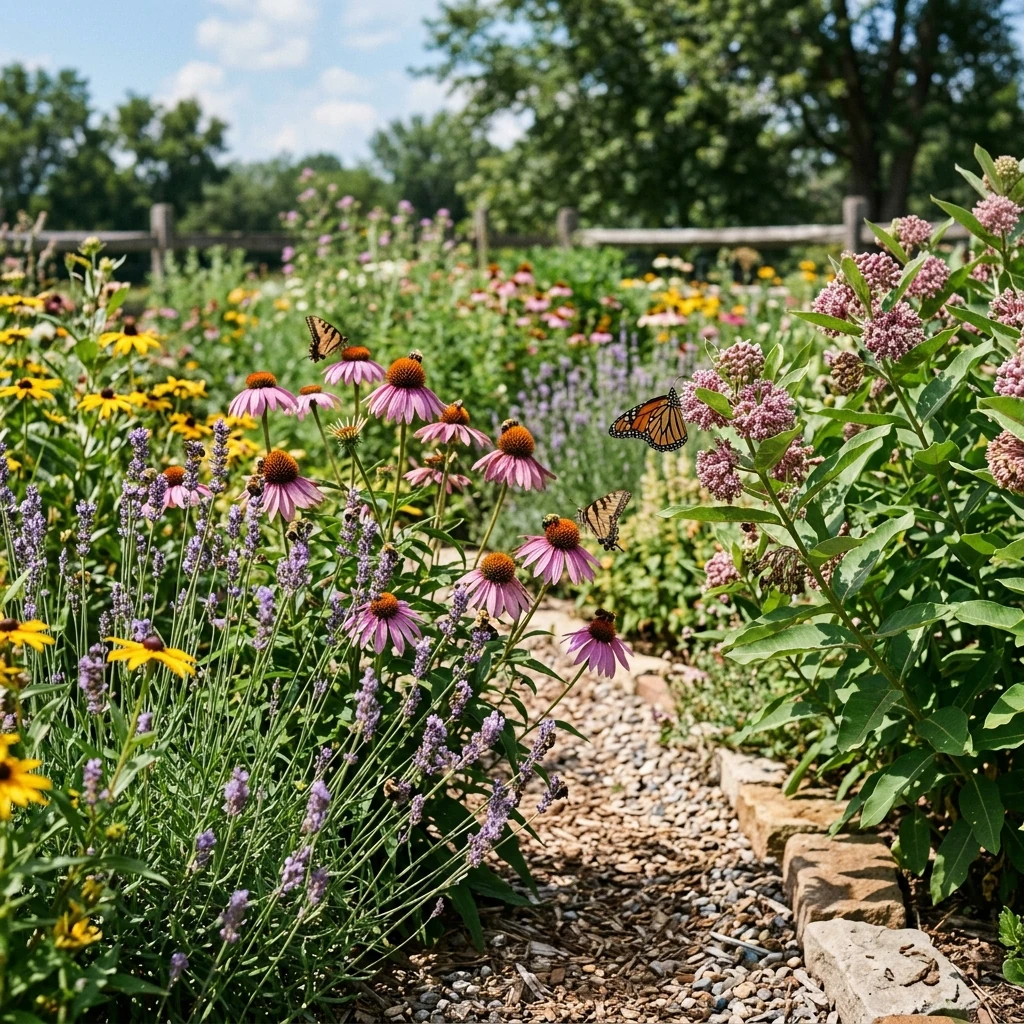
Pollinators are attracted to flowers based on several cues: colour, scent, shape, and nectar/pollen availability. Bees are particularly drawn to blue, purple, and yellow flowers, and they see ultraviolet patterns that guide them to nectar. Butterflies favor bright red, orange, pink, and purple flowers, and they often prefer flowers with flat, open landing pads (like daisies) or clusters of small flowers (like milkweed). Flower shape matters: tubular flowers (like penstemon) are preferred by long-tongued bees and hummingbirds; open, flat flowers are accessible to a wider range. Nectar is the carbohydrate reward; pollen provides protein and fats. The bloom time also matters: early spring flowers provide food for emerging queen bumblebees; late fall flowers sustain migrating monarchs and late-season bees. A garden that provides continuous bloom from early spring to frost will support the entire pollinator community. Additionally, native plants often have co-evolved relationships with local insects, making them particularly effective, but many non-natives like lavender, sunflowers, and zinnias are also valuable.
Step-by-Step Guide
1. Assess your space and goals
Consider the size of your garden, sun exposure, and soil type. Most pollinator-friendly flowers need at least 6 hours of direct sunlight. Also, decide what you want to attract: bees, butterflies, or both. Bees are attracted to a wide range, while butterflies may prefer specific host plants for their caterpillars. You can design a garden that does both.
2. Choose a diverse mix of plants
Select at least 10–15 species that bloom in different seasons. Include early bloomers like crocus, hellebore, and willows; mid-season stars like coneflower (Echinacea), bee balm (Monarda), lavender, and salvia; and late bloomers like asters, goldenrod, and sedum. Include both native and well-adapted non-native species. For butterflies, include host plants like milkweed for monarchs, parsley for swallowtails, and fennel for black swallowtails.
3. Design for impact
Plant in drifts or clumps of at least 3–5 plants of the same species. This makes it easier for pollinators to spot the flowers and reduces their energy expenditure. Vary heights and flower shapes to attract different species. Consider the 'drift' style: masses of colour rather than a patchwork.
4. Provide water and shelter
Add a shallow water source—a birdbath with stones for landing, or a saucer filled with pebbles and water. Bees need shallow water; butterflies puddle on moist soil or mud. Provide shelter by leaving some bare ground for ground-nesting bees, dead stems for cavity-nesting bees, and piles of leaves or logs for overwintering insects. A butterfly house is less effective than natural shelter.
5. Avoid or minimize pesticides
Eliminate broad-spectrum insecticides like neonicotinoids, organophosphates, and pyrethroids. Use integrated pest management (IPM): encourage natural predators, use insecticidal soaps for specific pests (apply in evening), and accept some damage. If you must use a product, choose one with low toxicity to bees and apply when pollinators are not active (dusk or dawn).
6. Maintain your garden
Water during dry spells, deadhead to prolong blooming, and cut back spent growth in late winter or spring (not autumn) to preserve overwintering habitat. Avoid over-mulching—leave some bare soil for ground-nesting bees. Divide perennials as needed.
Climate Considerations
Your climate influences which pollinator plants will thrive and when they bloom. In cold climates (USDA zones 3–5), choose hardy perennials that survive winter and provide early spring bloom. In warm climates (zones 8–10), you can grow a wider range of subtropical and tropical plants, but also need to ensure water availability during dry spells. In Mediterranean climates, drought-tolerant plants like lavender, rosemary, and ceanothus are excellent. In humid climates, choose disease-resistant varieties to avoid fungal issues. In oceanic climates (UK, Ireland), prioritize plants that tolerate cool, damp conditions, like foxglove, hebe, and scabious. Always select plants suited to your local soil and rainfall patterns; native plants are your best guide.
| USDA Zone | Typical Climate | Recommended Pollinator Plants | Notes |
|---|---|---|---|
| 3–5 | Cold winters, short season | Bee balm, coneflower, black-eyed Susan, aster, goldenrod, lupine, penstemon | Choose early bloomers and cold-hardy perennials; provide winter protection |
| 6–7 | Moderate winters, longer season | Lavender, salvia, echinacea, phlox, butterfly bush (non-native), coreopsis | Many natives and non-natives do well; ensure summer watering |
| 8–9 | Mild winters, warm summers | Lantana, buddleja, gaillardia, liatris, pentas, annual sunflowers | Watch for drought; use mulch to retain moisture |
| 10+ | Warm to hot, frost-free | Bougainvillea, passionflower, hibiscus, desert willow, and many tropicals | Provide shade in extreme heat; water deeply but infrequently |
Seasonal Advice
Spring: Ensure early bloomers are in place to feed emerging queen bees and early butterflies. Plant spring bulbs and perennials. Summer: This is peak pollinator season; keep water sources filled and deadhead flowers to encourage continuous bloom. Autumn: Late-flowering plants are critical for migrating monarchs and preparing bees for winter. Avoid cutting back dead stems until late winter; they provide nesting sites. Winter: Leave leaf litter and stems for overwintering insects. Plan and order seeds for spring planting.
Common Mistakes
- Planting only a few species or all at the same bloom time—creates a feast-or-famine situation.
- Using plants that are primarily ornamental but offer little nectar or pollen (e.g., double-flowered cultivars).
- Over-mulching, which blocks ground-nesting bees from accessing bare soil.
- Using pesticides indiscriminately, even 'organic' ones like neem oil can harm pollinators if misapplied.
- Forgetting water sources—bees and butterflies need water too.
- Not providing host plants for butterflies—if you want butterflies, you need plants for caterpillars.
Maintenance Schedule
- Spring: Cut back old stems to ground level (or leave some for nesting bees if you did not in winter); add compost; plant new perennials and annuals; install water sources.
- Summer: Water during dry spells; deadhead flowers to extend bloom; monitor pests and use targeted controls if needed; add more water if needed.
- Autumn: Leave seed heads for birds; allow some flowers to go to seed; do not cut back dead stems; add leaf litter for habitat.
- Winter: Plan and order seeds; clean and refill water sources; avoid disturbing nesting sites.
Buying Guide
When buying plants, look for nursery-grown, pesticide-free specimens. Choose plants that are well-adapted to your area—native plant sales are great sources. Avoid plants treated with systemic insecticides (often labeled as 'neonicotinoid-free' if you ask). For seeds, choose species that are known to be good nectar sources. Also, consider buying from local growers who use sustainable practices. For butterfly host plants, buy enough to support caterpillars—they will eat leaves, so plant extra.
| Season | Plant Name | Flower Shape | Best For | Native Region |
|---|---|---|---|---|
| Spring | Crocosmia | Tubular | Hummingbirds, long-tongued bees | Africa (non-native but attractive) |
| Spring | Lupine | Pea-like | Bumblebees | North America |
| Spring | Pussy willow | Catkins | Early bees | North America, Eurasia |
| Summer | Bee balm (Monarda) | Cluster of tubes | Bees, butterflies, hummingbirds | North America |
| Summer | Echinacea | Open daisy | Bees, butterflies | North America |
| Summer | Lavender | Spikes | Bees, butterflies | Mediterranean |
| Summer | Butterfly bush (Buddleja) | Panicles | Butterflies, bees | Asia (non-native) |
| Late Summer | Goldenrod | Plumes | Bees, butterflies, wasps | North America |
| Fall | Aster | Daisy | Bees, butterflies (migrants) | North America |
| Fall | Sedum (stonecrop) | Clusters | Bees, butterflies | North America, Eurasia |
Expert Tips
I have found that the simplest way to attract pollinators is to plant a mix of native wildflowers and herbs. I have a patch of wild bergamot (Monarda) that is constantly buzzing with bees, and my milkweed is always covered in monarch caterpillars. Also, I leave a few patches of bare soil for ground-nesting bees—they need it. I also use a shallow dish with pebbles and water for bees to land on. Finally, I have stopped using any chemical pesticides; I accept a few holes in leaves in exchange for a vibrant, alive garden. It is worth it.
Common Myths
- Myth: Only native plants attract pollinators. Reality: Many non-natives are excellent nectar sources; just ensure they are not invasive.
- Myth: Butterfly bushes are the best for butterflies. Reality: They are good for nectar, but they do not support caterpillars; plant host plants too.
- Myth: All pesticides are safe for pollinators. Reality: Even organic ones can harm if misused; always follow labels and apply at low-risk times.
- Myth: A tidy garden is a healthy garden. Reality: Some mess (dead stems, leaf litter) provides crucial habitat.
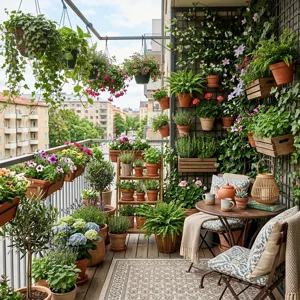
- Myth: You need a large yard to help pollinators. Reality: Even a window box or small balcony with potted plants can make a difference.
When NOT To
- Do not plant invasive species even if they attract pollinators—they can harm local ecosystems.
- Do not use pesticides during bloom time—this is when pollinators are most active.
- Do not plant only exotic plants if you want to support specialist bees—some bees only feed on natives.
- Do not forget about host plants—butterflies need them to complete their lifecycle.
- Do not overwater—some native plants are adapted to dry conditions and may rot.
Decision Guide
| Your Goal | Recommended Plants | Additional Features |
|---|---|---|
| Attract bees | Lavender, salvia, echinacea, bee balm, goldenrod, sunflowers | Blue, purple, yellow flowers; provide nesting sites (bare soil, bee house) |
| Attract butterflies | Milkweed, butterfly bush, coneflower, black-eyed Susan, asters, lantana | Bright red, orange, pink flowers; include host plants for caterpillars |
| Attract both bees and butterflies | Coreopsis, phlox, sedum, zinnias, yarrow, and herbs (thyme, oregano) | Diverse flower shapes and continuous bloom |
| Support monarchs specifically | Milkweed (all species), goldenrod, aster, ironweed | Plant milkweed as host; provide late-season nectar for migration |
| Small space (balcony/container) | Dwarf varieties of lavender, salvia, zinnias, petunias, herbs | Use pots with drainage; group containers for impact |
Troubleshooting
| Issue | Likely Cause | Solution |
|---|---|---|
| Few pollinators visiting | Not enough bloom variety or no early/late bloomers | Add more species with different bloom times; plant in larger clumps |
| Butterflies but no caterpillars | Missing host plants | Add host plants like milkweed, parsley, fennel, or dill |
| Bees drowning in water | Water too deep | Add pebbles or a ramp for landing; use a shallow dish |
| Plants being eaten by pests | Common in any garden | Use IPM; hand-pick pests; accept minor damage; plant extra for wildlife |
| Mold or mildew on leaves | Poor air circulation, humid climate | Space plants; choose disease-resistant varieties; water at base |
Frequently Overlooked Facts
Many people do not realise that bees need water just as much as flowers. Also, not all bees are social; 70% of native bees are solitary and nest in the ground or in hollow stems. By leaving bare soil and dead stems, you provide crucial nesting habitat. Another overlooked point is that moths are also important pollinators, especially at night; planting night-blooming flowers like evening primrose and moonflower can attract them. Finally, the colour of flowers matters: bees see ultraviolet; they are attracted to blues and purples; butterflies prefer bright colors like red and orange.
Common Myths
- Myth: All bees are aggressive. Reality: Most solitary bees are gentle and rarely sting.
- Myth: You need a huge garden to attract pollinators. Reality: Even small gardens can be designed to attract pollinators with the right plant selection.
- Myth: Pollinators only need nectar. Reality: They also need pollen for protein, host plants for larvae, and nesting sites.
- Myth: Once you plant, the job is done. Reality: Ongoing maintenance and seasonal adjustments are needed.
- Myth: All butterflies are beneficial. Reality: Some caterpillars can damage crops, but they are an important part of the ecosystem.
Summary
Attracting pollinators to your garden is about creating a complete habitat—not just planting a few pretty flowers. Provide a diverse array of nectar and pollen sources that bloom from early spring to late fall. Include host plants for butterflies, shallow water sources, and nesting sites like bare soil and dead stems. Avoid pesticides, embrace some imperfection, and you will be rewarded with a garden buzzing with life. Whether you have a small balcony or a large yard, every pollinator-friendly garden makes a difference. Start small, observe, and expand. Your plants and the pollinators will thank you.
Recommended next actions
Next Best Actions
Move from reading to action with related calculators, plant profiles, and quiz-based recommendations.
Guide
Growing Fruit Trees in Containers: Complete Guide
Fruit trees can grow in pots if you choose the right variety and give them enough light, root space, and care. This guide explains which trees are realistic for containers and how to keep them productive and healthy.
Guide
Apartment Balcony Garden: Complete How-To Guide
A balcony can become a productive garden if you plan for sun, wind, weight, and water. This guide helps apartment growers build a space that looks good and actually works, with practical advice from an experienced urban gardener.
Frequently Asked Questions
What flowers attract bees and butterflies?
Do pollinators need native plants?
Should I avoid pesticides for pollinators?
How do I support pollinators all season?
Do bees need water in the garden?
What is the best flower shape for butterflies?
How do I attract butterflies specifically?
Can I have a pollinator garden in a small space?
Do pollinators need shelter?
Should I leave dead plant stems for bees?
What is the best time to plant pollinator flowers?
Are all bees and butterflies equally attracted to the same plants?
Explore More