What's the Difference Between Annual and Perennial Plants?
Annuals and perennials are not just labels on a plant tag. This guide explains what those words mean, how they affect your garden, and why climate changes the answer. Learn to choose wisely for your space and goals.
Quick Answer
Annual plants complete their life cycle in one growing season—they sprout, flower, set seed, and die within a year. Perennials live for multiple years, regrowing from the same root system each season. In colder climates, some perennials behave like annuals because they cannot survive winter, so they are often replanted yearly. Choose annuals for fast, continuous color and variety; choose perennials for long-term structure and less replanting.
Key Takeaways
- Understand that annuals complete their full lifecycle in a single season.
- Recognize that perennials persist and regrow over multiple successive years.
- Use annuals for continuous, high-impact seasonal floral color.
- Incorporate perennials to build long-term landscape and garden structure.
Annuals and perennials are defined by how long they live and whether they return after flowering. Annuals germinate, grow, flower, set seed, and die in one season. Perennials live for multiple years and usually come back from the same root system each season. Climate matters because a perennial in one zone may behave like an annual in a colder one. When I first started gardening, I thought perennials were just 'plants that come back' and annuals were 'plants that die.' But the truth is more nuanced—and understanding the difference can save you money, time, and disappointment. I have planted tender perennials like pelargoniums in my garden, only to lose them to frost, and I have watched self-seeding annuals like calendula pop up year after year, behaving almost like perennials. This guide will help you make informed decisions based on your climate, goals, and the look you want.
Key Takeaways
- Annuals complete their life cycle in one season; perennials live for three or more years.
- Climate, especially winter hardiness, dictates whether a perennial survives outdoors year-round.
- Some plants are grown as annuals in cold regions but are perennial in warmer zones.
- Annuals provide instant, vibrant color and are great for filling gaps.
- Perennials build a stable garden framework and often require less maintenance once established.
- Biennials (like foxgloves) take two years to complete their cycle and bridge the gap.
- Using a mix of both gives you a dynamic, season-long display with structure.
Introduction
If you have ever stood in a garden centre staring at plant labels, you have likely seen the words 'annual' and 'perennial' and wondered what they really mean for your garden. The distinction is not just botanical jargon—it directly affects how you plan, plant, and maintain your garden. Annuals are the workhorses of seasonal color, filling borders and containers with non-stop blooms. Perennials are the anchors, providing structure, foliage, and returning beauty year after year. But the line between them is not always clear: a plant that is perennial in Florida may be annual in Maine. This guide demystifies these terms, shows you how they work in different climates, and gives you the tools to choose the best plants for your garden.
Why It Matters
Understanding the lifecycle of your plants influences everything from your budget to your garden's aesthetic. Annuals need to be replanted each year, which can be costly and time-consuming, but they offer unparalleled color and flexibility. Perennials are a long-term investment; they may cost more upfront but pay off over time with less replanting. They also develop deep root systems that improve soil structure and drought tolerance. Knowing which plants are which helps you avoid disappointment—for example, expecting a tender perennial to survive a harsh winter, or being surprised when a self-seeding annual returns. It also guides your maintenance: annuals often need deadheading to keep blooming, while perennials may need division after a few years.
Science Behind It
The difference between annuals and perennials is rooted in plant evolution and physiology. Annuals have a rapid growth strategy: they germinate, flower, and produce seeds in a single season, ensuring their genetic continuity through seed. They do not invest energy in long-term storage organs like bulbs or woody roots. Perennials, on the other hand, invest in root systems, rhizomes, or bulbs that allow them to survive cold winters, dry summers, or other adverse conditions. They often have a period of dormancy when growth stops and metabolism slows. The timing of flowering is controlled by hormones and day length (photoperiod). Many perennials bloom for a shorter period than annuals but often put on a spectacular show. There is also a third category: biennials, like foxgloves and hollyhocks, which take two years to complete their cycle—vegetative growth the first year, flowering and seed production in the second. Understanding these patterns helps you plan a garden that has interest throughout the season.
Step-by-Step Guide
1. Assess your climate and hardiness zone
Check your USDA Hardiness Zone or equivalent (e.g., in UK, RHS hardiness ratings). This tells you which perennials are reliably hardy in your area. If a perennial is only hardy to zone 7 and you are in zone 5, it will be killed by winter and act as an annual unless you protect it.
2. Define your garden goals
Decide what you want: a garden that looks different every year (annuals), a stable structure with seasonal highlights (perennials), or a combination. If you love experimenting with new colors, annuals are ideal. If you prefer low-maintenance and reliable returns, lean towards perennials.
3. Choose your plants
Select annuals for containers, hanging baskets, and filling bare spots. Choose perennials for borders, backdrops, and ground covers. Consider bloom time: mix early, mid, and late-season perennials for continuous interest. Combine annuals to extend the color beyond perennial bloom periods.
4. Plan your planting
Plant perennials in spring or fall, when the soil is moist and temperatures are moderate. Annuals are usually planted after the last frost date in spring. Prepare the soil with compost and ensure good drainage. Space plants according to their mature size to avoid overcrowding.
5. Provide ongoing care
Water deeply and regularly during establishment. Mulch to retain moisture and suppress weeds. For annuals, deadhead to encourage more blooms. For perennials, cut back spent foliage in autumn or spring, and divide overgrown clumps every 3–5 years to maintain vigour.
6. Evaluate and adjust
At the end of the season, note which plants performed well. Consider swapping out annuals you did not like, and divide or move perennials that have outgrown their space. Keep a garden journal to track what works.
Climate Considerations
Climate is the biggest factor in how annuals and perennials perform. In warm climates (USDA zones 8–10), many perennials are evergreen or die back only briefly, while annuals may self-seed freely and act like perennials. In cold climates (zones 3–5), perennials must be fully hardy to survive freezing temperatures; tender perennials like geraniums, fuchsias, and dahlias must be dug up and stored indoors or treated as annuals. In Mediterranean climates, perennials often thrive with minimal water once established, while annuals may need irrigation during dry summers. In oceanic climates (UK, Ireland, Pacific Northwest), the mild, wet winters allow many perennials to survive, but summer coolness can limit annual growth. Always check the hardiness rating of perennials and be realistic about what will survive your winters. In borderline zones, you can provide winter protection with mulch or fleece, or grow perennials in containers that can be moved to shelter.
| USDA Zone | Typical Winters | Perennial Survival | Annuals in this Zone |
|---|---|---|---|
| 3–4 | Very cold, long | Only fully hardy perennials survive (e.g., peonies, daylilies) | Most tender perennials grown as annuals; hardy annuals do well |
| 5–6 | Cold, moderate | Many perennials hardy; some marginal ones need protection | Annuals thrive in summer; some may self-seed |
| 7–8 | Mild to cool | Most perennials survive; some evergreens | Annuals grow well; self-seeding common |
| 9–10 | Warm, mild frosts | Nearly all perennials survive; tropicals may be perennial | Annuals may live multiple seasons or self-seed prolifically |
Seasonal Advice
Spring: Plant new perennials and sow hardy annuals. Divide overgrown perennials. Summer: Water and deadhead annuals; support tall perennials. Fall: Plant spring-blooming perennials (e.g., peonies, irises) and sow biennials. Cut back spent perennial foliage if desired. Winter: In cold climates, protect borderline perennials with mulch or burlap; in mild climates, enjoy winter-blooming perennials. Annuals are usually finished after frost; collect seeds if you want to save them for next year.
Common Mistakes
- Planting a tender perennial in a cold zone and expecting it to return (e.g., planting tropical hibiscus in zone 5).
- Assuming all perennials are low maintenance—they still need watering, fertilizing, and occasional division.
- Not deadheading annuals, leading to reduced flowering and early seed set.
- Planting perennials too close together, ignoring their mature size.
- Choosing annuals that do not suit your climate (e.g., heat-loving plants in cool summers).
- Ignoring the bloom time of perennials—if all bloom in June, you will have a dull garden for the rest of the season.
Maintenance Schedule
- Annuals: Regular watering, deadheading every 1–2 weeks, occasional fertilizing (every 2–4 weeks), and replacing after frost.
- Perennials: Water during dry spells, cut back dead foliage in spring or fall, divide every 3–5 years, mulch annually, and fertilize in spring.
- Both: Weed control, pest monitoring, and soil testing every few years.
Buying Guide
When buying plants, check the label for hardiness zone, sun exposure, and mature size. For perennials, invest in healthy specimens with well-developed root systems; they are worth the extra cost. For annuals, buy compact, bushy plants rather than tall, leggy ones. Consider starting annuals from seed for a wider variety and lower cost. Many perennials are also available as bare-root or plug plants, which are cheaper and establish well. Read reviews and choose reputable nurseries.
| Item | Annuals (3-year total) | Perennials (3-year total) | Comment |
|---|---|---|---|
| Initial plant purchase (10 plants) | $30–60 (seedlings) | $100–200 (larger plants) | Perennials cost more upfront |
| Replacement each year | $30–60 per year | $0–20 (if some fail) | Annuals need yearly purchase |
| Soil amendments (compost, mulch) | $15 per year | $15 per year | Similar |
| Water and fertilizer | Higher (annuals are thirstier) | Lower (established perennials are drought-tolerant) | Annuals may need more watering |
| Labor (planting, maintenance) | Higher (planting yearly, deadheading) | Lower (less replanting, some division) | Annuals are more labor-intensive |
| Total over 3 years | $150–255 | $145–265 | Costs can be similar; perennials may even out over time |
Expert Tips
One tip I have learned is to use annuals as 'fillers' in a perennial border. They fill gaps while perennials mature and can be swapped out each season for a new look. I also recommend planting perennials in groups of odd numbers (3, 5, 7) for a natural look. For a long-lasting display, combine early spring bulbs, mid-season perennials, and late-summer annuals. Do not be afraid to experiment—if a perennial does not return, you can always replace it with something better adapted. Also, consider native perennials; they are often more resilient and support local wildlife.
Common Myths
- Myth: Perennials bloom all summer. Reality: Most have a specific bloom period; choose a mix for extended bloom.
- Myth: Annuals are always more colorful. Reality: Some perennials, like peonies and irises, have spectacular blooms.
- Myth: Perennials never need replacing. Reality: They may decline after several years and need division or replacement.
- Myth: You can plant annuals anytime. Reality: They need warm soil and frost-free conditions.
- Myth: All perennials are hardy in your zone. Reality: Check the hardiness rating; many are zone-specific.
When NOT To
- Do not choose perennials if you plan to move in a year—annuals give you immediate impact without long-term commitment.
- Do not plant tender perennials in cold zones unless you are prepared to lift and store them—it is more work.
- Do not rely solely on annuals for structure—they are ephemeral; perennials provide bones.
- Do not ignore your soil type—some perennials need specific pH or drainage; annuals are often more forgiving.
- Do not plant annuals too early—they will be stunted by cold and may not recover.
Decision Guide
| If you want... | Choose Annuals | Choose Perennials | Why |
|---|---|---|---|
| Instant, vibrant color | Yes | Limited | Annuals bloom profusely soon after planting |
| Long-term investment | No | Yes | Perennials return year after year |
| Low maintenance once established | No | Yes | Perennials need less replanting |
| Variety and experimentation | Yes | Limited | Annuals offer endless varieties and color combos |
| A garden that changes each year | Yes | No | Annuals let you redesign each season |
| Wildlife and pollinator support | Both | Both | Many annuals and perennials attract pollinators |
Troubleshooting
| Problem | Likely Cause | Fix |
|---|---|---|
| Annuals stop blooming early | Lack of deadheading or heat stress | Deadhead regularly; water consistently; provide afternoon shade |
| Perennials flop over | Over-fertilization or too much shade | Reduce nitrogen; stake or use plant supports; move to sunnier spot |
| Perennials do not return | Winter damage or poor drainage | Check hardiness; improve soil drainage; provide winter mulch |
| Annuals are leggy and sparse | Insufficient light or overcrowding | Space plants properly; relocate to sunnier area |
| Perennials decline after a few years | Overcrowding, nutrient depletion | Divide clumps; top-dress with compost; fertilize sparingly |
Frequently Overlooked Facts
Many gardeners do not realise that some annuals are actually tender perennials in their native climates—for example, impatiens and geraniums are perennial in tropical regions but grown as annuals in temperate zones. Also, biennials are often misidentified; they need two seasons and can surprise you if you remove them after the first year. Another overlooked point is that self-seeding annuals (like nigella or poppies) can behave like perennials by returning from seed each year, creating a naturalized look without replanting. Finally, perennials are not necessarily lower maintenance; they still need division, deadheading, and seasonal cleanup.
Common Myths
- Myth: Perennials are always less work. Reality: They still need regular care, but less replanting.
- Myth: Annuals are a waste of money. Reality: They provide instant impact and variety; many gardeners consider them worth the investment.
- Myth: You cannot plant perennials in containers. Reality: Many perennials do well in pots, but they need winter protection in cold zones.
- Myth: All annuals are small. Reality: Some annuals, like sunflowers and castor beans, grow very tall.
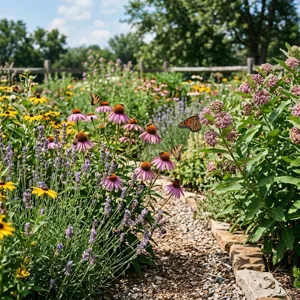
- Myth: Perennials only bloom for a short time. Reality: Some perennials, like coneflowers and black-eyed Susans, bloom for many weeks.
Summary
Understanding the difference between annuals and perennials is fundamental to successful gardening. Annuals give you non-stop color and flexibility, while perennials build structure and return each year. Climate dictates which perennials survive and how annuals perform. A balanced garden often combines both: perennials for the backbone, annuals for seasonal flair. By considering your climate, goals, and maintenance preferences, you can choose the right mix and enjoy a vibrant, ever-changing garden.
Recommended next actions
Next Best Actions
Move from reading to action with related calculators, plant profiles, and quiz-based recommendations.
Guide
Can You Grow Rare Plants in Your Climate? Complete Guide
Rare plants can work in the right climate or with the right indoor setup. Learn how to compare temperature, humidity, light, and seasons before buying, and discover when to use a greenhouse, tent, or cabinet.
Guide
Apartment Balcony Garden: Complete How-To Guide
A balcony can become a productive garden if you plan for sun, wind, weight, and water. This guide helps apartment growers build a space that looks good and actually works, with practical advice from an experienced urban gardener.
Guide
How Do I Attract Bees and Butterflies to My Garden?
Pollinators need more than pretty flowers. This guide shows how to plant for nectar, pollen, shelter, and a long bloom season so bees and butterflies keep coming back. Create a habitat, not just a display.
Frequently Asked Questions
What makes a plant annual or perennial?
Can a perennial act like an annual?
Are annuals easier to grow?
Do perennials come back every year?
Which is better for beginners?
How long do perennial plants live?
Do annuals self-seed and come back?
What is a biennial plant?
Can I plant annuals and perennials together?
How do I know if a plant is annual or perennial?
Do perennials bloom all season?
Explore More