How Do I Create a Balcony Garden in an Apartment?
A balcony can become a productive garden if you plan for sun, wind, weight, and water. This guide helps apartment growers build a space that looks good and actually works, with practical advice from an experienced urban gardener.
Quick Answer
Start by checking light, wind, weight limits, and water access. Then use lightweight or appropriate containers, hanging planters, and a mix of ornamental and edible plants that match your balcony conditions. Prioritize safety, good drainage, and a layout that makes watering easy. Herbs, leafy greens, compact vegetables, and many flowers thrive in balcony gardens.
Key Takeaways
- Calculate balcony load limits and select lightweight composite containers.
- Assess sun exposure patterns and provide windbreaks for exposed balconies.
- Ensure containers have functional drainage trays to manage excess runoff.
- Group plants by water demand to streamline outdoor container maintenance.
An apartment balcony can be an excellent garden if you account for the conditions that make balconies different from yards. Wind is stronger, containers dry faster, and weight limits matter. The best setup starts with measuring sunlight and thinking about how the space will be used before buying plants. Over the years, I have helped many friends transform their tiny, bare balconies into lush green retreats. One friend had a windy, west-facing balcony that baked in the afternoon sun; we chose drought-tolerant succulents and a windbreak screen, and now it is a thriving oasis. Another had a shady, north-facing balcony where ferns and impatiens flourished. The key is to work with your specific conditions, not against them. This guide will take you through every step, from assessing your space to choosing the right plants and maintaining your balcony garden, so you can enjoy a piece of nature right outside your apartment.
Key Takeaways
- Assess your balcony's sunlight, wind exposure, weight capacity, and access to water before buying anything.
- Choose lightweight containers (plastic, fabric, or foam) for safety and ease of movement, but ensure they are stable enough to resist wind.
- Select plants suited to your microclimate: sun-lovers for bright balconies, shade-tolerants for dark ones, and wind-resistant varieties for exposed spots.
- Use vertical space with shelves, railing planters, and hanging baskets to maximize growing area.
- Plan for easy watering: group plants, use self-watering containers, or install a drip irrigation system if allowed.
- Consider weight distribution; place heavier pots near structural walls and spread weight evenly.
- Expect to water more frequently than in a garden—balcony containers dry out fast.
- Check building rules regarding weight, railings, and water runoff before starting.
Introduction
Living in an apartment often means sacrificing outdoor space, but a balcony can become a surprising garden haven. Whether you have a tiny juliet balcony or a spacious terrace, you can grow flowers, herbs, vegetables, and even small fruit trees in containers. Balcony gardening is not just about aesthetics; it improves air quality, provides fresh produce, and boosts mental well-being. However, balconies present unique challenges: high winds, reflected heat, limited space, and weight restrictions. With careful planning and the right techniques, you can overcome these obstacles and create a flourishing garden that enhances your living space. This guide covers everything from initial assessment to ongoing care, ensuring your balcony garden thrives.
Why It Matters
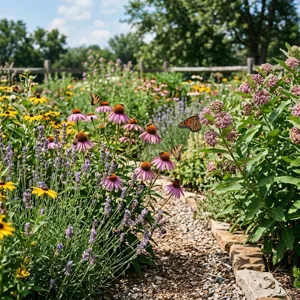
Balcony gardens bring nature into urban environments where green space is scarce. They allow you to grow your own food, reducing grocery bills and food miles. Even a small herb garden on a balcony can supply fresh basil, mint, and parsley for cooking. Beyond practical benefits, gardening is therapeutic; it reduces stress and provides a sense of accomplishment. A well-designed balcony garden also adds beauty and privacy, making your outdoor space more inviting. Furthermore, it supports urban biodiversity by attracting pollinators like bees and butterflies, even in cities. With climate change and urbanisation, balcony gardens are a small but meaningful way to contribute to a greener planet.
Science Behind It
Balconies create a unique microclimate. Buildings absorb and radiate heat, making balconies warmer than ground level in summer and cooler in winter. Wind speeds are often higher due to funneling between buildings. These factors affect plant water loss and growth. Sunlight varies: south-facing balconies get the most light, north-facing the least, and east/west receive morning or afternoon sun. Container plants are more vulnerable to temperature extremes because roots are above ground and not insulated by soil. Drainage is critical; excess water must escape to prevent root rot. The limited soil volume means nutrients are quickly depleted, so regular fertilizing is essential. Understanding these physical factors helps you choose appropriate plants and manage watering and feeding effectively.
Step-by-Step Guide
1. Assess your balcony's conditions
Observe sunlight at different times of day—how many hours of direct sun does it get? Is it mostly full sun (6+ hours), partial sun (3–6 hours), or shade (less than 3)? Note wind exposure: is it sheltered or windy? Check weight limits: most balconies can handle 25–50 kg per square metre (5–10 lb per sq ft), but verify with your building manager. Also, check water access: is there a spigot or will you carry water? These factors determine your plant choices and setup.
2. Plan your layout and design
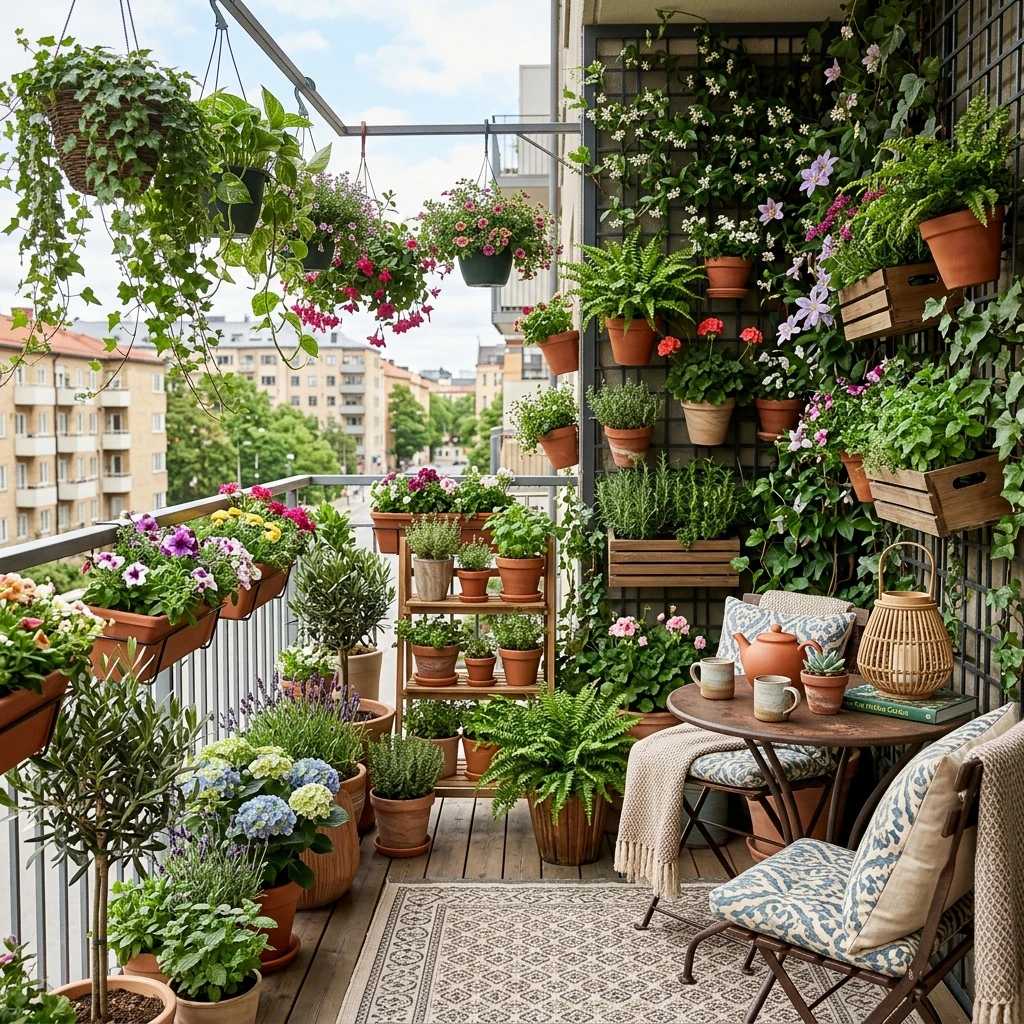
Sketch your balcony, noting dimensions, sun/shade patterns, railings, and existing features. Decide on zones: a seating area, a planting area, and possibly a vertical garden. Use vertical space with wall-mounted shelves, railing planters, and hanging baskets. Consider weight distribution: place heavier pots near load-bearing walls. Plan for accessibility: ensure you can reach all plants for watering and maintenance.
3. Choose containers wisely
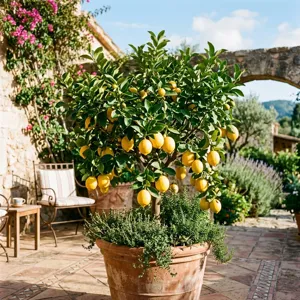
Select containers with drainage holes. Lightweight options like plastic, resin, or fabric grow bags are safer for weight restrictions. Terracotta and ceramic are heavier but provide stability in wind. For railings, use specialized railing planters that clamp securely. Consider self-watering containers to reduce watering frequency. Match container size to plant needs: herbs need 15–20 cm (6–8 in) depth; tomatoes and peppers need 30–45 cm (12–18 in); small trees need 50 cm (20 in) or more.
4. Select the right soil and amendments
Use a high-quality potting mix, not garden soil. Amend with perlite or pumice (about 20%) to improve aeration and drainage. For moisture retention, add coconut coir or water-absorbing polymers. For organic nutrition, mix in compost. Avoid soil that is too heavy or compacted. A good mix will hold moisture but not become waterlogged.
5. Pick plants that match your conditions
Choose plants based on light and wind tolerance. For sunny, windy balconies: succulents, lavender, rosemary, thyme, lantana, and portulaca. For sunny but sheltered: tomatoes, peppers, basil, marigolds, and petunias. For shade: ferns, impatiens, begonias, mint, and parsley. For partial sun: herbs like chives, oregano, and leafy greens. Always consider mature size; avoid plants that will outgrow the space.
6. Plant and arrange
Fill containers with your mix, plant at the same depth as they were in nursery pots, and water thoroughly. Group plants with similar water needs together. Place taller plants behind shorter ones, and position trailing plants near edges to spill over. Ensure good air circulation to prevent fungal issues.
7. Water and feed consistently
Balcony containers dry out faster than garden soil. Check moisture daily in warm weather; water when the top 2.5–5 cm (1–2 in) is dry. Water deeply until it drains. In summer, you may need to water twice daily. Use a watering can with a long spout or install a drip irrigation system. Feed every 2–4 weeks with a balanced liquid fertilizer during the growing season.
8. Protect from wind and weather
Install windbreaks like trellises, bamboo screens, or plexiglass panels to reduce wind damage. In winter, move tender plants indoors or wrap pots with bubble wrap to protect roots from freezing. Provide shade cloth in extreme heat if needed.
9. Maintain and adjust
Deadhead flowers to encourage blooms, prune herbs to promote bushiness, and remove dead leaves. Rotate pots occasionally for even light. Check for pests regularly. Repot if plants become root-bound. Keep a garden journal to track what works.
Climate Considerations
Your climate heavily influences your balcony garden success. In hot, dry climates (Mediterranean, southwestern US, interior Australia), choose drought-tolerant plants and use mulch to retain moisture. In cold climates (USDA zones 3–5), your balcony may freeze in winter; choose hardy perennials or bring plants indoors. In humid climates (southeastern US, parts of Australia), good air circulation is vital to prevent fungal diseases; space plants accordingly. In oceanic climates (UK, Ireland, Pacific Northwest), cooler summers and mild winters allow a wide range but watch for rain and mildew. For USDA zones, match plant hardiness to your zone; if you want to overwinter perennials, they must be rated for your zone or moved indoors. Always consider wind chill—wind can make a balcony feel much colder.
| Climate Type | Key Challenge | Recommended Solutions |
|---|---|---|
| Hot & dry (Mediterranean, desert) | High heat, low humidity, rapid drying | Use self-watering pots, mulch, drought-tolerant plants, shade cloth |
| Cold & snowy (continental) | Freezing roots, short growing season | Insulate pots, choose hardy perennials, move tender plants indoors |
| Humid & warm (subtropical) | Fungal diseases, pests | Ensure good airflow, use fungicides sparingly, avoid overwatering |
| Cool & rainy (oceanic) | Mildew, slugs, lack of heat for some crops | Use raised containers for drainage, choose cool-season crops |
Seasonal Advice
Spring: Start seeds indoors or buy young plants; prepare containers and soil; place frost protection if needed. Summer: Water frequently; fertilize; deadhead; harvest herbs and vegetables; watch for heat stress. Autumn: Clean up dead plants; reduce watering; move tender plants inside; plant cool-season crops like lettuce and spinach if you have a sheltered spot. Winter: Most balconies are dormant; protect any overwintering plants; plan for spring; clean and store unused pots.
Common Mistakes
- Underestimating wind—choosing plants that are not wind-tolerant, leading to broken stems and dried leaves.
- Overloading the balcony—using heavy containers without checking weight limits, risking structural damage.
- Poor drainage—containers without holes or using garden soil that compacts, causing root rot.
- Neglecting watering—balcony containers dry out much faster than ground beds; consistent monitoring is essential.
- Choosing plants that grow too large—not considering mature size, leading to overcrowding and poor health.
- Not checking building rules—some buildings restrict hanging planters or water runoff; fines could follow.
- Ignoring reflected heat—dark surfaces and walls radiate heat, scorching sensitive plants.
Maintenance Schedule
- Daily (summer): Check soil moisture; water if dry. Inspect for pests; remove dead leaves.
- Weekly: Turn pots for even growth; fertilize (if growing season); deadhead flowers; trim herbs.
- Monthly: Clean containers and saucers; check for root-bound plants; prune as needed.
- Seasonally: Repot or refresh soil; switch plants if needed; protect from extreme weather.
Buying Guide
When purchasing containers, choose lightweight yet sturdy materials like recycled plastic, resin, or fiberglass. Fabric grow bags are excellent for aeration and portability. Railing planters should have secure clamps. For soil, buy a high-quality potting mix and a bag of perlite. Tools: a watering can with a long spout, a hand trowel, pruning shears, and a moisture meter are useful. Plants: buy from reputable nurseries; choose disease-free specimens. Consider seed starting for cost savings. Budget: a basic balcony garden can start for $50–100; a more elaborate setup with multiple plants and self-watering containers can cost $200–500.
| Material | Weight | Durability | Moisture Retention | Cost | Best Use |
|---|---|---|---|---|---|
| Plastic | Light | Moderate (can crack) | Good | Low | Most plants; cost-effective |
| Resin/fiberglass | Light to medium | High | Good | Medium | Long-term, attractive |
| Terracotta (unglazed) | Heavy | High (can break) | Poor (wicks moisture) | Medium | Succulents; stable in wind |
| Glazed ceramic | Heavy | High | Good | High | Decorative, heavy, stable |
| Fabric grow bags | Light | Moderate (3–5 years) | Good (aerates roots) | Low | Vegetables, annuals |
Expert Tips
I always recommend starting with a few easy plants like herbs (basil, mint, parsley) and annual flowers (petunias, marigolds) to build confidence. Use a moisture meter to learn how quickly your containers dry out. Group pots together to create a microclimate and reduce drying. For wind, I use a bamboo screen zip-tied to the railing—it's inexpensive and effective. Also, place heavier pots on the floor and lighter ones on shelves or railings. Finally, check your building's rules before attaching anything to railings—some may require specific hardware or forbid it altogether.
Common Myths
- Myth: Balconies are too windy for plants. Reality: Many plants tolerate wind if you choose wind-resistant species and provide windbreaks.
- Myth: You need a large balcony to garden. Reality: Even a small railing can host herbs and flowers with hanging baskets and rail planters.
- Myth: Balcony plants don't need fertilizing. Reality: Container nutrients are depleted quickly; regular feeding is essential.
- Myth: You can't grow vegetables on a balcony. Reality: Compact vegetables like tomatoes, peppers, lettuce, and radishes do very well in containers.
- Myth: All balcony gardens need full sun. Reality: Many shade-loving plants thrive on north-facing balconies.
When NOT To
- Do not start a balcony garden if you have less than 2–3 hours of direct sunlight and no alternative light source—most plants will struggle.
- Do not use heavy containers if your balcony has a low weight limit—check with your building management.
- Do not plant invasive species that could spread to other balconies or gardens.
- Do not leave plants unattended during heatwaves without a reliable watering system.
- Do not ignore water runoff rules—some buildings prohibit dripping onto lower balconies.
Decision Guide
| Light Condition | Recommended Plants | Key Requirements |
|---|---|---|
| Full sun (6+ hours, south/west) | Tomatoes, peppers, basil, lavender, rosemary, succulents, petunias, lantana | Drought-tolerant, heat-loving; need regular watering |
| Partial sun (3–6 hours, east/west) | Leafy greens, chives, parsley, mint, begonias, fuchsias, impatiens | Moderate light; some afternoon shade is beneficial |
| Shade (<3 hours, north-facing) | Ferns, hostas, coleus, impatiens, peace lily, spider plant, mint, parsley | Shade-tolerant; keep evenly moist |
| High wind exposure | Succulents, lavender, rosemary, ornamental grasses, portulaca, ivy | Sturdy stems; avoid large-leaved plants |
Troubleshooting
| Problem | Likely Cause | Solution |
|---|---|---|
| Plants wilting despite daily watering | Root-bound or hydrophobic soil | Repot into larger container; soak pot in water to rehydrate |
| Yellowing leaves | Overwatering or poor drainage | Check drainage holes; reduce watering; add perlite to soil |
| Wind damage (broken stems, torn leaves) | Exposed to strong winds | Install windbreak; choose more wind-tolerant plants |
| Pests (aphids, spider mites) | Indoor/balcony environment, dry air | Spray with insecticidal soap; increase humidity; isolate infected plant |
| Mold on soil surface | Poor air circulation, overwatering | Improve airflow; reduce watering; remove affected soil |
| Water runoff bothering downstairs neighbour | Overwatering or no saucer | Use saucers; water more carefully; consider drip trays |
Frequently Overlooked Facts
Many balcony gardeners forget that reflected heat from walls and concrete can be intense; place plants a few centimetres away from walls. Also, the wind can be stronger at higher floors; choose dwarf and compact plants that are less likely to be damaged. Another often-missed point is that you should check your balcony's load capacity—not just for pots but also for furniture and people. Finally, self-watering containers are not a set-and-forget solution; they still need regular refilling and occasional flushing to prevent salt build-up.
Common Myths
- Myth: You need a garden hose to water a balcony. Reality: A watering can works fine; you can also use a container with a spout.
- Myth: Balcony plants only need water in summer. Reality: They need water year-round, though less in winter.
- Myth: All balcony gardens need soil depth of at least 30 cm. Reality: Herbs can grow in 15 cm (6 in); shallow-rooted plants need less.
- Myth: You cannot grow perennials on a balcony. Reality: Hardy perennials can survive in pots with winter protection.
- Myth: Balcony gardening is expensive. Reality: You can start with recycled containers and a few seed packets; costs can be low.
Summary
Creating a balcony garden in an apartment is a rewarding project that brings greenery and food to urban spaces. Success hinges on understanding your balcony's microclimate—sun, wind, weight, and water. Choose appropriate containers, use quality soil, select plants that match your conditions, and maintain a consistent care routine. With careful planning, even the smallest balcony can become a lush, productive garden. Start simple, observe, and expand as you learn. Your balcony garden will soon become your favourite spot to relax and enjoy nature.
Recommended next actions
Next Best Actions
Move from reading to action with related calculators, plant profiles, and quiz-based recommendations.
Guide
Growing Fruit Trees in Containers: Complete Guide
Fruit trees can grow in pots if you choose the right variety and give them enough light, root space, and care. This guide explains which trees are realistic for containers and how to keep them productive and healthy.
Guide
How Do I Attract Bees and Butterflies to My Garden?
Pollinators need more than pretty flowers. This guide shows how to plant for nectar, pollen, shelter, and a long bloom season so bees and butterflies keep coming back. Create a habitat, not just a display.
Guide
Home Garden Starter Equipment: Essential Tools for Beginners
You do not need a shed full of tools to start a home garden. This guide shows the essentials, the nice-to-haves, and what you can skip until you have more plants. From containers to watering gear, we cover it all.
Frequently Asked Questions
What can I grow on an apartment balcony?
How do I handle wind on a balcony garden?
Do balconies need heavy containers?
Can I grow vegetables on a balcony?
What plants work best in apartment balconies?
How do I protect plants from high winds on a balcony?
What is the best container material for a balcony garden?
Can I grow fruit trees on a balcony?
How much weight can my balcony hold?
Do balcony plants need more water than garden plants?
How do I water a balcony garden without dripping on neighbors?
Explore More