Heat Stress
Heat stress develops when ambient temperatures rise well above a plant's optimal physiological window, disrupting the enzymatic reactions governing photosynthesis and respiration. As temperatures climb, respiration rates increase while photosynthetic efficiency declines, causing the plant to consume more energy than it produces. At the cellular level, stomata close to reduce water loss through transpiration, but this same closure restricts carbon dioxide intake, creating a compounding limitation on the plant's ability to generate energy during extended heat events.
Quick Answer
Heat stress occurs when temperatures exceed a plant's physiological comfort range long enough to disrupt cellular function, causing enzymes to lose efficiency while respiration outpaces photosynthesis. Stomata close to reduce water loss, but this also restricts carbon dioxide intake and further limits growth. Moving plants to cooler locations and increasing watering frequency helps during heat waves.
What Is Heat Stress?
Heat stress occurs when a plant is exposed to temperatures exceeding the upper limit of its physiological comfort range for a duration long enough to disrupt normal cellular function. Every species has an optimal temperature window within which enzymatic reactions, including those governing photosynthesis and respiration, operate efficiently. When ambient temperatures climb well above this window, the enzymes responsible for the Calvin cycle begin to denature or lose efficiency, while respiration rates continue to rise, eventually outpacing the rate of carbohydrate production. The plant effectively starts consuming more energy than it manufactures.
At the cellular level, heat stress triggers a cascade of responses. Stomata, the small pores on leaf surfaces that regulate gas exchange, close to reduce water loss through transpiration, but this closure also restricts carbon dioxide intake, further limiting photosynthesis. Chlorophyll molecules become more susceptible to photo-oxidative damage under high heat combined with bright light, leading to the bleaching or browning often seen on heat-damaged foliage. Cell membranes, composed of lipid bilayers, can lose structural integrity as heat increases membrane fluidity beyond a functional threshold, causing leakage of cellular contents and visible wilting even when soil moisture is adequate.
Heat stress also accelerates transpirational water loss. As temperatures rise, the vapor pressure deficit between the leaf interior and the surrounding air widens, pulling moisture out of the leaf at a faster rate than the root system can replenish it through the xylem. This creates a secondary water-stress response layered on top of the thermal damage itself, which is why heat-stressed plants often display symptoms resembling both drought stress and sunburn simultaneously.
Understanding heat stress matters because it is frequently misdiagnosed. Growers often assume wilting or browning indicates a watering problem, when the underlying cause is actually elevated ambient or substrate temperature overwhelming the plant's capacity to regulate its internal water balance and enzymatic processes.
Signs and Symptoms
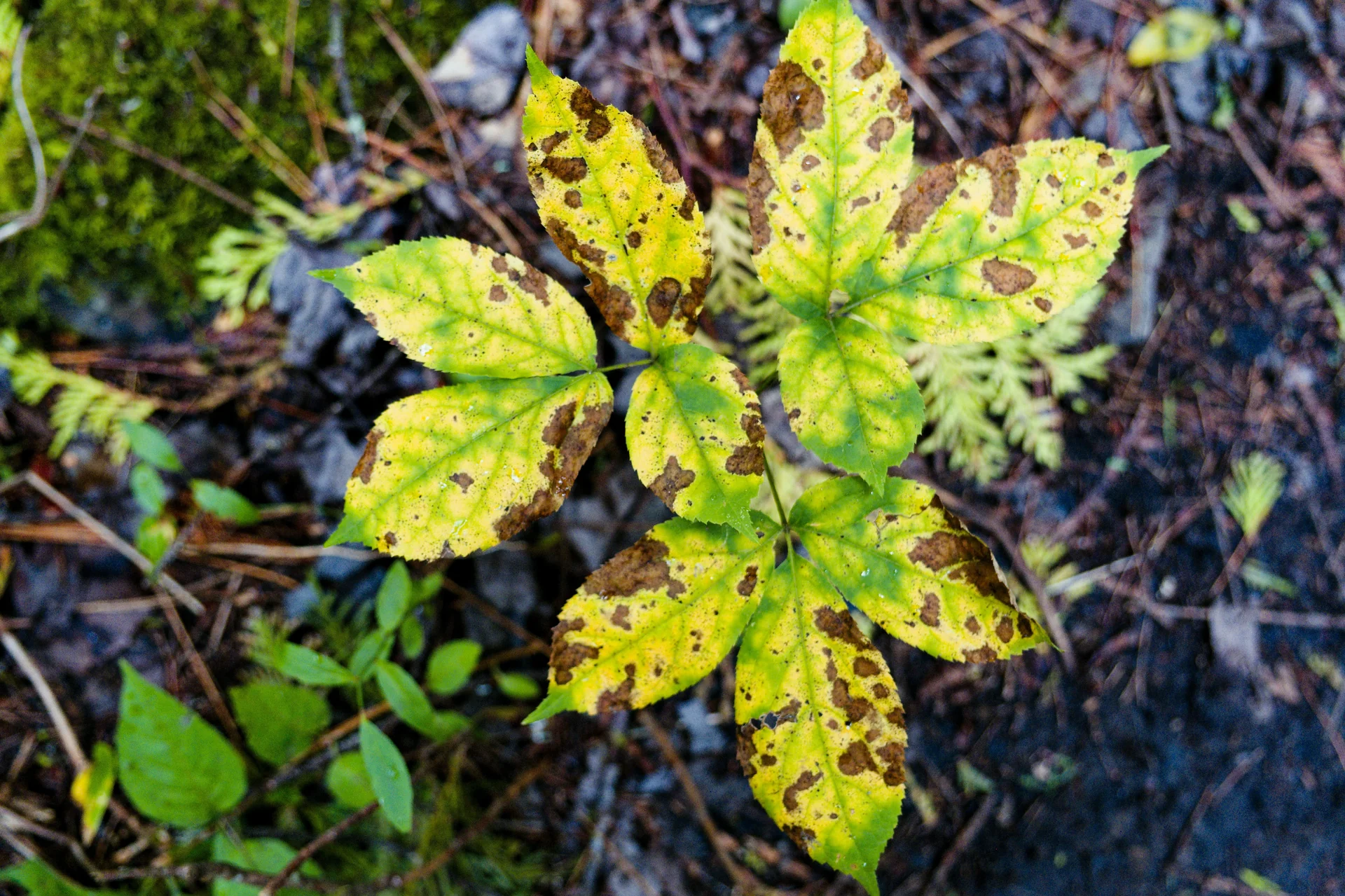
- Leaf margin scorching: The outer edges of leaves, particularly on the side facing the heat source or a window, develop dry, brown, papery patches that expand inward over several days as cell death spreads from the initial damaged tissue.
- Midday wilting that recovers by evening: Leaves and stems droop noticeably during the hottest part of the day even when soil moisture is adequate, then partially recover once temperatures drop in the evening, a pattern that distinguishes heat stress from chronic underwatering.
- Curling or cupping of leaves: Leaves, especially newer growth at the stem tips, curl inward or downward along their length as the plant attempts to reduce surface area exposed to heat and light, often becoming more pronounced over consecutive hot days.
- Premature flower or bud drop: Flower buds and open blooms drop from the plant within a day or two of a heat spike, as the plant reallocates resources away from reproductive structures toward basic survival functions.
- Stunted new growth with reduced leaf size: New leaves emerging during periods of sustained heat are noticeably smaller and more closely spaced than older foliage, reflecting the plant's reduced carbohydrate budget for cell expansion.
- Bleached or pale patches on upper leaf surfaces: Areas of foliage most directly exposed to heat and light develop a washed-out, yellowish-white appearance as chlorophyll breaks down faster than it can be replaced, often progressing to brown necrotic tissue if exposure continues.
- Soil drying unusually fast between waterings: The potting medium dries out noticeably faster than it did under previous conditions, a sign that elevated substrate and ambient temperatures are accelerating evaporative water loss independent of the plant's own transpiration.
Step-by-Step: How to Treat Heat Stress
- Move the affected plant away from the heat source immediately, relocating it to a spot where ambient temperature drops by at least a few degrees, such as away from south-facing windows during peak afternoon hours.
- Increase humidity around the plant by grouping it with other plants or using a pebble tray, since elevated humidity reduces the vapor pressure deficit and slows transpirational water loss during recovery.
- Water the plant thoroughly if the top inch or two of soil has dried out, applying water until it drains from the bottom of the pot, but avoid watering if the soil is still moist, as overwatering a heat-stressed plant compounds root stress.
- Mist the foliage lightly in early morning only, avoiding midday misting, since water droplets on leaves under intense afternoon light can create localized lensing effects that worsen leaf scorching.
- Provide temporary shade using a sheer curtain or shade cloth during the hottest 3-4 hours of the day for the following week, reducing direct light intensity without eliminating it entirely.
- Trim away severely scorched or necrotic leaf tissue once the plant has stabilized for several days, using clean pruning tools to prevent introducing pathogens through the cut surfaces.
- Withhold fertilizer for at least 2-3 weeks following a significant heat event, since root uptake is compromised during recovery and fertilizer salts can accumulate in stressed root zones, causing additional damage.
Best Practices and Pro Tips
Acclimate Gradually to Heat: If you know a heat wave is approaching, gradually increase a plant's exposure to warmer conditions over several days rather than letting it experience a sudden jump of 10°F or more, which gives cellular processes time to adjust.
Mulch Container Surfaces: A layer of mulch or bark on top of the potting mix insulates the root zone from rapid temperature swings, since exposed dark soil surfaces can reach temperatures significantly higher than the surrounding air under direct sun.
Water Early Morning Only: Watering in the early morning ensures moisture is available to roots before the heat of the day increases transpirational demand, rather than watering in the evening when excess moisture can linger around roots overnight.
Monitor Root Zone Temperature: Containers, especially dark-colored or metal ones, can heat the root zone well above ambient air temperature; relocating pots to shaded ground level can reduce root zone temperature by several degrees.
Avoid Fertilizing During Heat Waves: High substrate temperatures combined with fertilizer salts increase the risk of root burn, so suspending feeding for 2-3 weeks during sustained heat protects the root system while the plant focuses on basic survival.
Quick Reference Table
| Factor | Recommended Range | Why It Matters |
|---|---|---|
| Relocation Distance from Heat Source | At least 2-3 feet from windows or vents | Reduces direct radiant heat exposure that raises leaf surface temperature beyond ambient air readings |
| Shade Duration During Heat Events | 3-4 hours during peak afternoon | Lowers light-driven heat load on foliage without depriving the plant of usable light entirely |
| Fertilizer Pause After Heat Event | 2-3 weeks | Allows root systems to recover absorptive capacity before reintroducing fertilizer salts |
| Misting Timing | Early morning only | Prevents water droplets from intensifying leaf scorch under midday sun |
| Soil Check Frequency During Heat | Daily during sustained high temperatures | Substrate dries faster under heat, increasing risk of compounding drought stress |
Plants Most Susceptible to Heat Stress
Calathea species, prized for their patterned foliage, are highly susceptible to heat stress because their thin leaf tissue and shallow root systems native to humid understory environments cannot tolerate the rapid transpirational losses that accompany elevated temperatures, often showing curling and browning within a day of a heat spike.
The peace lily (Spathiphyllum wallisii) wilts dramatically under heat stress, as its broad, soft leaves have large surface areas relative to their water storage capacity, making it one of the fastest plants to show midday drooping during hot conditions, a pattern explored further in our Drooping Leaves guide.
Fittonia, commonly known as the nerve plant, is extremely heat-sensitive due to its delicate leaf structure and preference for consistently humid, cool understory conditions, often collapsing entirely within hours of exposure to temperatures it cannot tolerate.
Ferns such as the Boston fern (Nephrolepis exaltata) suffer frond browning and crisping under heat stress because their fronds lack the thick cuticle that helps many succulents resist rapid water loss, making humidity management especially important, as we explain in our Humidity guide.
The English ivy (Hedera helix), despite its reputation for resilience, develops scorched leaf margins under sustained heat, particularly when grown in containers where root zone temperatures can spike well above ambient air, a risk tied closely to pot material and placement.
Coleus varieties, grown for their vivid foliage colors, are prone to heat-related bleaching and leaf drop because their pigmentation relies on chlorophyll and accessory pigments that degrade faster under combined heat and light stress, and recovery often depends on correcting the underlying cause rather than simply increasing watering, as detailed in our Underwatering guide.
Common Mistakes to Avoid
Overwatering in Response to Wilting: Seeing a wilted plant during a heat wave often prompts growers to add more water immediately, but if soil moisture is already adequate, this leads to waterlogged roots within 24-48 hours, compounding stress rather than relieving it.
Misting During Peak Sun Hours: Misting foliage between late morning and mid-afternoon can cause water droplets to magnify light intensity on leaf surfaces, resulting in scorch marks appearing within a few hours of exposure.
Fertilizing During or Immediately After a Heat Event: Applying fertilizer while roots are compromised from heat stress increases salt concentration in an already weakened root zone, often causing visible root burn symptoms within 1-2 weeks.
Leaving Plants in Dark Containers Under Direct Sun: Dark plastic or metal pots can absorb enough radiant heat to raise root zone temperature by 10°F or more compared to the surrounding air, damaging roots before any foliar symptoms appear.
Pruning Damaged Foliage Too Soon: Removing scorched leaves within the first day or two of a heat event eliminates tissue the plant may still be using for limited photosynthesis; waiting several days until the plant stabilizes allows for a more accurate assessment of what truly needs removal.
Frequently Asked Questions
How quickly can a plant recover from heat stress?
Mild heat stress, such as temporary midday wilting, often resolves within hours once temperatures drop and the plant rehydrates overnight. More severe cases involving leaf scorch or bud drop can take 2-4 weeks of stable conditions before new growth appears normal again, and any visibly damaged leaf tissue will not recover its original appearance, though the plant itself can fully recover.
What time of year is heat stress most common for houseplants?
Heat stress is most frequent during late summer heat waves and also occurs in winter when plants are placed too close to heating vents or radiators, which can raise localized air temperature well above the rest of the room. South and west-facing windows are particularly prone to causing heat stress during intense afternoon sun in summer months.
Do I need any special equipment to manage heat stress?
No specialized equipment is required, though a simple thermometer placed near vulnerable plants helps identify localized hot spots that may not match the room's general temperature. Shade cloth, sheer curtains, or even relocating plants a few feet from a heat source are typically sufficient interventions for most home growing situations.
How can I prevent heat stress from recurring?
Identify the recurring heat source, whether it's a window, vent, or appliance, and either relocate the plant permanently or introduce a barrier such as a sheer curtain during peak hours. Mulching the soil surface and grouping plants together to raise local humidity also help buffer against future temperature spikes, reducing the severity of repeated episodes.
My plant wilted badly during a heatwave but the soil is still moist, what should I do?
This is a classic heat stress symptom rather than a watering issue, so avoid adding more water, which can lead to root rot in already-moist soil. Instead, move the plant to a cooler location away from direct heat, increase humidity around it, and allow it to recover overnight; if wilting persists after temperatures normalize for 24-48 hours, then reassess soil moisture before considering watering.
Frequently Asked Questions
How quickly can a plant recover from heat stress?
Mild heat stress, such as temporary midday wilting, often resolves within hours once temperatures drop and the plant rehydrates overnight. More severe cases involving leaf scorch or bud drop can take 2-4 weeks of stable conditions before new growth appears normal again, and any visibly damaged leaf tissue will not recover its original appearance, though the plant itself can fully recover.
What time of year is heat stress most common for houseplants?
Heat stress is most frequent during late summer heat waves and also occurs in winter when plants are placed too close to heating vents or radiators, which can raise localized air temperature well above the rest of the room. South and west-facing windows are particularly prone to causing heat stress during intense afternoon sun in summer months.
Do I need any special equipment to manage heat stress?
No specialized equipment is required, though a simple thermometer placed near vulnerable plants helps identify localized hot spots that may not match the room's general temperature. Shade cloth, sheer curtains, or even relocating plants a few feet from a heat source are typically sufficient interventions for most home growing situations.
How can I prevent heat stress from recurring?
Identify the recurring heat source, whether it's a window, vent, or appliance, and either relocate the plant permanently or introduce a barrier such as a sheer curtain during peak hours. Mulching the soil surface and grouping plants together to raise local humidity also help buffer against future temperature spikes, reducing the severity of repeated episodes.
My plant wilted badly during a heatwave but the soil is still moist, what should I do?
This is a classic heat stress symptom rather than a watering issue, so avoid adding more water, which can lead to root rot in already-moist soil. Instead, move the plant to a cooler location away from direct heat, increase humidity around it, and allow it to recover overnight; if wilting persists after temperatures normalize for 24-48 hours, then reassess soil moisture before considering watering.
Explore More
Related Topics
Related Plant Guides
No specific plant guides found matching this topic.
Recommended next actions
Continue Exploring
Dive deeper into related plant care tools and profiles.
Topic Guide
Drooping Leaves
Learn everything about drooping leaves for your indoor and aquarium plants. Expert care tips, troubleshooting, and related guides.
Topic Guide
Humidity
Learn everything about humidity for your indoor and aquarium plants. Expert care tips, troubleshooting, and related guides.
Topic Guide
Underwatering
Learn everything about underwatering for your indoor and aquarium plants. Expert care tips, troubleshooting, and related guides.