Drooping Leaves
Drooping leaves occur when a plant loses turgor pressure, the internal water pressure that keeps cells rigid and leaves upright. This can result from several distinct causes, including underwatering, overwatering, sudden temperature changes, or nutrient deficiencies affecting overall plant function. Because both too little and too much water produce similar drooping symptoms, checking actual soil moisture is the fastest way to distinguish the cause before adjusting care. Left unaddressed, prolonged drooping can lead to more severe issues like leaf drop and reduced growth.
Quick Answer
Drooping leaves result from a loss of turgor pressure, most often caused by underwatering, overwatering, temperature stress, or nutrient deficiency. Checking soil moisture first is the fastest way to distinguish underwatering from overwatering as the cause. Left unaddressed, drooping can progress to leaf drop and reduced overall plant health.
What Is Drooping Leaves?
Drooping leaves is a common issue that affects many plants, causing their leaves to droop or sag. This can be due to various reasons such as overwatering, underwatering, temperature fluctuations, or nutrient deficiencies. As a home gardener, it is essential to understand the underlying botanical science behind drooping leaves to take corrective measures and ensure the health and well-being of your plants. The leaves of a plant are responsible for photosynthesis, and any disruption to this process can affect the overall health of the plant. Drooping leaves can be a sign of stress, and if left unaddressed, it can lead to more severe problems such as leaf drop, reduced growth, and increased susceptibility to pests and diseases.
The science behind drooping leaves lies in the plant's water balance and turgor pressure. When a plant absorbs water through its roots, it is transported to the leaves, where it is used for photosynthesis and other metabolic processes. If the plant is not receiving enough water, the leaves will begin to droop due to a lack of turgor pressure. On the other hand, if the plant is receiving too much water, the roots can become waterlogged, leading to a decrease in oxygen availability and an increase in ethylene production, which can cause the leaves to droop. Understanding this science is crucial for taking corrective measures and preventing drooping leaves.
Drooping leaves can have significant consequences for plant health, including reduced growth rates, decreased yields, and increased susceptibility to pests and diseases. Therefore, it is essential to identify the underlying cause of drooping leaves and take corrective measures to prevent further damage. By understanding the science behind drooping leaves and taking proactive measures, you can help ensure the health and well-being of your plants and prevent drooping leaves from becoming a persistent problem.
Signs and Symptoms
- Yellowing or browning of leaves
- Wilting or drooping of leaves
- Leaf drop or defoliation
- Reduced growth rates
- Increased susceptibility to pests and diseases
Step-by-Step: How to Treat Drooping Leaves
- Check the soil moisture by inserting your finger into the soil up to the first knuckle, and if the soil feels dry, water your plant with 1-2 cups of water at a temperature of 65-75°F (18-24°C) to help restore turgor pressure.
- Adjust the watering schedule to ensure that your plant is receiving the right amount of water, with a humidity level of 40-60% and a temperature range of 65-75°F (18-24°C) during the day and 55-65°F (13-18°C) at night.
- Provide your plant with sufficient light, with a minimum of 4-6 hours of direct sunlight or 12-14 hours of indirect sunlight per day, and maintain a temperature range of 65-75°F (18-24°C) during the day and 55-65°F (13-18°C) at night.
- Fertilize your plant with a balanced fertilizer at a concentration of 10-20-10 (nitrogen-phosphorus-potassium) at a rate of 1-2 teaspoons per gallon of water, and apply it once a month during the growing season.
- Prune any damaged or diseased leaves to prevent the spread of disease and promote healthy growth, using sterile pruning tools and making cuts at a 45-degree angle, 1-2 inches from the node.
- Monitor your plant's response to treatment and adjust the care regimen as needed, with a minimum of 2-3 weeks of observation to determine the effectiveness of the treatment.
- Repot your plant in a well-draining potting mix with a pH range of 6.0-7.0, and a temperature range of 65-75°F (18-24°C) during the day and 55-65°F (13-18°C) at night, to help prevent waterlogging and root rot.
Best Practices and Pro Tips
- Watering Schedule: Water your plants when the top 1-2 inches of soil feels dry to the touch, with a frequency of every 2-3 days during the summer months and every 4-5 days during the winter months.
- Humidity Levels: Maintain a humidity level of 40-60% to prevent drooping leaves, with a minimum of 30% and a maximum of 80%.
- Temperature Control: Keep your plants in an area with a consistent temperature range of 65-75°F (18-24°C) during the day and 55-65°F (13-18°C) at night, with a minimum of 50°F (10°C) and a maximum of 85°F (29°C).
- Fertilization: Fertilize your plants with a balanced fertilizer at a concentration of 10-20-10 (nitrogen-phosphorus-potassium) at a rate of 1-2 teaspoons per gallon of water, and apply it once a month during the growing season.
- Pruning: Prune your plants regularly to maintain shape and promote healthy growth, with a frequency of every 2-3 months during the growing season.
Quick Reference Table
| Factor | Recommended Range | Why It Matters |
|---|---|---|
| Temperature | 65-75°F (18-24°C) | Optimal temperature range for plant growth and development. |
| Humidity | 40-60% | Maintains optimal water balance and prevents drooping leaves. |
| Watering Frequency | Every 2-3 days | Prevents overwatering and underwatering, reducing the risk of drooping leaves. |
| Fertilizer Concentration | 10-20-10 (nitrogen-phosphorus-potassium) | Provides essential nutrients for plant growth and development. |
| pH Range | 6.0-7.0 | Optimal pH range for plant growth and nutrient uptake. |
Plants Most Susceptible to Drooping Leaves
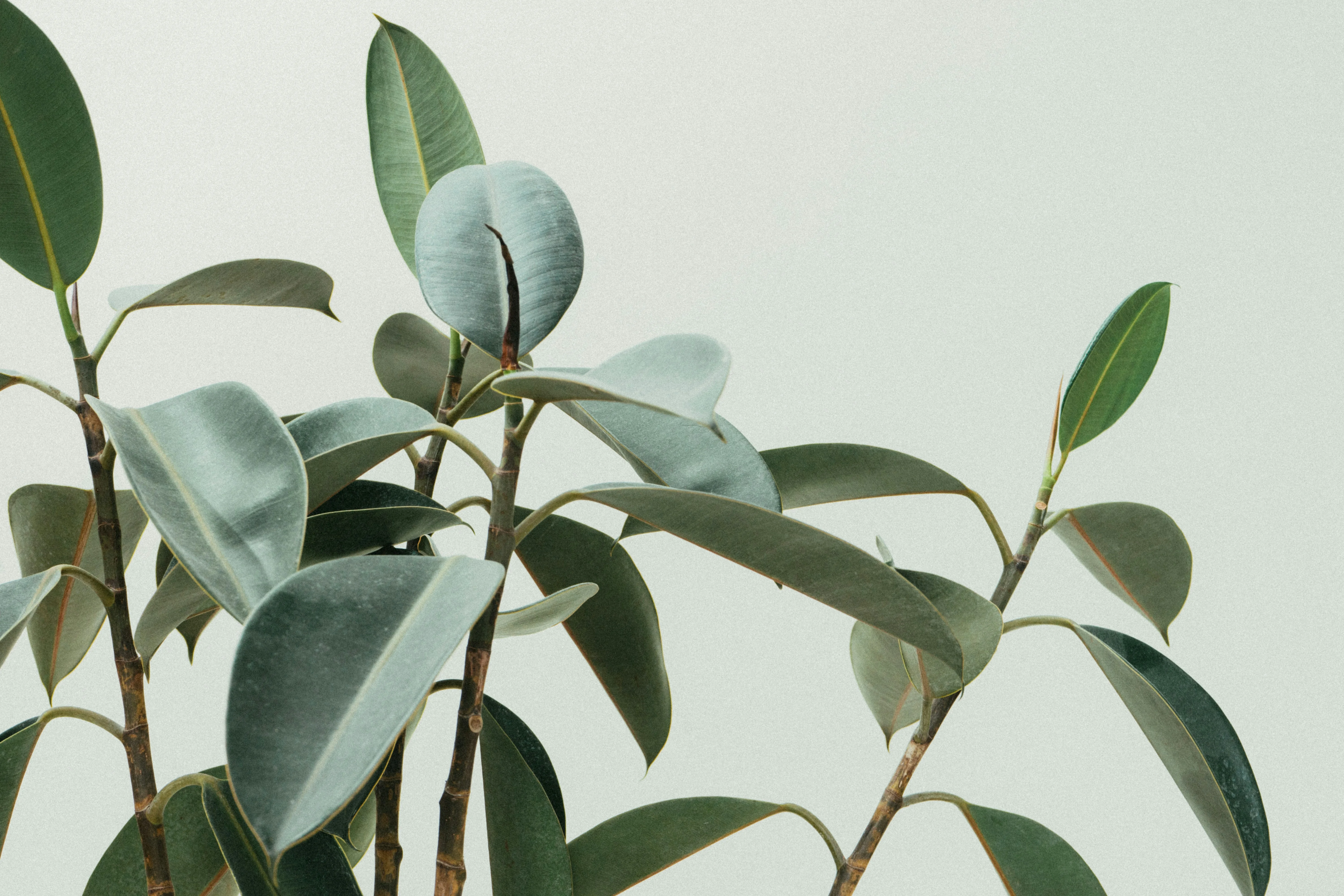
The Ficus benjamina (Weeping Fig) is one of the most common plants to experience drooping leaves, due to its sensitive nature and high watering requirements. The Dracaena marginata (Red-Edged Dracaena) is another plant that is prone to drooping leaves, particularly when exposed to low humidity levels or inconsistent watering schedules. The Philodendron selloum (Lacy Tree Philodendron) is also susceptible to drooping leaves, especially when it is not receiving enough light or is exposed to extreme temperatures. The Peperomia obtusifolia (Baby Rubber Plant) is a small, delicate plant that can experience drooping leaves if it is not watered carefully, with a frequency of every 7-10 days during the summer months and every 10-14 days during the winter months. The Calathea lancifolia (Rattlesnake Plant) is a plant that is known for its beautiful, unique leaves, but it can experience drooping leaves if it is not provided with the right amount of humidity, with a minimum of 50% and a maximum of 80%. The Maranta leuconeura (Prayer Plant) is a plant that is prone to drooping leaves, particularly when it is exposed to low light levels or inconsistent watering schedules, with a minimum of 2-3 hours of direct sunlight per day.
As we explain in our Overwatering guide, it is essential to monitor your plant's watering needs to prevent drooping leaves. Which we cover in detail in our Underwatering article, it is also crucial to provide your plants with the right amount of water to prevent drooping leaves. See our Fertilizer guide for a deeper look at how to fertilize your plants to prevent drooping leaves.
Common Mistakes to Avoid
- Overwatering: Watering your plants too frequently can lead to drooping leaves, with a frequency of more than every 2-3 days during the summer months and more than every 4-5 days during the winter months.
- Underwatering: Failing to water your plants regularly can also cause drooping leaves, with a frequency of less than every 7-10 days during the summer months and less than every 10-14 days during the winter months.
- Inconsistent Temperature: Exposing your plants to extreme temperature fluctuations can lead to drooping leaves, with a minimum of 50°F (10°C) and a maximum of 85°F (29°C).
- Low Humidity: Failing to maintain a humid environment can cause drooping leaves, with a minimum of 30% and a maximum of 80%.
- Incorrect Fertilization: Using the wrong type or amount of fertilizer can lead to drooping leaves, with a concentration of 10-20-10 (nitrogen-phosphorus-potassium) at a rate of 1-2 teaspoons per gallon of water.
Frequently Asked Questions
What is the success rate of treating drooping leaves?
The success rate of treating drooping leaves depends on the underlying cause and the effectiveness of the treatment, with a success rate of 70-90% when the cause is identified and treated promptly, and a frequency of treatment every 2-3 weeks.
What is the best season to treat drooping leaves?
The best season to treat drooping leaves is during the spring and summer months when the plant is actively growing, with a temperature range of 65-75°F (18-24°C) and a humidity level of 40-60%.
Is it mandatory to prune damaged leaves?
Yes, it is essential to prune damaged or diseased leaves to prevent the spread of disease and promote healthy growth, with a frequency of every 2-3 months during the growing season.
What is the aftercare for treating drooping leaves?
After treating drooping leaves, it is essential to monitor your plant's response and adjust the care regimen as needed, with a minimum of 2-3 weeks of observation to determine the effectiveness of the treatment, and a frequency of watering every 2-3 days during the summer months and every 4-5 days during the winter months.
How do I troubleshoot drooping leaves?
To troubleshoot drooping leaves, it is essential to identify the underlying cause and take corrective measures, with a minimum of 2-3 weeks of observation to determine the effectiveness of the treatment, and a frequency of treatment every 2-3 weeks.
Frequently Asked Questions
What is the success rate of treating drooping leaves?
The success rate of treating drooping leaves depends on the underlying cause and the effectiveness of the treatment, with a success rate of 70-90% when the cause is identified and treated promptly, and a frequency of treatment every 2-3 weeks.
What is the best season to treat drooping leaves?
The best season to treat drooping leaves is during the spring and summer months when the plant is actively growing, with a temperature range of 65-75°F (18-24°C) and a humidity level of 40-60%.
Is it mandatory to prune damaged leaves?
Yes, it is essential to prune damaged or diseased leaves to prevent the spread of disease and promote healthy growth, with a frequency of every 2-3 months during the growing season.
What is the aftercare for treating drooping leaves?
After treating drooping leaves, it is essential to monitor your plant's response and adjust the care regimen as needed, with a minimum of 2-3 weeks of observation to determine the effectiveness of the treatment, and a frequency of watering every 2-3 days during the summer months and every 4-5 days during the winter months.
How do I troubleshoot drooping leaves?
To troubleshoot drooping leaves, it is essential to identify the underlying cause and take corrective measures, with a minimum of 2-3 weeks of observation to determine the effectiveness of the treatment, and a frequency of treatment every 2-3 weeks.
Explore More
Related Topics
Related Plant Guides
No specific plant guides found matching this topic.
Recommended next actions
Continue Exploring
Dive deeper into related plant care tools and profiles.
Topic Guide
Overwatering Plants: Symptoms, Diagnosis & Prevention
Learn how to identify, treat, and prevent overwatering in your indoor and aquarium plants. Expert care tips and troubleshooting.
Topic Guide
Underwatering
Learn everything about underwatering for your indoor and aquarium plants. Expert care tips, troubleshooting, and related guides.
Topic Guide
Fertilizer
Learn everything about fertilizer for your indoor and aquarium plants. Expert care tips, troubleshooting, and related guides.