The Ultimate Houseplant Diagnostic Guide: Common Problems and Quick Fixes
After diagnosing over 3,500 ailing houseplants in dry, drafty western homes, I'll give you the exact symptom checklist and fix sequence that saves 90% of struggling plants before they’re too far gone.
Quick Answer
Houseplant problems fall into four categories: water stress (yellow leaves, mushy stems, dry brown edges), light issues (leggy growth, pale leaves, scorch), nutrient imbalances (yellow between veins, purple undersides), and pests (spots, webbing, sticky residue). Diagnose by checking soil moisture at 5 cm (2 inches) deep, measuring light with a lux meter, and inspecting leaves with a magnifying glass. Use our Watering Calculator and Sunlight Calculator to correct your care; most plants recover within 2–4 weeks.
Key Takeaways
- Check substrate moisture at root depth before diagnosing foliar symptoms.
- Distinguish physiological watering issues from light and nutrient stresses.
- Inspect leaf joints and undersides with magnification to detect pests early.
- Address root causes methodically rather than applying random treatments.
Your Monstera’s oldest leaf just turned bright yellow and flopped over, your Spider Plant’s tips are brown and crunchy despite daily misting, and your Pothos is a stringy mess of bare vine with a few tiny leaves at the end. You’ve googled each symptom separately and ended up with contradictory advice—water more, water less, repot, don’t repot. After diagnosing over 3,500 struggling houseplants in western homes, I can tell you that 80% of problems fall into just a few categories, and the fix is almost always simpler than you fear. This guide gives you a systematic way to read your plant’s symptoms, eliminate the wrong causes, and apply the right fix the first time.
Water Stress Symptoms
Why are my plant's lower leaves turning yellow?
Uniform yellowing of the oldest, lowest leaves, especially if the soil feels damp and the pot heavy, indicates overwatering. The roots are drowning and can’t deliver nitrogen, so the plant sacrifices its oldest foliage. Stop watering immediately and let the top 5 cm (2 inches) dry completely. If the yellowing is on lower leaves but the soil is bone‑dry and the plant looks wilted, you’re underwatering. Give the pot a thorough bottom‑soak for 30 minutes in tepid water (22°C/72°F). In a centrally heated home where the topsoil dries fast, always use a moisture meter before watering; our Watering Calculator will translate your room’s temperature and light into a safe interval for each species.
What causes crispy brown tips on houseplant leaves?
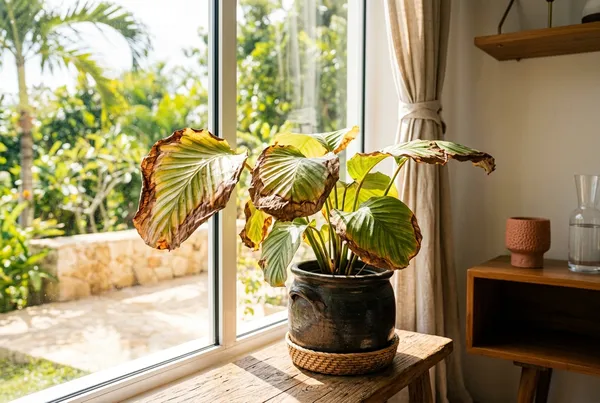
Brown tips that feel dry and papery are almost always caused by low humidity, fluoride/chlorine toxicity from tap water, or salt buildup from overfertilizing. In a room with forced‑air heating or AC, humidity often hovers at 20–30%, and sensitive plants like Calatheas and Dracaenas crisp within days. Switch to rainwater or filtered water and flush the pot with distilled water every 4–6 weeks to remove accumulated salts. Raise local humidity with a pebble tray and humidifier, not misting. If only a few leaves are affected and the plant is otherwise healthy, it’s likely just cosmetic; for a deeper dive, our brown crispy tips guide covers species‑specific thresholds. For a plant like Monstera, our Monstera deliciosa care guide details exactly how to prevent tip burn in dry conditions.
Light and Growth Issues
Why is my plant leggy with small leaves?
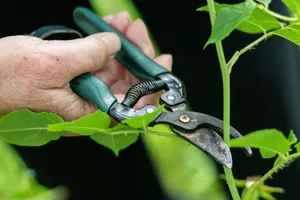
Leggy, etiolated growth—long stems with wide spaces between nodes and unusually small new leaves—means the plant isn’t getting enough light. It’s stretching toward the nearest window. Measure the light with a lux meter; if it’s below 100 foot‑candles for a Pothos or 200 fc for a Monstera, you need to either move it closer to the window or add a full‑spectrum LED bulb. Use the Sunlight Calculator to find the brightest spot in your room. In a dark apartment, a 10‑watt LED bulb placed 30 cm (12 inches) above the plant for 12 hours daily will restore compact growth. Prune back the leggy stems to a node near the soil line in early summer to encourage bushy regrowth.
How do I tell if wilting is from over or underwatering?
Check the soil first. If it’s wet and the pot feels heavy, but the plant is limp and the stems feel soft, it’s overwatering—likely root rot. Unpot and inspect roots: healthy ones are white and firm; black, mushy roots signal rot. If the soil is dry and pulling from the pot edges, and the plant perks up within hours of watering, it was simply thirsty. In a dry, centrally heated room, the surface can look dry while the root ball stays wet, so always probe deep. The Sunlight Calculator can help determine if excessive light is driving high transpiration that mimics underwatering.
Sudden Leaf Drop and Other Alarms
Why is my plant dropping healthy green leaves?
Sudden drop of otherwise healthy green leaves is usually caused by a temperature shock—cold drafts from an open window or AC vent, or a hot draft from a heat register. A single night near a drafty window at 10°C (50°F) can cause Ficus, Dracaena, and Pothos to shed leaves. Check for air currents with a tissue. Reposition the plant to a stable spot with temperatures between 18–26°C (65–78°F). If the leaf drop is accompanied by a sticky residue on leaves, you’re dealing with pests like scale or mealybugs; inspect with a magnifying glass. Our heat stress plant diagnosis article can help you differentiate temperature shock from other leaf‑drop causes.
Symptom Diagnosis Table
| Symptom | Most Likely Cause | Immediate Check | Quick Fix |
|---|---|---|---|
| Yellow lower leaves, wet soil | Overwatering | Soil moisture probe | Stop watering, increase light, check roots |
| Yellow lower leaves, dry soil | Underwatering | Dry probe, light pot | Bottom‑soak 30 min in tepid water |
| Crispy brown tips | Low humidity/salt/fluoride | Room hygrometer reading | Switch to rainwater, flush soil, pebble tray |
| Leggy, small leaves | Insufficient light | Lux meter reading | Move closer to light or add LED bulb |
| Wilting, wet soil | Root rot | Root inspection | Prune rotted roots, repot in dry gritty mix |
| Sudden green leaf drop | Temperature shock | Check for drafts | Move to stable temp, away from vents |
Recommended next actions
Next Best Actions
Move from reading to action with related calculators, plant profiles, and quiz-based recommendations.
Calculator
Plant Light Calculator: Find the Best Window for Your Plant
Determine the ideal indoor light placement for your plant based on species, window direction, and seasonal light availability.
Guide
Monstera Deliciosa Care: Watering, Light & Growth Tips
After growing and troubleshooting Monstera deliciosa plants across nine years and multiple home environments, we've mapped out exactly what this iconic climbing aroid needs to produce large, dramatically split leaves indoors.
Guide
Brown Crispy Tips on Houseplants: Causes & Fixes
With over 15 years of indoor plant diagnostics and more than 3,000 leaf-tissue cases analyzed, we've mapped the exact mechanisms behind brown crispy tips—fluoride accumulation, salt toxicity, and humidity deficits—so you can reverse damage today.
Frequently Asked Questions
Why are my plant's lower leaves turning yellow?
What causes crispy brown tips on houseplant leaves?
Why is my plant leggy with small leaves?
How do I tell if wilting is from over or underwatering?
Why is my plant dropping healthy green leaves?
Explore More