Soil And Substrate 15 min read

Best Soil for Growing Healthy Plants at Home

By PlantSolve Editorial Team ·

Great plant care starts below the surface. Learn how to choose a soil mix that supports roots, balances water, and keeps plants growing steadily in your home.

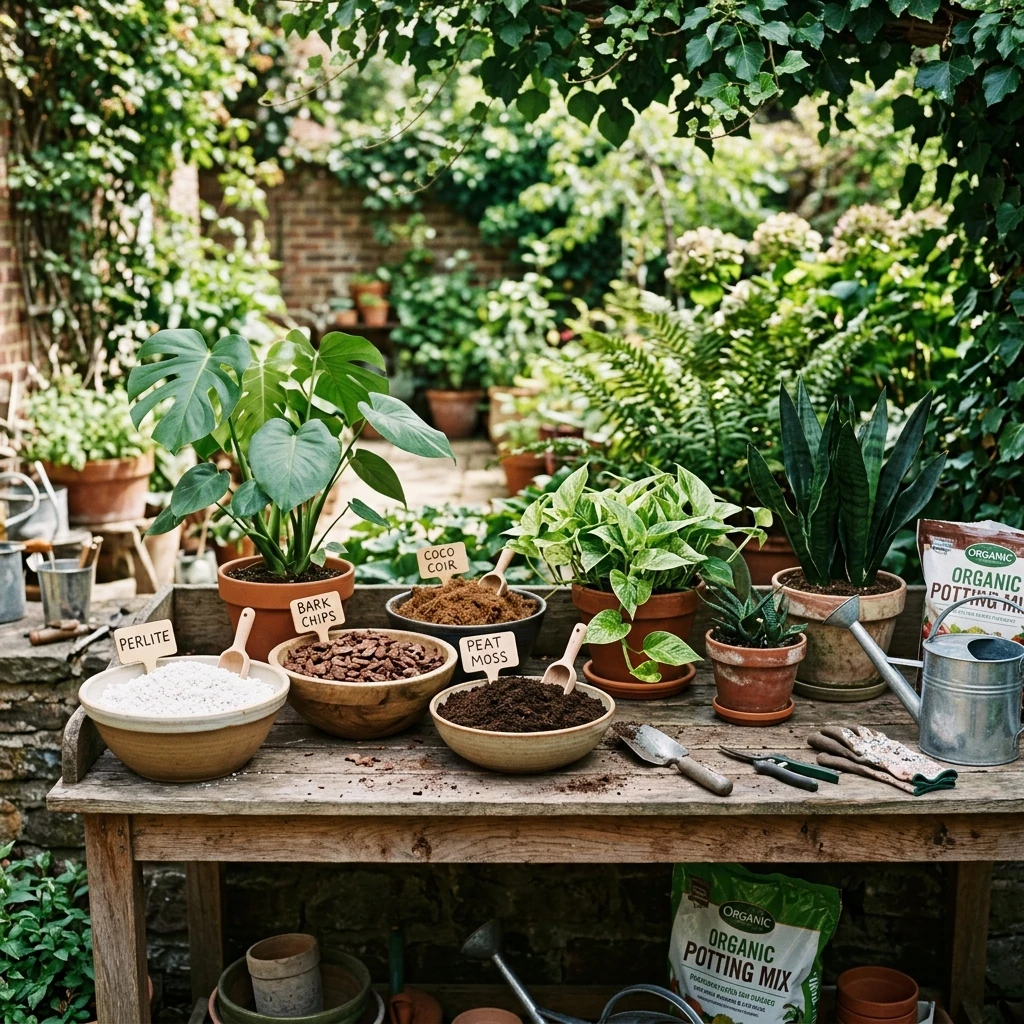
Different potting mix ingredients including perlite, bark, coco coir, and peat arranged beside healthy container plants on a potting bench

Quick Answer

The best soil depends on the plant. Succulents need a gritty, fast-draining mix; tropical foliage plants prefer a light, airy mix with moderate moisture retention; vegetables and herbs need fertile, loose soil that drains well but holds enough moisture for steady growth. Match the mix to your plant type, container, and home climate.

The right soil is one of the biggest predictors of whether a plant thrives in a pot. Soil is not just a place for roots to sit; it is the root environment that controls water availability, oxygen exchange, nutrient access, and microbial activity. If the mix is too dense, roots suffocate. If it drains too fast, roots dry out and cannot absorb what they need. The ideal mix balances water, air, and structure for the specific plant.

Introduction

Many plant problems blamed on watering are actually soil problems. A plant in the wrong mix will dry out too quickly, stay wet too long, develop root rot, or fail to take up nutrients properly. Once the root zone becomes unhealthy, the leaves will show stress even if the rest of your care is correct. That is why soil is foundational. Before you add more fertilizer or water more often, the first question should be whether the mix fits the plant and the container. This guide covers everything from basic components to advanced considerations like soil pH, porosity, and how your local climate affects soil performance. Whether you are growing a single pothos or a windowsill full of herbs, understanding soil will make you a more confident gardener.

Key Takeaways

  • Soil is the root's environment—it controls water, air, and nutrients.
  • Different plants need different soil textures and drainage levels.
  • Good potting mix should be light, fluffy, and well-aerated.
  • Garden soil is too dense for containers—always use potting mix.
  • Soil pH affects nutrient availability; most houseplants prefer slightly acidic to neutral pH (6.0–7.0).
  • Refresh or replace potting mix every 12–24 months as it breaks down.
  • You can customize commercial mixes with additives like perlite, bark, or coir.

Why It Matters

Roots need a physical structure that allows both moisture and air to move through the pot. Fine soil particles hold water longer, while coarse materials create air pockets. Organic matter improves moisture retention and nutrient storage, while drainage components prevent compaction. When you understand that relationship, it becomes much easier to choose the right mix instead of guessing from a bag label. A good mix also supports beneficial microorganisms that help break down organic matter and make nutrients available to roots. Without proper soil structure, even the best watering routine and fertilizer schedule will fail because the roots cannot function properly.

Soil components and what they do
ComponentMain JobBest ForTradeoff
Potting soilGeneral moisture and structureMost containersCan become dense if used alone
PerliteAdds air space and drainageHouseplants and seedlingsDries faster if overused
Pine barkCreates chunky structureAroids, orchids, tropicalsBreaks down over time
Coco coirHolds water while staying lightTropical plants and mixesNeeds nutrients added separately
PumiceImproves drainage and stabilitySucculents and cactiHeavier than perlite

Science Behind It

Healthy potting mixes work because of pore space. Large pores hold air, while smaller pores hold water. Roots absorb oxygen through the spaces between particles, not just from the air above the soil. When the mix is compacted, those pores collapse. Over time, peat and other organic materials break down, making the mix denser and reducing airflow. That is why older potting soil often performs worse even if it looked good when new. It is also why container soil needs refreshing long before garden soil would.

Nutrient availability also depends on soil chemistry. pH influences how easily roots can absorb iron, phosphorus, manganese, and other elements. A mix can contain nutrients yet still act deficient if the pH is off. Most houseplants prefer a slightly acidic pH between 6.0 and 7.0. Below 5.5, some nutrients become toxic; above 7.5, iron and manganese become less available, leading to yellowing leaves. For beginners, the simplest lesson is this: healthy roots are built in a soil that drains, breathes, and stays physically stable. If you notice persistent nutrient issues despite regular feeding, consider testing your soil's pH.

Another key concept is cation exchange capacity (CEC)—the soil's ability to hold and exchange nutrients. Materials like peat, coir, and compost have high CEC, meaning they can store nutrients and release them to roots as needed. Inert materials like perlite and sand have low CEC and contribute little to nutrition. A balanced mix combines both high-CEC materials for nutrient holding and coarse materials for aeration.

Step-by-Step Guide

1. Identify your plant category

Different plant groups have different root needs. Succulents and cacti are adapted to arid environments and require soil that dries quickly. Tropical foliage plants like pothos, philodendrons, and monsteras prefer a moisture-retentive but well-aerated mix. Herbs and vegetables need fertile, loose soil that supports rapid growth. Match your mix to these categories as a starting point.

2. Assess your container and environment

Pot size, material, and your home's climate all affect how soil behaves. Terracotta pots dry faster than plastic; large pots dry slower than small ones. In dry, heated homes, you may need a mix with more moisture retention; in humid climates, a chunkier, faster-draining mix often works better.

3. Choose a base mix

For most houseplants, start with a high-quality all-purpose potting mix. Look for mixes that contain peat or coir, perlite, and sometimes bark. Avoid mixes that feel heavy or dense. For succulents, buy a cactus mix or make your own by amending all-purpose mix with extra perlite or pumice at a 1:1 ratio.

4. Customize with amendments

Adjust the base mix to suit your plant and conditions. Add perlite or pumice (20–30% by volume) for extra drainage and aeration. Add bark (10–20%) for orchids or aroids that like chunky soil. Add compost or worm castings (10–15%) for vegetables and herbs that need more nutrients.

5. Fill pots correctly

Do not pack the soil down firmly. Fill the pot, tap it gently to settle the mix, and leave about 1.3–2.5 cm (0.5–1 in) of space below the rim for watering. Water thoroughly after potting to help the soil settle around the roots.

6. Monitor and adjust

Observe how the soil dries over the first few weeks. If it stays wet for more than 7–10 days, it may be too dense or the pot too large. If it dries in 1–2 days, it may be too coarse or the pot too small. Adjust your watering frequency or amend the mix accordingly. For guidance on repotting when the mix fails, see [how often should I repot my plants].

Plant type comparison for soil choice
Plant typePreferred soil traitsWhat to avoidTypical mix style
Succulents and cactiVery fast drainage, gritty textureHeavy peat and dense compostCactus mix with pumice or coarse sand
Tropical foliageAiry, lightly moisture-retentiveCompacted garden soilIndoor potting mix with bark and perlite
HerbsLoose and moderately fertileSoggy blendsPotting mix with added aeration
VegetablesFertile, loose, steady moistureLow-organic sterile mixesPotting mix amended with compost

Climate Considerations

Climate affects how soil performs in containers. In hot, dry climates, pots dry faster and may need a mix with slightly higher moisture retention. In cool, humid climates, soil stays wet longer and a chunkier, airier mix often performs better. Winter indoor heating also changes things dramatically by speeding evaporation from the pot surface while the root zone may still be cool. The same mix that works in summer may stay wet far too long in winter. Understanding your local outdoor climate helps you anticipate indoor conditions, as homes in arid regions (like the southwestern US) have very low humidity year-round, while homes in coastal or tropical regions (like Florida or Queensland) are naturally more humid.

For US gardeners, USDA Hardiness Zones can provide clues about indoor humidity and heating duration. Homes in colder zones (3–5) experience longer heating seasons with very dry air, while warmer zones (8–10) have shorter winters and higher ambient humidity.

Climate effects on soil behavior
Climate or conditionSoil behaviorAdjustment to make
Hot, dry roomDries very quicklyAdd more moisture-retentive material (coir, peat)
Cool, low light roomStays wet longerIncrease drainage materials (perlite, pumice)
Air-conditioned homeTop dries faster than bottomCheck deeper layers before watering
Humid greenhouseEvaporation slowsUse a chunkier open mix
USDA Zone influence on soil choice
USDA ZoneTypical Indoor HumidityHeating SeasonSoil Recommendation
3–5 (Cold)Very dry (20–30%)Long, 5–7 monthsUse mix with moderate moisture retention; monitor closely in winter.
6–7 (Temperate)Moderate (30–40%)Moderate, 4–5 monthsBalanced all-purpose mix with perlite works well.
8–9 (Warm)Moderate to humid (40–60%)Short, 2–3 monthsUse chunkier mix with extra perlite or bark to prevent waterlogging.
10+ (Hot)Often humid (50–70%)MinimalPrioritize drainage; use cactus/succulent blends for most plants.

Seasonal Advice

Spring and summer are the easiest seasons to judge soil because growth is active and drying patterns are more predictable. In fall and winter, most indoor plants slow down, meaning soil stays wet longer and watering frequency should drop. This is where beginner gardeners often go wrong: they keep using a summer watering routine in winter and blame the plant when the real problem is the mix staying saturated too long in cooler conditions. In winter, consider using a lighter mix or a smaller pot to reduce the risk of overwatering. In summer, you may need to water more frequently, and a mix with slightly higher water-holding capacity can help buffer against rapid drying.

Common Mistakes

  • Using garden soil in a container instead of a true potting mix—garden soil compacts and suffocates roots.
  • Assuming all houseplants can use the same soil blend without adjustment.
  • Buying a moisture-holding mix for a plant that needs fast drainage (e.g., succulents).
  • Choosing a huge pot that leaves too much wet soil around the roots.
  • Ignoring the age and breakdown of the mix after a year or two.
  • Packing the soil down firmly when potting, which reduces aeration.
  • Not adding drainage materials (perlite, pumice) to dense commercial mixes.
Soil problem, cause, and fix
ProblemLikely CauseBest Fix
Soil stays wet for daysToo dense or oversized potRepot into a lighter mix and smaller container
Water runs straight throughMix is too coarse or dried outRefresh with more moisture-retentive material
Plant wilts but soil is wetRoot stress or poor aerationCheck roots and improve oxygen flow
Topsoil crusts and compactsMix is agingReplace or amend the potting medium
White mold on soil surfacePoor air circulation or overwateringImprove airflow, reduce watering, scrape off mold

Expert Tips

The best soil strategy for beginners is not perfection; it is consistency. Use one reliable indoor mix and then adjust it in small ways for your plant category. Add perlite or bark when you need more air. Add compost or coir when you need more retention. Keep notes on how fast the mix dries in your home. Your room is part of the recipe.

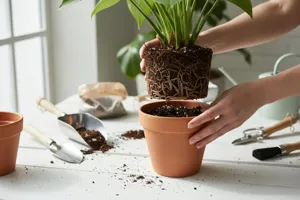
If you are unsure whether your plant needs a different mix, observe the roots during repotting. Healthy roots are usually firm and pale, not dark, mushy, or tightly circling the container wall. Root condition tells you more than the top of the plant often does. Also, consider using a moisture meter to eliminate guesswork; it can help you learn how your specific mix behaves in your environment.

For those who want to mix their own soil, a basic recipe is: 2 parts all-purpose potting mix, 1 part perlite, and 1 part pine bark fines. This works well for many tropical houseplants. For succulents, use 1 part potting mix and 1 part perlite or pumice. Always moisten the mix lightly before potting to reduce dust and help it settle.

Common Myths

  • Myth: Adding sand improves drainage. Reality: Fine sand often compacts and makes drainage worse. Use coarse sand, perlite, or pumice instead.
  • Myth: You should always put a layer of gravel at the bottom of pots for drainage. Reality: Gravel layers can create a perched water table and actually reduce drainage. Use a well-draining mix throughout.
  • Myth: Potting soil never needs replacing. Reality: Organic matter breaks down, structure collapses, and nutrients deplete over time. Refresh every 12–24 months.
  • Myth: More fertilizer can fix poor soil. Reality: If the soil structure is poor, roots cannot absorb nutrients effectively. Fix the soil first.
  • Myth: All indoor plants need the same pH. Reality: Some plants prefer acidic soils (e.g., ferns, orchids), while others tolerate a wider range. Check individual needs.
Decision guide: Which soil should you choose?
Your Plant CategoryRecommended Base MixKey AmendmentWhy
Succulents & CactiCactus/succulent mixExtra perlite or pumice (30–50%)Prevents root rot by ensuring rapid drying
Tropical Foliage (e.g., Monstera, Pothos)All-purpose potting mixPerlite (20%) + bark (10%)Balances moisture and aeration for robust roots
Ferns & CalatheasMoisture-retentive mixCoco coir or peat (10–20%)Holds consistent moisture without becoming soggy
Herbs (Basil, Mint)Potting mix with compostWorm castings or compost (10–15%)Provides fertility for fast growth
Vegetables (Tomatoes, Peppers)Fertile potting mixCompost and slow-release fertilizerSupports heavy feeding and fruiting

When NOT To

  • Do not use garden soil in containers—it compacts and lacks drainage.
  • Do not use pure peat or pure coir—they hold too much water without aeration.
  • Do not add fertilizer to a dry mix—it can burn roots; moisten first.
  • Do not reuse old potting mix without refreshing—it may have compaction, salt buildup, or pest issues.
  • Do not use a mix that smells sour or rotten—this indicates anaerobic conditions and harmful microbes.

Maintenance Guide

Refresh container soil as it ages. Most indoor mixes lose structure over time, especially with repeated watering. If a pot has been in the same mix for more than a year or two, inspect the texture. If it has broken down into fine particles and no longer dries evenly, it is time to repot or at least replace part of the medium. A healthy root zone is an ongoing maintenance task, not a one-time purchase. When repotting, gently remove old soil from the root ball, trim any dead roots, and place the plant in fresh mix. For detailed steps on when and how to repot, see [how often should I repot my plants].

Also, periodically top-dress pots with a thin layer of fresh compost or worm castings to replenish nutrients, especially for heavy feeders like vegetables and herbs. This avoids disturbing the roots while providing a slow-release nutrient boost.

Buying Guide

For most beginners, the best purchase is a reputable all-purpose indoor potting mix plus a small bag of perlite or bark. That combination can be adapted for many houseplants. If you care about succulents, buy a cactus mix or make your own fast-draining blend. If you are growing vegetables, choose a fertile potting mix that supports feeding and consistent water use. When buying, check the bag for a list of ingredients. Look for mixes that include perlite or pumice, and avoid those that list only 'peat moss' and 'compost' without aeration materials.

Buying guide for potting mix
What to checkGood signRed flag
TextureLight, loose, and varied particlesDense and muddy
IngredientsBalanced mix with aeration materialsMostly fine peat or mystery filler
MoistureSlightly damp or easy to rewetBone dry and water-repellent
Intended useMatches the plant typeGeneric without clear use case

Troubleshooting

If your plant is failing in a supposedly good mix, do not assume the problem is fertilizer. Check drainage holes first, then the pot size, then the light level, and then the age of the mix. Soil and watering are tightly linked. Many “watering” problems are really medium problems. If a plant with wet soil is still wilting, the roots may not be getting oxygen. If a plant with dry soil is collapsing quickly, the mix may be too open or the pot too small.

Common soil troubleshooting chart
SymptomRoot CauseBest Next Step
Leaves yellow and softSoil too wet for too longImprove drainage and dry-down
Soil pulls away from pot wallsOld mix has become hydrophobicRepot and rehydrate fresh mix
Plant dries extremely fastPot too small or mix too coarseIncrease moisture retention slightly
No growth and weak stemsPoor root functionInspect roots and refresh medium
Fungus gnatsOrganic matter staying too wetLet soil dry more; use sticky traps; consider gnat-reducing soil

Frequently Overlooked Facts

Many gardeners underestimate how quickly potting soil ages in a container. Another overlooked fact is that “well-draining” does not mean “dries instantly.” It means the soil sheds excess water while still holding enough moisture for roots to use. The last overlooked point is that the plant, pot, and room form a single system. Soil choice is never separate from container size or climate. Also, peat-based mixes can become hydrophobic when completely dry, making it difficult to rewet them evenly—always moisten such mixes thoroughly and slowly when first using them.

Cost comparison: DIY vs. pre-made potting mix
OptionCost per 10 L (2.6 gal)ProsCons
Pre-made all-purpose mix$8–15Convenient, ready to use, consistentLess customizable, may need amendments
DIY mix (peat/coir + perlite + bark)$6–12Customizable, often cheaper per volumeRequires storage of multiple ingredients
Cactus/succulent pre-mix$10–18Specifically formulated, good drainageMore expensive; may still need extra perlite
Organic premium mix$15–25High-quality ingredients, often better structureCostly for larger containers

Summary

The best soil for growing healthy plants at home is the one that matches the plant's roots, your container, and your room conditions. Good soil balances water and air, stays structurally stable, and gives roots the environment they need to function. If you get the mix right, plant care becomes much easier because the root zone is no longer fighting you. Start with a quality base mix, customize with amendments as needed, and refresh it regularly. Remember to consider your climate, pot size, and plant type when making your choice. With the right soil, your plants will have a strong foundation for long-term health.

Recommended next actions

Move from reading to action with related calculators, plant profiles, and quiz-based recommendations.

Frequently Asked Questions

What makes good soil for indoor plants?
Good indoor plant soil drains well, keeps enough moisture for the roots to use, and has air pockets so roots can breathe. It should be light and fluffy, not dense or muddy. A balanced mix typically contains a moisture-retentive component like peat or coir, an aeration component like perlite or pumice, and sometimes a structural component like pine bark. The ideal mix also has a pH between 6.0 and 7.0 for most houseplants. Avoid garden soil, which is too heavy and compacts in containers, suffocating roots.
Is potting soil the same as garden soil?
No. Potting soil is specifically formulated for containers and includes ingredients like peat, coir, perlite, and bark to ensure good drainage and aeration. Garden soil is heavy, dense, and designed for in-ground use; it compacts in pots, reducing oxygen to roots and often leading to root rot. Using garden soil indoors also risks introducing pests, weed seeds, and diseases. Always use a potting mix or make your own container-friendly blend for houseplants and container gardening.
How do I know if my mix drains well?
Water the pot thoroughly and observe. A well-draining mix will allow excess water to flow out of the drainage holes within a few seconds to a minute, and the soil will feel moist but not waterlogged. If water pools on the surface for more than a minute or the pot stays heavy and wet for days, the mix is too dense. If water runs straight through and the pot is dry again within a day, the mix may be too coarse. A good test is to water and then check the soil moisture after 24 hours; it should be evenly moist but not soggy.
Should all houseplants use the same soil?
No. Succulents, tropical foliage plants, herbs, and vegetables often need different blends. Succulents require a gritty, fast-draining mix to prevent root rot. Tropical plants like pothos or monsteras prefer a moisture-retentive but well-aerated mix. Herbs and vegetables need fertile, loose soil that supports rapid growth. Using a one-size-fits-all mix can lead to overwatering for succulents or underwatering for moisture-loving plants. It's best to match the soil to the plant's natural habitat.
When should I replace old potting mix?
Replace potting mix when it breaks down, compacts, or no longer drains well, usually every 12 to 24 months depending on the plant and conditions. Signs that it's time to replace include the soil pulling away from the pot edges, water pooling on top, a sour smell, or the plant showing yellowing or stunted growth despite proper care. Old mix loses structure, holds too much water, and depletes nutrients. When repotting, always use fresh mix to give roots a healthy restart.
Why is my potting soil repelling water?
Peat-based potting mixes can become hydrophobic (water-repellent) when they dry out completely. The organic matter shrinks and forms a waxy coating that resists water. To fix this, place the pot in a tray of water and allow it to soak from the bottom for 30–60 minutes until the soil rehydrates. Alternatively, water slowly and repeatedly to allow the mix to absorb moisture. To prevent this, avoid letting the soil dry out completely for extended periods, and consider using a mix with coir, which rehydrates more easily.
Can I reuse potting soil from last year?
Yes, with caution. Old potting soil can be reused if it is not compacted, has no signs of disease or pests, and is refreshed with new organic matter and nutrients. First, remove any old roots, then mix in fresh compost, worm castings, or slow-release fertilizer. Also, consider adding perlite or pumice if the texture has broken down. However, for plants that are sensitive or if the soil shows mold, pests, or poor drainage, it's safer to replace it entirely. For more guidance, see [repotting guide].
What is the best soil for succulents?
The best soil for succulents is a gritty, fast-draining mix that mimics their native arid environments. A commercial cactus/succulent mix is a good start, but many beginners find it still holds too much water. Amend it with extra perlite or pumice at a 1:1 ratio for improved drainage. A DIY recipe is 1 part potting mix, 1 part perlite, and 1 part coarse sand or pumice. Avoid fine sand, which compacts, and never use garden soil. The mix should feel crumbly and dry within a few days after watering.
How do I make my own potting mix?
A basic DIY potting mix for houseplants uses 2 parts all-purpose potting mix, 1 part perlite, and 1 part pine bark fines. For succulents, use 1 part potting mix and 1 part perlite or pumice. For herbs and vegetables, mix 2 parts potting mix, 1 part compost, and 1 part perlite. Moisten the ingredients slightly and mix thoroughly. This approach saves money, lets you control quality, and can be tailored to different plants and climates. Always store unused mix in a sealed container to keep it fresh.
What does soil pH mean for plants?
Soil pH measures acidity or alkalinity on a scale of 0 to 14, with 7 being neutral. Most houseplants prefer a slightly acidic pH between 6.0 and 7.0. At this range, nutrients like iron, phosphorus, and manganese are most available to roots. If the pH is too low (below 5.5), some nutrients become toxic; if too high (above 7.5), iron and manganese deficiencies cause yellowing leaves (chlorosis). You can test pH with a simple meter or test kit. To lower pH, add peat or sulfur; to raise it, add lime. However, for most beginners, using a quality mix designed for houseplants will naturally fall in the right range.
Why does my soil get moldy on top?
Mold on soil surface is usually harmless saprophytic fungi that feed on organic matter in the mix. It indicates high moisture and poor air circulation. To prevent it, water less frequently, improve ventilation, and allow the top 2.5–5 cm (1–2 in) of soil to dry between waterings. You can scrape off the mold and sprinkle a thin layer of cinnamon, which has antifungal properties. If the mold persists or the plant shows decline, check for overwatering and consider repotting with fresh, well-aerated mix.