Cactus Care Guide: Light, Watering & Growing Tips
Expert care guide and diagnostic data for the cactus. Learn how to properly water, light, and troubleshoot common issues.
-
Difficulty
Medium
-
Light
Bright indirect
-
Temperature
65°F - 85°F (18°C - 29°C)
-
Growth
Moderate
-
Expert Insight
Master-grower data coming soon.
-
Common Mistake
Real-world care data coming soon.
-
Environment
Real-world conditions coming soon.
Quick Answer
Cacti require full direct sunlight for at least six hours daily, a fast-draining cactus or succulent soil mix, and deep watering only when soil is completely dry. Never use regular potting soil, and reduce watering significantly during winter dormancy. These desert natives store water in modified stems and thrive on neglect rather than constant attention.
Key Takeaways
- Provide full, direct sunlight for at least 6 hours daily.
- Use a fast-draining cactus or succulent mix, never regular potting soil.
- Water deeply only when the soil is completely dry throughout.
- Reduce watering further during winter dormancy to help prevent rot.
Overview
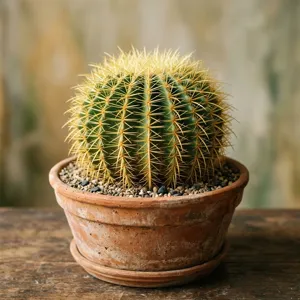
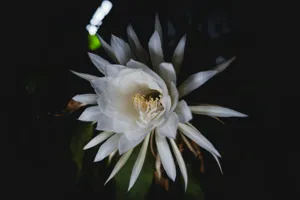
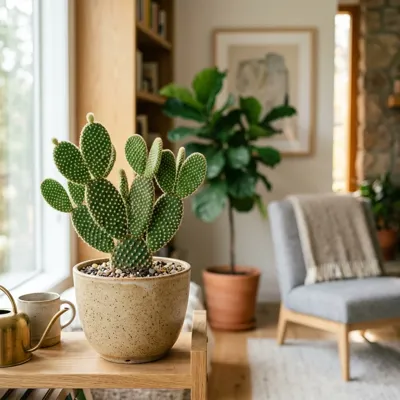
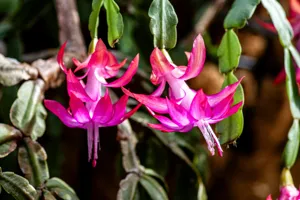
Cacti are succulent plants adapted to arid environments, storing water in their thick stems and ribs. They belong to the family Cactaceae, native to the Americas, ranging from the driest deserts to tropical rainforests (epiphytic cacti). Their spines are modified leaves that reduce water loss and provide shade, while the ribs expand and contract to store water. Popular indoor cacti include the Golden Barrel (Echinocactus grusonii), Bunny Ears (Opuntia microdasys), and the Christmas Cactus (Schlumbergera) – a tropical cactus that differs in care. Although low‑maintenance, cacti thrive only when you mimic their natural cycle: bright sun, dry roots, cool winters, and seasonal rest. Overwatering is the #1 killer. This guide covers the essential needs of most desert cacti, with notes for the few that break the rules.
Care Basics
**Light:** Full sun for at least 4–6 hours daily. A south‑ or west‑facing window is ideal. Without enough light, cacti etiolate (stretch) and lose their compact shape. If moving outdoors, acclimate gradually to prevent sunburn. **Temperature:** Active growth occurs at 21–32°C (70–90°F). Many desert cacti need a cool winter rest (10–15°C / 50–59°F) to trigger blooming. Protect from frost; most cannot tolerate freezing. **Soil:** Use a fast‑draining cactus mix – 50% commercial cactus soil + 50% perlite or pumice. Never use regular potting soil; it holds too much moisture and causes root rot. Add coarse sand or gravel for extra drainage. **Fertiliser:** Feed monthly during spring and summer with a diluted, balanced cactus fertiliser (low nitrogen, high phosphorus). Stop feeding in autumn and winter during dormancy. Over‑fertilising leads to weak, leggy growth and salt buildup. **Potting:** Choose a pot with drainage holes – terracotta is best because it wicks away excess moisture. Repot every 2–3 years in spring, handling the plant with thick gloves or folded newspaper to avoid spines. Only size up 1–2 cm (½–1 inch) wider than the current pot.
Watering
**The Golden Rule:** Water only when the soil is **completely bone‑dry** – all the way to the bottom. In summer, this might be every 7–14 days; in winter, it can be 4–6 weeks or more. Use the **finger test** (insert 2 inches deep) or a moisture meter. **How to water:** Water thoroughly until it runs out of the drainage hole, then discard the saucer water. Never let the pot sit in standing water. Water from the base (bottom‑soaking) is also effective – place the pot in a tray of water for 15 minutes, then drain completely. **Seasonal adjustments:** During active growth (spring–summer), keep the soil drier between waterings than you think. In winter, reduce watering to a bare minimum – just enough to prevent shrivelling. Overwatering in winter is fatal because the plant is not actively using water. **Signs of trouble:** - **Wrinkled, shrivelled stems** = underwatering (give a deep soak). - **Yellow, soft, or mushy base** = root rot (stop watering, unpot, trim rot, repot in dry mix). - **Brown, corky spots** = sunburn or old damage (not a watering issue). - **White crust on soil** = salt/mineral buildup – leach the soil occasionally with distilled water. **Water quality:** Use rainwater, distilled, or tap water that has sat out for 24 hours to let chlorine evaporate. Hard water can cause mineral deposits on the plant’s ribs.
Light
**Ideal exposure:** Desert cacti crave **direct sunlight** – aim for at least 4–6 hours of **unfiltered** morning or afternoon sun. South‑facing windows are perfect; west‑facing can work with afternoon sun, but may scorch sensitive species. East‑facing windows give gentler morning sun. **Signs of insufficient light:** - Thin, pale, elongated growth (etiolation) – stems stretch toward the light. - Loss of spines or colour intensity. - Failure to flower. **Too much light:** Some cacti (e.g., Christmas Cactus, epiphytic types) burn in harsh afternoon sun. For desert cacti, acclimatisation is key – when moving from indoors to outdoors, increase exposure over 1–2 weeks to prevent sunburn (white or yellow patches). **Supplemental light:** In winter or dark homes, use a full‑spectrum LED grow light for 12–14 hours daily, placed 15–30 cm (6–12 inches) above the plant. **Seasonal rotation:** Rotate your cactus a quarter‑turn every week to ensure even growth and prevent it from leaning towards the window. **Special cases:** - **Epiphytic cacti** (e.g., Schlumbergera, Rhipsalis) need **bright, indirect light** – direct sun burns them. - **Forest cacti** (e.g., Pereskia) prefer some shade. When in doubt, research your specific cactus type. For most common houseplant cacti, more sun is almost always better – but avoid scorching summer afternoon rays if the plant isn't adapted.
Humidity
Cacti thrive in low-humidity environments with ample air circulation, mirroring arid desert habitats. Keep them away from enclosed, moisture-heavy spaces like steamy bathrooms, as stagnant and humid air increases the risk of stem and root rot.
Structured Plant Data
Plant Data Profile
The following data is extracted directly from our botanical knowledge graph for accuracy and transparency.
Environmental Parameters
| Parameter | Recommended | Survivable |
|---|---|---|
| Temperature | 65°F - 85°F (18°C - 29°C) | 45°F - 100°F (7°C - 38°C) |
Relationships
-
Cactaceae
Belongs To Family
-
Succulents
Shares Care With
-
Soil Cactus Mix
Recommended Soil
-
Water Desert Succulent
Watering Rule
Troubleshooting & Diagnostics Guide
1 Yellow, soft, or mushy base
Diagnosis: Root rot due to overwatering
Treatment: Remove plant from pot, trim away mushy roots. Repot in dry, gritty cactus mix and do not water for 1-2 weeks.
Prevention: Water only when the soil is completely bone dry. Ensure pot has drainage.
2 Stretching, pale, or thin new growth (Etiolation)
Diagnosis: Insufficient light
Treatment: Move to a brighter location (south-facing window or grow light). Etoliated growth cannot be reversed and may need to be cut off.
Prevention: Provide at least 4-6 hours of direct sunlight daily.
3 Wrinkling or shriveling
Diagnosis: Severe dehydration
Treatment: Give the plant a thorough, deep watering. It should plump back up in a few days.
Prevention: Water when the soil is completely dry, but don't leave it dry for months during the growing season.
Authoritative Resources
For additional peer-reviewed information on plant diseases, toxicity, and care, consult these trusted botanical and agricultural extensions:
Frequently Asked Questions
How often should I water my cactus?
Why is my cactus turning yellow and soft?
Can cacti survive in low light?
What soil is best for cacti?
Do cacti need fertilizer?
Why is my cactus not growing?
Can I propagate a cactus from a cutting?
Are cacti safe for pets?
Should I mist my cactus?
What does it mean if my cactus is shrinking?
Can cacti flower indoors?
How do I know if my cactus is dormant?
Explore More