Fishbone Cactus Care: Resolve Thin, Stringy Stems
The Fishbone Cactus (Ric Rac) is a jungle cactus famous for its bizarre, zig-zagging stems. Unlike desert cacti, it prefers humidity, more frequent watering, and bright indirect light.
-
Difficulty
easy
-
Light
Requires bright, indirect light to maintain its thick, wide, zig-zag shape. If kept in low light, the plant will stretch rapidly, producing long, thin, stringy stems.
-
Temperature
65°F - 80°F (18°C - 27°C)
-
Growth
fast
-
Humidity
50% - 60%
-
pH range
6.0 - 6.5
-
Biggest Owner Mistake
Treating it like a desert cactus with full sun and completely dry soil—it's actually a jungle epiphyte from Mexican forest canopies that needs bright indirect light and soil that stays lightly moist. Full sun bleaches and crisps the flat stems irreversibly.
-
What Nobody Tells You
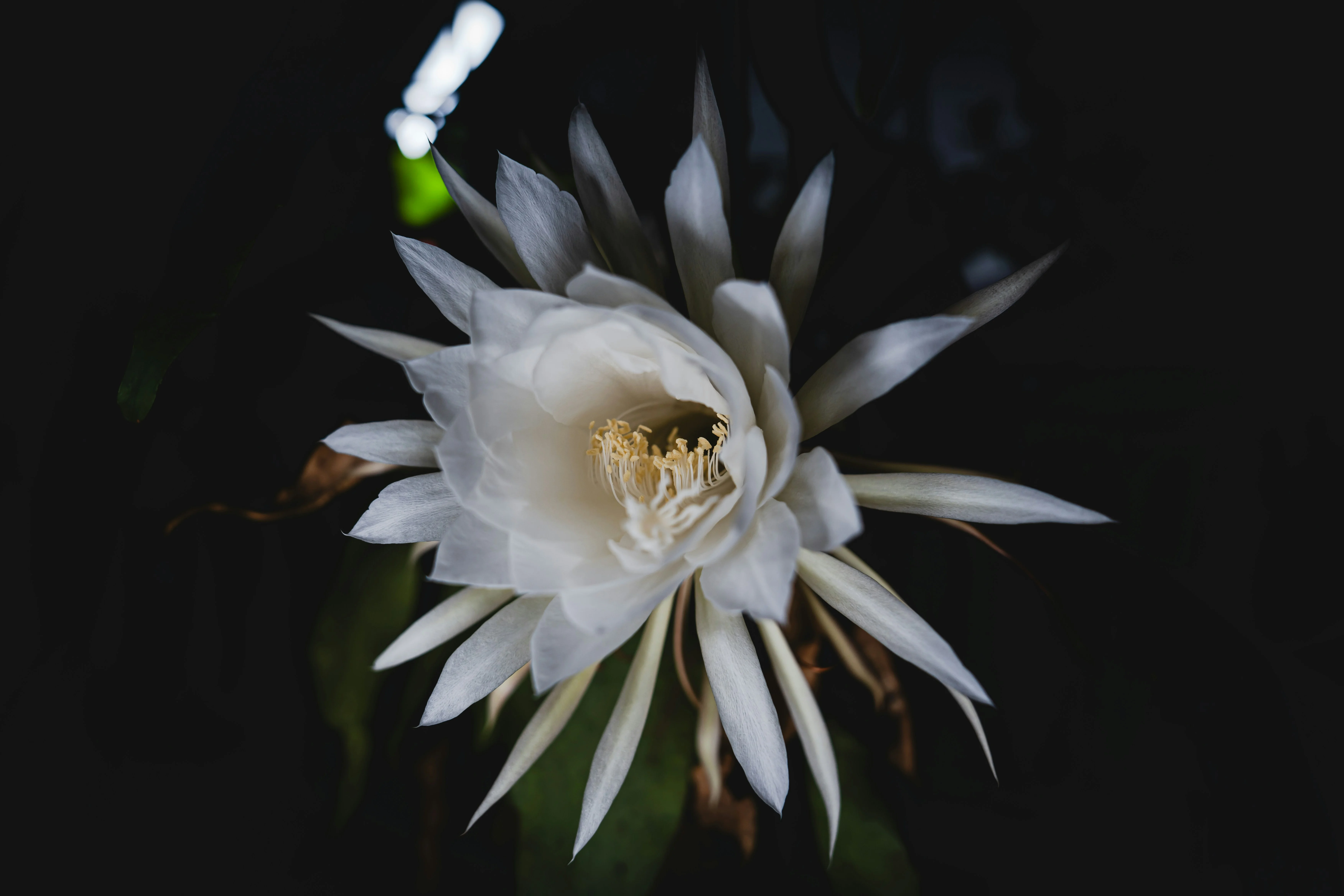
It produces spectacular large, intensely fragrant white flowers that open only at night—but only after the plant is at least 3 years old and has received a cool, dry winter rest period. Most owners never see them because they keep it warm and consistently watered year-round.
-
Real Home Conditions
In dry indoor air, the flat zig-zag stems shrivel lengthwise and stop elongating, even with adequate watering, because moisture is lost through the stems faster than roots can supply it. Humidity above 50% is needed to keep growth plump and active.
Quick Answer
The Fishbone Cactus is a jungle epiphyte, not a desert plant. It requires bright, indirect light, a chunky soil mix, and watering when the top half of the soil is dry. Long, thin stems mean it needs more light. For best results, we suggest keeping an eye on the plant's response throughout the active growing season.
Key Takeaways
- Provide bright, indirect light; avoid harsh, direct midday sun on zig-zag stems.
- Water when the top half of the chunky orchid bark mix feels dry to the touch.
- Maintain moderate relative humidity, treating it as a jungle epiphyte rather than a desert cactus.
- Prune thin, round etiolated stems resulting from inadequate light exposure.
Overview
The Fishbone Cactus (Epiphyllum anguliger), often sold under the fun names Ric Rac Cactus or Zig Zag Cactus, is a spectacular, architectural houseplant. It is instantly recognizable by its flat, heavily lobed stems that look exactly like the skeleton of a fish or a ric-rac sewing ribbon. As the stems grow, they cascade beautifully over the edges of a hanging basket, making it a dramatic, sculptural centerpiece.
However, the biggest mistake growers make is reading the word "cactus" and treating it like one. The Fishbone Cactus is an epiphytic jungle cactus. Native to the rainforest canopies of Mexico, it grows on the bark of trees in high humidity, shaded by the jungle canopy above. It does not want bone-dry sand, and it will scorch to death if placed in baking, direct desert sunlight. Understanding its jungle origins is the key to mastering its care.
The "Long Thin Stem" Problem (Etiolation)
The most common complaint about the Fishbone Cactus is that it suddenly stops growing flat, zig-zag stems and instead shoots out long, thin, round, string-like vines that look like green spaghetti.
This is a distress signal called etiolation. The plant is not receiving enough light, so it abandons the energy-intensive process of growing wide, flat leaves and instead rapidly stretches out in a desperate attempt to find a brighter spot. To fix this, you must move the plant to a much brighter window (east or west-facing). The thin, stringy stems will never widen out into zig-zags, so you should use sterile scissors to prune them off at the base.
Light Requirements
To produce thick, deeply lobed, flat stems, the plant requires very bright, indirect light. It thrives in an east-facing window where it can receive a few hours of gentle morning sun, followed by bright ambient light for the rest of the day. Avoid harsh, direct afternoon sun, which will turn the lush green stems a sickly yellow and cause them to scorch.
Watering: Not a Desert Plant
Because it lacks the massive water-storing capabilities of a barrel cactus, the Fishbone Cactus needs to be watered far more frequently. Allow the top half of the potting soil to dry out completely before watering. In the summer, you may need to water it every 7 to 10 days.
When you do water, soak the pot thoroughly until water flows out the drainage holes. Never let the pot sit in a saucer of standing water. If you under-water the plant, the thick stems will become deeply wrinkled, thin, and crispy.
Soil and Potting
Standard cactus soil is actually too sandy and dense for this plant. Remember, it grows on trees. It needs a highly aerated, chunky epiphytic mix. Combine high-quality potting soil with generous amounts of coarse orchid bark and perlite. This mimics the loose debris found in the crooks of jungle trees and ensures the roots get plenty of oxygen.
The Nocturnal Blooms
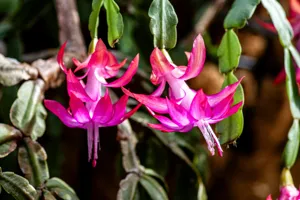
If you provide excellent care, a mature Fishbone Cactus will reward you with one of the most spectacular floral displays in the plant kingdom. In the late summer or autumn, it produces massive, pale yellow and white flowers that can reach 6 inches across.
However, you have to be quick to see them! The flowers are nocturnal; they open rapidly just after sunset, release an incredibly strong, sweet fragrance designed to attract bats and moths, and wilt completely before the sun rises the next morning.
Toxicity
The Fishbone Cactus is a fantastic addition to homes with pets. It is completely non-toxic to cats, dogs, and humans, making it a worry-free hanging plant.
Recommended next actions
Next Best Actions
Use calculators and guides to turn this plant profile into a practical care routine.
Topic Guide
Watering
Learn everything about watering for your indoor and aquarium plants. Expert care tips, troubleshooting, and related guides.
Guide
Leggy Houseplants: Causes of Etiolation & How to Fix Them
With over 13 years of plant growth diagnostics and more than 2,100 etiolation and light-deficiency cases assessed across species from compact succulents to large-leafed tropicals, we've developed a precise protocol for diagnosing the cause of leggy growth, correcting it without shocking the plant, and preventing recurrence through light and pruning management.
Guide
Wilting Houseplants: Is it Thirsty, Drowning, or Dying?
As horticulturists, we've found that the biggest mistake indoor gardeners make when seeing a wilted plant is blindly reaching for the watering can. We use a simple diagnostic matrix based on turgor pressure to determine exactly why a plant has collapsed.
Topic Guide
Root Rot
Learn how to identify and treat root rot in houseplants. Discover causes, symptoms, and step-by-step solutions to save your plants from overwatering.
Structured Plant Data
Plant Data Profile
The following data is extracted directly from our botanical knowledge graph for accuracy and transparency.
Growth Characteristics
Growth Rate
fast
Mature Height
Trailing stems up to 3 feet long
Mature Spread
2 feet wide
Life Cycle
Perennial
Flowering Season
Late Summer/Autumn (produces massive, fragrant white flowers that open only at night)
Container Friendly
yes
Indoor Capable
yes
Environmental Parameters
| Parameter | Recommended | Survivable |
|---|---|---|
| Temperature | 65°F - 80°F (18°C - 27°C) | 50°F - 90°F (10°C - 32°C) |
| Humidity | 50% - 60% | 30% - 80% |
| Soil PH | 6.0 - 6.5 | 5.5 - 7.0 |
Lighting
Description
Requires bright, indirect light to maintain its thick, wide, zig-zag shape. If kept in low light, the plant will stretch rapidly, producing long, thin, stringy stems.
Nutrients
Nitrogen Demand
low
Phosphate Demand
high
Potassium Demand
moderate
Micronutrient Notes
Requires a fertilizer high in phosphorus during the late summer to trigger its massive nocturnal blooms.
Fertilizer Frequency
Once a month during spring and summer with a bloom-boosting fertilizer.
Organic Options
Bone meal mixed into the topsoil.
Relationships
-
Root Rot
Vulnerability | Strength 7
Will rot if planted in heavy, dense potting soil or if left sitting in stagnant water.
Jungle Cactus vs. Desert Cactus Comparison
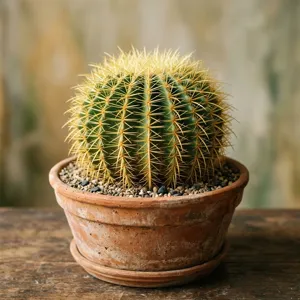
| Feature | Jungle Cactus (Fishbone) | Desert Cactus (Barrel) |
|---|---|---|
| Light | Bright Indirect / Dappled | Blazing Direct Sun |
| Watering | When top half of soil is dry | When 100% bone dry |
| Soil | Chunky orchid bark mix | Heavy sand/pumice mix |
Troubleshooting & Diagnostics Guide
1 Why is my Fishbone Cactus growing long, thin, round stems instead of flat zig-zags?
Diagnosis: Etiolation – insufficient light
Treatment: Move to a brighter location; prune thin stems; new growth should revert to flat zig-zags.
Prevention: Provide bright indirect light, avoiding direct harsh sun.
2 Why are the stems turning yellow and wrinkled?
Diagnosis: Overwatering (mushy) or underwatering (crispy) – check soil
Treatment: If soil wet, allow to dry; if dry, water thoroughly; if rot, unpot and trim.
Prevention: Water only when soil is nearly dry; use well-draining cactus mix.
Authoritative Resources
For additional peer-reviewed information on plant diseases, toxicity, and care, consult these trusted botanical and agricultural extensions:
Glossary of Terms
- Epiphyte
- A plant that grows on the surface of another plant (like a tree) and derives its moisture and nutrients from the air, rain, and debris accumulating around it.
- Etiolation
- A process in plants grown in partial or complete absence of light. It is characterized by long, weak stems, smaller leaves, and a pale color.
Frequently Asked Questions
Why is my Fishbone Cactus growing long, thin, round stems instead of flat zig-zags?
How often should I water my Ric Rac Cactus?
How do I get my Fishbone Cactus to flower?
Is the Fishbone Cactus toxic to cats?
Why are the stems turning yellow and wrinkled?
Sources & References
-
Source: powo.science.kew.org
-
Source: edis.ifas.ufl.edu
Explore More