Christmas Cactus (Schlumbergera) Care Guide: Light, Watering & Reblooming
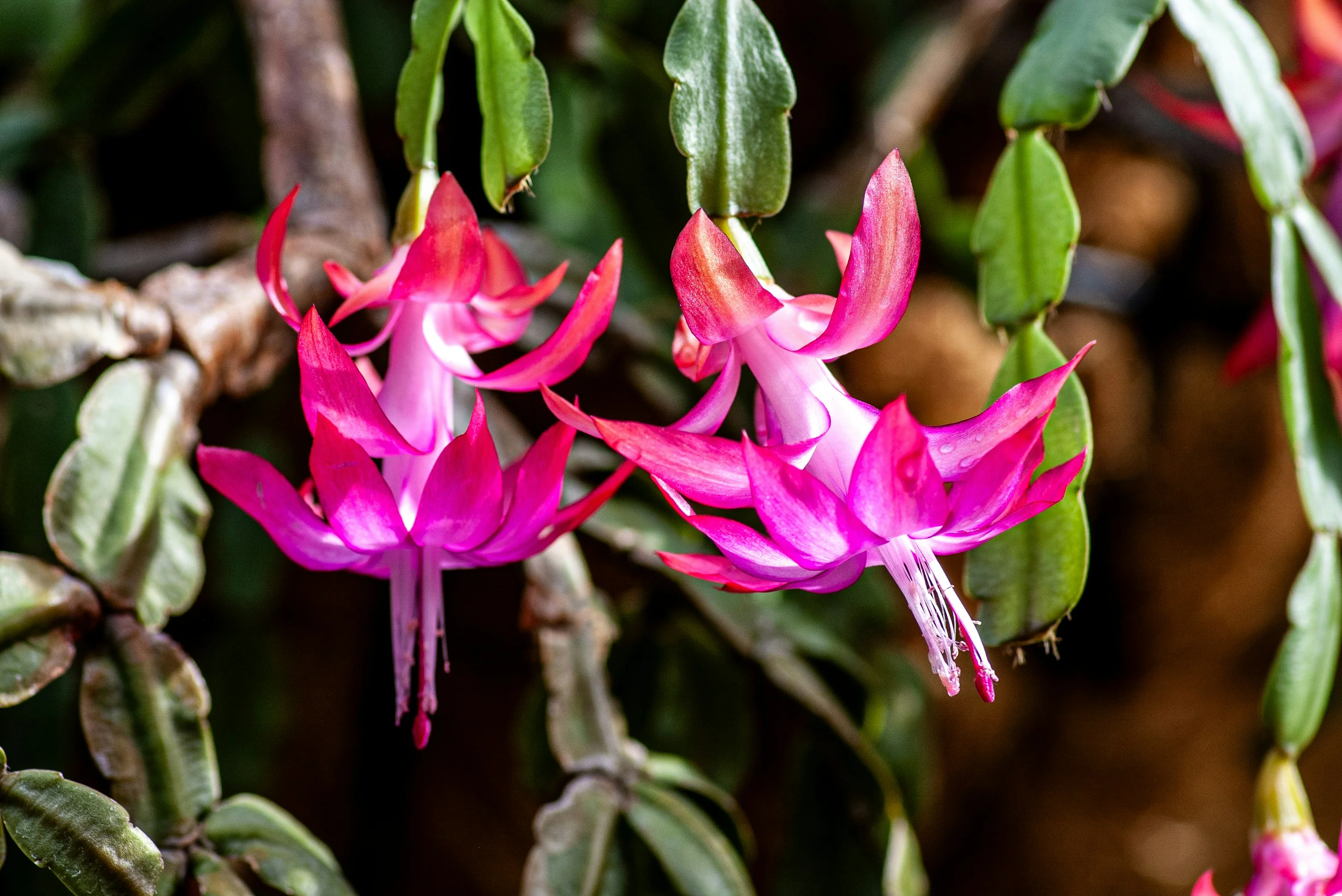
The Christmas Cactus is a spectacular jungle epiphyte famous for exploding into bright pink and red blooms in the dead of winter. It requires a strict dark treatment in autumn to trigger its flowers.
-
Difficulty
moderate
-
Light
Requires bright, indirect light year-round. However, to bloom, it must experience 14 continuous hours of complete, uninterrupted darkness every night for six weeks in the autumn.
-
Temperature
60°F - 70°F (15°C - 21°C)
-
Growth
moderate
-
Humidity
50% - 60%
-
pH range
5.5 - 6.5
-
Biggest Owner Mistake
Treating it like a desert cactus by giving it full sun and allowing the soil to dry completely—it's actually a jungle epiphyte from Brazilian forest canopies that needs bright indirect light and soil that stays lightly moist. Direct sun bleaches and damages the flat stem segments permanently.
-
What Nobody Tells You
Bud formation requires 6–8 weeks of long, dark nights (12–14 hours of uninterrupted darkness) starting in early fall—even a brief exposure to indoor light at night during this period resets the cycle and prevents blooming. Placing it in an unused room where no lights are turned on is the most reliable method.
-
Real Home Conditions
In warm, well-lit rooms used year-round, it almost never blooms because the combination of warmth and nighttime indoor lighting prevents the dark-period trigger from occurring. A cool room (50–60°F) with guaranteed dark nights from September onward is the key to reliable flowering.
Quick Answer
The Christmas Cactus is a jungle plant, not a desert plant; water it when the top inch of soil is dry. To get it to bloom in winter, it must be kept in complete, uninterrupted darkness for 14 hours every night starting in October.
Key Takeaways
- Provide bright indirect light rather than direct sun for this cactus.
- Water when the top inch of soil dries; avoid the dry spells desert cacti tolerate.
- Provide a cooler, darker period in fall to trigger holiday blooming.
- Avoid disturbing or moving the plant once flower buds have formed.
Overview
The Christmas Cactus (Schlumbergera) is one of the most beloved holiday plants in the world. Often passed down through generations—some plants are documented to be over 100 years old—it is famous for exploding into massive, tiered, bright pink or ruby red flowers right in the dead of winter.
However, the single biggest mistake people make is reading the word "cactus" and treating it like one. The Christmas Cactus is a jungle epiphyte. It originates in the humid, shaded canopy of the Brazilian rainforest, where it grows on the bark of trees. It hates blazing desert sun, it despises bone-dry sandy soil, and it requires significantly more water than a typical cactus. Understanding its jungle origins, and mastering the secret "dark treatment," are the keys to a spectacular winter display.
The Secret to Blooming: The Dark Treatment
The most common complaint about the Christmas Cactus is that it grows massive and green but never produces a single flower. This is because it is a "short-day" plant. It relies on the shortening days of autumn as a biological trigger to tell it that winter is coming and it must produce flowers.
To force it to bloom, starting in early October, the plant MUST receive 13 to 14 hours of total, uninterrupted darkness every single night for six weeks.
The darkness must be absolute. If the plant is in your living room and you turn on a lamp at 9:00 PM, you have broken the cycle, and the plant will abort its flowers. If a streetlamp shines through the window, it will abort its flowers. You must either place the plant in a completely unused, dark room from 6:00 PM to 8:00 AM, or place a cardboard box over the plant every night. Alongside the darkness, the plant prefers cooler temperatures (around 60°F) during this period to set its buds.
The "Bud Blast" Danger
Once the tiny flower buds finally appear at the tips of the leaves, the plant becomes incredibly dramatic. If you move the plant to a new room, rotate it, expose it to a cold draft from a cracked window, or let the soil dry out too much, it will panic and intentionally drop all of its unopened flower buds onto the floor. Once the buds form, leave the plant exactly where it is and keep the soil evenly moist.
Watering: Not a Desert Plant
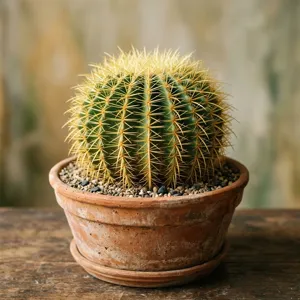
Because it lacks the massive water-storing capabilities of a barrel cactus, the Christmas Cactus needs to be watered far more frequently. Allow only the top inch of the potting soil to dry out before watering.
When you do water, soak the pot thoroughly until water flows out the drainage holes. Never let the pot sit in a saucer of standing water. If you under-water the plant, the thick green segments will become deeply wrinkled, thin, and turn a purple-red color.
Light Requirements
To produce thick, healthy green segments, the plant requires bright, indirect light year-round. An east-facing window is ideal. Avoid harsh, direct afternoon sun, which will scorch the leaves and turn the entire plant an unhealthy shade of yellow-red.
Soil and Potting
Standard cactus soil is actually too sandy and dense for this plant. Remember, it grows on trees. It needs a highly aerated, chunky epiphytic mix. Combine high-quality potting soil with generous amounts of coarse orchid bark and perlite. This mimics the loose debris found in the crooks of jungle trees and ensures the roots get plenty of oxygen.
Toxicity
Unlike the highly toxic Poinsettia or the Amaryllis, the Christmas Cactus is a fantastic, worry-free holiday addition to homes with pets. It is completely non-toxic to cats, dogs, and humans.
Calculator
Interactive Calculators for Schlumbergera
Recommended next actions
Next Best Actions
Use calculators and guides to turn this plant profile into a practical care routine.
Topic Guide
Watering
Learn everything about watering for your indoor and aquarium plants. Expert care tips, troubleshooting, and related guides.
Plant Guide
Epiphyllum Anguliger
The Fishbone Cactus (Ric Rac) is a jungle cactus famous for its bizarre, zig-zagging stems. Unlike desert cacti, it prefers humidity, more frequent watering, and bright indirect light.
Guide
Wilting Houseplants: Is it Thirsty, Drowning, or Dying?
As horticulturists, we've found that the biggest mistake indoor gardeners make when seeing a wilted plant is blindly reaching for the watering can. We use a simple diagnostic matrix based on turgor pressure to determine exactly why a plant has collapsed.
Topic Guide
Root Rot
Learn how to identify and treat root rot in houseplants. Discover causes, symptoms, and step-by-step solutions to save your plants from overwatering.
Structured Plant Data
Plant Data Profile
The following data is extracted directly from our botanical knowledge graph for accuracy and transparency.
Growth Characteristics
Growth Rate
moderate
Mature Height
1-2 feet indoors
Mature Spread
1-2 feet wide (trailing)
Life Cycle
Perennial
Flowering Season
Winter (produces massive, tiered, tubular flowers in pink, red, or white)
Container Friendly
yes
Indoor Capable
yes
Environmental Parameters
| Parameter | Recommended | Survivable |
|---|---|---|
| Temperature | 60°F - 70°F (15°C - 21°C) | 50°F - 90°F (10°C - 32°C) |
| Humidity | 50% - 60% | 30% - 80% |
| Soil PH | 5.5 - 6.5 | 5.0 - 7.0 |
Lighting
Description
Requires bright, indirect light year-round. However, to bloom, it must experience 14 continuous hours of complete, uninterrupted darkness every night for six weeks in the autumn.
Nutrients
Nitrogen Demand
low
Phosphate Demand
high
Potassium Demand
moderate
Micronutrient Notes
Requires a fertilizer high in phosphorus during the late summer to develop massive flower buds.
Fertilizer Frequency
Once a month from spring to early autumn with a bloom-boosting fertilizer.
Organic Options
Bone meal mixed into the topsoil in late summer.
Relationships
-
Root Rot
Vulnerability | Strength 8
Will quickly rot and collapse if potted in heavy soil or left sitting in standing water.
Holiday Cactus Identification Comparison
| Cactus Type | Leaf Edge Shape | Bloom Time |
|---|---|---|
| Thanksgiving (Truncata) | Sharp, jagged, claw-like | Late Autumn (Nov) |
| Christmas (Bridgesii) | Smooth, rounded, scalloped | Early Winter (Dec) |
| Easter (Gaertneri) | Smooth, rounded, bristled tips | Spring (March/April) |
Troubleshooting & Diagnostics Guide
1 Why didn't my Christmas Cactus bloom this year?
Diagnosis: Insufficient long-night period (needs 14 hours uninterrupted darkness for 6 weeks)
Treatment: Provide total darkness from 6 PM to 8 AM daily for 6 weeks starting in October; keep temperatures cool.
Prevention: Follow light‑dark regimen in autumn.
2 Why are the flower buds falling off before they open?
Diagnosis: Bud blast – stress from relocation, drafts, or dry soil
Treatment: Keep plant stable; avoid moving; water consistently; protect from drafts.
Prevention: Stable environment during bud formation.
3 Why are the leaves turning purple and shriveled?
Diagnosis: Underwatering or too much direct sun
Treatment: Water if soil dry; move to indirect light.
Prevention: Water when top inch feels dry; provide bright indirect light.
Authoritative Resources
For additional peer-reviewed information on plant diseases, toxicity, and care, consult these trusted botanical and agricultural extensions:
Glossary of Terms
- Short-Day Plant
- A plant that requires a long period of darkness (short days) to trigger the biological process of flowering. The Christmas Cactus requires 14 hours of darkness per night.
- Bud Blast
- A condition where a plant prematurely drops its unopened flower buds due to sudden environmental stress, such as a cold draft, a change in lighting, or severe dehydration.
Frequently Asked Questions
Why didn't my Christmas Cactus bloom this year?
Why are the flower buds falling off before they open?
Why are the leaves turning purple and shriveled?
What is the difference between a Christmas Cactus and a Thanksgiving Cactus?
Is the Christmas Cactus toxic to cats?
Sources & References
-
Source: powo.science.kew.org
-
Source: extension.umn.edu
Explore More