Leaf Spot
Leaf spot encompasses dozens of distinct fungal and bacterial pathogens, including species within Cercospora, Alternaria, Septoria, and Pseudomonas, each infecting through slightly different mechanisms but producing broadly similar visual symptoms of discrete, discolored lesions surrounded by healthy tissue. Infection typically requires a film of free water on the leaf surface for spore germination or bacterial entry, meaning conditions that keep foliage wet for extended periods, poor airflow, overhead watering, high humidity, significantly increase disease risk.
Quick Answer
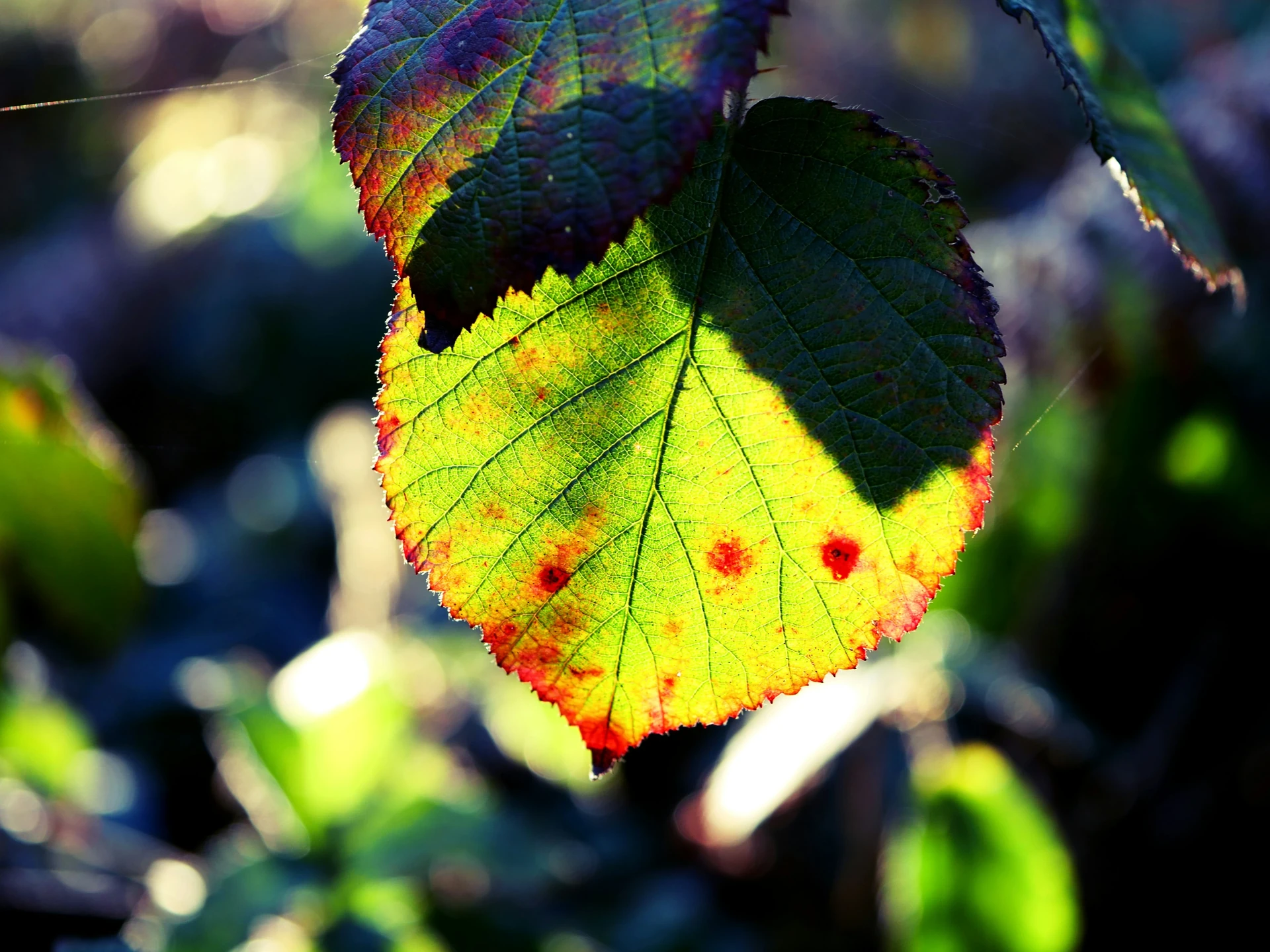
Leaf spot describes a category of diseases caused by fungal or bacterial pathogens producing localized lesions of dead or discolored leaf tissue. Infection typically begins when spores or bacteria land on a leaf surface that stays wet for an extended period. Avoiding overhead watering and improving airflow are the primary methods for prevention.
What Is Leaf Spot?
Leaf spot is a general term describing a category of plant diseases caused by fungal or bacterial pathogens that infect leaf tissue, producing localized lesions of dead or discolored cells. Rather than a single disease, leaf spot encompasses dozens of distinct pathogens, including species within genera such as Cercospora, Alternaria, Septoria, and various Pseudomonas bacteria, each of which infects through slightly different mechanisms but produces broadly similar visual symptoms: discrete spots of necrotic tissue surrounded by healthy green leaf area.
Infection typically begins when fungal spores or bacterial cells land on a leaf surface that remains wet for an extended period. Many fungal spores require a film of free water to germinate, after which they penetrate the leaf either through natural openings like stomata or through wounds in the cuticle, the waxy outer layer that normally protects leaf tissue from pathogen entry. Once inside, the pathogen begins breaking down plant cells, either through direct enzymatic digestion of cell walls or, in the case of some bacteria, by releasing toxins that kill surrounding tissue ahead of the advancing infection.
As the pathogen spreads within the leaf, the plant's own defense responses often contribute to the visible lesion. Localized cell death, a process that can be part of the plant's attempt to wall off the infection, creates the characteristic necrotic spot. Depending on the pathogen, these lesions may develop concentric rings, yellow halos caused by toxin diffusion into surrounding tissue, or a water-soaked appearance in early bacterial infections before tissue dries and browns.
Leaf spot matters not only because of the cosmetic damage it causes but because severe or repeated infections reduce the leaf's functional photosynthetic surface area. A leaf riddled with necrotic spots has proportionally less chlorophyll-containing tissue available for light capture, and in advanced cases, the plant may shed affected leaves entirely, redirecting resources but temporarily reducing overall energy production until new growth replaces the lost foliage.
Signs and Symptoms
- Circular or irregular brown spots on leaf surfaces: Lesions appear scattered across both older and newer leaves, often starting as small pinpoint marks that expand over 1-2 weeks into spots ranging from a few millimeters to over a centimeter in diameter.
- Yellow halos surrounding dark lesions: A ring of chlorotic, yellowing tissue forms around the necrotic center of each spot, particularly visible on broad-leaved tropical plants, as toxins released by the pathogen diffuse into adjacent healthy cells.
- Water-soaked appearance on new lesions: Freshly infected areas, especially in bacterial leaf spot, initially look translucent or greasy and slightly darker than surrounding tissue before drying out and turning brown or black within a few days.
- Concentric ring patterns within larger spots: Some fungal leaf spots develop a target-like appearance, with alternating bands of lighter and darker tissue radiating outward from the original infection point as the pathogen spreads in pulses tied to environmental conditions.
- Spots coalescing into larger dead patches: Individual lesions that begin as separate spots can merge as infection progresses, particularly along leaf margins and tips, eventually causing entire sections of a leaf to die back over the course of 2-3 weeks.
- Premature yellowing and drop of affected leaves: Leaves with extensive spotting, especially older lower leaves, often turn uniformly yellow and detach from the plant within days, even when the spotted areas themselves represent only a portion of the leaf surface.
- Visible fungal fruiting bodies in spot centers: Under close inspection, the centers of older lesions may show tiny black or dark brown specks, which are fungal fruiting structures that release spores capable of spreading infection to nearby leaves or plants.
Step-by-Step: How to Treat Leaf Spot
- Remove and discard all visibly infected leaves immediately, cutting them at the base of the petiole with clean scissors to prevent spores or bacteria from dispersing onto healthy foliage during removal.
- Dispose of infected material away from other plants, ideally outside the growing area entirely, since fungal spores can remain viable on fallen debris for several weeks and continue to serve as an infection source.
- Increase airflow around the plant by spacing it at least 6-8 inches from neighboring plants, reducing the humid, stagnant microclimate that allows leaf surfaces to remain wet for extended periods.
- Adjust your watering technique to avoid wetting foliage, directing water to the soil surface only, since splashing water onto leaves is one of the primary ways fungal spores and bacteria spread from infected to healthy tissue.
- If watering from above is unavoidable, water in the early morning so leaves dry within a few hours under daylight, rather than remaining wet for 8-10 hours overnight, which favors spore germination.
- For fungal leaf spot on valuable specimens, apply a copper-based fungicide labeled for ornamental use, following the product's specified dilution rate exactly, and repeat according to the label's interval, typically every 7-14 days during active infection.
- Monitor the plant over the following 2-3 weeks for new spot formation; if new lesions continue appearing on previously healthy leaves despite improved conditions, reassess humidity and airflow, as environmental factors are often the underlying driver of recurring infection.
Best Practices and Pro Tips
Sterilize Tools Between Cuts: Wiping blades with isopropyl alcohol between each infected leaf removal prevents mechanically transferring pathogens from diseased tissue to healthy leaves during the same pruning session.
Bottom-Water When Possible: Watering by placing the pot in a tray of water for 10-15 minutes, allowing the soil to absorb moisture from below, eliminates the foliage-wetting that drives most leaf spot infections.
Distinguish Fungal from Bacterial Spots: Bacterial leaf spot lesions often appear water-soaked and angular, following leaf veins, while fungal spots tend to be more circular with defined edges; this distinction matters because copper-based treatments work differently against each.
Quarantine New Plants Briefly: Keeping newly acquired plants separated from your collection for 2-3 weeks allows latent leaf spot infections to become visible before the plant has a chance to spread spores to established specimens.
Improve Drainage to Reduce Stress: Plants growing in compacted or poorly draining potting mix experience root stress that can weaken overall vigor, making foliage more susceptible to opportunistic leaf spot pathogens even when humidity is well managed.
Quick Reference Table
| Factor | Recommended Range | Why It Matters |
|---|---|---|
| Plant Spacing for Airflow | At least 6-8 inches apart | Reduces the humid microclimate between leaves where spores germinate and spread |
| Fungicide Reapplication Interval | Every 7-14 days per label | Maintains protective coverage as new leaf growth emerges and older fungicide residue breaks down |
| Leaf Drying Time After Watering | Within a few hours | Prevents prolonged leaf wetness that favors fungal spore germination overnight |
| New Plant Quarantine Period | 2-3 weeks | Allows latent infections to become visible before exposing established plants to risk |
| Monitoring Window After Treatment | 2-3 weeks | Confirms whether new lesions have stopped forming or environmental factors need further adjustment |
Plants Most Susceptible to Leaf Spot
The peace lily (Spathiphyllum wallisii) frequently develops fungal leaf spot when its broad, soft leaves remain wet for extended periods, particularly in plants kept in low light where slower transpiration leaves moisture sitting on the foliage surface longer than in brighter conditions.
English ivy (Hedera helix) is highly prone to bacterial leaf spot, especially when grown in dense, poorly ventilated arrangements where overlapping leaves trap humidity and create ideal conditions for water-soaked lesions to spread rapidly between adjacent leaves.
Calathea species, with their thin leaf tissue and preference for consistently moist growing conditions, frequently show fungal leaf spot when overhead watering wets the foliage, a risk that increases further when paired with cool nighttime temperatures that slow leaf drying.
Dracaena varieties develop leaf spot most often when grown in potting mixes that retain excess moisture around the base, since chronically damp lower leaves provide an entry point for fungal pathogens, an issue closely tied to the soil conditions covered in our Soil Moisture guide.
The ZZ plant (Zamioculcas zamiifolia), despite its general resilience, can develop leaf spot when overwatered, as the resulting root stress weakens the plant's natural defenses against opportunistic fungal pathogens present in the growing environment.
Philodendron species, particularly those with large, glossy leaves, are susceptible to bacterial leaf spot when grown in crowded collections, with infections sometimes spreading from a single affected plant to neighbors within a couple of weeks, a scenario we explore further in our Bacterial Blight article, and growers should also review our Humidity guide when adjusting conditions to reduce recurrence.
Common Mistakes to Avoid
Watering Foliage Directly: Pouring water over leaves rather than at the soil line leaves moisture sitting on leaf surfaces for hours, creating the wet conditions fungal spores need to germinate, often resulting in new spots within 5-7 days.
Overcrowding Plants: Placing plants closer than 6-8 inches apart restricts airflow and traps humid air between leaves, allowing leaf spot to spread from one plant to neighboring foliage within 1-2 weeks.
Reusing Unsterilized Pruning Tools: Moving from an infected leaf to a healthy one without sterilizing blades transfers pathogens directly, often producing new lesions on the previously healthy leaf within a week.
Applying Fungicide Without Removing Infected Leaves: Spraying fungicide while leaving heavily spotted leaves in place allows the pathogen to continue producing spores from existing lesions, undermining treatment even when applied at the correct 7-14 day interval.
Ignoring Recurring Infections: Treating each outbreak individually without addressing underlying humidity or airflow issues often results in leaf spot returning every few weeks, since the environmental conditions favoring the pathogen remain unchanged.
Frequently Asked Questions
How effective is treatment for leaf spot once it appears?
Treatment is most effective when started early, with removal of infected leaves and improved airflow often stopping further spread within 2-3 weeks even without fungicide. For more severe fungal infections, copper-based fungicides applied at label-specified rates every 7-14 days typically reduce new lesion formation significantly, though existing spots will not heal and remain as permanent damage on affected leaves.
What time of year is leaf spot most common?
Leaf spot tends to be most prevalent during periods of high humidity combined with cooler temperatures, often in late autumn or during extended cloudy, damp weather when leaves dry more slowly after watering. Indoor plants near frequently opened windows or in poorly ventilated bathrooms can also experience increased leaf spot during humid summer months.
Do I need a fungicide to treat leaf spot, or are there non-chemical options?
Many mild leaf spot cases resolve through cultural changes alone, including removing infected leaves, improving airflow with 6-8 inches of spacing between plants, and switching to bottom-watering to keep foliage dry. Fungicide becomes more useful for valuable specimens with persistent or spreading infections, applied according to label directions roughly every 7-14 days during active outbreaks.
How do I prevent leaf spot from coming back after treatment?
Long-term prevention centers on consistently keeping foliage dry, which means bottom-watering when practical and ensuring any leaves wetted by misting or rain dry within a few hours rather than overnight. Maintaining adequate spacing between plants and periodically inspecting new growth for early water-soaked or yellow-haloed spots allows you to catch and remove infections before they spread.
I removed all the spotted leaves but new spots are appearing on healthy leaves, what should I do?
This usually indicates the underlying environmental conditions, typically excess humidity around the foliage or water sitting on leaves after watering, remain unaddressed even though the visibly infected tissue is gone. Reassess airflow, increase spacing to at least 6-8 inches between plants, switch to bottom-watering, and continue monitoring for 2-3 weeks; if spots persist despite these changes, a fungicide application at the label-recommended interval may be necessary.
Frequently Asked Questions
How effective is treatment for leaf spot once it appears?
Treatment is most effective when started early, with removal of infected leaves and improved airflow often stopping further spread within 2-3 weeks even without fungicide. For more severe fungal infections, copper-based fungicides applied at label-specified rates every 7-14 days typically reduce new lesion formation significantly, though existing spots will not heal and remain as permanent damage on affected leaves.
What time of year is leaf spot most common?
Leaf spot tends to be most prevalent during periods of high humidity combined with cooler temperatures, often in late autumn or during extended cloudy, damp weather when leaves dry more slowly after watering. Indoor plants near frequently opened windows or in poorly ventilated bathrooms can also experience increased leaf spot during humid summer months.
Do I need a fungicide to treat leaf spot, or are there non-chemical options?
Many mild leaf spot cases resolve through cultural changes alone, including removing infected leaves, improving airflow with 6-8 inches of spacing between plants, and switching to bottom-watering to keep foliage dry. Fungicide becomes more useful for valuable specimens with persistent or spreading infections, applied according to label directions roughly every 7-14 days during active outbreaks.
How do I prevent leaf spot from coming back after treatment?
Long-term prevention centers on consistently keeping foliage dry, which means bottom-watering when practical and ensuring any leaves wetted by misting or rain dry within a few hours rather than overnight. Maintaining adequate spacing between plants and periodically inspecting new growth for early water-soaked or yellow-haloed spots allows you to catch and remove infections before they spread.
I removed all the spotted leaves but new spots are appearing on healthy leaves, what should I do?
This usually indicates the underlying environmental conditions, typically excess humidity around the foliage or water sitting on leaves after watering, remain unaddressed even though the visibly infected tissue is gone. Reassess airflow, increase spacing to at least 6-8 inches between plants, switch to bottom-watering, and continue monitoring for 2-3 weeks; if spots persist despite these changes, a fungicide application at the label-recommended interval may be necessary.
Explore More
Related Topics
Related Plant Guides
No specific plant guides found matching this topic.
Recommended next actions
Continue Exploring
Dive deeper into related plant care tools and profiles.
Topic Guide
Bacterial Blight
Learn everything about bacterial blight for your indoor and aquarium plants. Expert care tips, troubleshooting, and related guides.
Topic Guide
Humidity
Learn everything about humidity for your indoor and aquarium plants. Expert care tips, troubleshooting, and related guides.
Topic Guide
Soil Moisture
Learn how to accurately check soil moisture for houseplants. Discover when to water using finger tests, moisture meters, and pot weight.