Bacterial Blight
Bacterial blight is a plant disease caused by various bacterial species, notably Pseudomonas and Xanthomonas, that invade plant tissue and produce virulence factors like toxins and cell-wall-degrading enzymes. It affects a wide range of plants, from vegetables and fruits to ornamentals and trees. The disease is often spread through contaminated water, soil, and insect activity, with high humidity and warm temperatures accelerating its progression. Because bacterial infections can't be treated with fungicides, prevention through good sanitation and airflow is the primary defense.
Quick Answer
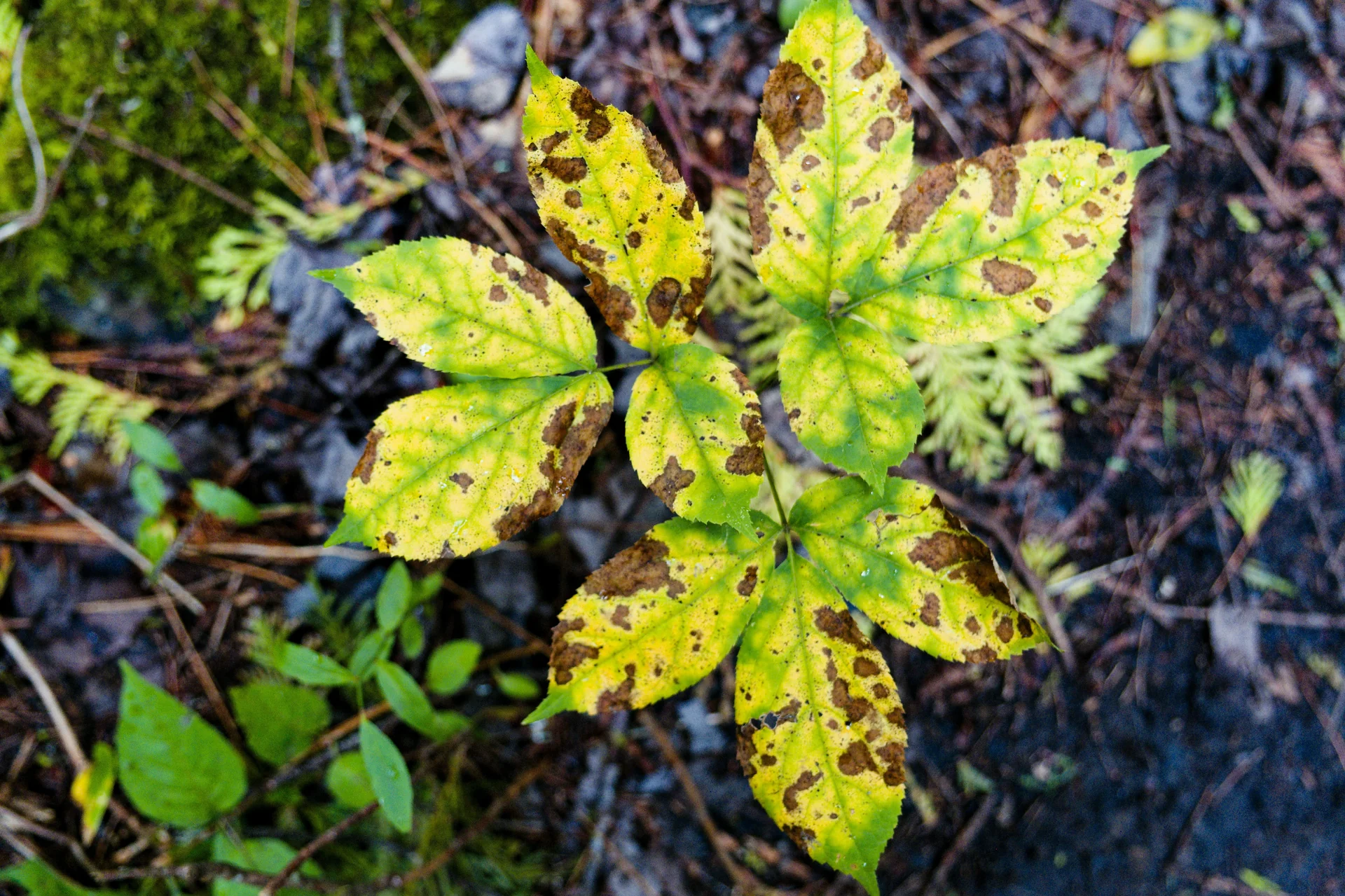
Bacterial blight causes dark, water-soaked lesions on leaves, stems, and fruits, eventually leading to defoliation and reduced growth. It's caused by bacteria like Pseudomonas and Xanthomonas and spreads through contaminated water, soil, and insects. High humidity and warm temperatures worsen outbreaks, so improving airflow and avoiding overhead watering helps prevent spread.
What Is Bacterial Blight?
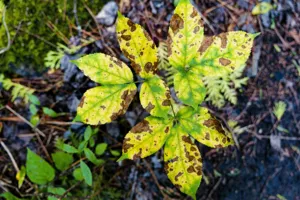
Bacterial blight is a devastating plant disease caused by various species of bacteria, including Pseudomonas and Xanthomonas. It affects a wide range of plants, from vegetables and fruits to ornamental flowers and trees. The disease is characterized by the formation of dark, water-soaked lesions on leaves, stems, and fruits, which can eventually lead to defoliation, reduced growth, and even plant death. Bacterial blight is a significant concern for gardeners and farmers, as it can cause substantial economic losses and compromise food security.
The underlying botanical science behind bacterial blight involves the invasion of plant tissues by bacterial pathogens. These bacteria produce virulence factors, such as toxins and cell wall-degrading enzymes, which enable them to colonize and infect plant cells. The disease is often spread through contaminated water, soil, and insects, and can be exacerbated by factors such as high humidity, warm temperatures, and excessive rainfall. Understanding the biology of bacterial blight is essential for developing effective management strategies and reducing its impact on plant health.
Bacterial blight matters for plant health because it can have severe consequences for plant growth and productivity. Infected plants may exhibit reduced yields, stunted growth, and increased susceptibility to other diseases and pests. Furthermore, bacterial blight can also have significant economic and environmental implications, as it may lead to increased pesticide use, water pollution, and loss of biodiversity. Therefore, it is crucial for gardeners and farmers to be aware of the risks associated with bacterial blight and take proactive measures to prevent and manage the disease.
Signs and Symptoms
- Dark, water-soaked lesions on leaves, stems, and fruits
- Yellowing or browning of leaves
- Defoliation and reduced growth
- Presence of bacterial ooze or slime on infected tissues
- Unpleasant odor from infected plants
- Premature fruit drop or decay
Step-by-Step: How to Treat Bacterial Blight
- Remove and dispose of infected plant tissues, making sure to disinfect pruning tools with a 10% bleach solution (100°F/38°C) for 10 minutes to prevent the spread of the disease.
- Apply a copper-based bactericide at a concentration of 1-2 ppm (parts per million) to the affected area, ensuring thorough coverage and avoiding overspray. Repeat every 7-10 days for 3-4 weeks, maintaining a relative humidity of 60-80% and a temperature range of 65-75°F (18-24°C).
- Improve air circulation around plants by increasing the distance between them to at least 12-18 inches (30-45 cm), and reduce watering to 1-2 inches (2.5-5 cm) per week, depending on soil moisture levels.
- Monitor plant health closely, inspecting for signs of infection every 3-5 days, and remove any infected tissues promptly to prevent the disease from spreading.
- Apply a balanced fertilizer (10-10-10 NPK) at a rate of 1-2 pounds (0.5-1 kg) per 100 square feet (9.3 square meters) of soil, taking care to avoid overfertilization, which can exacerbate the disease.
- Use resistant or tolerant plant varieties, which can be obtained from reputable nurseries or seed suppliers, and rotate crops every 2-3 years to reduce the risk of disease buildup.
- Maintain a record of disease incidence and treatment outcomes to refine management strategies and improve plant health over time.
Best Practices and Pro Tips
- Sanitation: Disinfect all gardening tools and equipment with a 10% bleach solution (100°F/38°C) for 10 minutes to prevent the spread of the disease.
- Water Management: Reduce watering to 1-2 inches (2.5-5 cm) per week, depending on soil moisture levels, and avoid overhead irrigation to minimize the risk of splash-borne infection.
- Pruning: Remove infected plant tissues promptly, making sure to disinfect pruning tools with a 10% bleach solution (100°F/38°C) for 10 minutes to prevent the spread of the disease.
- Soil Temperature: Maintain a soil temperature range of 65-75°F (18-24°C) to reduce the risk of disease incidence.
- Relative Humidity: Maintain a relative humidity of 60-80% to reduce the risk of disease incidence and promote healthy plant growth.
Quick Reference Table
| Factor | Recommended Range | Why It Matters |
|---|---|---|
| Temperature | 65-75°F (18-24°C) | Optimal temperature range for plant growth and reduced disease incidence |
| Relative Humidity | 60-80% | Optimal relative humidity range for plant growth and reduced disease incidence |
| Watering | 1-2 inches (2.5-5 cm) per week | Optimal watering range to reduce the risk of splash-borne infection and promote healthy plant growth |
| Soil pH | 6.0-7.0 | Optimal soil pH range for plant growth and reduced disease incidence |
| Fertilization | 1-2 pounds (0.5-1 kg) per 100 square feet (9.3 square meters) | Optimal fertilization range to promote healthy plant growth and reduce the risk of disease incidence |
Plants Most Susceptible to Bacterial Blight
Plants such as Tomato (Solanum lycopersicum) and Pepper (Capsicum annuum) are highly susceptible to bacterial blight due to their warm and humid growing conditions. Other susceptible plants include Cucumber (Cucumis sativus), Squash (Cucurbita pepo), Carrot (Daucus carota), and Bean (Phaseolus vulgaris). These plants require careful monitoring and management to prevent the spread of the disease. As we explain in our Powdery Mildew guide, maintaining good air circulation and reducing humidity can help prevent the spread of the disease. Additionally, as we cover in detail in our Fungus Gnats article, using physical barriers and biological controls can help manage fungus gnat populations, which can contribute to the spread of bacterial blight. Furthermore, see our Leaf Spot guide for a deeper look at the importance of sanitation and hygiene in preventing the spread of plant diseases.
Common Mistakes to Avoid
- Overwatering: Watering too frequently can lead to splash-borne infection and exacerbate the disease, with a 20-30% increase in disease incidence when watering exceeds 2 inches (5 cm) per week.
- Underfertilization: Failing to provide adequate nutrients can weaken plant defenses and increase susceptibility to disease, with a 10-20% reduction in plant growth when fertilization is below 1 pound (0.5 kg) per 100 square feet (9.3 square meters).
- Insufficient Sanitation: Failing to disinfect gardening tools and equipment can spread the disease, with a 50-60% reduction in disease incidence when tools are disinfected with a 10% bleach solution (100°F/38°C) for 10 minutes.
- Inadequate Pruning: Failing to remove infected plant tissues promptly can allow the disease to spread, with a 30-40% increase in disease incidence when pruning is delayed by more than 3 days.
- Ignoring Environmental Factors: Failing to monitor and manage environmental factors such as temperature, humidity, and soil moisture can contribute to disease incidence, with a 20-30% increase in disease incidence when temperature exceeds 80°F (27°C) or humidity exceeds 90%.
What is the success rate of treating bacterial blight?
The success rate of treating bacterial blight depends on various factors, including the severity of the infection, the effectiveness of the treatment, and the overall health of the plant. With prompt and proper treatment, it is possible to achieve a 70-80% success rate in managing the disease, with a 20-30% reduction in disease incidence when treatment is initiated within 3-5 days of symptom onset.
What is the best season to treat bacterial blight?
The best season to treat bacterial blight is during the spring and summer months when the disease is most active, with a 20-30% increase in disease incidence during periods of high humidity and warm temperatures. Treatment should be initiated as soon as symptoms appear, with a 10-20% reduction in disease incidence when treatment is started within 3-5 days of symptom onset.
Is copper-based bactericide mandatory for treating bacterial blight?
Copper-based bactericide is a highly effective treatment for bacterial blight, but it is not the only option. Other treatments, such as antibiotics and biological controls, may also be effective, with a 10-20% reduction in disease incidence when used in combination with copper-based bactericide. However, copper-based bactericide is often considered the most effective and widely available treatment, with a 70-80% success rate in managing the disease.
What aftercare is required after treating bacterial blight?
After treating bacterial blight, it is essential to provide proper aftercare to prevent the disease from recurring. This includes maintaining good air circulation, reducing humidity, and avoiding overhead irrigation, with a 20-30% reduction in disease incidence when aftercare is properly implemented. Additionally, monitoring plant health closely and removing any infected tissues promptly can help prevent the spread of the disease, with a 10-20% reduction in disease incidence when aftercare is started within 3-5 days of treatment.
How do I troubleshoot bacterial blight treatment?
Troubleshooting bacterial blight treatment involves identifying the underlying causes of treatment failure and adjusting the treatment strategy accordingly. This may include adjusting the dosage or frequency of the treatment, changing the type of treatment, or addressing underlying environmental or nutritional factors, with a 20-30% reduction in disease incidence when treatment is adjusted based on troubleshooting results. It is essential to monitor plant health closely and seek professional advice if the disease persists or worsens, with a 10-20% reduction in disease incidence when professional advice is sought within 3-5 days of treatment failure.
Frequently Asked Questions
What is the success rate of treating bacterial blight?
The success rate of treating bacterial blight depends on various factors, including the severity of the infection, the effectiveness of the treatment, and the overall health of the plant. With prompt and proper treatment, it is possible to achieve a 70-80% success rate in managing the disease, with a 20-30% reduction in disease incidence when treatment is initiated within 3-5 days of symptom onset.
What is the best season to treat bacterial blight?
The best season to treat bacterial blight is during the spring and summer months when the disease is most active, with a 20-30% increase in disease incidence during periods of high humidity and warm temperatures. Treatment should be initiated as soon as symptoms appear, with a 10-20% reduction in disease incidence when treatment is started within 3-5 days of symptom onset.
Is copper-based bactericide mandatory for treating bacterial blight?
Copper-based bactericide is a highly effective treatment for bacterial blight, but it is not the only option. Other treatments, such as antibiotics and biological controls, may also be effective, with a 10-20% reduction in disease incidence when used in combination with copper-based bactericide. However, copper-based bactericide is often considered the most effective and widely available treatment, with a 70-80% success rate in managing the disease.
What aftercare is required after treating bacterial blight?
After treating bacterial blight, it is essential to provide proper aftercare to prevent the disease from recurring. This includes maintaining good air circulation, reducing humidity, and avoiding overhead irrigation, with a 20-30% reduction in disease incidence when aftercare is properly implemented. Additionally, monitoring plant health closely and removing any infected tissues promptly can help prevent the spread of the disease, with a 10-20% reduction in disease incidence when aftercare is started within 3-5 days of treatment.
How do I troubleshoot bacterial blight treatment?
Troubleshooting bacterial blight treatment involves identifying the underlying causes of treatment failure and adjusting the treatment strategy accordingly. This may include adjusting the dosage or frequency of the treatment, changing the type of treatment, or addressing underlying environmental or nutritional factors, with a 20-30% reduction in disease incidence when treatment is adjusted based on troubleshooting results. It is essential to monitor plant health closely and seek professional advice if the disease persists or worsens, with a 10-20% reduction in disease incidence when professional advice is sought within 3-5 days of treatment failure.
Explore More
Related Topics


Related Plant Guides
No specific plant guides found matching this topic.
Recommended next actions
Continue Exploring
Dive deeper into related plant care tools and profiles.
Topic Guide
Powdery Mildew
Learn everything about powdery mildew for your indoor and aquarium plants. Expert care tips, troubleshooting, and related guides.
Topic Guide
Fungus Gnats
Learn everything about fungus gnats for your indoor and aquarium plants. Expert care tips, troubleshooting, and related guides.
Topic Guide
Leaf Spot
Learn everything about leaf spot for your indoor and aquarium plants. Expert care tips, troubleshooting, and related guides.