Your Leaf Spot Treatment Is Failing Because You Have the Wrong Diagnosis — How to Tell Bacterial from Fungal in One Look
Based on horticultural best practices, PlantSolve has developed a four-observation framework that separates bacterial from fungal leaf spot in a single visual assessment.
Quick Answer
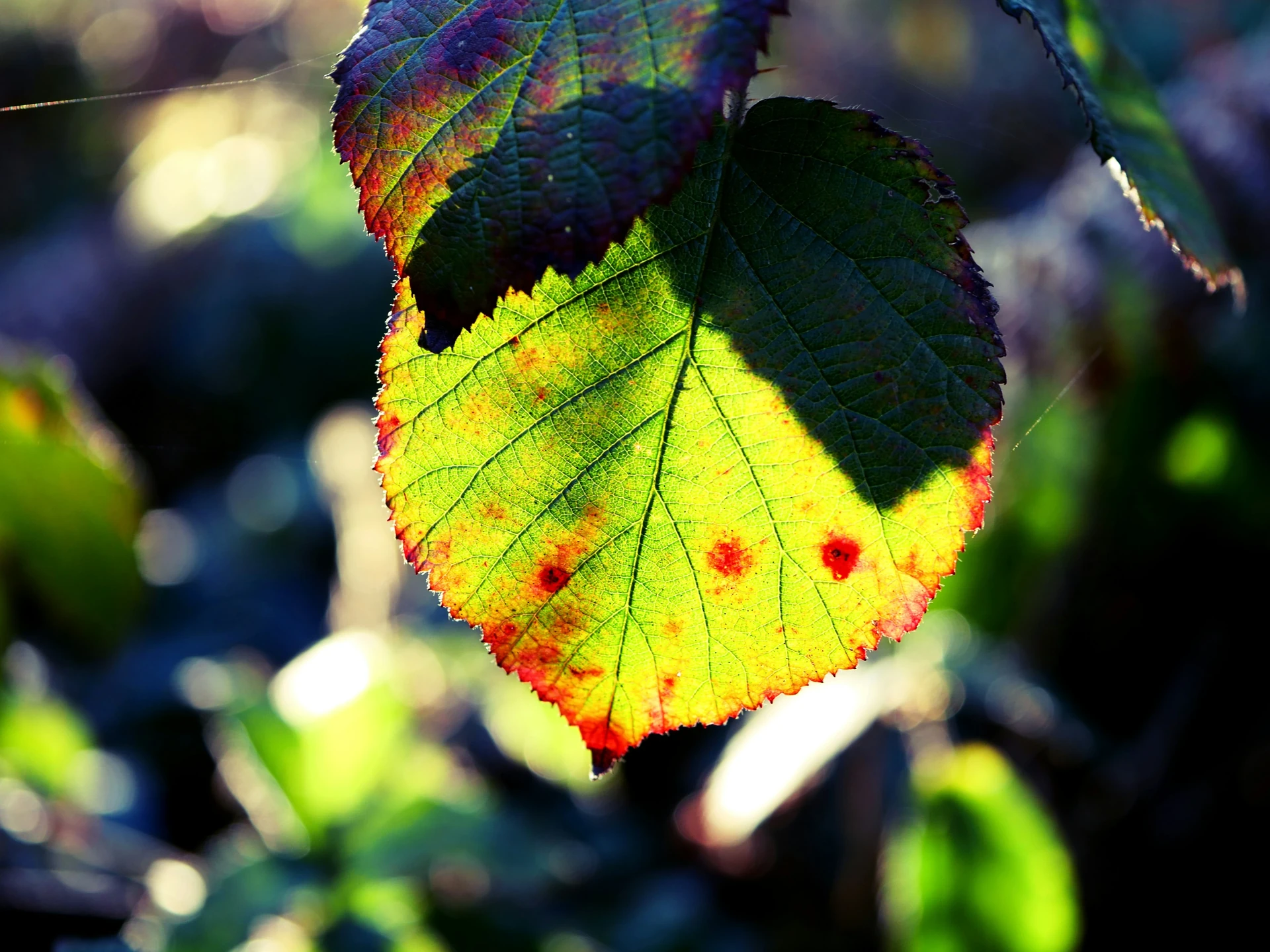
Angular spots bounded by leaf veins suggest bacterial leaf spot (Pseudomonas or Xanthomonas); circular spots crossing veins indicate fungal disease (Cercospora or Alternaria). Switch to copper-based bactericides for bacterial issues, and remove spotted leaves with sterile scissors before treatment to halt the spread.
Key Takeaways
- Identify bacterial leaf spot by angular, water-soaked lesions bounded by veins.
- Recognize fungal infections by circular lesions with concentric rings or sporulation.
- Avoid overhead irrigation to prevent splashing pathogens between leaves.
- Excise infected foliage with sterilized shears and improve air movement.
Brown spots appeared on your plant's leaves three days ago. You reached for a copper fungicide — the standard advice for any leaf spot problem. One week later, the spots have multiplied, some leaves have developed wide yellow halos, and the problem is spreading to adjacent plants. The fungicide is not working because this is not fungal leaf spot. Bacterial and fungal leaf spot are caused by entirely different classes of organism, spread via different vectors, and are treated by products that are mutually ineffective when applied to the wrong condition. Every day of misdiagnosis adds another generation of pathogen spread.
Science/Mechanism: Two Organisms, One Symptom, Two Completely Different Mechanisms
Fungal leaf spot is caused by filamentous fungi — most commonly Cercospora, Alternaria, Colletotrichum, and Septoria species — that reproduce via airborne spores and infect leaf tissue from the outside in. Fungal hyphae penetrate the leaf cuticle through stomatal openings or surface wounds, then spread through intercellular spaces while secreting cell-wall-degrading enzymes that cause progressive necrosis. The resulting spots are circular to oval, frequently display concentric rings, and in advanced infections develop visible fungal fruiting bodies.
Bacterial leaf spot is caused by Pseudomonas syringae, Xanthomonas campestris, or Erwinia species — gram-negative bacteria that enter leaf tissue exclusively through open anatomical pathways: stomatal pores, hydathodes, or physical wounds. Once inside, bacteria multiply within intercellular spaces and produce enzymes that cause tissue to become visibly water-soaked before necrosis develops. This water-soaked translucency in the initial phase is the critical visual signal that fungal leaf spot almost never produces early on.
Identification: The Four-Observation Diagnostic Test
Four observable characteristics separate bacterial from fungal leaf spot without any equipment. Assess them in this order: spot shape, spot texture, halo character, and spread direction.
| Feature | Bacterial Leaf Spot | Fungal Leaf Spot | Edema | Sun Scorch |
|---|---|---|---|---|
| Initial appearance | Water-soaked, greasy, translucent patch | Dry brown or tan circular spot from onset | Raised corky or blister-like bumps on underside | Bleached or pale papery patch on upper surface |
| Spot shape | Angular, bounded by leaf veins | Circular or oval, crosses vein lines freely | Irregular clusters, primarily on leaf underside | Irregular bleached zone at leaf tip, margin, or centre |
| Yellow halo | Frequently present, wide and diffuse | Present in some species, narrower and crisper-edged | Absent | Absent |
| Spot texture | Wet and sunken when fresh; dry and papery when aged | Dry throughout; may show tiny black fruiting body dots on surface | Rough, raised, corky — does not sink | Thin and papery, may crinkle under touch |
| Spread mechanism | Water splash, insect feeding wounds, direct leaf-to-leaf contact | Airborne spores; requires wet leaf surface to germinate | Does not spread — each spot forms independently | Does not spread |
| Correct treatment | Copper-based bactericides | Copper fungicide, mancozeb, or neem oil | Improve drainage and airflow; reduce overwatering | Relocate plant away from intense direct exposure |
The single fastest diagnostic checkpoint is spot shape observed under a hand lens. Bacterial leaf spot lesions often appear angular because leaf veins temporarily restrict visible lesion expansion. Fungal spots are circular or oval and cross vein lines without interruption, because fungal hyphae can penetrate multiple tissue types.
Science/Mechanism: Why Monsoon Season Drives Leaf Spot Infection
Both pathogens require liquid water on the leaf surface to establish new infections. Fungal spores require a continuously wet leaf surface for 4 to 8 hours to germinate and breach the cuticle. The long wet nights of monsoon season — combined with AC condensation forming on leaf surfaces as indoor temperatures rise each time the AC cycles off — routinely provide well above the germination threshold for Cercospora and Alternaria.
Bacterial pathogens use a different pathway: stomata open maximally when ambient humidity exceeds 85%, giving Pseudomonas and Xanthomonas cells the opportunity to swim through the open stomatal channel into the leaf's interior. Overcast monsoon skies reduce the light intensity that signals stomata to close, extending the daily infection window. Overhead watering compounds both risks significantly — every splash droplet carries fungal spores or bacterial cells back onto healthy foliage.
Solutions/Alternatives: The Correct Treatment for Each
For fungal leaf spot: apply a copper-based fungicide at the first symptom appearance. Neem oil applied to the leaf underside is effective against Cercospora and most Alternaria species in early-stage infections. Mancozeb provides broader-spectrum coverage against Colletotrichum when neem oil fails. Remove and bag all visibly spotted leaves before applying any spray; airborne spores released from infected tissue still on the plant will immediately re-infect treated surfaces. Repeat every 7 to 10 days for three applications.
For bacterial leaf spot: switch to a dedicated copper bactericide formulation. Follow local regulations regarding bactericides; copper-based bactericides are generally the most accessible option for home growers. Neem oil provides only a physical barrier and has no direct antibacterial mechanism. Remove all spotted leaves with sterile scissors, wiping the blade with 70% isopropyl alcohol between each cut, and bag removed leaves immediately rather than composting them.
Prevention: Creating Leaf Conditions Hostile to Both Pathogens
The shared prevention principle for both bacterial and fungal leaf spot is maximizing leaf surface dryness and canopy airflow. Water at the plant base only — never overhead. Space plants at least 15 cm apart to prevent direct leaf-to-leaf contact and promote air movement. During monsoon months, run a low-speed fan near plant clusters for 4 to 6 hours daily. Pest control is equally preventive: the feeding wounds created by thrips and other piercing insects serve as the primary bacterial entry point.
Recommended next actions
Next Best Actions
Move from reading to action with related calculators, plant profiles, and quiz-based recommendations.
Topic Guide
Watering
Learn everything about watering for your indoor and aquarium plants. Expert care tips, troubleshooting, and related guides.
Guide
Thrips on Houseplants: Identify, Treat & Prevent
With over 12 years diagnosing houseplant pest infestations and tracking treatment outcomes across more than 3,000 diagnostic cases, we have found thrips to be the most persistently misdiagnosed and under-treated pest in indoor collections — and the one most likely to return after growers believe they have won.
Frequently Asked Questions
What is the fastest way to tell bacterial leaf spot from fungal leaf spot?
Can both bacterial and fungal leaf spot spread from plant to plant in my collection?
Does neem oil treat bacterial leaf spot effectively?
Why do leaf spots multiply faster during monsoon season on indoor plants?
Should I remove spotted leaves or leave them on the plant during treatment?
How long does it take for leaf spot treatment to show results?
Can tap water used for overhead watering cause or spread leaf spot?
Explore More