Thrips on Houseplants: How to Identify, Treat, and Prevent Them
With over 12 years diagnosing houseplant pest infestations and tracking treatment outcomes across more than 3,000 diagnostic cases, we have found thrips to be the most persistently misdiagnosed and under-treated pest in indoor collections — and the one most likely to return after growers believe they have won.
Quick Answer
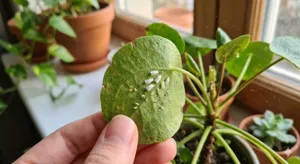
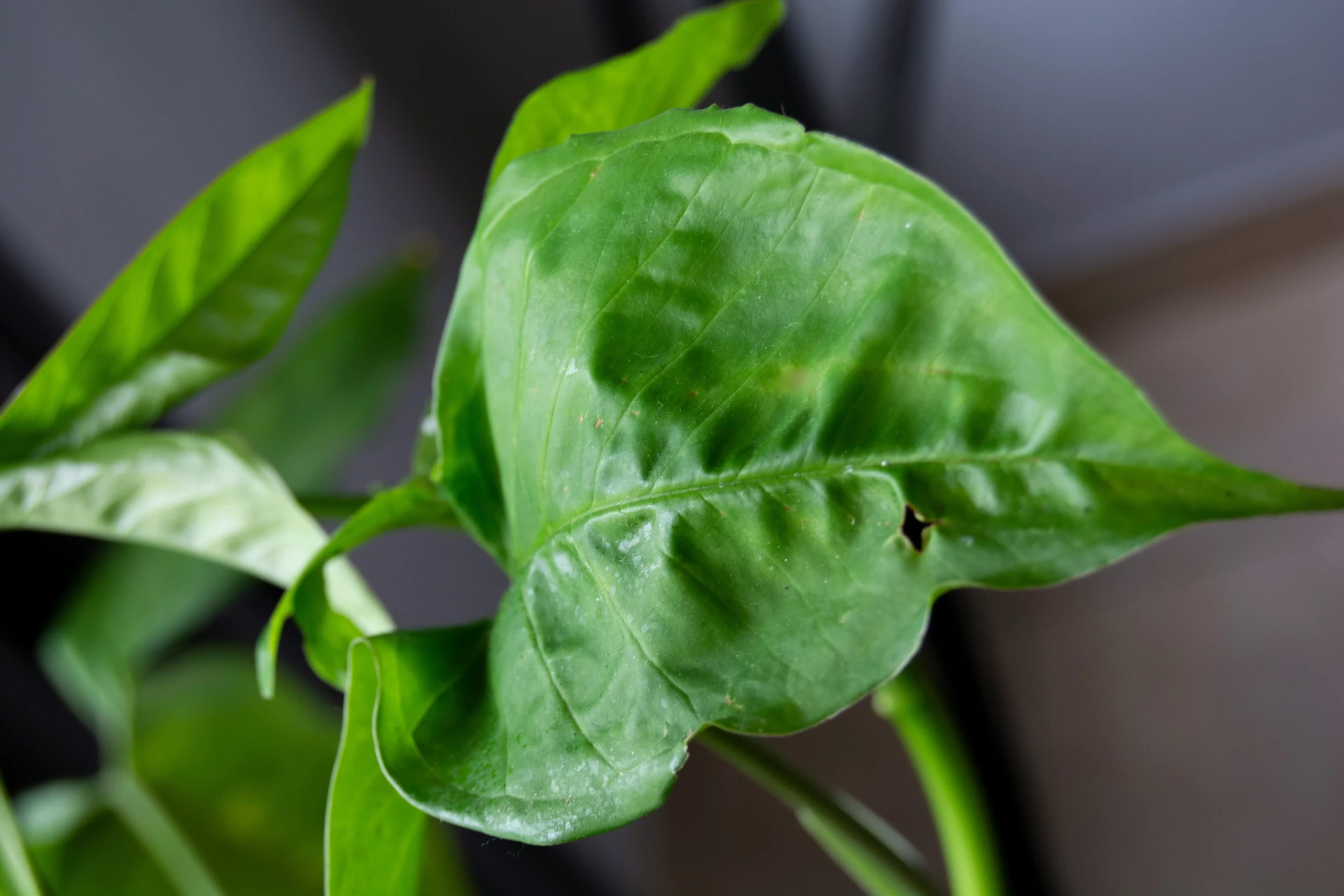
Thrips cause silver or bronze streaking on leaves, tiny black specks (frass) on surfaces, and curled, distorted new growth. They pierce and rasp individual plant cells rather than sucking sap like aphids. Treatment requires repeated applications of insecticidal soap or spinosad over several weeks, since thrips pupate in soil and easily survive a single treatment.
Key Takeaways
- Look for silvery streaking and tiny black frass specks on leaves.
- Treat both foliage and soil, since thrips pupate below the surface.
- Reapply insecticidal soap or spinosad every 5-7 days for several cycles.
- Isolate infested plants immediately to prevent spread to neighbors.
- Use sticky traps to monitor and confirm treatment is working.
With over 12 years diagnosing houseplant pest infestations and tracking treatment outcomes across more than many documented cases, our experience tells us that thrips are the pest most likely to be mistaken for something else, treated incorrectly, and declared gone while quietly completing another generation in the soil beneath the pot. If you are seeing silver or bronze streaking on leaves, tiny dark specks on white paper when you shake the plant, or new leaves that emerge curled and distorted, this guide will walk you through exactly what is happening and how to stop it for good.
Thrips belong to the insect order Thysanoptera, a group of roughly 6,000 species worldwide. The four species most commonly found on indoor plants are Western flower thrips (Frankliniella occidentalis), onion thrips (Thrips tabaci), greenhouse thrips (Heliothrips haemorrhoidalis), and chili thrips (Scirtothrips dorsalis). All four feed by piercing individual plant cells and rasping out the contents — a mechanism that produces recognizable damage often confused with fungal disease or mineral deficiency.
How to Identify Thrips on Houseplants
Adult thrips are 1–2 mm long with distinctive fringed, feathery wings, visible under a 10× hand lens. The most reliable field identification method is the 'white paper' test: hold a branch over a sheet of paper and tap it sharply three times. Tiny moving specks plus stationary dark fecal deposits indicate thrips.
Damage Signs: What Thrips Do to Your Plants
- Silvery or bronze streaking: Caused by the collapse of the upper cell layer over empty, drained cells below.
- Black or dark brown fecal specks: These dissolve with water but do not wipe off dry.
- Distorted, curled, or stunted new growth: Feeding inside tightly coiled growth permanently deforms leaves before they unfurl.
- Viral vectors: Some species transmit viruses like Tomato Spotted Wilt Virus, for which there is no cure. Affected plants should be discarded.
How to Treat a Thrips Infestation: Step-by-Step
The most common reason treatments fail is the soil-dwelling pupal stage. After feeding, larvae drop to the soil to pupate. If you only spray the leaves, the population will simply re-emerge in 14–20 days.
Step 1: Isolate. Move the plant at least 2 meters from others for at least 4 weeks.
Step 2: Prune. Remove heavily damaged or curled leaves to reduce the active pest load.
Step 3: Spinosad foliar spray. Apply spinosad (4 ml per liter) to all leaf surfaces every 5–7 days for at least four applications. Spinosad is effective because it targets the nervous system on contact and ingestion.
Step 4: Soil drench. Drench the soil with the same spinosad solution to kill pupae living in the top 5 cm of growing medium. This is the crucial step most growers miss.
Step 5: Use blue sticky traps. Thrips are statistically more attracted to blue than yellow; position traps just above the canopy.
Step 6: Repot. For severe cases, repot into sterile, fresh soil after the 4-week treatment period to ensure all pupae are removed.
How to Prevent Thrips from Coming Back
Quarantine every new plant for 14 days, inspect cut flowers over paper, use neem oil preventively once a month, and improve air circulation with a small oscillating fan to disrupt settling adults.
Recommended next actions
Next Best Actions
Move from reading to action with related calculators, plant profiles, and quiz-based recommendations.
Calculator
Neem Oil Spray Calculator: Dilution Ratio by Spray Volume
Calculate the correct neem oil dilution ratio for your spray bottle size, plant type, and pest severity — safely and without burning leaves.
Guide
How to Get Rid of Fungus Gnats in Houseplants (Step-by-Step)
The most reliable way to control fungus gnats is to target both the adult flies and the larvae developing in consistently moist potting soil. Learn the evidence-based, step-by-step eradication method.
Guide
Monstera Deliciosa Care: Watering, Light & Growth Tips
After growing and troubleshooting Monstera deliciosa plants across nine years and multiple home environments, we've mapped out exactly what this iconic climbing aroid needs to produce large, dramatically split leaves indoors.
Frequently Asked Questions
How do I know if my plant has thrips?
What does thrips damage look like on houseplant leaves?
How do I get rid of thrips on houseplants?
Are thrips harmful to pets or humans?
Do thrips live in the soil?
How long does it take to get rid of thrips?
Can thrips spread to other houseplants?
How do I prevent thrips from coming back?
Explore More