Black Spots on Dracaena in Water? Your Summer Emergency Fix
After a flood of ‘Help! Black spots on my Dracaena’ messages from sweltering flats, I’ll show you the exact hydrogen peroxide drench, water-changing rhythm, and light adjustment that stops the rot before it kills your cutting.
Quick Answer
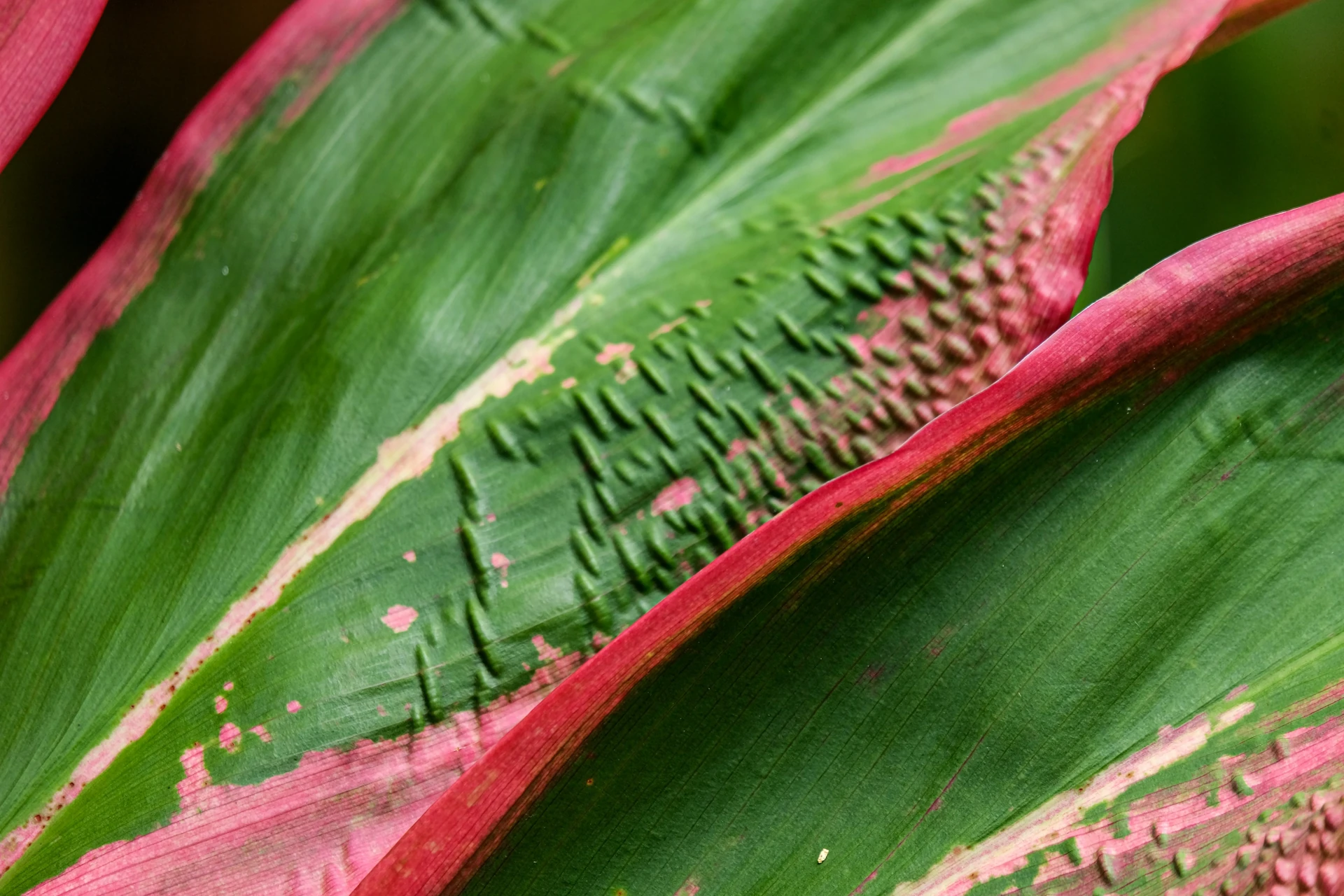
Black spots on a Dracaena growing in water are typically fungal or bacterial leaf spot, triggered by warm, stagnant water above 24°C (75°F). Immediately remove the cutting, trim all affected tissue with sterilized scissors, and rinse the roots in a 3% hydrogen peroxide solution (1 part peroxide to 3 parts water). Replace the water with fresh tepid water (22°C (72°F)) and add a small piece of activated charcoal to suppress microbes. Change water every 2–3 days and keep the vessel out of direct sun.
Key Takeaways
- Identify black foliar spots on water cuttings as pathogen-induced necrosis.
- Trim necrotic tissue cleanly with sterilized shears and rinse roots in 3% H2O2.
- Refresh propagation water every 2 to 3 days using clean, room-temperature water.
- Add a small fragment of activated horticultural charcoal to inhibit microbial growth.
You’ve been proudly growing your Dracaena cutting in a clear glass jar on the kitchen windowsill. This morning you noticed black, water‑soaked spots spreading across the lower leaves, and a dark lesion is creeping up the stem. The water smells faintly swampy. As summer temperatures push the water in that jar to 26°C (79°F) for hours each day, bacteria and fungal spores multiply explosively—turning your beautiful propagation station into a rot incubator. I’ve talked hundreds of panicked plant parents through this exact emergency, and the fix is immediate, simple, and chemical‑free. Here’s your step‑by‑step rescue plan.
Diagnosing the Black Spots
Why is my Dracaena in water getting black spots in summer?
When water temperature climbs above 24°C (75°F), dissolved oxygen drops and anaerobic bacteria thrive. Dracaena leaves that stay wet from splashing or high humidity develop fungal leaf spot (often Alternaria or Colletotrichum), which appears as dark, water‑soaked spots that expand rapidly. The stem lesion is likely bacterial soft rot, encouraged by the same warm, stagnant conditions. In a sun‑hit windowsill, the water can easily reach 29°C (84°F) within an hour, making infection inevitable. The first step is to move the vessel to bright indirect light where the water stays cooler—use the Sunlight Calculator to find a spot with 200–400 fc without direct beams hitting the glass. For a full breakdown of spot types, our bacterial vs. fungal leaf spot guide covers the visual differences.
Emergency Treatment Protocol
How do I treat black spots on a Dracaena without chemicals?
Step 1: Remove the plant from the water and gently rinse the roots under tepid tap water. Step 2: With sterilized scissors (dip in 70% isopropyl alcohol), cut away every leaf that shows spots, and trim any soft, brown root tips. Do not leave even a small spot—it will continue to spread. Step 3: Prepare a solution of 3% hydrogen peroxide and water (1 part peroxide to 3 parts water). Soak the roots and the bottom 2 cm (approx. 0.8 inches) of the stem for 5 minutes. This kills surface bacteria and fungus without harming healthy tissue. Step 4: Rinse the vessel with hot soapy water, then a splash of hydrogen peroxide, and refill with fresh tepid water (22°C (72°F)). Step 5: Drop a cube of horticultural activated charcoal into the water; it absorbs decay compounds and keeps the water clear. For the next 2 weeks, change the water every 2–3 days, and add a drop of hydrogen peroxide each time as a preventive. If the stem rot has progressed into the crown, you may need to cut above the rot and re‑root the top; our Dracaena marginata care guide explains how to propagate a healthy top cutting.
Recovery and Prevention
Can a Dracaena cutting recover from black leaf spots?
Yes, if the crown and a portion of the stem are still firm and green. Once the infected leaves are removed and the water is kept cool and oxygenated, the plant will push new growth from the top bud within 3–4 weeks. Do not fertilize during this recovery period—roots are too stressed to process nutrients and will burn. Instead, rely on the charcoal and frequent water changes to maintain cleanliness. If you see new spots forming despite treatment, the infection may be systemic; consider moving the cutting to a semi‑hydroponic setup with LECA and a nutrient solution, which provides more oxygen to the roots than plain water. Use the Watering Calculator to manage moisture levels if you transition to soil later.
How often should I change the water to prevent black spots?
In summer, every 2–3 days without fail. This prevents the buildup of bacteria and keeps dissolved oxygen high. In cooler months, every 5–7 days is fine. Always use a dark or opaque vessel to block light, which fuels algae and bacterial growth. Add a tiny piece of charcoal and a drop of hydrogen peroxide with each change. Keep the water level consistent so emerging roots don’t dry out. Our Watering Calculator can be used for tracking these intervals; though designed for soil, it helps you establish a schedule you can stick to.
Water Propagation Summer Safety Table
| Condition | Risk Level | Prevention | Emergency Fix |
|---|---|---|---|
| Water temp 24–27°C (75–81°F) | Moderate | Change water every 2 days, use charcoal | Hydrogen peroxide dip, fresh water |
| Water temp above 27°C (81°F) | High | Move to cooler spot, add a small ice cube (never cold shock) | Immediate water change, trim rot |
| Stagnant water, biofilm on glass | Very high | Scrub vessel weekly, use opaque container | Sterilize vessel, peroxide root soak |
| Direct sun on vessel | High (algae + heat) | Place in bright indirect light, use a sleeve on jar | Relocate, clean algae, fresh water |
Recommended next actions
Next Best Actions
Move from reading to action with related calculators, plant profiles, and quiz-based recommendations.
Topic Guide
Watering
Learn everything about watering for your indoor and aquarium plants. Expert care tips, troubleshooting, and related guides.
Plant Guide
Dracaena Marginata
After cultivating and troubleshooting over 100 Dracaena marginata specimens in indoor environments across dry climates and climate-controlled offices over the past 10 years, we have isolated the exact protocols that keep Madagascar Dragon Trees upright, vibrant, and free from the chronic tip burn that frustrates Western growers.
Guide
Bacterial vs Fungal Leaf Spot: Diagnose & Treat
Based on horticultural best practices, PlantSolve has developed a four-observation framework that separates bacterial from fungal leaf spot in a single visual assessment.
Frequently Asked Questions
Why is my Dracaena in water getting black spots in summer?
How do I treat black spots on a Dracaena without chemicals?
Can a Dracaena cutting recover from black leaf spots?
How often should I change the water to prevent black spots?
Explore More