What Are the Benefits of Growing Plants Hydroponically?
Hydroponics can save water, speed up growth, and make indoor growing cleaner and more controllable. This guide explains when it is worth the effort, when soil is still the easier choice, and which plants thrive best.
Quick Answer
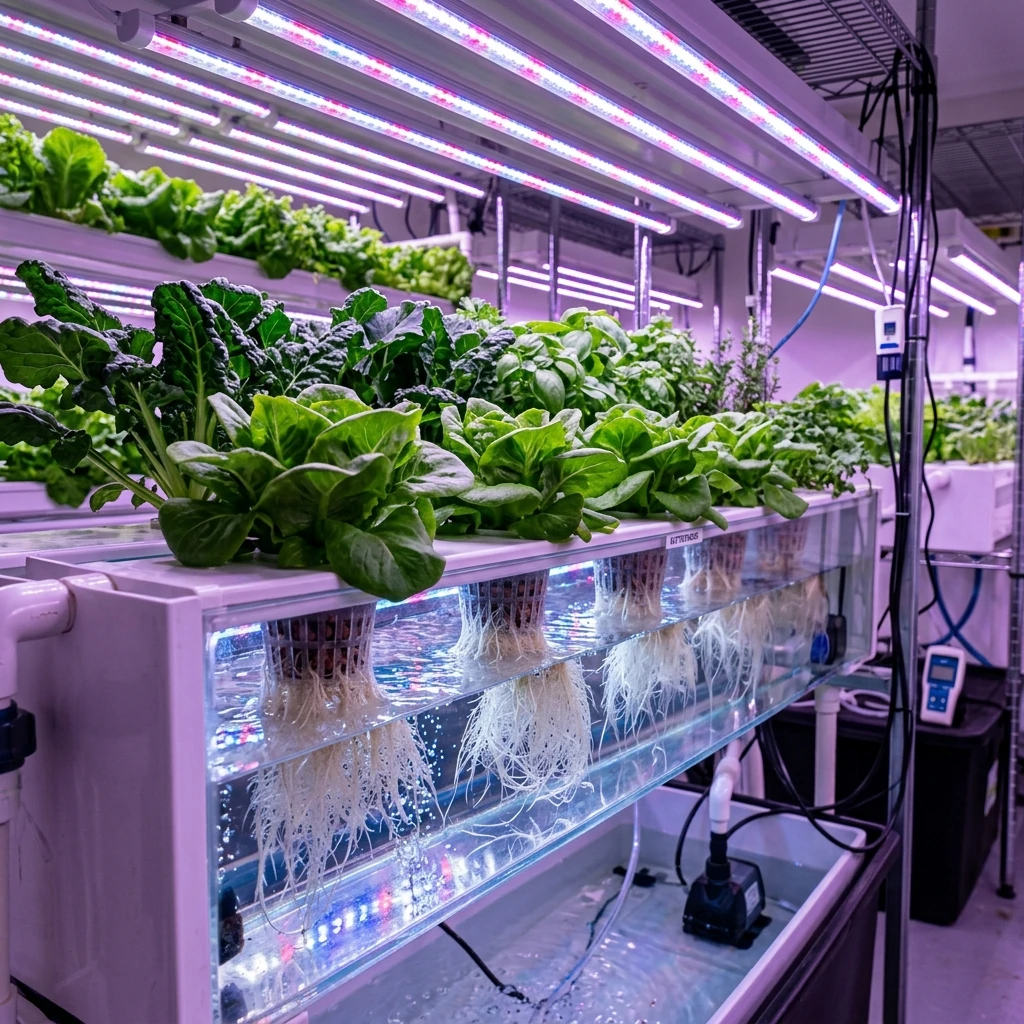
Hydroponics gives faster growth, cleaner roots, and precise control over nutrients and water. It is especially useful indoors for year-round production and saves up to 90% of water compared to soil gardening. However, it requires regular monitoring and a modest initial investment.
Key Takeaways
- Accelerate vegetative growth by delivering dissolved nutrients directly to roots.
- Eliminate soil-borne pathogens, root-knot nematodes, and fungus gnat infestations.
- Conserve water through closed-loop recirculation and precise delivery systems.
- Monitor electrical conductivity (EC) and pH levels regularly for balanced uptake.
Hydroponics grows plants without soil by delivering water and nutrients directly to the roots. The biggest advantages are control, cleanliness, and efficiency. Because you are managing the root environment yourself, you can reduce pests, save water, and often get faster growth than you would in soil. Over the years, I have experimented with several hydroponic systems in my basement, and I can tell you that the speed of growth is genuinely surprising. Lettuce that would take six weeks in soil matures in four weeks, and you can grow herbs all winter without touching a bag of potting mix. But hydroponics is not a magic bullet—it requires monitoring, some equipment, and a willingness to learn about nutrient chemistry. This guide walks you through the benefits, the trade-offs, and what you need to decide if it is right for you.
Key Takeaways
- Hydroponic plants grow up to 25–50% faster than soil-grown plants due to direct nutrient and oxygen delivery.
- Water efficiency is a major advantage: hydroponics uses 90% less water than traditional soil gardening.
- No soil means fewer soil-borne pests and diseases, making indoor setups cleaner.
- Nutrient levels are fully controllable, allowing you to tailor the feeding to each plant's growth stage.
- Hydroponics enables year-round growing independent of outdoor climate.
- Space-efficient systems like vertical towers and NFT channels maximise yields per square metre.
- It requires a modest initial investment and ongoing monitoring of pH and nutrient levels.
Introduction
When I first heard about hydroponics, I thought it was something only commercial growers or tech enthusiasts used. But after a few seasons of battling soil-borne fungus gnats and inconsistent soil moisture, I decided to try a simple deep water culture system for lettuce. The results were eye-opening. The plants grew almost twice as fast, the setup stayed clean, and I could harvest fresh greens year-round without stepping outside. Hydroponics is not a replacement for all gardening—I still grow tomatoes in soil outdoors—but for indoor growing, it is a powerful alternative. This guide covers the science, benefits, and practical considerations so you can decide whether to dip your toes into the water.
Why It Matters
Hydroponics addresses several limitations of soil-based gardening: water scarcity, lack of outdoor space, short growing seasons, and soil-borne diseases. In an era of climate change and urbanisation, growing food efficiently in controlled environments is increasingly relevant. For home gardeners, hydroponics offers a way to produce fresh, healthy food in apartments, basements, or any small space, independent of soil quality or weather. It also appeals to those who want to grow their own organic produce but are frustrated by pests or soil variability. Understanding the benefits allows you to make an informed choice about whether this technique fits your lifestyle and gardening goals.
Science Behind It
In soil, plants expend energy to grow roots in search of water and nutrients. In hydroponics, nutrients and water are delivered directly to the root zone in a well-oxygenated solution. This eliminates the need for extensive root exploration, allowing the plant to channel more energy into above-ground growth (leaves, stems, fruits). Studies show that hydroponic plants can grow 25–50% faster and produce higher yields per square foot than soil-grown plants, given optimal light and temperature. The oxygen availability in the root zone is also higher because there is no compacted soil to restrict airflow; roots are either partially submerged (as in deep water culture) or kept moist in air (as in aeroponics). This enhanced root respiration promotes more efficient nutrient uptake. Additionally, you can adjust the nutrient solution pH (ideally 5.5–6.5) and electrical conductivity (EC) to precisely match the plant's developmental stage—higher nitrogen for vegetative growth, higher phosphorus and potassium for flowering and fruiting. This precision is simply impossible in soil.
Step-by-Step Guide
1. Choose your hydroponic system
For beginners, a deep water culture (DWC) or a nutrient film technique (NFT) system are good starting points. DWC involves a reservoir with a nutrient solution where roots are submerged, with an air stone to supply oxygen. NFT uses a thin film of nutrient solution flowing over roots in a channel. These are relatively simple and forgiving.
2. Gather equipment
You will need: a reservoir (plastic tub), a lid with holes for net pots, an air pump and air stone, hydroponic nutrients, pH and EC meters, growing medium (like clay pebbles or Rockwool), and a light source (usually LED grow lights). Seedlings or seeds for your chosen crops.
3. Set up your system
Assemble the reservoir, add the air stone and pump, fill with water, and mix the nutrients according to the manufacturer's instructions. Check pH (5.5–6.5) and adjust with pH up or down solutions. Place the lid with net pots and growing medium.
4. Start your plants
Germinate seeds in a suitable medium (like Rockwool cubes) or buy young seedlings. When roots appear, transplant into the net pots with the growing medium, ensuring roots reach the nutrient solution. For NFT, the roots should touch the flowing film.
5. Provide light
Most hydroponic setups need 14–16 hours of light daily. Position LED grow lights 15–30 cm (6–12 in) above the plants. Use a timer for consistency.
6. Monitor and maintain
Check the water level daily and top up with fresh water. Measure pH and EC every 2–3 days; adjust as needed. Change the nutrient solution every 1–2 weeks to prevent salt build-up and nutrient imbalances.
7. Harvest
For leafy greens, start harvesting when plants are large enough—usually 3–4 weeks after transplant. Cut outer leaves for a 'cut-and-come-again' approach. For fruiting plants, wait until fruits are fully mature.
Climate Considerations
Hydroponics is largely independent of outdoor climate, which is one of its biggest selling points. You can grow in any season, as long as you can control temperature and light. However, indoor temperature still matters: most plants grow best between 18–26°C (65–78°F). In hot climates, you may need to cool the nutrient solution or add a water chiller to prevent root rot. In cold climates, a small heater may be necessary to keep the reservoir from getting too cold. Also, humidity levels should be 50–70% to prevent fungal issues; a dehumidifier may be needed in humid regions. Regardless of your USDA zone, hydroponics allows you to grow like it is summer all year round, provided you manage these variables.
Seasonal Advice
In winter, when natural light is scarce, you will rely entirely on grow lights. This is when hydroponics shines—you can grow lettuce and herbs in a basement while snow covers the ground. In summer, if you have a sunny spot, you might reduce light hours slightly to prevent heat stress, and ensure the reservoir stays cool. Spring and autumn are ideal for starting new cycles, as temperatures are moderate. Because hydroponics decouples plant growth from seasons, your schedule is entirely up to you. I keep a continuous rotation: plant new seedlings every 2 weeks so I have a constant supply of leafy greens, regardless of the calendar.
Common Mistakes
- Not adjusting pH and EC regularly—nutrient lockout can occur if these are out of range.
- Overlooking the need for oxygen—roots can suffocate without an air pump and stone.
- Using the wrong nutrients—use hydroponic-specific fertilizers, not general-purpose plant food.
- Allowing algae growth—cover reservoirs and tubing to block light.
- Starting with too many plants—beginners should start small to learn the system.
- Ignoring root health—check for brown or slimy roots, a sign of root rot.
- Placing the reservoir on a cold floor without insulation—roots can get too cold.
Maintenance Schedule
- Daily: Check water level; top off with fresh water; inspect plants for pests or issues.
- Every 2–3 days: Measure pH and EC; adjust as needed.
- Weekly: Clean air stones and pump filters; inspect roots for discoloration.
- Every 1–2 weeks: Completely drain and replace nutrient solution; clean the reservoir with a mild bleach solution (rinsed thoroughly).
- Monthly: Check grow light intensity; clean light fixtures; inspect tubing for blockages.
Buying Guide
For a starter hydroponic system, a pre-made kit (around $50–150) can be a great entry point. These often include everything you need: reservoir, net pots, pump, air stone, and sometimes a small light. Alternatively, you can build your own DWC system from a plastic tote, an air pump, and some net pots for under $50. For nutrients, buy a hydroponic-specific three-part or two-part solution (which allows you to adjust ratios for different growth stages). A pH meter and an EC meter are essential—do not skip these. For lights, full-spectrum LED panels are efficient; aim for 30–40 watts of actual draw per square foot. Start small to learn, then expand.
| System Type | Best For | Pros | Cons | Approximate Cost (USD) |
|---|---|---|---|---|
| Deep Water Culture (DWC) | Leafy greens, herbs, beginners | Simple, low cost, reliable | Requires aeration, risk of root rot if pump fails | $50–100 |
| Nutrient Film Technique (NFT) | Greens, strawberries, herbs | Efficient water use, good for long rows | Pump must run continuously; roots can dry out during power outages | $100–300 |
| Ebb and Flow (Flood and Drain) | Versatile (fruiting plants, peppers) | Works with many plant types; good oxygenation | More complex; timer needed; risk of pump failure | $150–400 |
| Aeroponics | Advanced growers, commercial | Maximum oxygen to roots; very fast growth | Expensive; misters clog; high maintenance | $300+ |
| Wick System | Small herbs, microgreens | No pumps, very simple | Slow growth; limited to small plants; wicks can break down | $30–60 |
Expert Tips
After a few years of hydroponic growing, I have learned that the reservoir temperature is critical. Keep it below 22°C (72°F) to prevent root rot—in summer, I freeze water bottles and drop them in the reservoir to cool it down. Also, invest in a good quality pH pen; cheap ones are unreliable and can lead to nutrient problems. I also recommend starting with leafy greens—they are forgiving, fast-growing, and highly rewarding. Keep a log of your pH and EC readings; over time, you will learn what your plants like. Finally, do not overcomplicate it. A simple DWC with a good light will produce abundant food; you can add complexity later.
Common Myths
- Myth: Hydroponics is expensive. Reality: A basic DWC system can cost under $100, and ongoing costs (nutrients, electricity) are modest.
- Myth: Hydroponic food is less nutritious. Reality: Studies show hydroponic produce can be just as nutritious as soil-grown, sometimes even higher in certain vitamins, when nutrients are well-managed.
- Myth: Hydroponics is high maintenance. Reality: It requires regular monitoring, but daily checks take only a few minutes—less than weeding a soil garden.
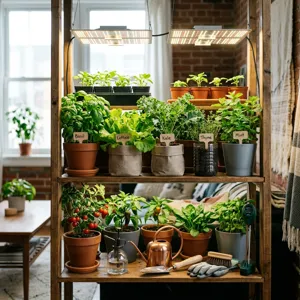
- Myth: You need a greenhouse. Reality: A spare room, basement, or even a shelf with grow lights works fine.
- Myth: All plants can grow hydroponically. Reality: Leafy greens and herbs thrive; fruiting plants can do well but need more light and attention; root vegetables are possible but not ideal.
When NOT To
- Do not start hydroponics if you cannot check the system regularly—at least every 2–3 days. Pumps can fail, pH can drift, and plants can wilt quickly.
- Do not invest in a large, expensive system before trying a small one to see if you enjoy it.
- Do not use hydroponics for plants that produce large root systems (like potatoes or large trees) without appropriate space.
- Do not grow hydroponically in a space with extreme temperatures (too hot or cold) unless you can control them.
- Do not use organic fertilizers in a standard hydroponic system—they can clog pumps and create anaerobic conditions; use synthetic hydroponic nutrients.
Decision Guide
| If you... | Choose Hydroponics | Choose Soil |
|---|---|---|
| Have limited outdoor space or no garden | Yes | No (unless you have a balcony or yard) |
| Want to grow all year round | Yes | Limited to outdoor season |
| Are a beginner with limited time | Maybe (start small) | Yes (soil is more forgiving) |
| Have pest problems in your soil garden | Yes | No (soil pests remain) |
| Prefer a low-investment start | No (needs equipment) | Yes |
| Want to grow a wide variety of crops | Limited to what works well (mostly greens, herbs) | Yes (most crops) |
Troubleshooting
| Problem | Likely Cause | Solution |
|---|---|---|
| Yellowing leaves | Nutrient deficiency or pH out of range | Check pH and EC; adjust nutrient mix |
| Brown, slimy roots (root rot) | Low oxygen or high temperature in reservoir | Increase aeration; cool reservoir; use a beneficial bacteria product |
| Algae growth | Light reaching nutrient solution | Cover reservoir and tubing with opaque material; clean system |
| Slow growth despite good pH | Insufficient light or low nutrient concentration | Increase light intensity or raise EC gradually |
| White salt crust on equipment | Nutrient salt build-up | Flush system with fresh water; clean with mild acid solution |
Frequently Overlooked Facts
One thing I learned the hard way: the pH of your nutrient solution will drift upward over time as plants uptake nutrients. You need to check it regularly. Also, oxygen is just as important as nutrients—an air stone that is too small can suffocate roots. Another overlooked fact is that you should change the nutrient solution completely every 1–2 weeks, not just top it off, to prevent the build-up of unused salts and plant exudates that can inhibit growth. Finally, tap water can be too hard; consider using filtered or reverse-osmosis water to prevent mineral imbalances.
Summary
Hydroponics offers compelling advantages: faster growth, huge water savings, cleaner setups, and the ability to grow food anywhere, anytime. It is not a silver bullet—it needs monitoring, a modest investment, and a willingness to learn—but for many gardeners, the benefits outweigh the effort. Leafy greens and herbs are the easiest and most rewarding crops to start with. Whether you are an urban apartment dweller or a seasoned gardener looking to extend your season, hydroponics can expand what you can grow and when. Start small, learn the basics, and enjoy fresh, homegrown produce all year round.
Recommended next actions
Next Best Actions
Move from reading to action with related calculators, plant profiles, and quiz-based recommendations.
Guide
How to Grow Vegetables Indoors Year-Round
Indoor vegetables need strong light, the right container, and a crop choice that fits your space. This guide shows how to keep harvests going through every season with practical tips from an experienced indoor grower.
Guide
Best Soil for Indoor Plants: Potting Mix Recipes & Guide
Learn how to build a well-aerated potting mix that balances moisture retention, drainage, and root-zone oxygen for different types of houseplants.
Guide
Home Garden Starter Equipment: Essential Tools for Beginners
You do not need a shed full of tools to start a home garden. This guide shows the essentials, the nice-to-haves, and what you can skip until you have more plants. From containers to watering gear, we cover it all.
Frequently Asked Questions
Why grow plants hydroponically?
Is hydroponics easier than soil?
Do hydroponic plants grow faster?
Can beginners use hydroponics?
What plants do well in hydroponics?
How much water does hydroponics save?
Is hydroponic food healthy?
What is the cheapest hydroponic system to start?
Do hydroponic plants need grow lights?
Can I grow root vegetables hydroponically?
How often do I change the nutrient solution?
Is hydroponics better for the environment?
Explore More