Nutrient Lockout in Plants: Causes, Diagnosis & How to Fix It
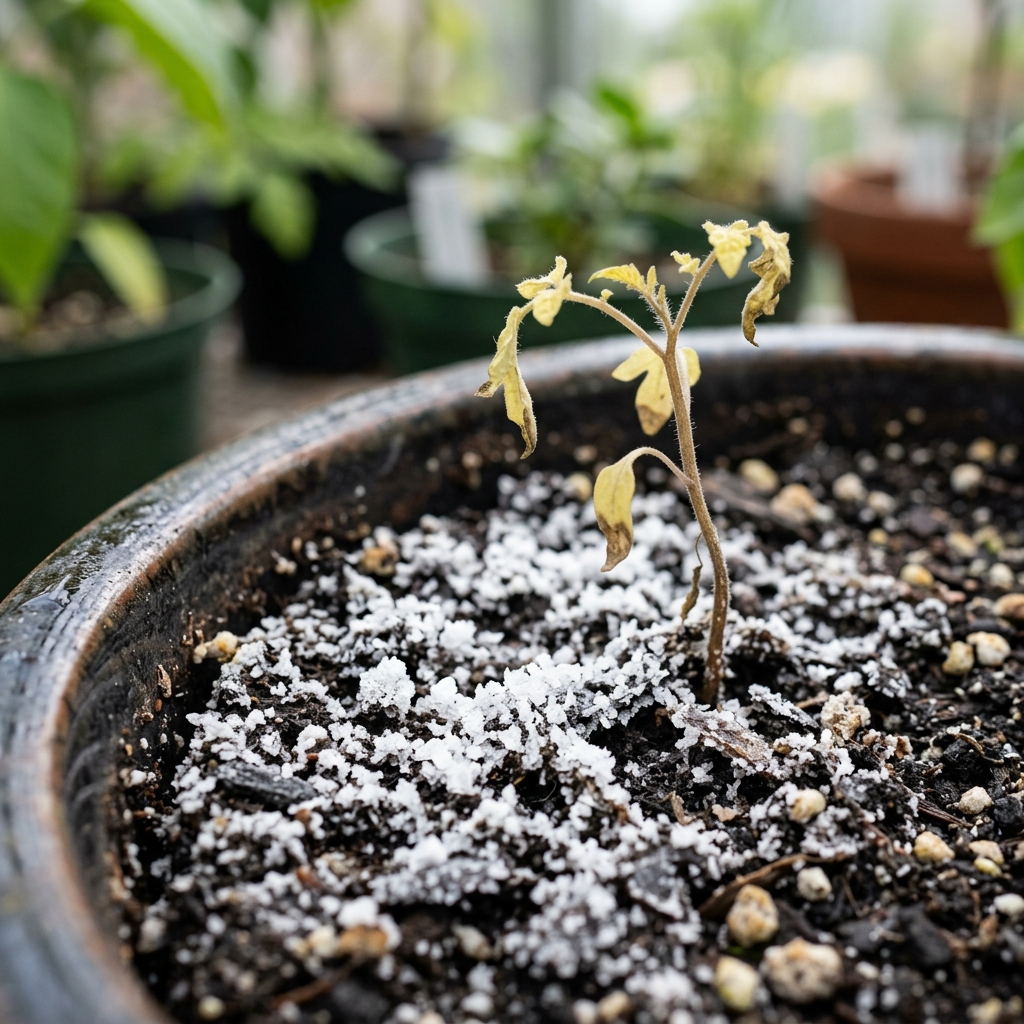
Nutrient lockout is a condition in which essential mineral nutrients are present in the growing medium but chemically or physically unavailable for plant uptake. It is most commonly caused by incorrect soil pH, excess salt accumulation from overfertilization, root damage, or compacted soil, and it produces symptoms that closely mimic true nutrient deficiency, making accurate diagnosis with a pH and EC meter essential before treating. This approach helps maintain optimal conditions and prevents common issues that can affect your plant's overall health and longevity over time.
Quick Answer
Nutrient lockout happens when nutrients are physically present in soil or water but unavailable to the plant. The three primary causes are pH outside the optimal range, salt buildup from overfertilization or hard water, and root damage or compaction. Lockout mimics true deficiency — yellowing, stunted growth, leaf burn — so diagnosis requires measuring pH and EC rather than simply adding more fertilizer. Treatment involves flushing the root zone and correcting pH.
Key Takeaways
- Nutrient lockout mimics deficiency, but the nutrients are already present in the soil.
- Incorrect pH is the single most common cause of lockout in both soil and hydroponic systems.
- Salt buildup from overfertilization creates osmotic stress that blocks water and nutrient uptake.
- Diagnosis requires testing pH and EC; visual symptoms alone are insufficient.
- Flushing with pH-balanced water is the primary treatment, followed by gradual reintroduction of nutrients.
Symptoms
- Yellowing leaves despite fertilizing: Mimics nitrogen deficiency. Older leaves yellow uniformly.
- Interveinal chlorosis on young leaves: High pH locks out micronutrients; veins remain green.
- Stunted growth and delayed flowering: General starvation from broad lockout or salt stress.
- Leaf tip burn and marginal necrosis: Excess salts draw water out of leaf margins, causing burn.
- Purple or reddish leaf discoloration: Often appears in cold or high-pH conditions.
- Dark green foliage with brown edges: Salt buildup or calcium excess can antagonize potassium.
Common Causes
- High soil pH (>7.5) binding micronutrients
- Low soil pH (<5.5) locking out macronutrients
- Salt buildup from excess fertilizer or hard water
- Overfertilization causing ionic imbalance and antagonism
- Root damage from rot, pests, or physical injury
- Compacted soil limiting root access and drainage
- Cold soil temperatures slowing metabolic uptake
Prevention
- Test pH of growing medium and irrigation water monthly
- Measure EC of nutrient solution and runoff weekly
- Follow fertilizer label rates without exceeding recommendations
- Flush container plants every 3–4 weeks or when runoff EC rises 20% above feed EC
- Use filtered or reverse-osmosis water if tap water is hard
- Maintain adequate drainage and avoid standing water
- Keep root zones within optimal temperature ranges
Best Practices
- Measure pH after mixing nutrients, not before
- Check runoff EC regularly to detect salt accumulation early
- Flush the medium before switching nutrient formulas or growth stages
- Ensure 10–20% runoff with each container irrigation
- Apply pH adjusters gradually to avoid root shock
- Maintain a garden log of feed dates, pH, EC, and flush events
What is Nutrient Lockout?
Nutrient lockout is a condition in which essential minerals are present in the root zone but cannot be absorbed by the plant. Unlike true deficiency, where the nutrient is missing, lockout is an availability problem. It is most often caused by extreme pH, salt accumulation, or compromised root systems, and it is one of the most commonly misdiagnosed problems in plant care.
How Lockout Differs from Deficiency
True deficiency means the nutrient is absent or depleted. Lockout means the nutrient is present but inaccessible. Adding more fertilizer to a lockout situation worsens the problem by increasing salt concentration and osmotic stress. The key diagnostic distinction is confirmed by measuring soil pH and runoff EC: if pH is outside 6.0–7.0 (soil) or 5.5–6.5 (hydroponics), or if EC is excessively high, lockout is likely.
Causes of Nutrient Lockout
High pH (>7.5)
In alkaline conditions, iron, manganese, zinc, copper, and boron become insoluble and precipitate out of soil solution. Plants cannot absorb these micronutrients even when soil tests show adequate total content.
Low pH (<5.5)
Acidic conditions lock out macronutrients including nitrogen, phosphorus, potassium, calcium, and magnesium. Aluminum and manganese may also become toxic at low pH, further damaging roots.
Salt Buildup
Repeated fertilization without leaching accumulates soluble salts. High salinity creates osmotic pressure that makes it harder for roots to draw in water, effectively dehydrating the plant and blocking nutrient channels.
Overfertilization
Excess of one nutrient can antagonize another. For example, excess potassium blocks magnesium uptake; excess calcium blocks iron and manganese; excess phosphorus locks out zinc and copper.
Root Damage
Root rot, root-feeding pests, physical injury, or transplant shock reduces the absorptive surface area. Even perfect pH and nutrient levels cannot be taken up by a compromised root system.
Compacted Soil
Compaction limits root expansion, water percolation, and gas exchange. Roots in compacted zones cannot explore for nutrients, and waterlogged anaerobic pockets trigger rot.
Cold Soil
Soil temperatures below 55°F (13°C) slow root metabolism and reduce active transport of nutrients across root membranes, creating a temporary functional lockout.
Symptoms
Lockout symptoms mirror those of true deficiency because the plant experiences the same cellular starvation. Common signs include:
- Yellowing (chlorosis) of older or younger leaves depending on which nutrient is locked out
- Interveinal chlorosis, often mistaken for iron or magnesium deficiency
- Stunted growth and delayed development
- Leaf tip burn and marginal necrosis from salt toxicity
- Poor flowering, fruit set, or bud development
- Purple or reddish discoloration mimicking phosphorus deficiency
- General decline despite regular fertilization
Diagnosis Guide
- Visual inspection: Note symptom patterns and which leaves are affected first.
- Measure soil pH: Use a calibrated pH meter or test kit. Optimal range is 6.0–7.0 for most plants in soil.
- Measure runoff EC: Collect leachate after watering. EC above 2.0–2.5 mS/cm (depending on crop) indicates salt stress.
- Inspect roots: Gently examine roots for browning, slime, or foul odor indicating rot.
- Review fertilization history: Determine if feeding has been heavy, frequent, or recently changed.
- Flush growing medium: Water thoroughly with pH-balanced water equal to 2–3 times the container volume.
- Retest pH and EC: Measure runoff again. EC should drop significantly; pH should approach target range.
- Resume feeding: Reintroduce nutrients at 1/4 to 1/2 previous strength and monitor new growth.
Treatment
Flushing Soil and Soilless Mixes
Flush with clean, pH-balanced water at room temperature. Use twice the container volume. For example, a 5-gallon container receives 10 gallons of flush water. Allow full drainage.
Hydroponic Systems
Drain the reservoir completely. Clean the system. Refill with fresh water adjusted to the correct pH. Allow plants to feed on plain water for 24–48 hours before reintroducing nutrients at reduced strength.
pH Correction
After flushing, adjust the root zone to the species-appropriate pH. Use dolomitic lime to raise pH in acidic soils; use elemental sulfur or acidifying fertilizers to lower pH in alkaline soils. For immediate relief, use chelated micronutrients that remain available across a wider pH range.
Root Recovery
If root rot is present, trim damaged roots with sterile tools, repot in fresh medium, and ensure proper drainage and aeration. Avoid fertilizing until new white root tips appear.
Gradual Refeeding
Resume fertilization at 25–50% of the manufacturer's recommended rate. Increase gradually over 1–2 weeks as new growth shows recovery. Judge success by the color and vigor of new leaves, not old damage.
Recovery Timeline
After a successful flush and pH correction, plants typically show stabilized conditions within 3–5 days. New growth should appear healthy within 7–14 days. Old leaves that were damaged during lockout rarely recover fully and may be removed once new foliage is established. Full vegetative recovery can take 2–4 weeks depending on species and severity.
Prevention
- Test pH of growing medium and irrigation water monthly.
- Measure EC or TDS of nutrient solution and runoff weekly.
- Follow fertilizer label rates; more is not better.
- Flush container plants every 3–4 weeks or whenever runoff EC exceeds target by 20%.
- Use filtered or reverse-osmosis water if tap water is hard or high in carbonates.
- Maintain adequate drainage and avoid saucers that trap standing water.
- Keep root zones within optimal temperature ranges.
Best Practices
- Always measure pH after mixing nutrients, as concentrates alter water chemistry.
- Check runoff EC every few waterings to catch salt accumulation early.
- Flush the medium before switching from vegetative to bloom nutrients.
- Ensure 10–20% runoff with each irrigation in container culture.
- Use pH adjusters (phosphoric acid, potassium hydroxide) sparingly to avoid shocking roots.
- Maintain a garden log of feed dates, pH, EC, and any flush events.
Common Mistakes
- Adding more fertilizer when plants show deficiency-like symptoms.
- Ignoring runoff EC and assuming nutrients are simply "missing."
- Flushing with untreated tap water of unknown pH or high EC.
- Correcting pH too rapidly with harsh chemical doses.
- Assuming lockout is always a deficiency and treating with foliar sprays alone.
- Using ice-cold flush water, which shocks roots and slows recovery.
- Resuming full-strength feeding immediately after a flush.
Frequently Asked Questions
What is nutrient lockout?
Nutrient lockout is a condition where essential minerals are present in the growing medium but cannot be absorbed by the plant, usually due to incorrect pH, salt buildup, or root damage.
How is nutrient lockout different from deficiency?
In a true deficiency, the nutrient is absent or depleted. In lockout, the nutrient is present but unavailable due to pH, salts, or root problems. Adding more fertilizer fixes deficiency but worsens lockout.
What pH causes nutrient lockout?
In soil, pH below 5.5 locks out macronutrients like nitrogen, phosphorus, and potassium. pH above 7.5 locks out micronutrients like iron, manganese, and zinc. Most plants absorb nutrients best between pH 6.0 and 7.0.
Can overwatering cause nutrient lockout?
Yes. Overwatering can lead to root rot, which destroys the root hairs responsible for nutrient uptake. It can also leach beneficial nutrients or create anaerobic conditions that change soil chemistry.
How do I flush my plants to fix lockout?
Water the soil with pH-balanced water equal to 2–3 times the container volume, allowing full drainage. For hydroponics, drain the reservoir and refill with fresh pH-balanced water.
How long does it take to fix nutrient lockout?
Conditions usually stabilize within 3–5 days after flushing and pH correction. Healthy new growth typically appears within 7–14 days. Full recovery may take 2–4 weeks.
Can nutrient lockout kill plants?
Yes. Chronic lockout starves the plant of essential nutrients, weakens its immune system, and can lead to death if the underlying cause—such as root rot or extreme pH—is not corrected.
Does EC measure nutrient lockout?
EC measures the electrical conductivity of dissolved salts. High EC indicates salt buildup, which is a common cause of lockout. However, pH-induced lockout can occur even at normal EC levels, so both metrics are needed.
Can organic fertilizers cause lockout?
Organic fertilizers can cause lockout if overapplied or if they decompose in ways that drastically alter pH. However, they generally have lower salt indexes than synthetic fertilizers, making salt buildup less likely.
How often should I flush potted plants?
As a preventive measure, flush container plants every 3–4 weeks. Flush immediately if runoff EC exceeds feed EC by more than 20% or if lockout symptoms appear.
What does nutrient lockout look like?
It looks like nutrient deficiency: yellowing, stunted growth, leaf burn, or poor flowering. The critical clue is that these symptoms appear despite adequate fertilization.
Can lockout affect hydroponic systems?
Yes. Hydroponic systems are especially sensitive to pH drift and salt accumulation. Lockout can develop rapidly if reservoir pH is not monitored daily or if nutrient concentrations are too high.
Is flushing the same as overwatering?
No. Flushing is a deliberate, one-time application of large water volume to leach salts. Overwatering is repeated saturation that causes chronic oxygen deprivation. Flushing should be followed by a normal dry-back cycle.
Why are my plants yellow even though I fertilize?
This is the classic sign of nutrient lockout. The nutrients are in the soil but unavailable. Test pH and EC before adding more fertilizer.
Can I prevent lockout with slow-release fertilizer?
Slow-release fertilizers reduce the risk of salt buildup and overfertilization, but they do not prevent pH-induced lockout. Regular pH monitoring is still essential.
Explore More
Related Articles


Related Plant Guides
No specific plant guides found matching this topic.
Recommended next actions
Continue Exploring
Dive deeper into related plant care tools and profiles.
Topic Guide
Soil pH and Nutrient Availability
Learn how soil pH affects nutrient absorption in houseplants and garden soils. Discover how to test, raise, or lower soil pH effectively.
Topic Guide
pH Meter Guide for Soil Testing
Use a soil pH meter correctly and keep readings within the ideal range so plants can absorb nutrients without lockout.
Topic Guide
Fertilizer
Learn everything about fertilizer for your indoor and aquarium plants. Expert care tips, troubleshooting, and related guides.
Topic Guide
Plant Macronutrients Explained
Understand plant macronutrients including nitrogen, phosphorus and potassium functions and how to spot deficiency symptoms early.
Topic Guide
Micronutrients for Plants
Spot iron, zinc and boron deficiency signs in houseplants and correct trace mineral shortages before growth is affected.
Topic Guide
Iron Chlorosis in Plants
Diagnose and treat iron chlorosis in houseplants, lawns, and trees. Learn how soil pH causes iron lockup and how to fix yellow leaves fast.