Lace Aloe (Aristaloe aristata)
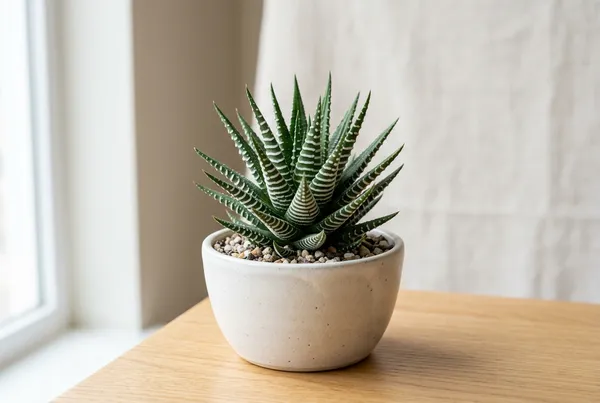
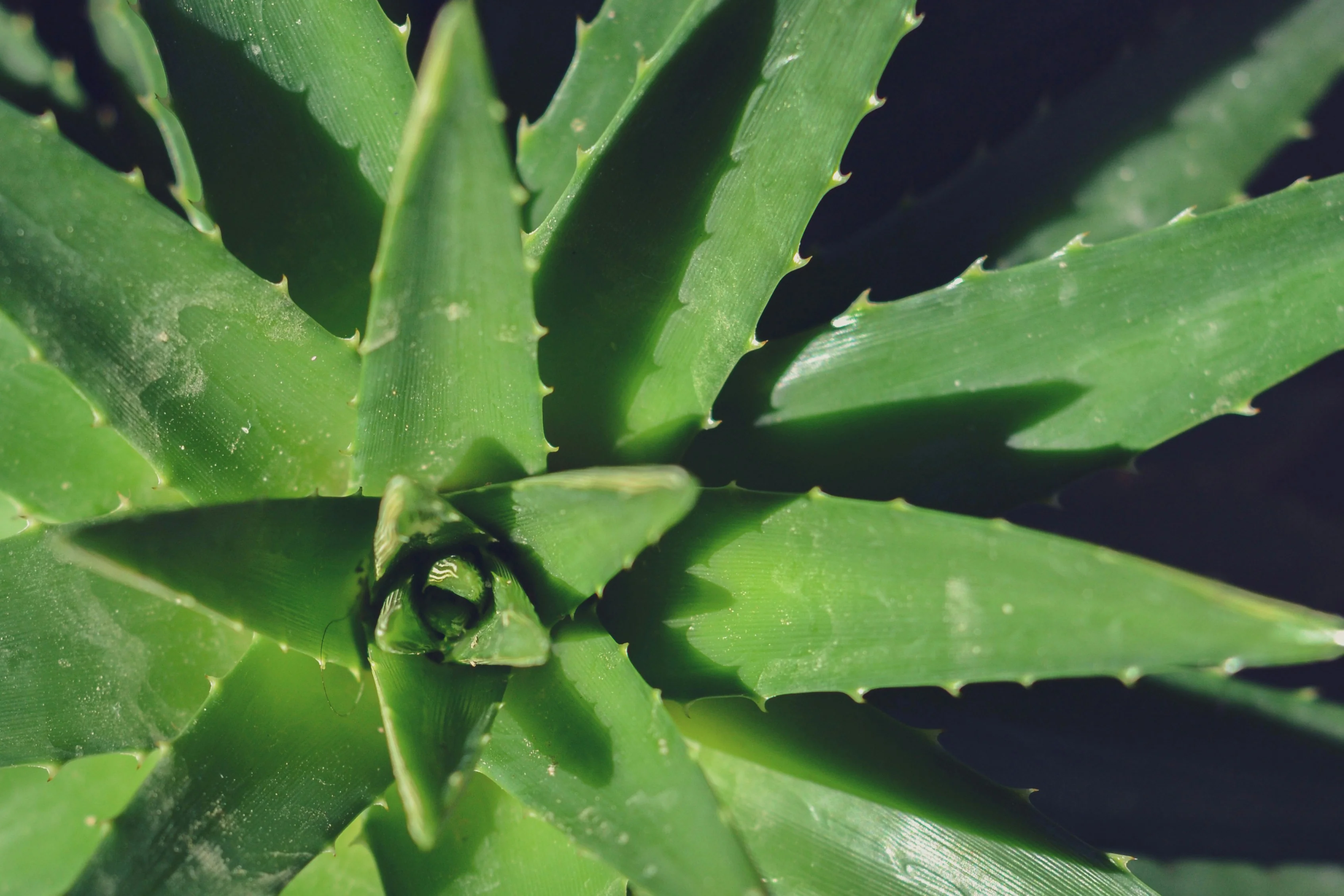
The Lace Aloe is a compact, beautiful succulent that looks like an Aloe Vera but is completely non-toxic to pets. It features dark green leaves covered in raised white bumps and soft, lace-like bristles.
-
Difficulty
easy
-
Light
Prefers bright, indirect light with some direct morning sun. Unlike true Aloes that want blasting midday sun, the Lace Aloe will turn brown and close up if baked in intense, hot afternoon sun.
-
Temperature
65°F - 80°F (18°C - 27°C)
-
Growth
slow
-
Humidity
30% - 50%
-
pH range
6.0 - 7.0
-
Biggest Owner Mistake
Watering it on a houseplant schedule rather than a succulent one—the fleshy leaves store water for weeks, so frequent watering causes the base to turn mushy and translucent from the inside out. Wait until the soil is completely dry before watering again.
-
What Nobody Tells You
Unlike most aloes, it tolerates lower light levels—but the white tubercle 'lace' markings fade and leaves become elongated and leggy without adequate brightness. Bright indirect sun is what keeps the distinctive speckled texture sharp.
-
Real Home Conditions
In dim winter months it enters a near-complete rest, requiring almost no water at all. Continuing summer watering during this dormant period is the most common cause of death indoors.
Quick Answer
Aloe aristata, or Lace Aloe, requires bright light including several hours of direct sun, deep watering only after soil has completely dried, and a fast-draining cactus or succulent soil mix. This compact South African species forms attractive rosettes with white-spotted leaves and tolerates neglect better than overattention. Avoid overwatering, which causes the fastest decline in this drought-adapted succulent.
Key Takeaways
- Provide bright light, including some direct sun, for compact growth.
- Water deeply only after the soil has completely dried out between waterings.
- Use a fast-draining succulent or cactus soil mix to prevent root rot.
- Avoid overwatering, the leading cause of decline in this succulent.
Overview
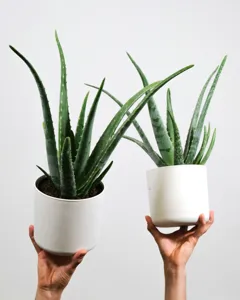
If you love the architectural look of an Aloe Vera but have a cat that loves to chew on plants, you are usually out of luck, as the Aloe Vera is considered highly toxic. Fortunately, the Lace Aloe (Aristaloe aristata, formerly Aloe aristata) is an excellent alternative. It looks incredibly similar to a true Aloe, but it belongs to a completely different genus and is listed as non-toxic and pet-safe by the ASPCA.
Native to South Africa, it is a compact, stemless succulent that grows in a tight, spherical rosette. Its dark green, fleshy leaves are heavily speckled with raised white bumps (tubercles) and edged with soft, white, tooth-like spines. The very tip of each leaf ends in a long, soft, white bristle, giving the plant a delicate, "lacy" appearance.
Light Requirements: Avoiding Sunburn
Because it looks like an Aloe Vera, most people make the mistake of placing it in the hottest, brightest, most blasting direct sunlight they can find. The Lace Aloe actually despises harsh afternoon sun. In the wild, it grows tucked beneath larger shrubs that shade it during the hottest part of the day.
If you bake the plant in a west-facing window, it will suffer severe sun stress. The leaves will curl tightly inward into a ball to protect the center, and the entire plant will turn a muddy, unhealthy brown or reddish-purple. It prefers bright, indirect light, with perhaps a few hours of gentle, direct morning sun from an east-facing window.
Watering: The Drought and Drench Method
Like all succulents, the Lace Aloe stores water in its thick, fleshy leaves. It is highly drought-tolerant and highly susceptible to root rot if overwatered.
You must allow the potting soil to dry out 100% completely before you water again. To test this, stick a wooden skewer deep into the pot; if it comes out slightly damp, wait another week. When the soil is completely bone dry, soak the pot thoroughly until water flows out the drainage holes.
Crucial rule: Never pour water directly into the center of the rosette. If water sits in the tight crown of the leaves, it will cause fungal crown rot, which can quickly lead to plant loss. Always water the soil directly.
The Brown Tips Issue
While overwatering causes yellow, mushy leaves, underwatering causes the tips of the leaves to dry up, turn brown, and become crispy. While the plant can survive a long drought, if you leave it completely dry for months, it will sacrifice the thin tips of its leaves to keep the core of the plant alive. If you notice brown, crispy tips, you likely need to increase your watering frequency slightly during the summer growing season.
Soil and Potting
Standard indoor potting soil can hold too much moisture and may quickly lead to severe root rot in this plant, as it tends to suffocate the shallow root system. You must use a fast-draining cactus and succulent mix. Amend standard cactus soil with 50% perlite or pumice to ensure that excess water drains away instantly. It has a very shallow root system, so plant it in a wide, shallow pot rather than a deep one.
The Flowers
If kept happy, the Lace Aloe will surprise you in the summer by shooting up a tall, slender stalk (often 1 to 2 feet high) topped with tubular, bright orange-red flowers. These flowers are spectacular and are known to attract hummingbirds if the plant is kept outdoors. Once the flowers die and dry up, use sterile scissors to cut the stalk off at the base.
Calculator
Interactive Calculators for Aloe Aristata
Recommended next actions
Next Best Actions
Use calculators and guides to turn this plant profile into a practical care routine.
Topic Guide
Watering
Learn everything about watering for your indoor and aquarium plants. Expert care tips, troubleshooting, and related guides.
Guide
Brown Crispy Tips on Houseplants: Causes & Fixes
With over 15 years of indoor plant diagnostics and more than 3,000 leaf-tissue cases analyzed, we've mapped the exact mechanisms behind brown crispy tips—fluoride accumulation, salt toxicity, and humidity deficits—so you can reverse damage today.
Topic Guide
Root Rot
Learn how to identify and treat root rot in houseplants. Discover causes, symptoms, and step-by-step solutions to save your plants from overwatering.
Structured Plant Data
Plant Data Profile
The following data is extracted directly from our botanical knowledge graph for accuracy and transparency.
Growth Characteristics
Growth Rate
slow
Mature Height
6-8 inches indoors
Mature Spread
6-8 inches wide
Life Cycle
Perennial
Flowering Season
Summer (produces a tall stalk with tubular, orange-red flowers)
Container Friendly
yes
Indoor Capable
yes
Environmental Parameters
| Parameter | Recommended | Survivable |
|---|---|---|
| Temperature | 65°F - 80°F (18°C - 27°C) | 50°F - 95°F (10°C - 35°C) |
| Humidity | 30% - 50% | 10% - 60% |
| Soil PH | 6.0 - 7.0 | 5.5 - 7.5 |
Lighting
Description
Prefers bright, indirect light with some direct morning sun. Unlike true Aloes that want blasting midday sun, the Lace Aloe will turn brown and close up if baked in intense, hot afternoon sun.
Nutrients
Nitrogen Demand
low
Phosphate Demand
low
Potassium Demand
low
Micronutrient Notes
Requires very little fertilizer.
Fertilizer Frequency
Once in the spring with a diluted cactus fertilizer.
Organic Options
A pinch of worm castings.
Relationships
-
Root Rot
Vulnerability | Strength 9
Highly susceptible to root rot and crown rot if water is left sitting in the center rosette.
Aloe vs. Lace Aloe Comparison
| Feature | Aloe Vera | Lace Aloe (Aristaloe) |
|---|---|---|
| Toxicity | Toxic to pets | Pet-Safe (ASPCA listed) |
| Leaf Edges | Sharp, hard spikes | Soft, white bristles |
| Light Need | Full, blasting sun | Bright indirect / morning sun |
Troubleshooting & Diagnostics Guide
1 Why are the tips of my Lace Aloe turning brown and crispy?
Diagnosis: Underwatering or low humidity
Treatment: Water the plant deeply when the soil is completely dry. Increase ambient humidity by placing a tray of water nearby or misting occasionally.
Prevention: Water thoroughly and allow the soil to dry completely between waterings, but do not leave it dry for extended periods; maintain moderate humidity.
2 Why is the whole plant turning a muddy brown/red color and curling inward?
Diagnosis: Sun stress from excessive direct sunlight
Treatment: Move the plant to a location with bright, indirect light or filtered sun. The colour should normalise over a few weeks.
Prevention: Provide morning sun or bright indirect light; avoid harsh afternoon sun.
3 Why are the bottom leaves turning yellow, translucent, and mushy?
Diagnosis: Overwatering and root rot
Treatment: Stop watering; remove the plant from its pot, trim any mushy roots, and repot in dry, well-draining succulent mix. Do not water for at least a week.
Prevention: Use a gritty, well-draining potting mix and water only when the soil is completely dry.
Authoritative Resources
For additional peer-reviewed information on plant diseases, toxicity, and care, consult these trusted botanical and agricultural extensions:
Glossary of Terms
- Crown Rot
- A deadly fungal infection caused by water sitting trapped in the tight center (crown) of a rosette-shaped plant. This is why you must only water the soil.
- Tubercles
- The small, raised, wart-like white bumps that cover the leaves of the Lace Aloe, giving it a rough, textured appearance.
Frequently Asked Questions
Why are the tips of my Lace Aloe turning brown and crispy?
Why is the whole plant turning a muddy brown/red color and curling inward?
Why are the bottom leaves turning yellow, translucent, and mushy?
What is the difference between Lace Aloe and Haworthia?
Is the Lace Aloe toxic to cats?
Sources & References
-
Source: powo.science.kew.org
-
Source: aspca.org
Explore More