Hardening Off Plants
Hardening off is how you prepare plants for the outdoors after they have been raised in a stable, sheltered environment. Indoor and greenhouse plants have soft, tender growth that is easily injured by direct sun, wind and cold nights, so a sudden move can cause cold shock, sunburn and general stress. This guide explains what hardening off is, which plants benefit, when to begin, a practical step-by-step schedule, special points for seedlings and houseplants, the most common mistakes and how to tell when the process is finished. Temperatures that plants tolerate vary by species, so the guide tells you what to check on the plant label or seed packet and does not give a single universal cut-off.
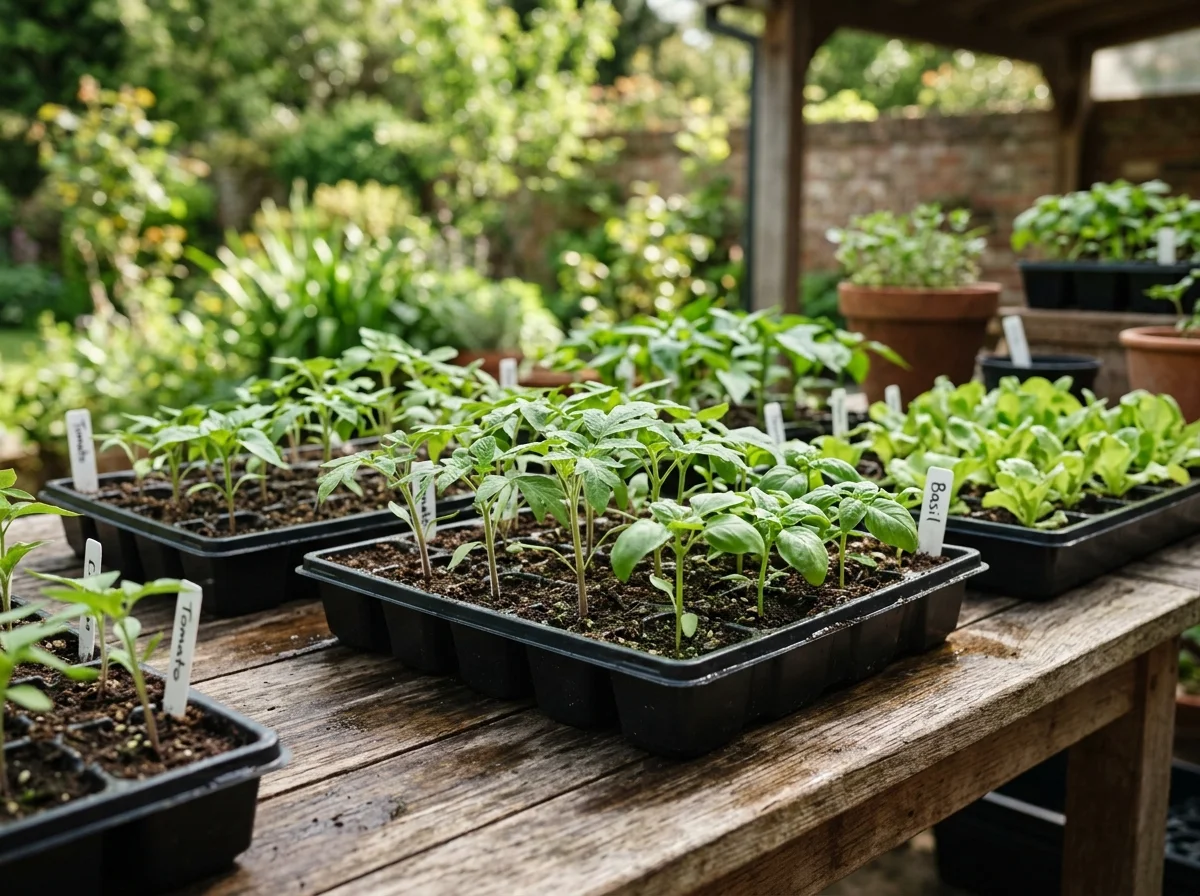
Quick Answer
Hardening off is the gradual process of introducing plants grown indoors or under protection to outdoor conditions so they can adjust to sun, wind and temperature swings. Wait for a mild weather window with suitable nights for your plant, then start with an hour or two in a sheltered, shaded spot and lengthen the time outside a little each day. Add morning sun first, then more light and wind, and leave plants out overnight only near the end. Bring them in if the weather turns cold, windy or stormy. Seedlings usually need about a week or two, and houseplants often do well with a similar timeline. A plant is ready when it handles a full day and a mild night outdoors without wilting, bleaching or leaf damage.
Key Takeaways
- Hardening off gradually introduces sheltered plants to sun, wind and temperature changes, so tender growth can toughen before it faces full outdoor conditions.
- Night temperatures matter more than daytime warmth, so choose your start date and your first overnight stay by the nights your plant can tolerate.
- Increase time outdoors, light and wind in small steps, beginning with a shaded, sheltered spot and building toward full exposure.
- Seedlings, houseplants and plants from greenhouses or shops all benefit, and skipping the process risks cold shock, sunburn and slowed growth.
- A plant is ready when it copes with a full day and a mild night outside without wilting, bleaching or damage, and conditions should then stay consistent.
What Is Hardening Off?
Hardening off is the gradual introduction of plants that have been grown indoors, in a greenhouse or in another protected place to outdoor conditions. Over several days or a couple of weeks, you increase the time outside and the exposure to light, wind and cooler temperatures so the plant can adjust before it is put out permanently. It is a standard step for seedlings, and it helps houseplants and shop-bought plants that have been grown in sheltered conditions too.
Why Plants Need to Be Hardened Off
Plants grown under cover have soft, tender growth. Outdoors they meet stronger light, wind and larger swings in temperature. Without time to adjust, they can suffer sunburn, wind damage and cold shock. Hardening off lets the plant toughen gradually, with thicker, more resilient tissue, and a plant that has been through it generally establishes better and loses less growth.
Which Plants Benefit From Hardening Off?
The following benefit most:
- Seedlings started indoors or in a greenhouse before the last spring cold nights
- Houseplants being moved outside for the warm season
- Young plants and cuttings raised in sheltered conditions
- Plants bought from a greenhouse or a heated shop area
Plants that have already grown outdoors under similar conditions need little or none. Sensitive and tropical plants need the most care, and hardy plants usually need less. Check the label or seed packet for guidance for your plant.
Hardening Off vs. Acclimation
The two terms overlap. Acclimation is the general process of a plant adjusting to a change in its environment, such as light, temperature or humidity. Hardening off is the specific, managed practice of acclimating a sheltered plant to the outdoors. In practice, when gardeners talk about acclimating plants to outdoor life, hardening off is the method they use.
Why Indoor-Grown Plants Are Sensitive to Outdoor Conditions
Indoor light is much weaker than direct sun, even in a bright window, and indoor air is still and fairly constant. Leaves produced under those conditions are adapted to them, so a plant moved straight into full sun, wind and cooler nights meets conditions its leaves are not built for. That is why the transition needs to be gradual.
When to Start Hardening Off Plants
Choosing the Right Time of Year
For most people this is spring, as the weather warms and the risk of cold nights passes. Local timing varies by climate, so use your own last-frost information and the needs of each plant. Begin hardening off a week or two before the date you want the plants to be outside, so the process is finished when the weather is ready.
Checking Daytime and Nighttime Temperatures
Look at both the daytime highs and the nighttime lows in the forecast. How cold a plant tolerates varies a great deal between species, with hardy vegetables and annuals handling cool conditions better than tomatoes, peppers or tropical foliage plants, so check what applies to your plants. Where in doubt, be cautious and wait.
Choosing a Suitable Weather Window
Start in a stretch of calm, mild weather without strong wind, heavy rain or sharp cold. A forecast with a settled few days is better than one with a cold snap approaching. If the weather turns, pause the process and resume when it improves.
Why Cold Nights Matter More Than Mild Days
A warm afternoon can hide the real risk, which is the night. Temperatures fall quickly after sunset, and a plant that was comfortable at midday can be chilled by morning. This is the most common route to cold shock in spring, so base your decision to leave plants out overnight on the night forecast.
How to Harden Off Plants Step by Step
Start With Short Periods Outdoors
On the first days, place plants outdoors for only an hour or two in a sheltered, shaded spot, such as under a tree, against a wall or on a covered porch. Bring them back inside afterwards.
Gradually Increase Outdoor Exposure
Lengthen the time outside a little each day. Watch how the plant responds, and slow down if it wilts, curls or loses colour. A day with a setback can be repeated before moving on.
Increase Light Exposure Gradually
Begin in shade, then add gentle morning sun, then longer sun, and eventually the brightest position the plant will eventually occupy. Afternoon sun is stronger and usually comes last. Light introduced too fast is a leading cause of leaf scorch.
Increase Wind Exposure Gradually
Start in shelter, then move to places with a light breeze, then to more open ground. Wind dries leaves and can snap tender stems, so keep young plants out of strong gusts.
Bring Plants Indoors When Conditions Become Unfavorable
If a cold night, a storm, heavy rain, strong wind or a heatwave is forecast, bring the plants inside or into shelter. It is easy to bring them in and much harder to repair damage afterwards.
A Simple Progressive Hardening-Off Schedule
The table above gives a simple pattern. It is a guide and not a rule, so lengthen it for tender plants, cool or unsettled weather, or when the plant shows signs of stress. Many seedlings are ready in roughly a week to two weeks.
Hardening Off Seedlings
Preparing Seedlings Before Outdoor Exposure
Seedlings should be established, with a good set of true leaves, before they go outside. Keep them from becoming leggy by giving them strong light, and ease up on watering and feeding slightly in the days before hardening off, as long as they do not dry out completely. Check that the roots are growing well.
Protecting Young Plants From Strong Sun
Seedling leaves are thin and burn easily. Use shade at first, such as the shadow of a building or a piece of shade cloth, and give direct sun gradually. Seedlings in small pots dry out fast outdoors, so check the soil daily.
Managing Wind and Temperature Changes
Use a sheltered position and consider a low barrier or a place against a wall. Do not leave tender seedlings out on cold nights. Check the seed packet or plant label for the minimum temperatures the crop tolerates, since they vary widely between crops.
When Seedlings Are Ready for Longer Outdoor Periods
Seedlings are ready for longer stays when they handle a full day outside without wilting or leaf damage, show sturdy stems and firm leaves, and keep growing. At that point, begin leaving them out for a night if the forecast is suitable.
Hardening Off Houseplants
Moving Houseplants Outdoors in Spring
Not every houseplant needs to go outside, and some, such as plants that dislike wind or very bright light, do better indoors. If you do move plants out for the summer, wait for stable, mild nights and harden them off in the same gradual way as seedlings. Tropical plants tend to have the least tolerance for cool nights.
Choosing a Sheltered First Location
Choose a spot with bright shade and little wind, such as a covered porch or a north- or east-facing wall. After a week or so, move the plant to a spot with more light.
Gradually Increasing Light Exposure
Plants that have lived in a window for months often have leaves that cannot cope with direct sun. Introduce brighter light in stages, and place light-sensitive species in lasting shade or filtered light.
Monitoring Leaves for Stress
Check the plants daily. Warning signs include bleached or pale patches, brown crispy edges, curling, drooping and unusually fast soil drying. If you see any of these, move the plant back to a more sheltered or shaded position and slow the process.
Preventing Sunburn During the Transition
Sunburn shows up as pale, bleached or brown patches on the leaves facing the sun. To prevent it, start in shade, add sun in short increments, avoid midday and afternoon sun early on, and keep the plant watered, since drought stress worsens scorch. Burnt areas do not recover, but new growth will be adapted.
Common Hardening-Off Mistakes
Moving Plants Into Full Sun Too Quickly
This is the most common mistake. Even sun-loving species burn when moved from indoor light straight into direct sun. Start in shade and add sun over days.
Leaving Plants Outside Overnight Too Soon
Overnight exposure is the biggest step. Wait until the plant has handled full days and the night forecast suits it. Early cold nights are a common source of cold shock.
Increasing Outdoor Exposure Too Quickly
Rushing the schedule undermines the whole point. If a plant shows stress, slow down or repeat the previous step.
Ignoring Wind and Temperature
People often focus on light and forget wind and cold. Wind dehydrates leaves and breaks stems, and a cool breeze can chill plants that seem fine in still air.
Why a Mild Day Can Still Lead to Plant Stress
A mild day can be deceiving, because strong light, drying wind and a cold night can all occur on a day that feels pleasant. Plants respond to all of these, and not just to the daytime temperature, so keep watching the plant, not only the thermometer.
Hardening Off and Plant Stress
Hardening Off vs. Cold Shock
Hardening off is the way you avoid cold shock. Cold shock is the stress caused by a sudden temperature drop, and gradual exposure to cooler outdoor conditions gives the plant time to adjust. If cold shock does occur, move the plant back to stable conditions and see the cold shock guide for recovery.
Hardening Off vs. Sunburn
Sunburn is damage from light the plant has not adapted to. Hardening off reduces it by raising light levels gradually, so the leaves can adjust, and often thicken, before facing full sun.
Hardening Off vs. Transplant Shock
Transplant shock comes from disturbing or damaging roots when a plant is moved into new soil. It is separate from hardening off, but the two combine, so avoid planting out a plant that is still adjusting if you can. Harden off first, then transplant in mild, settled weather and water well afterwards.
Recognizing Environmental Stress During Acclimation
Wilting, bleaching, brown crisping, curling, discolouration, and stalled growth all suggest the plant is struggling. When you see them, return the plant to a sheltered spot, reduce exposure and wait until it looks healthy before progressing.
When Hardening Off Is Complete
Signs a Plant Has Adjusted to Outdoor Conditions
The plant has firm, upright leaves with normal colour, handles full days outdoors without wilting or damage, copes with wind, and produces healthy new growth. Foliage may look slightly sturdier or darker than before.
When a Plant Can Stay Outdoors Overnight
Leave plants out overnight once they handle full days outside and the night forecast is within what the species tolerates. Try a mild night first, and check the plant the next morning before committing to nights outside.
When to Increase Direct Sun Exposure
Raise direct sun only once the plant copes with its current level without bleaching or crisping, and do it in steps, particularly for sun-sensitive species. Some plants never want full sun, so match the final position to the plant's needs.
Maintaining Consistent Conditions After Hardening Off
Once the plant is outside, keep conditions steady. Water regularly, since outdoor pots dry out faster, and avoid big changes in position. Be ready to protect it if an unusual cold or hot spell arrives.
Related Resources
To understand and manage the main risk of a rushed move, read the cold shock guide.
Frequently Asked Questions
How many days does hardening off take?
Many seedlings need roughly one to two weeks, and houseplants often do well on a similar timeline. Tender species, cool or unsettled weather, or signs of stress call for a longer schedule. Judge by how the plant looks, not just by the calendar.
Can I harden off plants indoors?
Not fully. You can help prepare plants by giving them brighter light, gentle air movement from a fan and slightly cooler indoor conditions, but this does not replace real outdoor exposure to sun, wind and weather. Indoor preparation works best as a first step before the gradual outdoor schedule.
Can I skip hardening off?
You can, but it is risky. Plants moved straight outside may suffer sunburn, wind damage or cold shock, and may lose growth or die. Plants already adapted to outdoor conditions, or very hardy ones, need less, but sheltered and tender plants benefit from the full process.
What temperature is too cold for seedlings?
It depends on the crop. Cool-season seedlings tolerate much cooler conditions than warm-season ones such as tomatoes, peppers and tropical plants. Check the seed packet or plant label for the minimum temperature of your specific plant, and be cautious about night temperatures in particular.
Do houseplants need to be hardened off?
If you plan to move them outdoors, yes, in most cases. Houseplants have lived in stable, low-light conditions, so they are sensitive to direct sun, wind and cold nights. Introduce them gradually, starting in shade, and check each plant's needs, since some do better kept indoors.
Related Plant Guides
No specific plant guides found matching this topic.
Recommended next actions
Continue Exploring
Dive deeper into related plant care tools and profiles.