Cold Shock in Plants
Cold shock is a stress response to a rapid temperature drop, and it affects chilling-sensitive plants such as many tropical houseplants even when the air never reaches freezing. This guide explains how it differs from frost damage and from normal seasonal adjustment, the situations that cause it, the symptoms and when they show up, how to help a plant recover, and how to prevent it. It pays particular attention to seasonal transitions, especially moving houseplants outdoors in spring and back inside in fall. Sensitivity varies a lot between species, so the guide avoids universal temperature cut-offs and tells you what to check for your own plants.
Quick Answer
Cold shock is stress caused by a sudden drop in temperature that a plant is not prepared for. It can happen well above freezing, which is what separates it from frost damage. Typical triggers are moving a houseplant outdoors too fast, a cold night after warm days, chilly drafts and very cold water on the roots. Symptoms include wilting, limp or soft leaves, dark or translucent patches, leaf drop and damaged new growth, often appearing a day or more after the exposure. To help the plant recover, return it to a stable, moderately warm spot, water only when the soil needs it, leave damaged leaves in place until you can see what survives, and judge recovery by new growth. To prevent it, acclimate plants gradually and watch night temperatures, not just daytime highs.
Key Takeaways
- Cold shock is caused by how fast the temperature falls, not only how low it gets, and it can injure sensitive plants well above freezing.
- Cold shock and frost damage are different problems: frost involves tissue freezing, while cold shock involves chilling stress, and the symptoms can look similar at first.
- Symptoms such as wilting, soft or darkened leaves and leaf drop can take a day or more to appear, so do not judge the damage immediately after exposure.
- Recovery depends on stability: move the plant somewhere steady, keep watering conservative, and judge progress by new growth rather than by damaged leaves.
- The best prevention is gradual acclimation, hardening off before moving plants outdoors, and paying attention to nighttime temperatures and cold drafts.
What Is Cold Shock in Plants?
Cold shock is stress that happens when a plant is exposed to a sudden drop in temperature that it has not had time to adjust to. It is most common in chilling-sensitive plants, including many tropical and subtropical houseplants, and it does not require freezing weather. A plant that has spent months in a steady indoor environment can be injured by an evening that feels merely cool to you. This guide covers what happens, what causes it and how to recover, and it ties into the practice of hardening off plants, which is the main way to prevent it.
How Sudden Temperature Changes Affect Plants
Plants carry out their functions best within a range of temperatures they are adapted to. When the temperature falls quickly, water uptake through the roots and the movement of water through the plant can slow down while the leaves are still losing moisture. Cell membranes in chilling-sensitive species can also be disrupted by cold. The result is the limp, wilted or discoloured foliage that people notice afterwards. The speed of the change matters as much as the lowest temperature, because a gradual change gives the plant time to adjust and a sudden one does not.
Cold Shock vs. Frost Damage
Frost damage happens when water in or on plant tissue freezes. Cold shock happens from chilling and rapid change, and it can occur above freezing. The two can look alike in the first day or two, with limp, dark or water-soaked leaves, but the cause and the margin for error differ. A tropical houseplant may suffer cold shock on a night that never frosts, while a hardy garden plant may shrug off the same night. Frost can also kill tissue outright, whereas cold shock is often partly recoverable if the plant is not repeatedly stressed. The comparison table above sets out the differences.
Cold Shock vs. Normal Seasonal Adjustment
Plants naturally slow down as days shorten and temperatures fall, and a gradual shift like that is normal. Slower growth and the shedding of a few older leaves in autumn are not cold shock. The difference is speed and severity: cold shock follows an abrupt change and tends to affect many leaves at once, often including healthy, younger foliage.
Common Causes of Cold Shock
Moving Houseplants Outdoors Too Quickly
One of the most frequent causes is putting houseplants outside in spring as soon as the days feel warm. Indoors the temperature, light and air movement are stable. Outdoors all three swing widely, and a plant placed outside for a full day, or overnight, with no transition is being asked to change everything at once. Gradual exposure, described in the hardening off guide, avoids this.
Sudden Drops in Nighttime Temperature
Spring and autumn days can be mild while nights turn cold. Plants left outside can be fine in the afternoon and stressed by the following dawn. Daytime warmth is not a reliable guide, so the night forecast is the figure that matters when you decide whether a plant can stay out.
Cold Drafts and Exposed Windows
Cold shock does not need an outdoor move. A plant sitting on a windowsill in winter, against cold glass or in the path of an opened door or window, can be chilled repeatedly. Leaves touching cold glass are especially likely to be damaged. Air conditioning vents and cold air flowing from a draughty entrance can have a similar effect.
Cold Water and Chilled Root Zones
Very cold water applied to the soil can chill roots, particularly in a plant that is otherwise warm. Pots standing on cold floors, stone sills or outdoor surfaces can also cool the root zone faster than the leaves. Lukewarm or room-temperature water is the safer choice for sensitive plants.
Why Warm Indoor Plants Are More Vulnerable
Plants that have lived in steady indoor warmth have had no reason to adjust to cooler conditions. Their tissue is also typically soft and fast-growing from sheltered growth, which makes it less tolerant of sudden change than leaves that have grown up outdoors. Many popular houseplants also originate from warm climates, so their tolerance for cool conditions is limited to begin with.
Signs and Symptoms of Cold Shock
Symptoms vary by species and by how severe the exposure was. A plant may show one sign or several together.
Wilting After Cold Exposure
A plant may wilt even though the soil is moist. This happens because cold impairs the roots' ability to take up water while the leaves continue to lose it. Wilting in damp soil is a useful clue that the cause is not underwatering.
Drooping or Soft Leaves
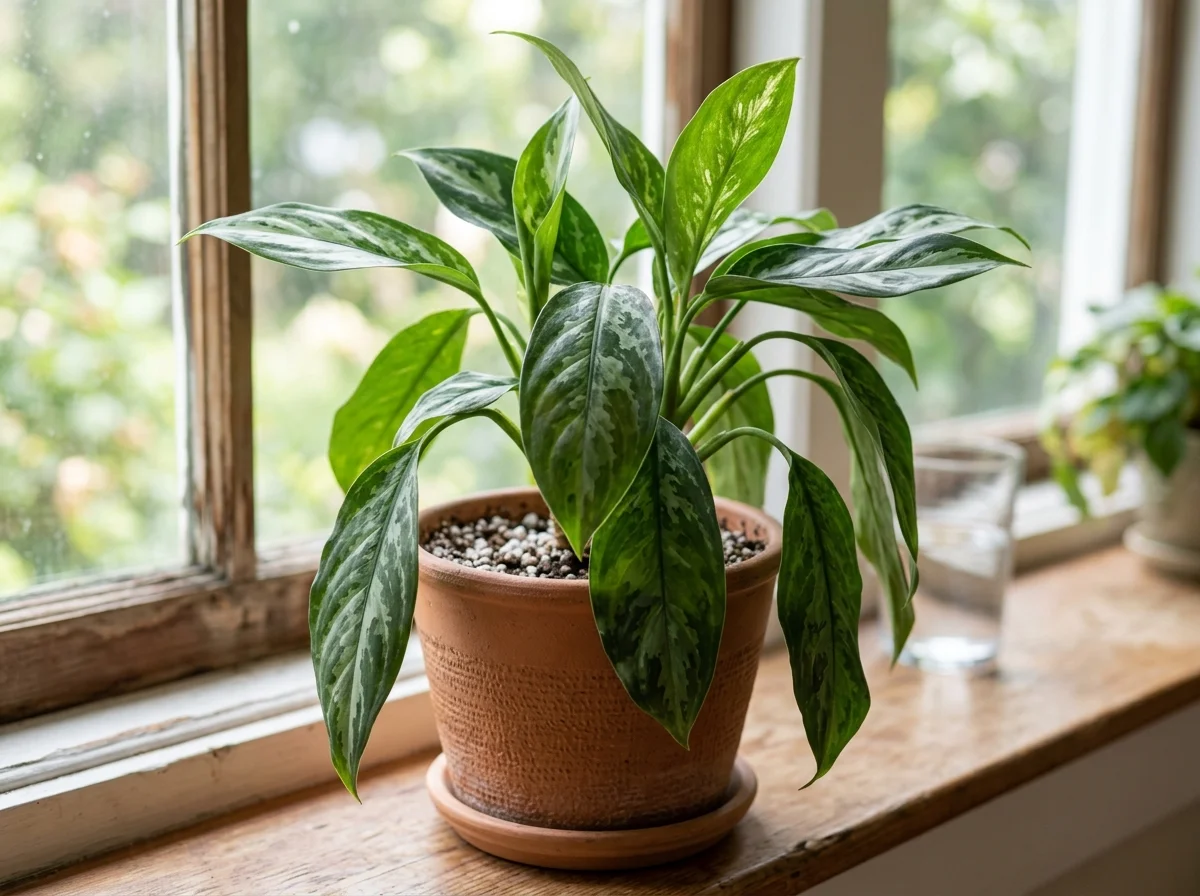
Leaves may hang limply or feel soft and floppy, sometimes with a dull or slightly glassy look. Stems can lose their firmness too. This is often the first visible sign.
Leaf Discoloration and Darkening
Look for dark green, grey, brown or blackened patches, translucent or water-soaked areas, and browning along edges. Leaves that touched cold glass often show a clear patch in the area of contact. Some plants show pale or bleached patches instead.
Leaf Drop After a Temperature Change
Plants may shed leaves after a chill, sometimes many at once. This is a stress response, and a plant that drops leaves can still be alive and able to regrow, so do not discard it too soon.
Damaged New Growth
Young shoots and new leaves are tender and tend to be injured first. They may blacken, curl, stall or collapse.
When Symptoms Appear After Cold Exposure
Damage often shows hours to a few days after the exposure, not at the moment it happens. A plant that looks fine the morning after a cold night may still decline over the following days. For that reason it is best to wait and watch before making big changes or deciding how bad the damage is.
How to Help a Plant Recover From Cold Shock
Move the Plant to a Stable Environment
Return the plant to a spot with steady, moderate conditions, away from cold glass, drafts and heating vents. The aim is stability. Avoid putting a chilled plant right next to a heater, because a sharp swing in the other direction adds stress.
Avoid Immediate Overwatering
A stressed plant with limited root activity uses less water, and soggy soil in a cold pot can lead to root problems. Check the soil before watering and water only when the plant needs it, using room-temperature water. Wilting alone is not a reason to water if the soil is still moist.
Protect Damaged Leaves From Additional Stress
Keep the plant out of strong direct sun, which can scorch weakened leaves, and avoid fertilising, repotting or heavy pruning while it is under stress. Give it bright, indirect light suited to the species.
Resume Normal Light and Watering Gradually
As the plant stabilises and begins to look firmer, return to its usual light and watering routine in steps instead of all at once.
Why Sudden Recovery Measures Can Cause More Stress
It is tempting to respond with extra water, fertiliser, heat or a move into bright sun. Each of these is another sudden change for a plant that is already struggling. Calm, consistent conditions give it the best chance to rebuild.
How to Prevent Cold Shock
Acclimate Plants Before Moving Them Outdoors
Introduce outdoor conditions gradually, starting with short periods in a sheltered place and building up over days. This process, called hardening off, is covered step by step in the hardening off guide.
Monitor Nighttime Temperatures
Check the forecast for nighttime lows as well as daytime highs. How much cold a plant tolerates depends on the species, so look up the needs of your specific plant rather than relying on a general rule.
Protect Plants From Cold Drafts
Keep plants away from cold windows in winter, move them back from glass on cold nights, and avoid placing them near exterior doors or open windows. A gap between the leaves and the glass makes a real difference.
Avoid Sudden Environmental Changes
Moves between rooms, buying plants in cold weather and transporting them in cold cars are all exposures. Wrap plants for transport in cold weather and let them settle gradually when you get home.
When to Delay Moving Plants Outdoors
Postpone the move if nights are still cold for your species, if a cold snap is forecast, or if the weather has been swinging widely. Waiting a week or two costs little, while an early move can cost leaves or the plant.
Cold Shock During Seasonal Plant Transitions
Moving Houseplants Outdoors in Spring
Spring is the highest-risk time, because mild days invite an early move while nights can still turn cold. Wait until nights are reliably suitable for the plant, and introduce it to outdoor conditions gradually.
Bringing Outdoor Plants Indoors in Fall
Cold shock can also happen in autumn if plants stay out too long and are then taken into a warm house. Follow our guide on how to bring outdoor plants indoors for winter to move tender plants in before nights become cold and help them adjust to indoor light and warmth.
Protecting Plants During Unpredictable Weather
If a cold night arrives unexpectedly, move potted plants indoors or into a sheltered place such as a porch or against a house wall. Plants in the ground can sometimes be covered overnight, but take the cover off in the morning so the plant is not left trapped under it.
Temperature Changes That Require Extra Caution
Be especially careful with a large drop between day and night, a rapid fall after a warm spell, wind combined with cold, and any change that follows a period of soft, sheltered growth. These combinations are the ones most likely to injure a sensitive plant.
Cold Shock Recovery: When Will a Plant Improve?
Recovery time varies with the plant and the severity of the exposure. A mildly affected plant may firm up within days, while a badly damaged one can take weeks or months to produce new growth. Some plants do not recover.
Damaged Leaves May Not Recover
Leaves that have turned dark, translucent or papery are generally permanently damaged, even if the plant itself survives. They will not return to normal, but they can still help the plant for a time by photosynthesising with their undamaged areas.
How to Evaluate New Growth
New growth is the clearest sign of how the plant is doing. Healthy, firm shoots and leaves mean the plant has recovered. If stems are firm and green under the surface and buds are intact, the plant is likely alive even if foliage looks poor.
When to Remove Damaged Foliage
Wait until the plant has stabilised and you can see which parts are alive. Then remove leaves that are fully dead or collapsing. Cutting too early can remove tissue that would have recovered, and leaves with partial damage can be left until the plant has new growth to replace them.
Signs That the Plant Is Recovering
Signs include firmer stems and leaves, an end to further leaf drop, fresh buds or shoots, and normal leaf colour on new growth. Slow progress is normal, so keep conditions steady while you wait.
Related Resources
For the preventive process, read the hardening off guide.
Frequently Asked Questions
Can a plant recover from cold shock?
Often, yes. Plants with mild to moderate damage commonly recover if they are moved to stable conditions and not stressed further. Damaged leaves usually do not return to normal, but new growth can. Severe exposure, or a sensitive species, may cause lasting damage or kill the plant, and stems that are firm and green are a good sign.
How long does cold shock last?
It varies. Mild cases can improve within days, while more serious ones take weeks before new growth appears. Symptoms can also worsen for a day or two after the exposure before they improve, so judge recovery by new growth over time and not by the first few days.
Should I water a plant after cold exposure?
Only if the soil needs it. A plant under cold stress takes up less water, and soggy soil adds the risk of root problems. Check the soil first, and use room-temperature water. Wilting alone does not mean the plant is thirsty.
Should cold-damaged leaves be removed?
Not straight away. Wait until the plant has stabilised and you can tell which leaves are dead. Then remove those that are fully collapsed or dead. Leaves that are only partly damaged can stay until new growth replaces them.
Related Plant Guides
No specific plant guides found matching this topic.
Recommended next actions
Continue Exploring
Dive deeper into related plant care tools and profiles.