Zebra Plant Care: The Pet-Safe, Low-Light Succulent
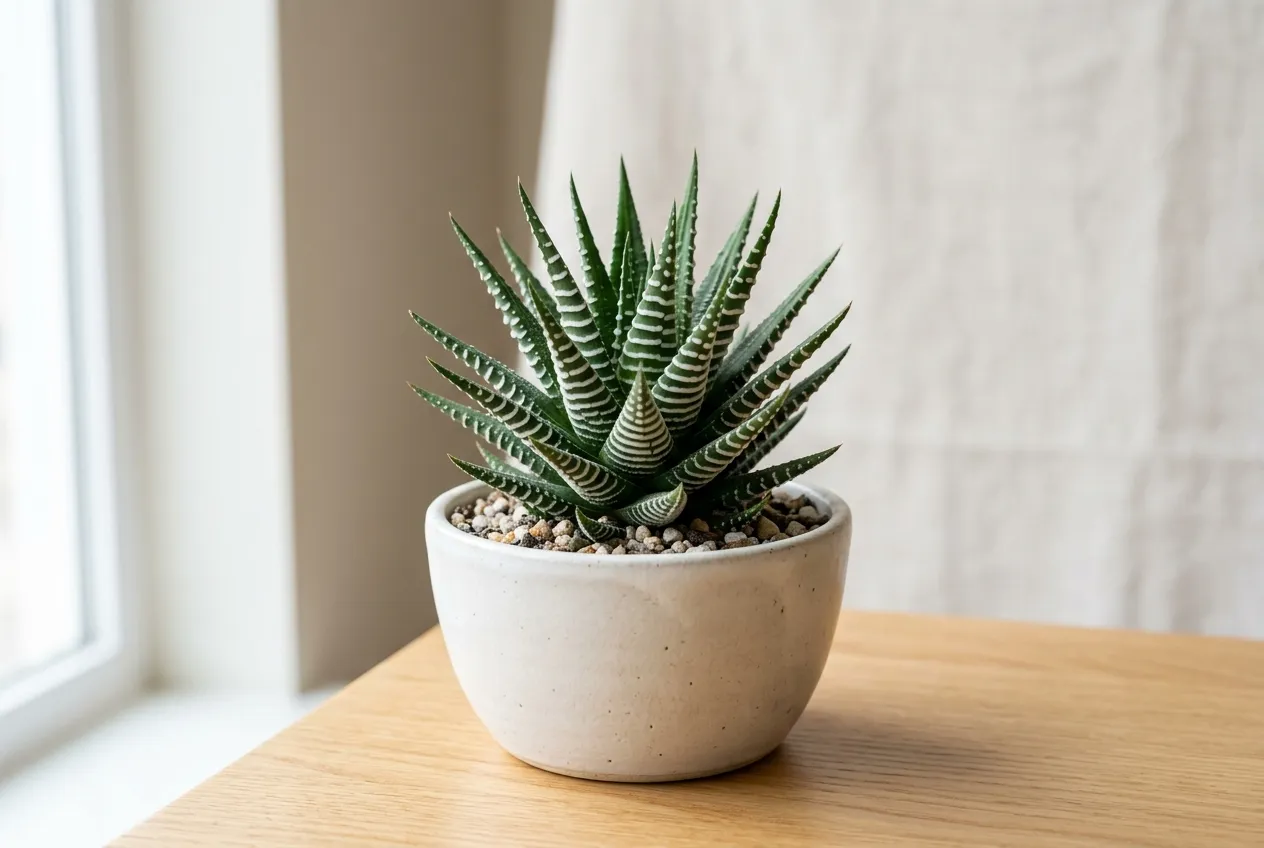
The Zebra Plant is a striking, pet-safe succulent featuring dark green leaves with raised white stripes. Unlike most succulents, it thrives without direct afternoon sun.
-
Difficulty
easy
-
Light
Unlike echeverias or cacti, Haworthias naturally grow partially shaded by rocks and bushes. They prefer bright, indirect light and will turn red, brown, or white if exposed to too much direct, hot sun.
-
Temperature
65°F - 80°F (18°C - 27°C)
-
Growth
slow
-
Humidity
30% - 50%
-
pH range
6.0 - 7.0
-
Biggest Owner Mistake
Letting the soil go completely dry—this calathea relative cannot recover from even a single dry-out the way succulents can, and it wilts dramatically while shedding lower leaves. Keep the soil consistently moist, and use distilled water because tap water minerals cause additional browning.
-
What Nobody Tells You
The yellow bract flowers last several months, but the plant often looks ragged and underpowered for a long time after flowering as it recovers. Cutting off the spent flower spike as soon as color fades redirects energy to new leaf production rather than seed setting.
-
Real Home Conditions
In dry air, leaf edges brown and the zebra stripe pattern loses contrast as the leaf surface desiccates. A bathroom or kitchen with natural steam is the easiest way to provide the high humidity this plant consistently needs.
Quick Answer
Haworthia fasciata, or Zebra Plant, prefers bright indirect light rather than intense direct sun that can scorch its striped leaves. Water only after soil fully dries, using a fast-draining succulent mix to prevent root rot. This compact South African species stays small, making it ideal for desks and windowsills where space is limited.
Key Takeaways
- Provide bright, indirect light rather than intense, direct sun exposure.
- Water only after the soil has fully dried out between waterings.
- Use a fast-draining succulent mix to help prevent root rot.
- Expect slow growth typical of this compact, low-maintenance succulent species.
Overview
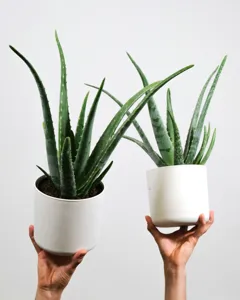
The Zebra Plant (recently reclassified from Haworthia fasciata to Haworthiopsis fasciata) is one of the most recognizable and beloved indoor succulents. Native to the semi-arid regions of South Africa, it forms a tight, stemless rosette of dark green, fleshy leaves adorned with striking, raised white "zebra" stripes. It looks remarkably similar to a miniature Aloe Vera, but with one massive advantage for indoor gardeners: it is entirely non-toxic to pets.
Its other major advantage is its light tolerance. Most succulents stretch out and lose their shape if they don't receive blasting direct sunlight all day long. Haworthias, however, evolved to grow under the shade of larger bushes and rocks. This makes them perfectly suited to the medium-to-bright indirect light found in typical Western homes and offices.
Light Requirements
Unlike an Echeveria or a Cactus, the Zebra Plant does not want to sit in a hot, south-facing window all day. While it enjoys a few hours of gentle morning sun from an east-facing window, harsh afternoon sun will cause the plant to stress. When stressed by too much light, the leaves will turn brown, red, or even white. If you see this happening, simply move the plant a few feet back from the window or switch to an east/west exposure, and it will green up again. It will tolerate lower light levels much better than other succulents, though growth will slow down.
Watering Strategy
The watering rule for the Zebra Plant is simple: "Soak and Dry." You must allow the soil to dry out completely—100%—before watering again. Because it stores water in its thick leaves, it can easily survive weeks of neglect. During the hot summer months, you might water it every two weeks. During the winter, when the plant goes semi-dormant, you may only need to water it once a month or less.
When you do water, do not just give it a little sip. Soak the soil thoroughly until water pours out the drainage holes, then empty the saucer. Leaving the pot sitting in water drastically increases the risk of severe root rot via root rot.
Temperature and Humidity
Average indoor temperatures between 65°F and 80°F (18°C - 27°C) are ideal. Keep it away from freezing drafts in the winter. It prefers low humidity and perfectly tolerates the dry air caused by indoor heating and air conditioning. Never mist a Zebra Plant; water sitting in the crown of the rosette will cause it to rot.
Soil and Potting
Excellent drainage is non-negotiable. Standard houseplant soil holds too much water and will kill the roots. Use a dedicated cactus or succulent mix, and consider adding extra pumice, perlite, or coarse sand to ensure water flows through it instantly. Always use a pot with a drainage hole. Terracotta pots are highly recommended for Haworthias because the porous clay helps the soil dry out faster.
Fertilizing
Zebra Plants are incredibly slow growers and require very little nutrition. Feed them only once a year, in the spring, using a specialized succulent fertilizer diluted to half-strength. Over-fertilizing can burn the roots and cause distorted growth.
Propagation
You cannot easily propagate a Zebra Plant from a single leaf cutting like you can with some other succulents. Instead, you must wait for the plant to do the work for you. Mature plants will produce small offsets, or "pups," around the base of the main rosette. Wait until a pup is about a third the size of the mother plant. Then, unpot the plant and gently pull or cut the pup away, making sure the pup has at least a few of its own roots attached. Let the pup dry for a day or two, then plant it in its own small pot.
Toxicity
This is where the Zebra Plant shines compared to its look-alike, the Aloe Vera. Aloe Vera is toxic to cats and dogs, causing vomiting and lethargy. The Zebra Plant, however, is non-toxic to pets and non-toxic to pets to keep around pets.
Common Problems
Leaves Turning Red/Brown/Pale: Sun stress. The plant is receiving too much direct, hot sunlight. Move it to a location with bright, indirect light.
Leaves Turning Yellow and Mushy: Overwatering and root rot. If the center of the rosette is mushy and black, the plant is likely dead. Stop watering immediately, remove the mushy leaves, and hope the roots recover.
Dry, Crispy Brown Tips: While often a sign of underwatering, it can also happen naturally to the very oldest, outermost leaves as the plant ages. If the rest of the plant is plump, simply pull the dried leaves away.
Calculator
Interactive Calculators for Haworthia Fasciata
Recommended next actions
Next Best Actions
Use calculators and guides to turn this plant profile into a practical care routine.
Topic Guide
Watering
Learn everything about watering for your indoor and aquarium plants. Expert care tips, troubleshooting, and related guides.
Topic Guide
Root Rot
Learn how to identify and treat root rot in houseplants. Discover causes, symptoms, and step-by-step solutions to save your plants from overwatering.
Structured Plant Data
Plant Data Profile
The following data is extracted directly from our botanical knowledge graph for accuracy and transparency.
Growth Characteristics
Growth Rate
slow
Mature Height
3-5 inches
Mature Spread
4-6 inches
Life Cycle
Perennial
Flowering Season
Summer (produces a long stalk with tiny white/pink tubular flowers)
Container Friendly
yes
Indoor Capable
yes
Environmental Parameters
| Parameter | Recommended | Survivable |
|---|---|---|
| Temperature | 65°F - 80°F (18°C - 27°C) | 50°F - 90°F (10°C - 32°C) |
| Humidity | 30% - 50% | 20% - 60% |
| Soil PH | 6.0 - 7.0 | 5.5 - 7.5 |
Lighting
Description
Unlike echeverias or cacti, Haworthias naturally grow partially shaded by rocks and bushes. They prefer bright, indirect light and will turn red, brown, or white if exposed to too much direct, hot sun.
Nutrients
Nitrogen Demand
low
Phosphate Demand
low
Potassium Demand
low
Micronutrient Notes
Very slow grower; rarely needs fertilizer.
Fertilizer Frequency
Once a year in spring using a cactus fertilizer diluted to half strength.
Organic Options
A pinch of worm castings in early spring.
Relationships
-
Root Rot
Vulnerability | Strength 9
Like all succulents, it is highly susceptible to root rot if left sitting in wet soil or pots without drainage holes.
Zebra Plant vs. Aloe Vera Comparison
| Feature | Zebra Plant (Haworthia) | Aloe Vera |
|---|---|---|
| Pet Safety | non-toxic to pets | Toxic (Causes vomiting) |
| Light Needs | Bright Indirect | Full Direct Sun |
| Leaf Texture | Raised white bumps (stripes) | Smooth, often with teeth on edges |
Troubleshooting & Diagnostics Guide
1 Leaves turning red, brown, or white but remaining plump
Diagnosis: Sun stress from too much direct, hot sunlight.
Treatment: Move the plant away from the south-facing window into bright, indirect light. It will return to its normal green color in a few weeks.
Prevention: Maintain optimal care conditions.
Authoritative Resources
For additional peer-reviewed information on plant diseases, toxicity, and care, consult these trusted botanical and agricultural extensions:
Glossary of Terms
- Rosette
- A circular arrangement of leaves, with all the leaves at a similar height, radiating outward from a central stem.
- Offset (Pup)
- A small, complete plant that grows naturally from the base of a mother plant, used for propagation.
Frequently Asked Questions
Why is my Zebra Plant turning red or brown?
How do I water my Zebra Plant?
Is the Zebra Plant toxic to cats?
Why are the tips of my Zebra Plant turning brown and crispy?
How do I propagate my Zebra Plant?
Sources & References
-
Source: powo.science.kew.org
-
Source: edis.ifas.ufl.edu
Explore More