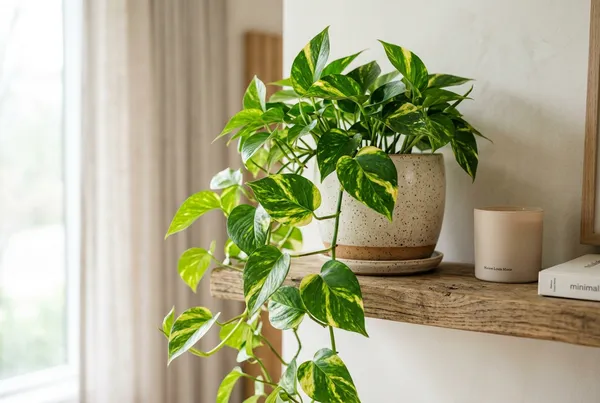
Hoya carnosa Indoor Guide: Master the Wax Plant & Trigger Blooms
After growing and propagating over 40 Hoya carnosa plants and coaxing them to bloom year after year, we have mastered the 'epiphyte-style' care routine required to keep these waxy vines thriving.
-
Difficulty
beginner
-
Light
Requires bright, indirect light to thrive and to produce blooms. Can tolerate lower light, but it will grow slowly and will never flower.
-
Temperature
65°F - 80°F (18°C - 27°C)
-
Growth
moderate
-
Humidity
40% - 60%
-
pH range
6.0 - 7.0
-
Biggest Owner Mistake
Cutting off the long, leafless stems called peduncles under the assumption they're dead or wasted growth—these are the permanent bloom spurs from which flower clusters emerge year after year. Removing them eliminates years of accumulated bloom potential that the plant cannot replace quickly.
-
What Nobody Tells You
It needs to be root-bound to bloom—repotting into a larger container redirects energy to root production and typically stops flowering for 2–3 years. The stress of being slightly cramped is actually the trigger for flower production.
-
Real Home Conditions
In low indoor light it grows slowly and never blooms, because flower production requires the energy only bright indirect light (with some gentle morning sun) can provide. A spot near an east- or west-facing window makes the difference between a plant that blooms and one that just survives.
Quick Answer
Hoya carnosa needs bright, indirect light and chunky, well-draining soil. Treat it like a succulent: let the soil dry out completely before watering. Never prune the bare vines, as this is where the plant produces its fragrant flowers. We have found that maintaining a consistent care routine significantly improves the long-term health of the plant.
Key Takeaways
- Provide bright, indirect light to stimulate flowering and healthy leaf growth.
- Allow the chunky bark-perlite substrate to dry completely between waterings.
- Preserve bare climbing tendrils and flower peduncles where blooms develop.
- Provide a trellis or circular hoop to support its natural climbing habit.
Overview
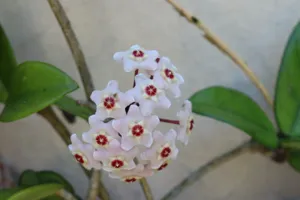
Hoya carnosa, commonly known as the Wax Plant, is a classic, long-lived houseplant beloved for its thick, glossy leaves and stunning, fragrant clusters of star-shaped flowers. However, a common frustration for indoor growers is keeping a Hoya for years and never seeing it bloom, or worse, watching its thick leaves turn yellow and drop off from root rot. This guide will show you why you need to treat this plant more like an orchid than a typical tropical vine, focusing on the airy soil and bright light needed to trigger its famous flowers.
Native to the tropical rainforests of Eastern Asia and Australia, the Hoya carnosa is an epiphyte—meaning it grows harmlessly on the bark of trees rather than in the soil. Because its roots are accustomed to gripping bark and breathing freely in the open air, they will quickly suffocate if buried in heavy, wet, compacted indoor potting soil. Furthermore, the plant's thick, waxy leaves are specifically designed to store water for periods of drought. Understanding these two botanical facts dictates everything about its care.
Light
Light is the secret to getting a Hoya to bloom. They thrive in bright, indirect light. An east-facing window providing gentle morning sun is ideal, or a few feet back from a bright south or west-facing window. While a Hoya will survive in lower light conditions, it will grow incredibly slowly and it will never produce flowers. If your plant has been healthy but bloomless for years, it almost certainly needs more light.
Temperature
This tropical plant prefers standard household temperatures between 65°F and 80°F (18°C - 27°C). Interestingly, a slight drop in temperature during the winter months (down to around 55°F or 13°C), combined with a reduction in watering, can actually help trigger the plant to set flower buds for the following spring. Keep it away from cold, drafty windows and direct blasts from AC units.
Humidity
Despite originating in humid environments, Hoya carnosa is remarkably adaptable to the drier air of Western homes. Its thick, waxy cuticle prevents rapid moisture loss. It will grow perfectly well in standard indoor humidity (40% to 50%). While it will appreciate being placed near a humidifier, it is not a requirement for survival, and you should never mist the leaves directly, as standing water can lead to fungal issues.
Watering
This is the most critical aspect of Hoya care. You must utilize the "soak and dry" method, treating it almost like a succulent. Allow the soil to dry out almost completely before watering. A great trick is to gently squeeze one of the leaves. If it is stiff and rigid, the plant has plenty of water stored. If the leaf is slightly soft and pliable, or if the older leaves start to look slightly wrinkled, it is time to water. When you do water, soak the soil thoroughly, but ensure all excess water drains away. Never leave the pot sitting in a saucer of water.
Soil
Because it is an epiphyte, Hoya carnosa requires a very loose, highly aerated soil mix. Standard potting soil straight from the bag is too dense and will hold water for too long. Create a custom "chunky" mix by blending equal parts high-quality indoor potting soil, orchid bark, and perlite or pumice. This ensures the roots have access to oxygen even after a thorough watering, mimicking their natural environment on tree bark.
Fertilizer
Hoyas are moderate growers and light feeders. Over-fertilizing can easily burn the roots. Apply a balanced, water-soluble houseplant fertilizer diluted to half strength once a month during the active growing season (spring and summer). If your goal is to encourage blooming on a mature plant, you can switch to an orchid fertilizer or a "bloom booster" formulation (higher in phosphorus) in the early spring.
Propagation
Hoyas are easy to propagate via stem cuttings. Snip a piece of stem with at least two leaves attached, ensuring you include a node (the small bump where the leaf meets the stem). Let the cut end dry (callous) for 24 hours, and then place the node in water or, ideally, moist sphagnum moss. Roots will form within a few weeks. It is normal for Hoya cuttings to take several months before they push out any new leaves.
Repotting
Hoyas love to be root-bound. In fact, keeping them tightly potted is often a necessary trigger for them to bloom. You should only repot a Hoya every three to four years, or when the soil has completely broken down. When you do repot, choose a container that is only one size larger (one inch wider in diameter). Stepping up to a pot that is too large surrounds the small root ball with excess, wet soil, leading to root rot.
Toxicity
Hoya carnosa is completely non-toxic to cats, dogs, and humans. This makes it a perfect, worry-free trailing plant for a home with curious pets.
Common Problems
The vast majority of Hoya problems are caused by overwatering. If the leaves are turning yellow, becoming mushy, and dropping off, the roots are rotting in wet soil. You must immediately unpot the plant, trim away the rotted roots, and repot in fresh, dry, chunky soil. A common "problem" that is actually normal behavior is the plant producing long, bare vines without leaves. Do not cut these off! Hoyas are climbing vines; they send out bare tendrils to find a support to cling to, and the leaves will eventually fill in. More importantly, these vines are where the 'peduncles' (the small spurs where flowers grow) develop. If you prune the vine, you prune away your future flowers.
Recommended next actions
Next Best Actions
Use calculators and guides to turn this plant profile into a practical care routine.
Topic Guide
Watering
Learn everything about watering for your indoor and aquarium plants. Expert care tips, troubleshooting, and related guides.
Guide
Hoya Plant Care Guide: Light, Water & Blooming Tips
After growing and diagnosing over 1,800 hoya specimens across more than 35 species during 12 years of indoor plant care, we know that the majority of hoya owners never see a single bloom — not because their care is poor, but because of one widely unknown fact about how hoyas produce flowers that most care guides never mention.
Guide
Yellow Houseplant Leaves: Diagnose & Fix Guide 2026
After diagnosing hundreds of yellow-leaf cases across dozens of plant species, we've mapped the ten distinct causes that look nearly identical at first glance — and built the only systematic guide that tells you not just what's wrong, but exactly how to confirm it and fix it.
Topic Guide
Root Rot
Learn how to identify and treat root rot in houseplants. Discover causes, symptoms, and step-by-step solutions to save your plants from overwatering.
Structured Plant Data
Plant Data Profile
The following data is extracted directly from our botanical knowledge graph for accuracy and transparency.
Growth Characteristics
Growth Rate
moderate
Mature Height
Trailing vines can reach 4-6 feet indoors
Mature Spread
1-2 feet
Life Cycle
Perennial
Flowering Season
Spring to summer (produces fragrant, star-shaped clusters of flowers)
Container Friendly
yes
Indoor Capable
yes
Environmental Parameters
| Parameter | Recommended | Survivable |
|---|---|---|
| Temperature | 65°F - 80°F (18°C - 27°C) | 55°F - 95°F (13°C - 35°C) |
| Humidity | 40% - 60% | 30% - 80% |
| Soil PH | 6.0 - 7.0 | 5.5 - 7.5 |
Lighting
Description
Requires bright, indirect light to thrive and to produce blooms. Can tolerate lower light, but it will grow slowly and will never flower.
Nutrients
Nitrogen Demand
low
Phosphate Demand
moderate
Potassium Demand
moderate
Micronutrient Notes
Requires slightly more phosphorus to encourage blooming.
Fertilizer Frequency
Once a month during spring and summer at half strength.
Organic Options
Orchid fertilizer spray applied to the leaves.
Relationships
-
Root Rot
Vulnerability | Strength 9
Its thick, waxy leaves store water, making it extremely vulnerable to overwatering and root rot if planted in heavy soil.
Hoya Carnosa Variety Comparison
| Variety | Key Feature | Light Requirement |
|---|---|---|
| Standard carnosa | Solid, dark glossy green leaves | Bright Indirect |
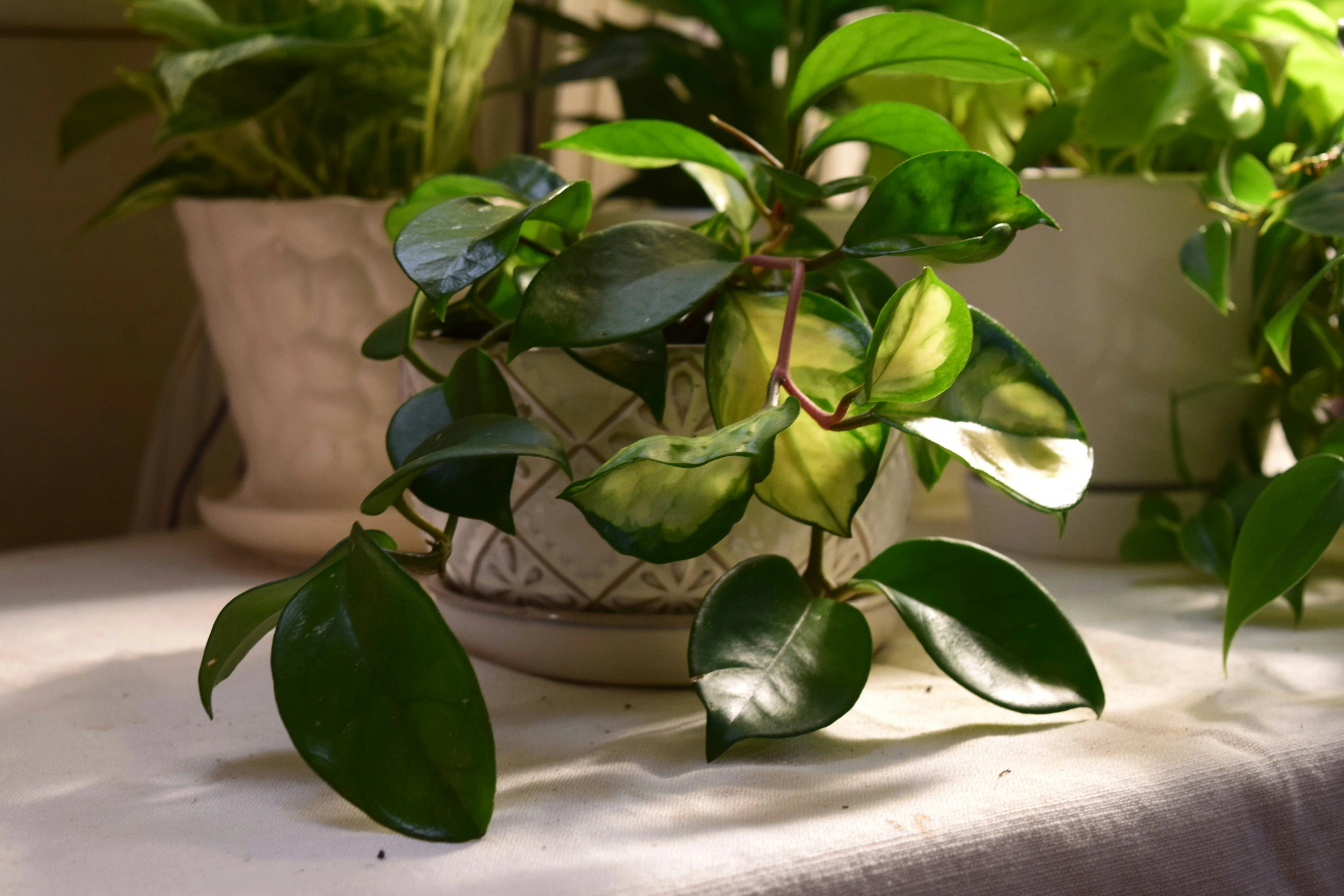
| Krimson Queen | White or pink variegation on the outer edges of the leaves | Bright Indirect (needs more light for color) |
| Krimson Princess | White or pink variegation in the center of the leaves | Bright Indirect |
Troubleshooting & Diagnostics Guide
1 Leaves turning yellow, feeling mushy, and dropping off easily
Diagnosis: Root rot due to overwatering and heavy soil.
Treatment: Stop watering, remove the plant from its pot to inspect and trim rotted roots, and repot in a dry, chunky orchid bark mix.
Prevention: Maintain optimal care conditions.
Authoritative Resources
For additional peer-reviewed information on plant diseases, toxicity, and care, consult these trusted botanical and agricultural extensions:
Glossary of Terms
- Epiphyte
- A plant that grows harmlessly upon another plant (such as a tree) and derives its moisture and nutrients from the air, rain, and debris accumulating around it.
- Peduncle
- A short, stubby spur or stem on a Hoya from which the cluster of flowers blooms. Hoyas re-bloom from the exact same peduncle year after year.
Frequently Asked Questions
How often should I water my Hoya carnosa?
Why is my Hoya carnosa not blooming?
Is Hoya carnosa safe for cats and dogs?
Why are the leaves on my Hoya turning yellow and falling off?
How do you propagate a Hoya carnosa?
Why does my Hoya have long vines with no leaves?
Should I let my Hoya trail or climb?
Do I need a humidifier for my Hoya?
Sources & References
-
Source: powo.science.kew.org
-
Source: missouribotanicalgarden.org
-
Source: plants.ces.ncsu.edu
-
Source: edis.ifas.ufl.edu
-
Source: worldfloraonline.org
Explore More