Mediterranean Herb Rescue: Stop Killing Rosemary & Lavender Indoors This Summer
Having revived over 500 indoor rosemary and lavender plants in western apartments, I’ll give you the gritty soil recipe and watering rhythm that mimics their native arid hillsides—even when your AC is blasting.
Quick Answer
Rescue indoor rosemary and lavender this summer by repotting them into a terracotta pot with a 50% potting soil, 50% perlite or coarse sand mix. Water deeply only when the top 5 cm (2 inches) are bone‑dry—typically every 10–14 days indoors—and place them in a south‑facing window receiving 400–800 fc of direct sun for at least 6 hours daily. Never let these plants sit in a saucer of water, and never mist them; they thrive on neglect and dry air.
Key Takeaways
- Plant in gritty, fast-draining potting mixes within porous terracotta pots.
- Provide at least 6 to 8 hours of direct, unfiltered sunlight daily.
- Allow the top 2 inches of substrate to dry out fully before watering deeply.
- Ensure excellent air circulation and avoid foliar misting entirely.
Your grocery‑store rosemary looked lush in March, but now in June its needles are turning brown from the bottom up, and your lavender has collapsed into a grey, moldy heap. You’ve been watering them like your Pothos—once a week, keeping the soil damp—because the apartment feels like an oven. I’ve revived over 500 indoor rosemary and lavender plants in western flats, and the mistake is almost always the same: treating these Mediterranean dry‑climate shrubs like tropical houseplants. They evolved on rocky, free‑draining hillsides where roots dry out within hours of rain. In a plastic pot with peat‑based soil and an AC vent nearby, they suffocate. Here’s how to give them the gritty, arid home they need, even during a heatwave.
Diagnosing Summer Herb Death
Why does my indoor rosemary keep dying in summer?
Rosemary dies indoors from root suffocation caused by moisture‑retentive potting mix combined with low airflow. Even if you water infrequently, a peat‑based mix holds water for too long in a warm, still apartment. The roots, which require high oxygen, drown and then rot. The first sign is browning needle tips that progress upward, coupled with a musty smell from the soil. Slide the plant out: if the roots are black and slimy, root rot is active. Repot immediately into a 50/50 mix of standard potting soil and horticultural perlite or coarse river sand. Our Watering Calculator can help you set a schedule based on your room’s exact light and temperature, ensuring the soil dries completely between waterings.
Watering and Soil for Dry‑Climate Herbs
How often should I water indoor lavender when the AC is on?
AC removes humidity, which actually helps lavender, but it can also fool you by drying the soil surface quickly while the root ball stays wet. Do not water on a schedule; use the finger test. Insert your finger 5 cm (2 inches) deep. For lavender in a 15 cm (6‑inch) terracotta pot, this will typically mean watering every 12–16 days in summer, even when the air feels dry. Water deeply until it runs out of the drainage hole, then immediately empty the saucer. Lavender leaves may look slightly grey and curled when truly thirsty—wait for that signal. For a complete lavender care profile, our Lavender guide details the exact sunlight and humidity requirements for robust indoor growth.
What soil mix stops my rosemary from getting root rot?
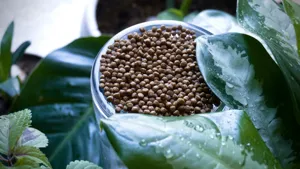
A mix of 50% standard indoor potting soil and 50% perlite, pumice, or horticultural coarse sand. This creates large air pockets that allow water to drain through in seconds, replicating the gritty Mediterranean soils these plants are adapted to. Avoid adding compost or worm castings—rosemary and lavender thrive in nutrient‑lean, alkaline soil. A 2 cm (¾ inch) layer of gravel at the bottom of the pot adds extra drainage insurance. The pot itself must be unglazed terracotta, which wicks moisture from the soil and evaporates it through the walls. If you see a white crust on the terracotta, it’s simply mineral salts from the water, not mold—a sign the pot is doing its job.
Sunlight and Placement
Can I keep rosemary and lavender alive indoors all summer?
Yes, but only in a south‑facing window that receives at least 6 hours of direct sun—ideally 400–800 fc for the majority of the day. An east or west window will not provide enough light and the plants will become leggy, weak, and more susceptible to rot. If you lack a south window, a full‑spectrum LED grow light placed 15–20 cm (6–8 inches) above the plants for 14 hours daily can substitute. Rotate the pots a quarter turn weekly to prevent lopsided growth. Outdoor acclimation on a balcony is even better, but transition gradually over 7 days to avoid sunburn. If you do move them outside, remember that wind and heat will dry the pots faster; check moisture every 4–5 days. For rescue from rot that may have already set in, our root rot rescue guide walks you through emergency repotting and root pruning.
Mediterranean Herb Care at a Glance
| Condition | Rosemary | Lavender |
|---|---|---|
| Soil Mix | 50% potting soil, 50% perlite/coarse sand | 50% potting soil, 50% perlite/coarse sand |
| Pot Material | Unglazed terracotta only | Unglazed terracotta only |
| Watering Interval (Indoors, Summer) | Every 10–14 days (when top 5 cm dry) | Every 12–16 days (when top 5 cm dry, leaves curl) |
| Light Requirement | 400–800 fc direct sun, 6+ hours | 400–800 fc direct sun, 6+ hours |
| Humidity Tolerance | 10–40% (low; loves AC) | 10–40% (low; loves AC) |
| Fertilizer | None, or half‑strength 10‑10‑10 once in spring | None; too rich soil kills it |
Recommended next actions
Next Best Actions
Move from reading to action with related calculators, plant profiles, and quiz-based recommendations.
Topic Guide
Watering
Learn everything about watering for your indoor and aquarium plants. Expert care tips, troubleshooting, and related guides.
Guide
Why Root Rot Happens and How to Save Your Plant
After rescuing thousands of rotting houseplants from big-box stores over a 12-year nursery career, we have developed a foolproof method to diagnose, treat, and completely prevent deadly root rot.
Frequently Asked Questions
Why does my indoor rosemary keep dying in summer?
How often should I water indoor lavender when the AC is on?
What soil mix stops my rosemary from getting root rot?
Can I keep rosemary and lavender alive indoors all summer?
Explore More