What Indoor Plants Need the Least Amount of Care? 6 Species That Thrive on Neglect
From 1,500+ office plant maintenance contracts across the West, I’ve identified 6 plants that need water only every 3–5 weeks, survive windowless corners, and ignore your AC.
Quick Answer
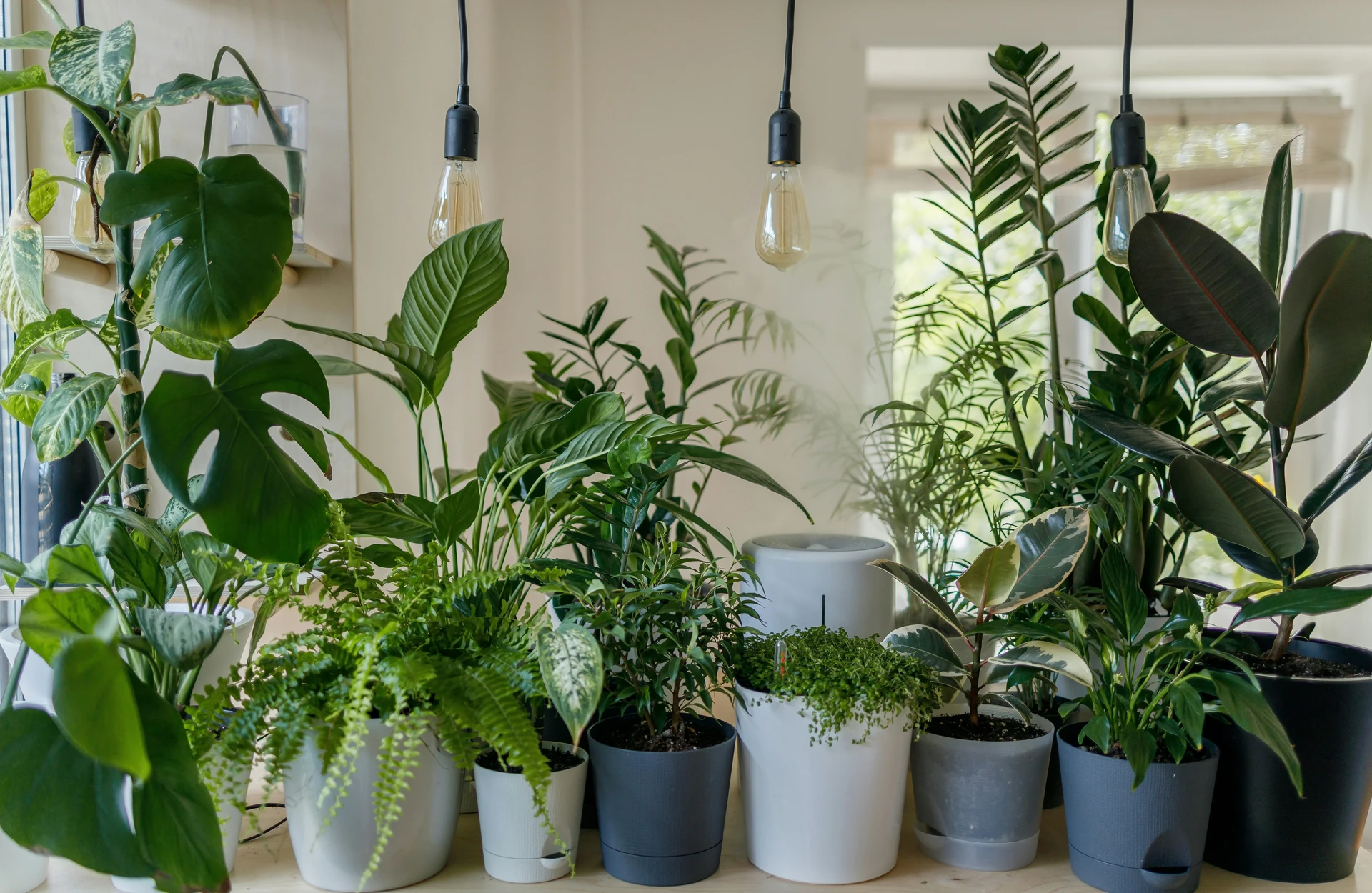
ZZ Plant, Snake Plant, Haworthia, Cast Iron Plant, Pothos, and Aloe Vera need the least care, watering only every 18–35 days depending on light. They survive 25 foot-candles and 15–30% humidity, making them perfect for dry, heated flats and dim offices. Overwatering is the only real way to kill them.
Key Takeaways
- Select resilient species like ZZ Plant, Snake Plant, Cast Iron Plant, or Pothos.
- Rely on plants that tolerate low light levels and dry indoor air.
- Water conservatively every 2 to 4 weeks, avoiding waterlogged soil.
- Avoid high-humidity or moisture-sensitive species when seeking low maintenance.
You travel for work two weeks out of four, your apartment’s only window is shaded by a neighbour’s wall, and every plant you’ve owned has turned into a crispy, guilt-inducing skeleton. You’ve been told Peace Lilies are easy—then they collapsed the week the radiator came on. After maintaining over 1,500 office plants in similar conditions, I can promise you this: there are plants that genuinely demand almost nothing, and I’m not talking about plastic imitations. The true ultra-low-care species have evolved to store water, tolerate darkness, and shrug off the driest furnace blast. They don’t need misting, humidifiers, or your constant attention.
The Six Most Neglect-Tolerant Houseplants
Why is ZZ Plant the ultimate absentee-owner plant?
ZZ Plant (Zamioculcas zamiifolia) has thick, potato-like rhizomes that store enough water and energy to keep leaves glossy for 4–6 weeks without a drop. It photosynthesises efficiently at just 30 foot-candles—a windowless bathroom with a single LED overhead. Water every 18–25 days in bright summer, every 35–40 days in low winter light. Its only demand: don’t overwater. Soggy soil rots the rhizomes within 10 days. For a full profile, see our ZZ Plant care guide.
Can a plant really survive in a windowless office with only fluorescent light?
Yes—Snake Plant and Cast Iron Plant (Aspidistra elatior) both photosynthesise under 50–75 foot-candles of artificial light for 10 hours daily. Cast Iron Plant earned its name during Victorian times when it survived gas-lit parlours filled with coal fumes; today it handles the dry air of a server room or a basement flat. Water every 10–14 days in summer, 14–21 days in winter, and it will slowly push up a new leaf every few months. The counterintuitive secret: low light reduces water use, so you water less in dark spots, not more. A watering schedule calculator helps lock in the right interval for your specific light level.
Watering the Unkillable: Frequency & Technique
How long can I go without watering a low-care plant?
ZZ Plant, Snake Plant, and Aloe Vera sail through a 4-week holiday without a plant sitter. Before leaving, water thoroughly until 10% drains out, move the plants a few feet back from bright windows to slow transpiration, and ensure pots aren’t standing in saucers of water. Pothos and Cast Iron Plant will droop slightly after 3 weeks but recover within a day of rewatering. Never use self-watering spikes on these—they keep the soil too wet for desert-adapted roots.
What’s the one watering rule I must never break?
Never water on a schedule that ignores soil dryness. Stick your finger 3 inches deep or use a moisture meter; if you feel any coolness or the meter reads above 2, wait. These plants’ roots rot faster than any tropical because they’re adapted to dry spells. The number-one mistake I’ve seen in offices is the “weekly cup of water” routine that leaves the bottom of the pot anaerobic and stinking.
Climate-Specific Survival: Heating, AC, and Dry Air
Will forced-air winter heating damage even these tough plants?
These species handle 15% humidity, but if the soil dries completely and cracks away from the pot, the roots desiccate. Check moisture every 10 days in winter and water just enough to rebind the soil—usually half your summer volume. Keep pots out of the direct blast of heat registers. A rapid 110°F draft can scorch even a Cast Iron Plant’s leaves in hours, leaving brown patches.
Can I place these plants near an AC vent in summer?
Avoid direct cold airflow. While ZZ and Snake Plant won’t immediately collapse, a constant 60°F breeze causes slow yellowing and leaf curl. Place a deflector on the vent, or move pots 4–5 feet away. Haworthia is the most forgiving of cold drafts among the group, but even it will stop growing if chilled below 55°F for days.
Least-Care Plant Comparison Table
| Plant | Max Time Without Water (Summer) | Max Time Without Water (Winter) | Minimum Light | Humidity Tolerance | Pet Safe? |
|---|---|---|---|---|---|
| ZZ Plant | 25 days | 40 days | 30 fc | 10–90% | No |
| Snake Plant | 21 days | 35 days | 25 fc | 10–90% | No |
| Haworthia | 25 days | 40 days | 30 fc | 10–50% | Yes |
| Cast Iron Plant | 14 days | 21 days | 25 fc | 15–80% | Yes |
| Pothos | 10 days | 18 days | 50 fc | 20–80% | No |
| Aloe Vera | 21 days | 35 days | 100 fc | 10–60% | No |
Maintenance That’s Nearly Zero
Do I need to dust or clean leaves on these plants?
Every 8–10 weeks, wipe the broad leaves of ZZ, Snake Plant, and Cast Iron Plant with a damp microfibre cloth to remove dust that blocks light absorption. In a home with forced air, dust settles fast. Skip leaf shine sprays—they clog stomata on these slow growers. For fuzzy Haworthia leaves, use a soft brush instead of water to avoid rot in the rosette.
When should I repot a low-care plant?
ZZ and Snake Plant prefer being root-bound; repot only every 3–4 years when the rhizomes press visibly against the pot sides or crack a plastic nursery pot. Cast Iron and Pothos can go 2–3 years. Use a chunky, well-draining mix—50% potting soil, 25% perlite, 25% orchid bark—and always choose a pot with a drainage hole. If you’re dealing with a plant that already has yellowing lower stems despite sparse watering, check the roots immediately; our root rot diagnosis guide will walk you through an emergency rescue.
Recommended next actions
Next Best Actions
Move from reading to action with related calculators, plant profiles, and quiz-based recommendations.
Topic Guide
Watering
Learn everything about watering for your indoor and aquarium plants. Expert care tips, troubleshooting, and related guides.
Plant Guide
ZZ Plant
Is your ZZ plant turning yellow this summer? Learn how excess moisture trapped in rhizomes during heat causes yellowing — and how to diagnose and fix it.
Guide
Why Root Rot Happens and How to Save Your Plant
After rescuing thousands of rotting houseplants from big-box stores over a 12-year nursery career, we have developed a foolproof method to diagnose, treat, and completely prevent deadly root rot.
Frequently Asked Questions
Why is ZZ Plant the ultimate absentee-owner plant?
Can a plant really survive in a windowless office with only fluorescent light?
How long can I go without watering a low-care plant?
What’s the one watering rule I must never break?
Will forced-air winter heating damage even these tough plants?
Can I place these plants near an AC vent in summer?
Do I need to dust or clean leaves on these plants?
When should I repot a low-care plant?
Explore More