Ficus Audrey Care: The Easier Fiddle Leaf Fig
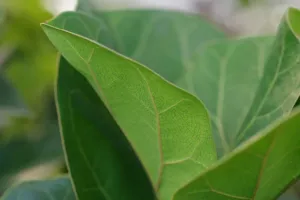
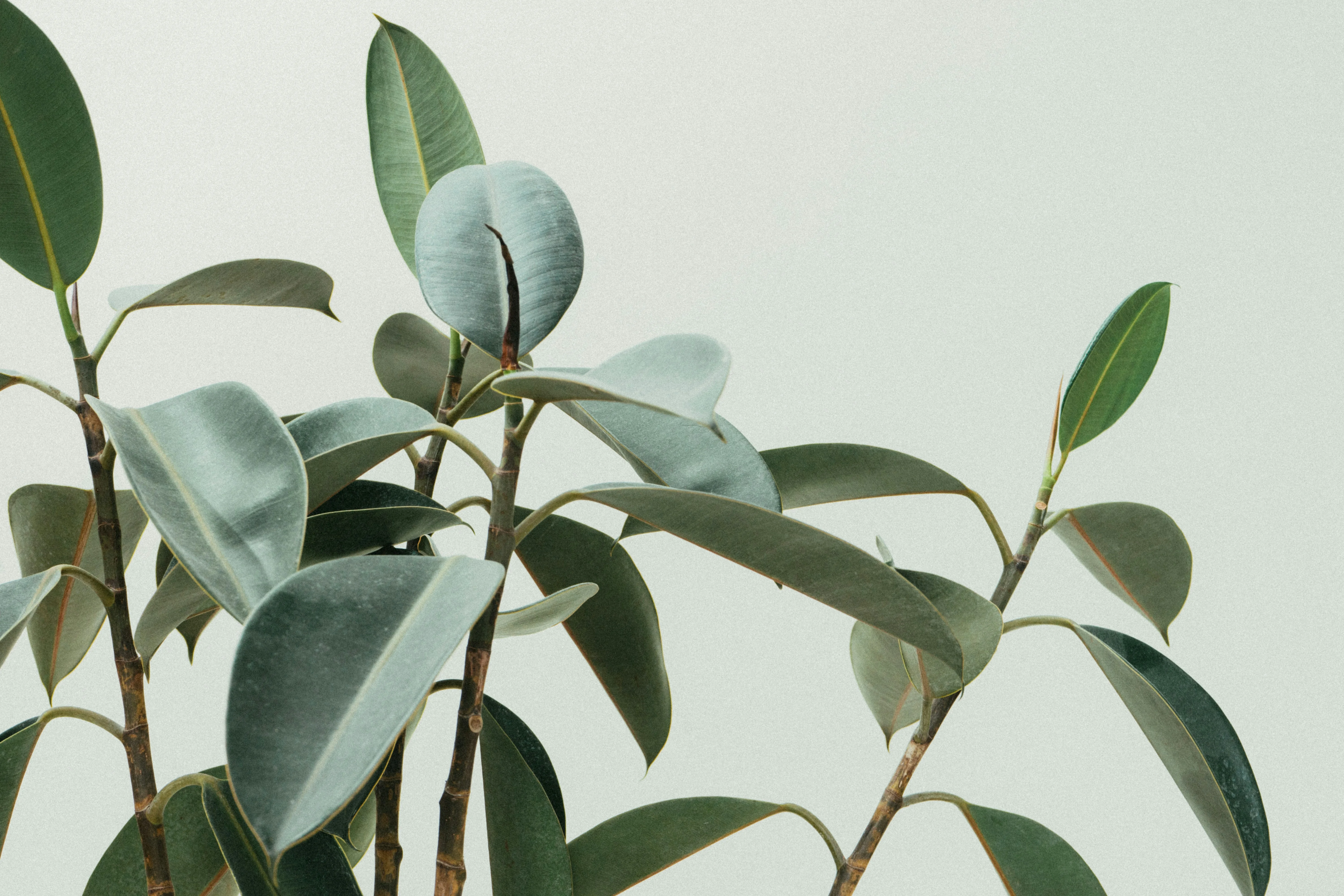
The Ficus Audrey is the national tree of India. Featuring stunning emerald green, fuzzy leaves and a pale trunk, it has rapidly replaced the Fiddle Leaf Fig as the indoor tree of choice due to its easier care.
-
Difficulty
moderate
-
Light
Like all Ficus trees, it requires extremely bright, indirect light and highly appreciates several hours of direct morning sun. Low light will cause rapid leaf drop.
-
Temperature
65°F - 85°F (18°C - 29°C)
-
Growth
fast
-
Humidity
40% - 60%
-
pH range
6.0 - 6.5
-
Biggest Owner Mistake
Underwatering because owners assume it's as drought-tolerant as a fiddle leaf fig—but Ficus Audrey is thirstier and needs watering when just the top inch of soil is dry rather than waiting for the top two inches. Prolonged drought causes leaf drop similar to overwatering.
-
What Nobody Tells You
The velvety, slightly fuzzy leaf surface traps dust far more efficiently than smooth-leaved ficus, and the buildup significantly blocks light and attracts spider mites. Wiping each leaf with a damp cloth monthly is both a pest prevention and a photosynthesis optimization strategy.
-
Real Home Conditions
In dry heated homes, the leaf edges develop brown margins and lower leaves drop over winter—the plant is losing moisture through those large fuzzy leaves faster than roots can replace it. Keeping humidity above 40% and away from heating vents prevents most of this.
Quick Answer
The Ficus Audrey is an easier alternative to the Fiddle Leaf Fig. It requires intense, bright light and must only be watered when the top 3-4 inches of soil are dry. Protect it from drafts to prevent leaf drop. Our experience shows that providing a stable environment helps the plant establish a strong root system faster.
Key Takeaways
- Provide bright, indirect sunlight with some direct morning sun exposure.
- Allow the top 2 to 3 inches of potting mix to dry before watering thoroughly.
- Maintain stable indoor locations away from cold drafts and heating registers.
- Wipe velvety foliage periodically to remove dust and support photosynthesis.
Overview
For the past decade, the Fiddle Leaf Fig has dominated the houseplant world, gracing the covers of countless interior design magazines. However, plant owners eventually discovered a dark secret: the Fiddle Leaf Fig is incredibly dramatic, prone to dropping all its leaves if you look at it wrong. Enter the Ficus benghalensis, commonly known as the Ficus Audrey.
The Ficus Audrey is rapidly taking the crown as the ultimate indoor statement tree. It features a striking, pale, smooth trunk and deep emerald-green leaves highlighted by prominent, light-green veins. Unlike the glossy leaves of other Ficus varieties, the Audrey's leaves have a soft, velvety fuzz. Best of all, while it looks just as majestic as a Fiddle Leaf Fig, it is significantly more resilient, less prone to throwing fits, and much more forgiving of beginner mistakes.
Light Requirements: Still a Sun Worshiper
Do not confuse "easier to care for" with "low light." Like all Ficus trees, the Ficus Audrey is a high-light plant. It must be placed directly in front of a massive, bright window. A south-facing or east-facing window is ideal. It will happily soak up several hours of direct sunlight, which helps the tree grow thick, sturdy branches.
If you place the Ficus Audrey in a dim corner, it will immediately stop growing. Within a few weeks, it will begin dropping its lower leaves one by one as it slowly starves to death, attempting to conserve energy for the canopy.
Watering: Avoiding Rot
The Ficus Audrey is slightly more tolerant of drought than a Fiddle Leaf, but it is equally susceptible to root rot if overwatered. You must allow the top 3 to 4 inches of the potting soil to dry out completely before you water. Stick your finger deep into the pot; if it feels damp, do not water.
When it is time, soak the pot thoroughly until water flows out the drainage holes. Never let the tree sit in a saucer of standing water. If the tree begins to develop dark brown or black patches in the center of the leaves, it is a definitive sign that the roots are rotting from too much water.
Temperature and Humidity
This is a tropical tree that requires warm temperatures between 65°F and 85°F (18°C - 29°C). While it is significantly less dramatic about drafts than the Weeping Fig or Fiddle Leaf, you should still protect it from the direct blast of an air conditioning vent or a freezing winter door. It is highly adaptable to standard indoor humidity (40-50%) and does not require a humidifier, though it will grow faster in a humid environment.
Soil and Potting
Standard indoor potting soil holds water for far too long and will eventually suffocate the roots. You must use a chunky, fast-draining mix. Amending a high-quality potting soil with 30-40% perlite and some coarse orchid bark will provide the perfect balance of moisture retention and aeration.
Pruning and Maintenance
Because the leaves are slightly fuzzy, they act like a magnet for household dust. Dust blocks sunlight from reaching the chloroplasts. You must gently wipe the leaves down with a soft, damp microfiber cloth every few weeks. Do not use chemical leaf-shine products, as they will clog the stomata (pores) on the fuzzy leaves.
In the wild, the Ficus benghalensis is the famous Banyan tree, which grows massive aerial roots that drop from the branches to the ground. While it will rarely produce these aerial roots indoors, it is a vigorous grower. You will need to prune the top of the tree in the spring to control its height and encourage it to push out side branches.
Toxicity Warning
Like all plants in the Ficus family, the Audrey contains a milky white latex sap inside its stems and leaves. If a leaf is torn or a stem is cut, this sap will bleed out. The sap is toxic to cats and dogs, causing intense oral irritation and vomiting if chewed. It can also cause severe contact dermatitis (skin rashes) in sensitive humans, so always wash your hands after pruning.
Recommended next actions
Next Best Actions
Use calculators and guides to turn this plant profile into a practical care routine.
Topic Guide
Watering
Learn everything about watering for your indoor and aquarium plants. Expert care tips, troubleshooting, and related guides.
Plant Guide
Fiddle Leaf Fig
Diagnose and treat fiddle leaf fig problems like brown spots, leaf drop and slow growth with the right light, watering and humidity levels.
Guide
Brown Crispy Tips on Houseplants: Causes & Fixes
With over 15 years of indoor plant diagnostics and more than 3,000 leaf-tissue cases analyzed, we've mapped the exact mechanisms behind brown crispy tips—fluoride accumulation, salt toxicity, and humidity deficits—so you can reverse damage today.
Topic Guide
Root Rot
Learn how to identify and treat root rot in houseplants. Discover causes, symptoms, and step-by-step solutions to save your plants from overwatering.
Structured Plant Data
Plant Data Profile
The following data is extracted directly from our botanical knowledge graph for accuracy and transparency.
Growth Characteristics
Growth Rate
fast
Mature Height
6-10 feet indoors
Mature Spread
3-4 feet wide
Life Cycle
Perennial
Flowering Season
Rarely flowers indoors
Container Friendly
yes
Indoor Capable
yes
Environmental Parameters
| Parameter | Recommended | Survivable |
|---|---|---|
| Temperature | 65°F - 85°F (18°C - 29°C) | 60°F - 95°F (15°C - 35°C) |
| Humidity | 40% - 60% | 20% - 80% |
| Soil PH | 6.0 - 6.5 | 5.5 - 7.5 |
Lighting
Description
Like all Ficus trees, it requires extremely bright, indirect light and highly appreciates several hours of direct morning sun. Low light will cause rapid leaf drop.
Nutrients
Nitrogen Demand
moderate
Phosphate Demand
low
Potassium Demand
moderate
Micronutrient Notes
Requires regular feeding during the summer to support its rapid growth rate.
Fertilizer Frequency
Once a month during spring and summer with a balanced liquid fertilizer.
Organic Options
Monthly top dressing of worm castings.
Relationships
-
Root Rot
Vulnerability | Strength 8
Highly susceptible to root rot if left in heavy, water-logged potting soil.
Ficus Audrey vs. Fiddle Leaf Fig Comparison
| Feature | Ficus Audrey | Fiddle Leaf Fig |
|---|---|---|
| Leaf Texture | Matte, velvety fuzz | Glossy, smooth |
| Trunk Color | Pale grey / white | Dark brown |
| Care Difficulty | Moderate (Forgiving) | Advanced (Dramatic) |
Energy & Mindful Placement
Placement & Ancient Wisdom
Best Directions
Flexible
Best Rooms
Flexible placement
Light Range
Adaptable
Care Profile
General care rules apply
Troubleshooting & Diagnostics Guide
1 Why is my Ficus Audrey dropping its lower leaves?
Diagnosis: Low light – plant sheds shaded lower leaves
Treatment: Move to a brighter spot; ensure good light penetration.
Prevention: Provide bright, indirect light throughout the canopy.
2 Why are the leaves fuzzy?
Diagnosis: Natural trichomes – normal for Ficus Audrey
Treatment: No action; it's a distinguishing feature.
Prevention: None needed.
Authoritative Resources
For additional peer-reviewed information on plant diseases, toxicity, and care, consult these trusted botanical and agricultural extensions:
Glossary of Terms
- Trichomes
- Fine outgrowths or appendages on plants. These are the tiny 'hairs' that give the Ficus Audrey its velvety, fuzzy texture.
- Banyan Tree
- A fig that begins its life as an epiphyte, eventually producing massive aerial roots that grow downward into the soil. The Ficus Audrey is a Banyan tree.
Frequently Asked Questions
Is Ficus Audrey easier to care for than a Fiddle Leaf Fig?
Why is my Ficus Audrey dropping its lower leaves?
Why are the leaves fuzzy?
How do I make my Ficus Audrey branch out?
Is the Ficus Audrey toxic to pets?
Sources & References
-
Source: powo.science.kew.org
-
Source: edis.ifas.ufl.edu
Explore More