Kentia Palm Care Guide
Learn how to grow Kentia Palm indoors with practical guidance on light, watering, humidity, repotting, brown tips and common pests.
-
Difficulty
Medium
-
Light
Bright indirect
-
Temperature
18-25°C (64-77°F)
-
Growth
Moderate
-
Expert Insight
Master-grower data coming soon.
-
Common Mistake
Real-world care data coming soon.
-
Environment
Real-world conditions coming soon.
Quick Answer
Kentia Palm (Howea forsteriana) grows well in bright indirect light and also tolerates moderate to lower indoor light better than many other palms. Water when the upper 1–2 inches of soil have dried, then water thoroughly while allowing excess water to drain. Avoid both prolonged dryness and constantly wet soil. Its naturally slow growth and tolerance of typical indoor conditions make it a relatively low-maintenance palm for homes and offices.
Key Takeaways
- Water when the upper 1–2 inches of soil feel dry, then water thoroughly and let excess drain.
- Provide bright indirect light for stronger growth, while recognizing that Kentia Palms can tolerate moderate and relatively low indoor light better than many other palms.
- Brown frond tips can stem from dry air, inconsistent watering, or mineral buildup, not just humidity.
- Maintain good airflow and humidity; misting alone won't reliably control spider mites.
- Repot only when the plant has outgrown its pot, since Kentia Palms resent root disturbance.
Overview
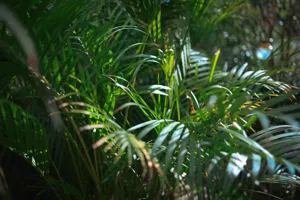
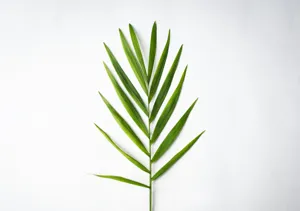
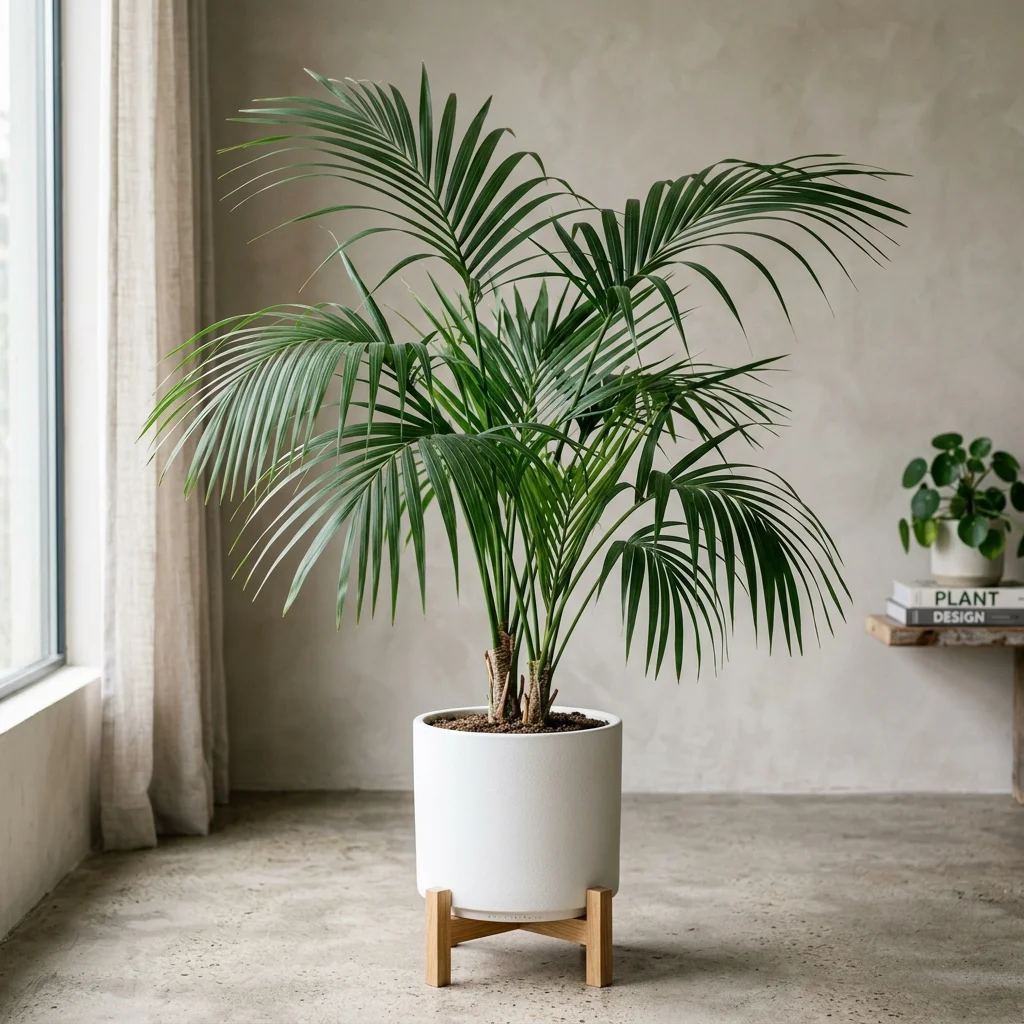
Kentia Palm (Howea forsteriana) is a slow-growing palm native to Lord Howe Island, valued as an indoor plant for its graceful arching fronds, tolerance of moderate indoor light, and relatively forgiving nature. It develops slowly compared with many tropical houseplants and can maintain attractive foliage in conditions where faster-growing palms may struggle. Its long-term health depends on balanced watering, good drainage, adequate light, and protection from prolonged cold or severe environmental stress.
Watering
Allow the upper 1–2 inches of the growing medium to dry before watering again. When watering, soak the soil thoroughly until excess water drains from the container, then empty standing water from the saucer. Avoid keeping the root zone continuously wet, as prolonged saturation can contribute to root problems. Watering frequency should be adjusted according to light levels, temperature, container size, season, and how quickly the growing medium dries rather than following a fixed calendar schedule.
Light
Provide bright indirect light for the strongest growth and healthy green fronds, although Kentia Palm is notably tolerant of moderate and relatively low indoor light. Avoid prolonged exposure to intense direct afternoon sunlight, particularly after moving the plant from a lower-light environment, because the foliage can scorch. If growth becomes extremely slow or new fronds become weak and pale, gradually move the plant toward a brighter location.
Soil
Use a well-draining growing medium that retains some moisture while allowing excess water and air to move freely around the roots. A quality indoor potting mix amended with materials such as perlite, pumice, coarse bark, or similar drainage components can provide a suitable balance. Use a container with adequate drainage holes and avoid leaving the pot standing in collected water. Kentia Palm generally prefers stable root conditions and should not be repotted unnecessarily.
Temperature
Kentia Palm prefers stable indoor temperatures and generally grows well around 18–27°C (65–81°F). It tolerates cooler conditions better than many tropical palms, but prolonged exposure to temperatures around or below 10°C (50°F) can cause stress or foliage damage. Protect the plant from cold drafts, sudden temperature changes, and direct contact with cold windows during winter.
Humidity
Kentia Palm adapts gracefully to typical indoor humidity levels, though it performs best in moderate humidity away from forced-air vents. Maintaining gentle humidity around the fronds prevents dry brown tips and helps deter common indoor pests like spider mites.
Fertilizer
Feed Kentia Palm during active growth with a balanced indoor palm or houseplant fertilizer according to the product instructions. Avoid excessive feeding because fertilizer salts can accumulate in the growing medium and contribute to brown leaf tips or root stress. Reduce or pause fertilization when growth slows substantially during cooler or lower-light periods. Flush the growing medium occasionally with clean water if mineral or fertilizer salts are suspected to have accumulated.
Propagation
Kentia Palm is normally propagated from seed rather than by stem or leaf cuttings. Seed propagation requires suitable fresh seed, warm conditions, consistent moisture, and patience because germination and early growth can be slow. Established indoor Kentia Palms should not be divided like clumping palms because individual stems do not readily produce independent plants through routine division.
Toxicity
Kentia Palm is generally regarded as non-toxic to cats and dogs and is considered a comparatively pet-friendly indoor palm. Normal precautions still apply because chewing substantial quantities of plant material can cause gastrointestinal upset in some animals. Keep the plant away from pets that habitually chew foliage to prevent unnecessary damage or digestive discomfort.
Troubleshooting & Diagnostics Guide
1 Why are the tips of my Kentia Palm turning brown?
Diagnosis: Brown tips can result from dry indoor air, inconsistent watering, mineral or fertilizer salt buildup, excessive dryness, or other environmental stress.
Treatment: Check soil moisture, watering consistency, humidity, fertilizer use, and water quality. Correct the underlying stress and trim severely damaged tips if desired.
Prevention: Maintain consistent moisture without waterlogging, avoid excessive fertilizer, provide reasonable humidity, and protect the plant from harsh drafts or sudden environmental changes.
2 Why are the leaves turning yellow?
Diagnosis: Overwatering, poor drainage, underwatering, nutrient imbalance, natural aging, or other environmental stress can cause yellowing fronds.
Treatment: Check the soil moisture and drainage first. If the soil remains wet, reduce watering and investigate the root zone. If the plant is consistently too dry, adjust watering gradually. Consider nutrition only after basic moisture and light conditions are appropriate.
Prevention: Water according to soil moisture rather than a fixed calendar, use a well-draining growing medium, and provide suitable indirect light.
3 Why is my Kentia Palm not growing?
Diagnosis: Slow growth is normal for Kentia Palm, but very limited growth can also result from insufficient light, unsuitable temperatures, root problems, poor nutrition, or other environmental stress.
Treatment: Evaluate light, temperature, watering, drainage, root condition, and nutrition. Move the plant gradually toward brighter indirect light if it is growing in very low light, while avoiding harsh direct sunlight.
Prevention: Provide stable indoor conditions, suitable indirect light, appropriate watering, good drainage, and adequate nutrition during active growth.
Authoritative Resources
For additional peer-reviewed information on plant diseases, toxicity, and care, consult these trusted botanical and agricultural extensions:
Frequently Asked Questions
How often should I water a Kentia Palm?
Can Kentia Palm grow in low light?
How fast does Kentia Palm grow?
Why are my Kentia Palm leaves turning brown?
Does Kentia Palm need high humidity?
How often should I repot a Kentia Palm?
Does Kentia Palm need direct sunlight?
Should I cut off brown Kentia Palm leaves?
Can Kentia Palm be propagated from cuttings?
Can Kentia Palm grow outdoors?
Is Kentia Palm safe for cats and dogs?
Explore More