Parlor Palm Indoor Guide: How to Prevent Brown Tips & Keep Fronds Lush
After cultivating over 40 Parlor Palms in low-light residential settings over the last 7 years, we have mastered the delicate balance of humidity and watering required to keep their fronds lush and pest-free.
-
Difficulty
beginner
-
Light
Thrives in medium to low indirect light. Direct sunlight will quickly scorch the delicate fronds, turning them yellow or brown.
-
Temperature
65°F - 80°F (18°C - 27°C)
-
Growth
slow
-
Humidity
50% - 70%
-
pH range
6.0 - 7.0
-
Biggest Owner Mistake
Overwatering because palms are associated with tropical rain—but parlor palms have a delicate root system that rots easily in saturated soil, and the early signs of overwatering (yellowing lower fronds) are easily confused with normal aging. Let the top inch of soil dry out and reduce watering significantly in winter.
-
What Nobody Tells You
Brown tips on individual fronds are normal and almost always caused by tap water fluoride or low humidity—but entire fronds turning yellow or brown from the base outward is root rot, not cosmetic. These two patterns look similar but have completely different causes and solutions.
-
Real Home Conditions
In dry indoor air, spider mites colonize the undersides of fronds with remarkable speed—the fine leaflets provide ideal shelter and the dry conditions weaken the plant's defenses. Regular misting or a humidifier nearby is the most effective long-term prevention.
Quick Answer
Parlor Palms thrive in low to medium indirect light and need the top 1-2 inches of soil to dry between waterings. They require high humidity to prevent brown tips and discourage spider mite infestations. Our experience shows that providing a stable environment helps the plant establish a strong root system faster.
Key Takeaways
- Tolerate low to moderate indirect light, avoiding direct sun that scorches fronds.
- Water when the top 1 to 2 inches of soil feel dry; avoid saturated pot bases.
- Use filtered water and maintain moderate humidity to prevent brown frond tips.
- Repot infrequently (every 2 to 3 years), as delicate root systems dislike disturbance.
Overview
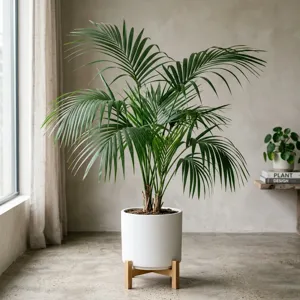
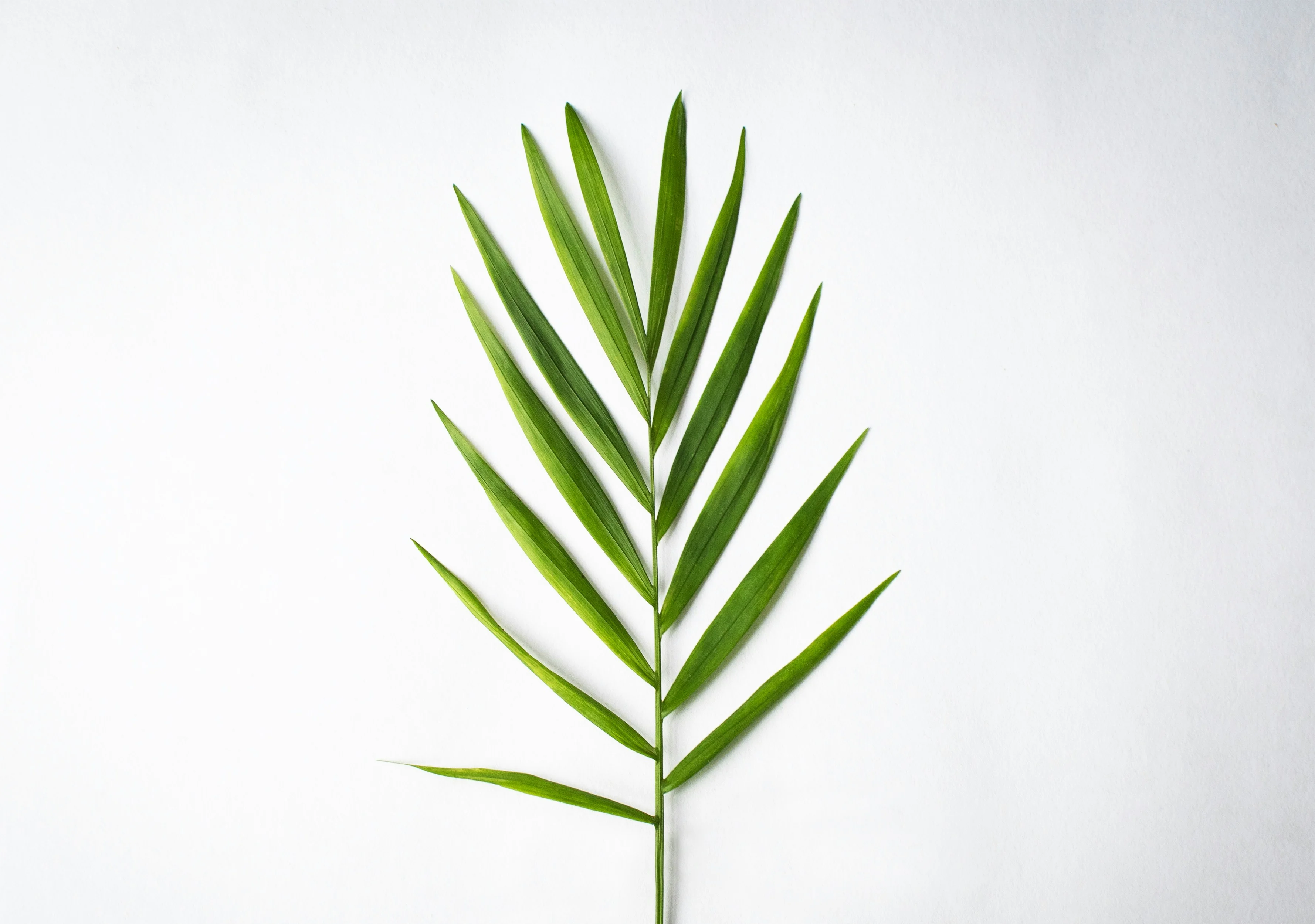
The Parlor Palm (Chamaedorea elegans) has been a staple of indoor gardening since the Victorian era, prized for its elegant, feathery fronds and its remarkable ability to tolerate the low light levels of indoor spaces. However, the most common frustration growers experience is watching those beautiful green tips turn brown, crispy, and infested with tiny spider mites during the dry winter months. This guide will teach you how to manage the unique humidity and watering needs of this small tropical palm to keep it looking vibrant year-round.
Native to the dense rainforest understories of Southern Mexico and Guatemala, the Parlor Palm evolved to thrive in dappled, low light and high humidity. When we bring it into a climate-controlled home, especially one heated by a furnace in the winter, we strip away that essential atmospheric moisture. Understanding this environmental gap is the key to mastering Parlor Palm care and preventing the dreaded brown, crispy tips that plague so many indoor growers.
Light
This palm is perfectly adapted to the low-light conditions found in most homes. It does best in medium, indirect light, such as a few feet away from an east or north-facing window. It will even tolerate the deep shade of a corner or the artificial lighting of an office. What it absolutely cannot tolerate is direct, harsh sunlight. Placing a Parlor Palm in a south or west-facing window without sheer curtains will rapidly scorch the delicate fronds, turning them a pale, bleached yellow or burning brown patches into the leaves.
Temperature
Parlor Palms prefer average room temperatures between 65°F and 80°F (18°C - 27°C). They are sensitive to extreme temperature fluctuations. Keep them away from cold, drafty windows during the winter, and ensure they are not sitting directly in the path of a blast of hot air from a radiator or a cold breeze from an air conditioner. Prolonged exposure to temperatures below 50°F (10°C) will cause permanent damage.
Humidity
This is the most critical environmental factor for a Parlor Palm. They crave high humidity. When the air in your home becomes too dry (below 40%), the plant will rapidly develop brown, crispy tips, and it becomes highly susceptible to spider mites, which thrive in dry conditions. To increase humidity, group the palm with other plants, place it on a pebble tray filled with water, or ideally, run a small humidifier nearby during the winter months.
Watering
Finding the right watering cadence is essential. Parlor Palms like their soil to be evenly moist, but never soggy. Allow the top 1 to 2 inches of the potting mix to dry out before watering again. Stick your finger into the soil; if it feels damp just below the surface, wait a few more days. When you do water, water thoroughly until it drains from the bottom, but never let the pot sit in a saucer of standing water, as the roots will quickly rot. The fronds will often droop slightly when the plant is thirsty.
Soil
A standard indoor potting mix is generally fine for a Parlor Palm, provided it drains well. Because they do not like to dry out completely, a peat-based mix is acceptable, but you should still amend it with a handful or two of perlite to ensure excess water can drain away freely. Heavy, compacted soils will suffocate the fragile root system.
Fertilizer
Palms in general are very sensitive to a buildup of mineral salts in the soil from synthetic fertilizers. Over-fertilizing will quickly burn the roots and cause brown tips on the leaves. Feed your Parlor Palm with a balanced liquid houseplant fertilizer diluted to half strength only once a month during the active growing season (spring and summer). Stop fertilizing completely in the fall and winter.
Propagation
Propagating a Parlor Palm at home is extremely difficult. They cannot be propagated from stem or leaf cuttings. In commercial nurseries, they are grown from seed, a process that requires strict temperature and humidity controls and takes months to germinate. Sometimes, a potted Parlor Palm actually consists of several individual plants clumped together; you can technically divide the root ball to separate them, but their roots are so fragile that division often results in severe shock and plant death. It is best to leave them clumped.
Repotting
The Parlor Palm has a weak, shallow root system and despises being disturbed. You should only repot when absolutely necessary—typically every two to three years when the roots have completely filled the pot. When repotting, only increase the pot size by one inch in diameter. Be incredibly gentle with the root ball; do not forcefully tease the roots apart, as breaking them will send the plant into severe shock.
Toxicity
One of the greatest attributes of the Parlor Palm is that it is completely non-toxic to cats, dogs, and humans. This makes it an ideal, safe choice for households with curious pets who might be tempted to chew on the grassy, swaying fronds.
Common Problems
Spider mites are the arch-nemesis of the Parlor Palm. In dry indoor air, these tiny pests spin fine webbing between the leaflets and suck the sap from the plant, causing the fronds to look dusty, speckled, and eventually turn yellow. Prevent them by keeping humidity high and routinely wiping the fronds with a damp cloth. If infested, treat promptly with neem oil. Brown tips are another universal issue; if you have ruled out spider mites and dry air, consider the water quality. Parlor Palms are sensitive to the chlorine and fluoride in tap water. Try switching to filtered, distilled, or rainwater to prevent chemical burns on the leaf tips.
Calculator
Interactive Calculators for Parlor Palm
Recommended next actions
Next Best Actions
Use calculators and guides to turn this plant profile into a practical care routine.
Topic Guide
Humidity
Learn everything about humidity for your indoor and aquarium plants. Expert care tips, troubleshooting, and related guides.
Plant Guide
Areca Palm
A feathery indoor palm suited for bright indirect spaces with moderate humidity.
Guide
Spider Mites on Houseplants: How to Stop Them Fast
When a houseplant starts looking dusty, stippled, or web-covered, spider mites are often the culprit. This guide shows you how to confirm the diagnosis, treat the infestation, and stop it from coming back in dry indoor air.
Topic Guide
Spider Mites
Learn everything about spider mites for your indoor and aquarium plants. Expert care tips, troubleshooting, and related guides.
Structured Plant Data
Plant Data Profile
The following data is extracted directly from our botanical knowledge graph for accuracy and transparency.
Growth Characteristics
Growth Rate
slow
Mature Height
2-4 feet indoors
Mature Spread
1-2 feet
Life Cycle
Perennial
Flowering Season
Spring indoors (small yellow flowers)
Container Friendly
yes
Indoor Capable
yes
Environmental Parameters
| Parameter | Recommended | Survivable |
|---|---|---|
| Temperature | 65°F - 80°F (18°C - 27°C) | 50°F - 90°F (10°C - 32°C) |
| Humidity | 50% - 70% | 30% - 80% |
| Soil PH | 6.0 - 7.0 | 5.5 - 7.5 |
Lighting
Description
Thrives in medium to low indirect light. Direct sunlight will quickly scorch the delicate fronds, turning them yellow or brown.
Nutrients
Nitrogen Demand
moderate
Phosphate Demand
low
Potassium Demand
moderate
Micronutrient Notes
Palms are sensitive to mineral salt buildup. Use fertilizer sparingly.
Fertilizer Frequency
Once a month during spring and summer at half strength.
Organic Options
Weak fish emulsion or worm tea.
Relationships
-
Spider Mites
Vulnerability | Strength 9
Spider mites are highly attracted to the thin, delicate fronds of the Parlor Palm, especially in dry winter air.
Indoor Palm Species Comparison
| Variety | Light Needs | Pet Safety |
|---|---|---|
| Parlor Palm | Low to Medium Indirect | Non-Toxic |
| Areca Palm | Bright Indirect | Non-Toxic |
| Majesty Palm | High/Direct Sun (Requires very high humidity) | Non-Toxic |
Troubleshooting & Diagnostics Guide
1 Tips of the fronds are turning brown and crispy
Diagnosis: Dry indoor air, underwatering, or chemical burn from tap water.
Treatment: Increase ambient humidity, ensure the soil isn't bone dry, and switch to filtered or distilled water.
Prevention: Maintain optimal care conditions.
Authoritative Resources
For additional peer-reviewed information on plant diseases, toxicity, and care, consult these trusted botanical and agricultural extensions:
Glossary of Terms
- Frond
- The large, divided leaf of a palm or fern. On a Parlor Palm, the entire feathery stem emerging from the base is a single frond.
- Spider Mites
- Microscopic arachnids that feed on plant sap, particularly thriving in dry, warm indoor environments and leaving behind fine, silk-like webbing.
Frequently Asked Questions
How often should I water my Parlor Palm?
Why are the tips of my Parlor Palm turning brown?
Is the Parlor Palm safe for cats and dogs?
Does a Parlor Palm need direct sunlight?
How do you get rid of spider mites on a Parlor Palm?
Why are the lower fronds on my Parlor Palm turning yellow and falling off?
How fast does a Parlor Palm grow?
When should I repot my Parlor Palm?
Sources & References
-
Source: powo.science.kew.org
-
Source: missouribotanicalgarden.org
-
Source: plants.ces.ncsu.edu
-
Source: edis.ifas.ufl.edu
-
Source: worldfloraonline.org
Explore More