Hindu Rope Plant Care: Preventing Mealybugs in the Curls
The Hindu Rope Plant features bizarre, thick leaves that twist and curl tightly along trailing vines. While highly unique and pet-safe, those tight curls are a magnet for hidden mealybug infestations.
-
Difficulty
moderate
-
Light
Requires high levels of bright, indirect light to grow and eventually bloom. Can handle a few hours of direct morning sun. Low light will completely stall growth.
-
Temperature
65°F - 85°F (18°C - 29°C)
-
Growth
extremely slow
-
Humidity
40% - 60%
-
pH range
6.0 - 7.0
-
Biggest Owner Mistake
Overwatering because the dense, twisted vines look impressive and owners want to keep them thriving—but the curled leaves trap moisture and the stems rot at the base before any surface signs appear. Let the soil dry out completely between waterings, especially in winter.
-
What Nobody Tells You
It's one of the slowest-growing houseplants available, producing only 2–4 new leaves per year indoors in ideal conditions—what looks like stagnation is normal. Repotting because it seems stuck actually stresses the plant and delays growth further.
-
Real Home Conditions
In low light, the tightly curled rope-like coils begin to straighten and stems stretch with wider spacing between leaves, losing the compact form that makes this plant distinctive. Bright indirect light is what maintains the characteristic tight twists.
Quick Answer
The Hindu Rope Plant needs bright light and a very chunky soil mix. Water only when the soil is completely dry and the leaves feel slightly soft. Inspect the tight leaf curls frequently for white, fuzzy mealybugs. We recommend observing the plant closely over a few weeks to ensure it adjusts well to its environment.
Key Takeaways
- Provide bright, indirect sunlight to support tightly curled foliage and blooms.
- Allow the chunky, well-aerated epiphytic substrate to dry out between waterings.
- Inspect tightly curled leaf crevices regularly for mealybug infestations.
- Preserve old flower peduncles, as the plant reblooms repeatedly from the same spur.
Overview
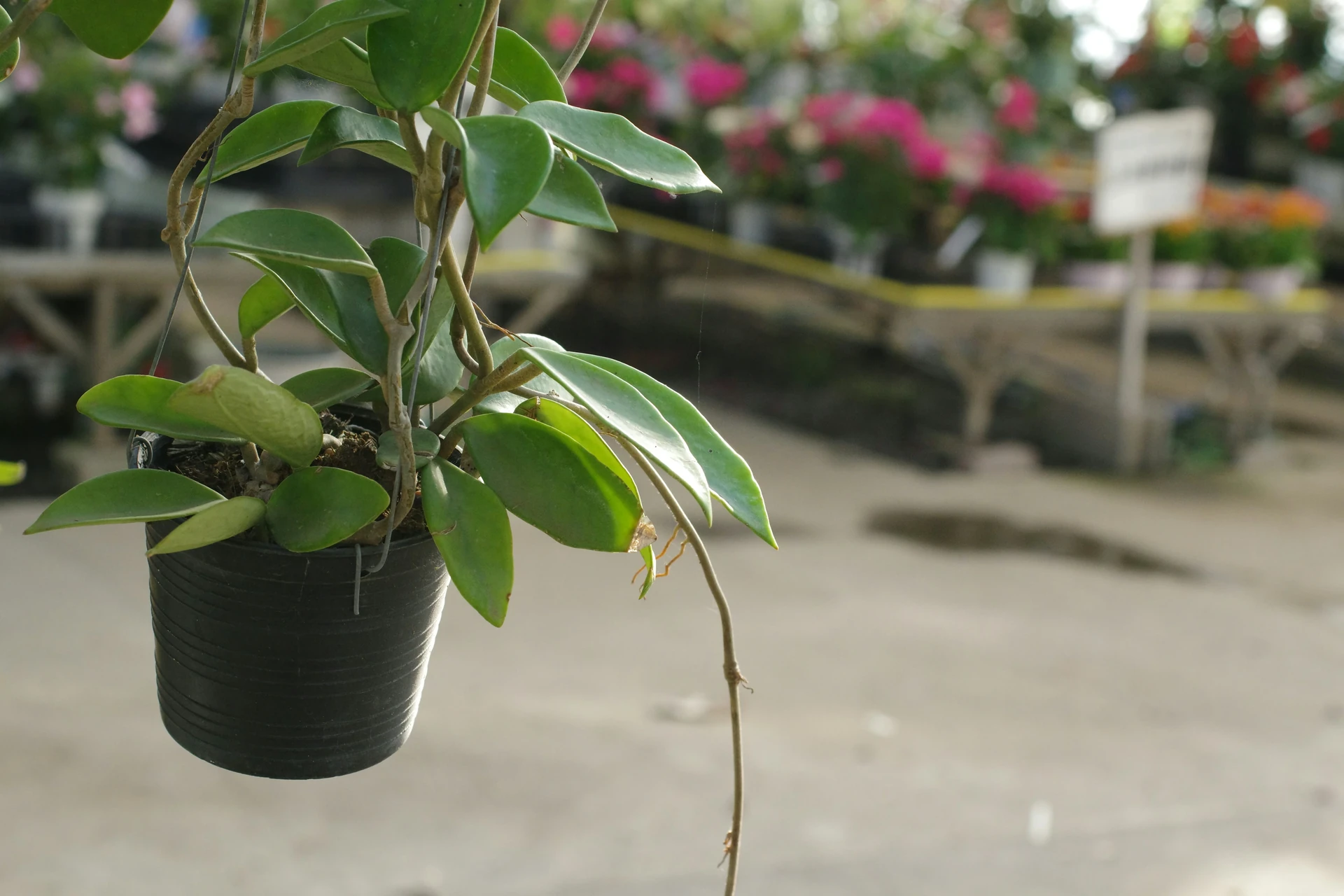
The Hindu Rope Plant (Hoya carnosa 'Compacta') is one of the most unique and recognizable houseplants available. A mutation of the standard Wax Plant, this cultivar features incredibly thick, waxy leaves that are tightly twisted, contorted, and curled back on themselves, creating dense, heavy "ropes" that cascade beautifully from a hanging basket.
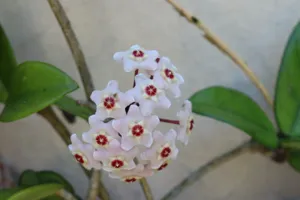
As an epiphyte, it is essentially a succulent that grows on trees. It is highly drought-tolerant, non-toxic to pets, and capable of producing breathtaking clusters of star-shaped, chocolate-scented flowers. However, its greatest feature—the tightly curled leaves—is also its biggest vulnerability. Those deep, hidden crevices are the absolute perfect hiding spot for dust and, far worse, mealybugs. Growing a Hindu Rope successfully requires a strict watering routine and vigilant pest inspections.
The Mealybug Nightmare
If there is one plant in the world that mealybugs love above all others, it is the Hindu Rope. Mealybugs look like tiny, fuzzy white pieces of cotton. They hide deep inside the folded curls of the leaves, where predators and pesticide sprays cannot easily reach them. They slowly suck the sap out of the plant, causing the leaves to yellow and die.
You must inspect this plant regularly. If you see white fuzz, you must act immediately. Spraying the outside of the plant is rarely enough. You will need to take a Q-tip dipped in rubbing alcohol and manually swab inside the curled crevices to kill the hidden bugs. For severe infestations, a systemic insecticide applied to the soil is often the only way to eradicate them entirely.
Light Requirements: Fueling the Flowers
The Hindu Rope is an agonizingly slow grower. To get it to grow—and more importantly, to get it to bloom—it requires very bright, indirect light. A south or east-facing window is ideal. It can handle a few hours of direct morning sun, which will often cause the leaves to take on a beautiful reddish "sun-stress" tint. If placed in a dark room, it will simply stop growing completely and will never produce flowers.
Watering: Treat It Like a Succulent
Hoyas are highly susceptible to root rot. They have very small, delicate root systems. You must allow the soil to dry out 100% completely between waterings.
Do not water on a schedule. Instead, gently squeeze a leaf. If the leaf is rock-hard and rigid, the plant has plenty of water. If the leaf feels slightly soft, pliable, or wrinkled, it is time to water. When watering, soak the pot thoroughly until water flows out the drainage holes, then let it dry out completely again. In the winter, you may only water this plant once every 4 to 6 weeks.
Soil and Potting: The Epiphyte Mix
Never plant a Hindu Rope in standard potting soil; it will suffocate the roots. Because they grow on tree bark in the wild, they need massive amounts of oxygen at the root zone. You must create an epiphytic mix: combine 1/3 potting soil, 1/3 coarse perlite, and 1/3 orchid bark.
Furthermore, Hoyas love to be root-bound. Do not repot this plant until the roots are literally pushing the plant out of the pot. Keeping them tightly pot-bound is one of the triggers that forces the plant to bloom.
The "Bare Vines" and Blooming
A common mistake new owners make is cutting off the long, bare vines (tendrils) that the plant frequently shoots out, assuming they are dead or leggy. Do not cut them! Hoyas produce bare tendrils first to "explore" and find support, and will slowly fill them in with leaves later. More importantly, these vines are where the plant develops peduncles (flower spurs). Once a Hoya blooms from a peduncle, it will re-bloom from that exact same spot year after year. If you cut the vines, you are cutting off future flowers.
Recommended next actions
Next Best Actions
Use calculators and guides to turn this plant profile into a practical care routine.
Topic Guide
Watering
Learn everything about watering for your indoor and aquarium plants. Expert care tips, troubleshooting, and related guides.
Plant Guide
Hoya Kerrii
The Sweetheart Hoya is famous for its thick, heart-shaped leaves. However, millions of people buy the single-leaf cuttings without realizing they are 'zombie plants' that will never grow into a vine.
Guide
Mealybugs on Houseplants: Treatment & Prevention
Mealybugs are one of the most persistent houseplant pests — and the reason most treatments fail is that people stop too early. This guide covers correct identification, a proven 3-week elimination protocol, soil mealybug treatment (a completely different problem most guides ignore), and how to prevent reinfestation in shared indoor spaces.
Topic Guide
Mealybugs
Learn everything about mealybugs for your indoor and aquarium plants. Expert care tips, troubleshooting, and related guides.
Structured Plant Data
Plant Data Profile
The following data is extracted directly from our botanical knowledge graph for accuracy and transparency.
Growth Characteristics
Growth Rate
extremely slow
Mature Height
Trailing vines up to 6 feet long
Mature Spread
1 foot wide
Life Cycle
Perennial
Flowering Season
Summer (produces spherical clusters of pink, star-shaped, chocolate-scented flowers)
Container Friendly
yes
Indoor Capable
yes
Environmental Parameters
| Parameter | Recommended | Survivable |
|---|---|---|
| Temperature | 65°F - 85°F (18°C - 29°C) | 50°F - 95°F (10°C - 35°C) |
| Humidity | 40% - 60% | 20% - 80% |
| Soil PH | 6.0 - 7.0 | 5.5 - 7.5 |
Lighting
Description
Requires high levels of bright, indirect light to grow and eventually bloom. Can handle a few hours of direct morning sun. Low light will completely stall growth.
Nutrients
Nitrogen Demand
low
Phosphate Demand
moderate
Potassium Demand
low
Micronutrient Notes
Very slow grower; do not over-fertilize. Requires phosphorus to trigger blooming.
Fertilizer Frequency
Once a month during spring and summer with a diluted orchid or bloom-boosting fertilizer.
Organic Options
Orchid spray fertilizer applied to the foliage.
Relationships
-
Mealybugs
Vulnerability | Strength 10
The tight, curled crevices of the leaves are the ultimate breeding ground for mealybugs. Once established, they are incredibly difficult to remove.
Hoya Variety Comparison
| Variety | Leaf Shape | Growth Speed |
|---|---|---|
| Compacta (Hindu Rope) | Tightly twisted and curled | Very Slow |
| Kerrii (Sweetheart) | Perfectly heart-shaped | Slow |
| Carnosa (Standard) | Flat, almond-shaped | Moderate |
Troubleshooting & Diagnostics Guide
1 Why is my Hindu Rope Plant getting white, fuzzy cotton-like spots?
Diagnosis: Mealybug infestation
Treatment: Isolate; remove visible bugs with alcohol-soaked cotton swab; treat with insecticidal soap or neem oil; repeat weekly.
Prevention: Regularly inspect crevices; quarantine new plants.
2 Why are the leaves on my Hoya Compacta turning yellow and soft?
Diagnosis: Overwatering – root rot
Treatment: Stop watering; allow soil to dry; if rot, unpot and trim roots, repot in dry mix.
Prevention: Use well-draining mix and water only when soil is dry.
3 Why are there long, bare vines with no leaves growing from my plant?
Diagnosis: Normal Hoya growth – tendrils searching for support
Treatment: Do not cut; provide a trellis or pole; leaves and flowers will eventually form.
Prevention: Provide climbing support.
Authoritative Resources
For additional peer-reviewed information on plant diseases, toxicity, and care, consult these trusted botanical and agricultural extensions:
Glossary of Terms
- Mealybug
- A common, sap-sucking houseplant pest that looks like tiny specks of fuzzy white cotton. They love to hide in tight crevices.
- Peduncle
- A small, spur-like stalk from which Hoya flowers bloom. A Hoya will re-bloom from the exact same peduncle every year, so they should never be cut off.
Frequently Asked Questions
Why is my Hindu Rope Plant getting white, fuzzy cotton-like spots?
Why are the leaves on my Hoya Compacta turning yellow and soft?
Why are there long, bare vines with no leaves growing from my plant?
How do I get my Hindu Rope Plant to bloom?
Is the Hindu Rope Plant toxic to pets?
Sources & References
-
Source: powo.science.kew.org
-
Source: ipm.ucanr.edu
Explore More