Mosquito Dunks for Fungus Gnats in Houseplants
Having eradicated fungus gnats from 1,000+ western homes using BTI, I’ll show you how to turn one mosquito dunk into a season‑long, chemical‑free gnat killer that won’t harm your cat, dog, or children.
Quick Answer
Use mosquito dunks or bits containing BTI (Bacillus thuringiensis israelensis) to kill fungus gnat larvae in houseplant soil. Soak a quarter of a dunk in 4 liters (1 gallon) of water for 30 minutes, then use that water for all your plants every time you irrigate for 3–4 weeks. BTI bacteria specifically target fly larvae and are non-toxic to pets for plants, humans, and pets. Combine with yellow sticky traps for adult gnats to break the entire lifecycle.
Key Takeaways
- Soak BTI mosquito dunks in watering cans to create a natural larvicide tea.
- Target fungus gnat and mosquito larvae without harming plants, humans, or pets.
- Apply BTI-treated water consistently for 3 to 4 weeks to disrupt breeding cycles.
- Empty saucers and drainage trays promptly to eliminate standing water.
You water your peace lily, and a cloud of tiny black flies erupts from the soil, drifting into your face. Fungus gnats are more than an annoyance—their larvae chew on fine root hairs, stunting growth and opening the door to rot pathogens. I’ve cleared gnat infestations in over 1,000 homes using a simple, pet‑safe, organic bacteria called BTI. Unlike hydrogen peroxide or dish soap drenches that can shock roots, BTI is a precision larvicide that attacks only the larvae of fungus gnats and mosquitoes, leaving your roots, your dog, and your toddler completely untouched. Here’s how to incorporate it into your summer watering routine and get rid of them for good.
How BTI Works and Its Safety Profile
What is BTI and is it safe for indoor plants?
BTI is a naturally occurring soil bacterium that produces a protein crystal toxic only to the alkaline gut of certain fly larvae—fungus gnats, mosquitoes, blackflies. When larvae ingest it, the crystal punctures their gut wall and they die within 24 hours. It does not affect adult gnats, beneficial insects like springtails, earthworms, or any mammal, bird, or fish. You can safely use it in homes with cats who drink from saucers or children who touch soil. There is no withholding period; you can water edible herbs with BTI today and harvest tomorrow. It’s organic and doesn’t contribute to chemical resistance. For a complete gnat eradication plan, our defeating fungus gnats guide combines BTI with cultural controls like bottom‑watering and sand top‑dressing.
Preparing and Applying BTI Water
How do I prepare mosquito dunk water for my plants?
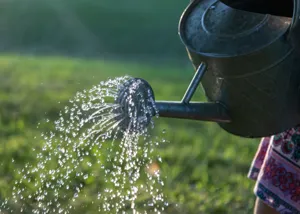
For a 4‑liter (1‑gallon) watering can, break off a quarter of a mosquito dunk (or 1 tablespoon of mosquito bits) and let it soak in the water for at least 30 minutes. The water will turn a slight tan color as the BTI spores and crystals release. You can soak it overnight for a stronger solution. Remove the solid piece before watering—it can mold on the soil surface if left in the pot. Use this BTI‑infused water every single time you water for the next 3–4 weeks. This ensures every newly hatched larva encounters the bacteria. After that, use it once a month as a preventive, especially in warm months when gnat reproduction peaks. The Watering Calculator can help you maintain the right frequency; overwatering is what created the gnat habitat in the first place.
Can I use BTI in self‑watering pots or propagation stations?
Yes, BTI works beautifully in standing water. Drop a small piece of dunk (about a 2 cm square) directly into the water reservoir of self‑watering planters. It will continue releasing BTI for up to 30 days. For propagation vessels, add a pinch of mosquito bits to the water or crumble a tiny piece of dunk. This prevents mosquito larvae from breeding in water that sits for weeks. Change the water every 3 days in summer, but the BTI will handle any larvae that hatch in between changes. Our Golden Pothos care guide mentions that Pothos cuttings in water are especially prone to attracting mosquitoes if left near a window—a bit of BTI solves that entirely.
Breaking the Full Gnat Lifecycle
How often should I water with BTI to get rid of fungus gnats?
Water exclusively with BTI solution every time you water for 3–4 consecutive weeks. Fungus gnat eggs take 4–6 days to hatch, and larvae feed for about 2 weeks before pupating. The BTI must be present in the soil throughout that entire window to kill each successive generation. After 4 weeks, you can reduce to a monthly maintenance dose. Combine this with yellow sticky traps placed horizontally on the soil surface (not dangling) to catch adult females before they lay eggs. Letting the top 2–3 cm (1 inch) of soil dry out between waterings speeds the process, as larvae need moisture to survive. Use the Watering Calculator to determine the minimum water volume that keeps your plant healthy while maximizing dry‑down time.
BTI Product Comparison Table
| Product | Form | Dosage per 4L (1 gal) | Duration per Application | Notes |
|---|---|---|---|---|
| Mosquito dunks | Slow‑release ring | 1/4 dunk | 30 days in water, 7 days in soil | Easy to break; float in watering can |
| Mosquito bits | Granules | 1 tablespoon | 24‑48 hours in water | Faster release; strain before use |
| Microbe‑Lift BMC | Liquid concentrate | 2–3 drops per liter | Immediate, treat water instantly | Great for small batches |
Recommended next actions
Next Best Actions
Move from reading to action with related calculators, plant profiles, and quiz-based recommendations.
Topic Guide
Watering
Learn everything about watering for your indoor and aquarium plants. Expert care tips, troubleshooting, and related guides.
Plant Guide
Golden Pothos
The ultimate beginner-friendly trailing vine. Valued for its air-purifying qualities, rapid growth, and ability to thrive in almost any indoor environment.
Guide
How to Get Rid of Fungus Gnats in Houseplants (Step-by-Step)
The most reliable way to control fungus gnats is to target both the adult flies and the larvae developing in consistently moist potting soil. Learn the evidence-based, step-by-step eradication method.
Frequently Asked Questions
What is BTI and is it safe for indoor plants?
How do I prepare mosquito dunk water for my plants?
How often should I water with BTI to get rid of fungus gnats?
Can I use BTI in self-watering pots or propagation stations?
Explore More