Kalanchoe Plant Care: Types, Calandiva, Flowering & Rebloom Guide
Kalanchoe care is easy once you know three things: bright light, fast-draining soil, and long nights to trigger flowers. This guide covers kalanchoe types (flaming Katy, Calandiva, panda plant), a care chart, how to rebloom, troubleshooting, and pet safety.
Quick Answer
Kalanchoe care means bright light, fast-draining succulent mix, and watering only when the soil is dry. The common flowering kalanchoe (Kalanchoe blossfeldiana, including Calandiva) is a short-day plant that needs about 14 hours of darkness for six weeks or more to rebloom. It is not frost-hardy, so it is grown as a houseplant in most climates, and it is toxic to cats and dogs.
Key Takeaways
- Kalanchoe blossfeldiana, including Calandiva, is the most common flowering kalanchoe and is sold as a houseplant.
- Overwatering is the leading cause of loss, so water only when the soil feels dry and use a fast-draining mix.
- Kalanchoe is a short-day plant: about 14 hours of darkness for six weeks or more is commonly used to trigger buds.
- It is not frost-hardy and is generally grown outdoors year-round only in warm zones.
- Kalanchoe is toxic to dogs and cats, so keep it out of reach.
Quick Facts
- Bloom trigger About 14 hours of darkness for 6+ weeks (short-day plant)
- Top killer Overwatering and poor drainage
- Pet safety Toxic to dogs and cats (bufadienolides)
What Should I Do?
Your kalanchoe finished flowering
Leaves are soft or the stem base is black
You have pets
PlantSolve Recommendation
- Conservative dosage designed for container plants
- Based on manufacturer instructions
- Adjusted using horticultural best practices
- Start low and increase only if vigorous growth is observed
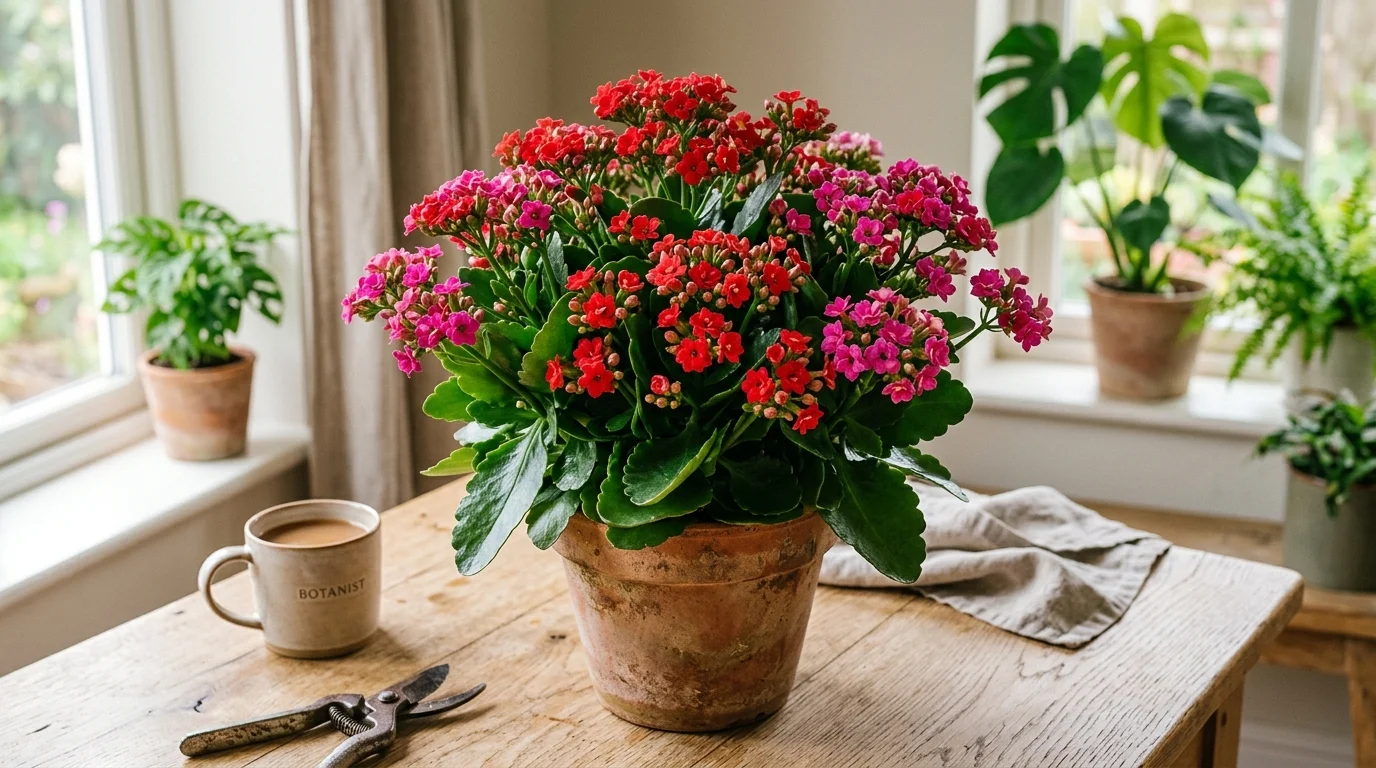
Kalanchoe is a large group of succulents, mostly from Madagascar, and the plant most people mean is the flowering kalanchoe (Kalanchoe blossfeldiana), sold as flaming Katy, florist kalanchoe, or the double-flowered Calandiva. It is easy to grow indoors and tolerates a little neglect, but it is not frost-hardy and it needs long nights to flower again.
This kalanchoe plant care guide covers the main types (including panda plant and mother of thousands), a care chart, how to get a kalanchoe to rebloom, Calandiva care, troubleshooting, and pet safety. Sellers use kalanchoe names loosely, so use the identification table when in doubt.
Kalanchoe Types at a Glance
| Common Name | Botanical Name | What It Looks Like | Grown For |
|---|---|---|---|
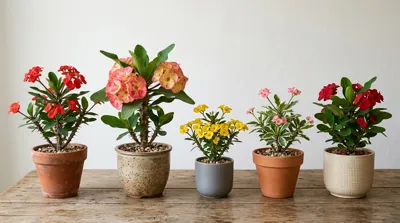
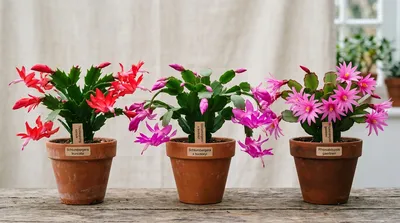
| Flaming Katy / florist kalanchoe | Kalanchoe blossfeldiana | Glossy, scalloped leaves with clusters of small four-petaled flowers in red, pink, orange, yellow, or white | Long-lasting flowers; popular gift plant |
| Calandiva | K. blossfeldiana (double-flowered cultivars) | Same plant habit with double, rose-like blooms | Fuller-looking flowers |
| Panda plant | Kalanchoe tomentosa | Thick, fuzzy silver-green leaves with brown tips | Foliage; flowers are uncommon indoors |
| Flapjack / paddle plant | Kalanchoe luciae (often sold as K. thyrsiflora) | Large, flat, rounded leaves that can blush red in bright light | Foliage |
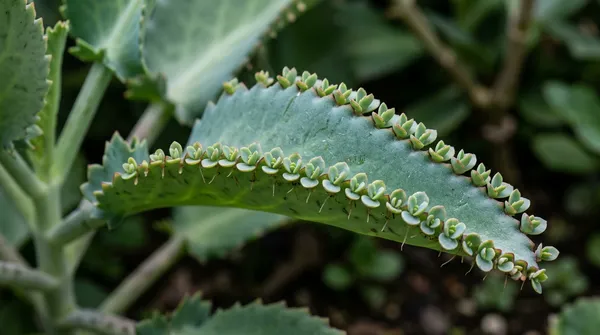
| Mother of thousands | Kalanchoe daigremontiana | Plantlets along the leaf edges | Curiosity plant; see the mother of thousands guide for safety and legal notes |
| Mother of millions | Kalanchoe delagoensis (also Bryophyllum delagoense) | Narrow, tube-shaped leaves with plantlets at the tips | Regulated as a weed in some regions |
Kalanchoe Plant Care Basics
| Factor | What Kalanchoe Wants | Notes and Tools |
|---|---|---|
| Light | Bright light; a few hours of direct sun is usually tolerated, and bright indirect light also works indoors | Too little light causes stretching. Try the sunlight calculator |
| Watering | Water thoroughly when the soil feels dry, then let excess drain away | Overwatering is the most common cause of loss. Use the watering calculator and read about overwatering |
| Soil | Fast-draining cactus or succulent mix | See potting mix calculator and potting mix basics |
| Temperature | Comfortable at about 60 to 85°F (15 to 30°C); growth slows below about 55°F (13°C) and it is not frost-tolerant | Outdoors year-round only in warm climates (roughly USDA zones 10 to 12) |
| Humidity | Low to average | Damp, stagnant air encourages powdery mildew |
| Feeding | Diluted fertilizer during active growth; a bloom-boosting formula with more phosphorus can help | Many growers cut back watering and stop feeding in winter |
| Pruning | Remove spent flower stalks and trim leggy stems | Encourages bushier growth and another flush of blooms |
| Repotting | When roots fill the pot, usually in spring | Use the repotting calculator |
How to Get a Kalanchoe to Bloom Again
Kalanchoe is a short-day plant, which means it sets flower buds only when nights are long. Growers commonly recommend about 14 hours of darkness for six weeks or more, then normal light once buds appear. Exact needs vary by cultivar, so treat these steps as a starting point. In nature this happens as nights lengthen in autumn and winter (reversed in the Southern Hemisphere).
- Rest after blooming: cut back spent flower stalks and give the plant a few weeks of normal light with less frequent watering.
- Start the dark period: give about 14 hours of complete darkness every night for at least six weeks. A closet or a box over the plant works, and even brief light can interrupt it.
- Keep days bright and temperatures moderate: roughly 60 to 75°F (15 to 24°C), away from drafts and heater vents.
- Water sparingly and avoid heavy nitrogen feeding during bud formation.
- Return to normal care when buds show: keep the plant bright and steady. Flowers can last six weeks or more.
Calandiva Kalanchoe Care
Calandiva is a group of double-flowered Kalanchoe blossfeldiana cultivars. The care is the same as for flaming Katy, so use the care chart above. The main difference is the flower form.
| Feature | Flaming Katy | Calandiva |
|---|---|---|
| Flower form | Single, four-petaled flowers | Double, rose-like flowers |
| Care needs | Bright light, dry-down watering, fast-draining mix | Same |
| Bloom trigger | Long nights (short-day plant) | Same |
| Maintenance tip | Remove spent stalks | Deadhead faded blooms to keep the plant tidy |
Kalanchoe Troubleshooting
Symptoms overlap, so check the first item in each row before changing anything else.
| Symptom | Common Causes | What to Check or Do | Read Next |
|---|---|---|---|
| Leggy, stretched growth | Too little light | Move to a brighter spot and trim back | Leggy plant fix |
| No flowers | Not enough uninterrupted darkness, low light, or heavy nitrogen | Run the dark routine above | Bright indirect light |
| Soft, mushy leaves or black stem base | Overwatering, poor drainage, root rot | Unpot, trim rotted roots, repot in dry gritty mix | Root rot rescue |
| White powdery coating | Powdery mildew from humid, still air | Improve airflow and water at soil level | Powdery mildew |
| Wrinkled, thin leaves | Underwatering or damaged roots | Soak then drain; check the roots | Underwatering |
| Red or bleached leaves | Strong sun or heat | Filter the light | Sunburn |
| Leaf drop | Cold, sudden change, or overwatering | Check temperature and moisture | Cold damage |
| Sticky residue or cottony spots | Mealybugs or aphids | Isolate and treat | Mealybugs |
Are Kalanchoe Plants Toxic to Pets?
- The ASPCA lists kalanchoe as toxic to dogs and cats. The toxic principles are bufadienolides, which are cardiac glycosides.
- Reported signs include vomiting and diarrhea, and abnormal heart rhythm is rare. Contact your veterinarian or a pet poison hotline if a pet chews the plant.
- Keep kalanchoe out of reach and check other plants with our pet safety calculator and list of indoor plants safe for cats and dogs.
Propagating Kalanchoe
- Take a stem cutting from a healthy shoot, let the cut end dry for a day, then place it in lightly moist, fast-draining mix. See stem cuttings.
- Some types root from single leaves. See leaf propagation and our houseplant propagation guide.
- Plantlet-forming types such as mother of thousands need extra care, since they spread easily. Read the mother of thousands guide before sharing or disposing of them.
Kalanchoe Growing Guide by Season
| Season | Care Focus | Tips |
|---|---|---|
| Spring | Repot if rootbound, resume regular watering and feeding | Trim leggy stems and start new cuttings |
| Summer | Bright light, water when the soil is dry | Can go outdoors in bright shade once nights stay above about 55°F (13°C) |
| Autumn | Bring plants indoors before cold nights and start the dark routine | Keep away from lamps and streetlights at night |
| Winter | Bloom period for many plants | Water sparingly, skip heavy feeding, and keep away from cold windows |
Growing Kalanchoe Indoors vs Outdoors
| Setting | Works Best When | Watch For |
|---|---|---|
| Indoors | You have a bright window and can control watering | Low light (legginess), overwatering, and dry heater air near vents |
| Outdoors in pots | Nights stay warm and the plant gets bright shade to morning sun | Rain-soaked pots, sunburn after a sudden move, and frost |
| Outdoors in the ground | You live in a frost-free climate (roughly USDA zones 10 to 12) | Poor drainage, and spread of plantlet-forming species in some regions |
Panda Plant (Kalanchoe tomentosa) Care
Panda plant is grown for its thick, fuzzy leaves with brown-tipped edges rather than for flowers. It follows the same care rules as other kalanchoe, with a few specific points:
- Give bright light and let the soil dry between waterings. The fuzzy leaves hold water and rot easily.
- Water at the base of the plant and avoid wetting the leaves, since droplets can leave marks and encourage rot.
- Use a gritty, fast-draining mix and a pot with drainage.
- Flowering indoors is uncommon, so grow it for the foliage.
- Like other kalanchoe, it is listed as toxic to cats and dogs, so keep it out of reach.
Authority References & Further Reading
Care and toxicity guidance in this article is informed by these resources:
- University of Illinois Extension: Kalanchoe as a holiday plant, light and soil preferences, and flower longevity.
- Garden Center magazine: Photoperiod and temperature details for Kalanchoe blossfeldiana.
- ASPCA: Toxic and non-toxic plant listing for kalanchoe.
Recommended next actions
Next Best Actions
Move from reading to action with related calculators, plant profiles, and quiz-based recommendations.
Plant Guide
Jade Plant
A compact, long-lived succulent known for its fleshy leaves, luck-bringing symbolism, and beginner-friendly care requirements.
Topic Guide
Overwatering Plants: Symptoms, Diagnosis & Prevention
Learn how to identify, treat, and prevent overwatering in your indoor and aquarium plants. Expert care tips and troubleshooting.
Guide
Mother of Thousands Plant: Care, Mother of Millions & Safety
Mother of thousands (Kalanchoe daigremontiana) grows plantlets along its leaf edges, and mother of millions is a related but different plant. This guide covers identification, care, propagation, pet toxicity, and how to keep it contained where it is regulated as a weed.
Frequently Asked Questions
How do you care for a kalanchoe plant?
How do I get my kalanchoe to bloom again?
What is the difference between kalanchoe and Calandiva?
Can kalanchoe live outdoors?
Why is my kalanchoe leggy?
Is kalanchoe toxic to cats and dogs?
Sources & References
-
Source: extension.illinois.edu
Guidance on kalanchoe as a holiday plant, including light, soil, and flower longevity.
-
Source: gardencentermag.com
Photoperiod, temperature, and humidity details for Kalanchoe blossfeldiana.
-
Source: aspca.org
Toxic and non-toxic plant listing for kalanchoe.
Explore More