Cold Damage
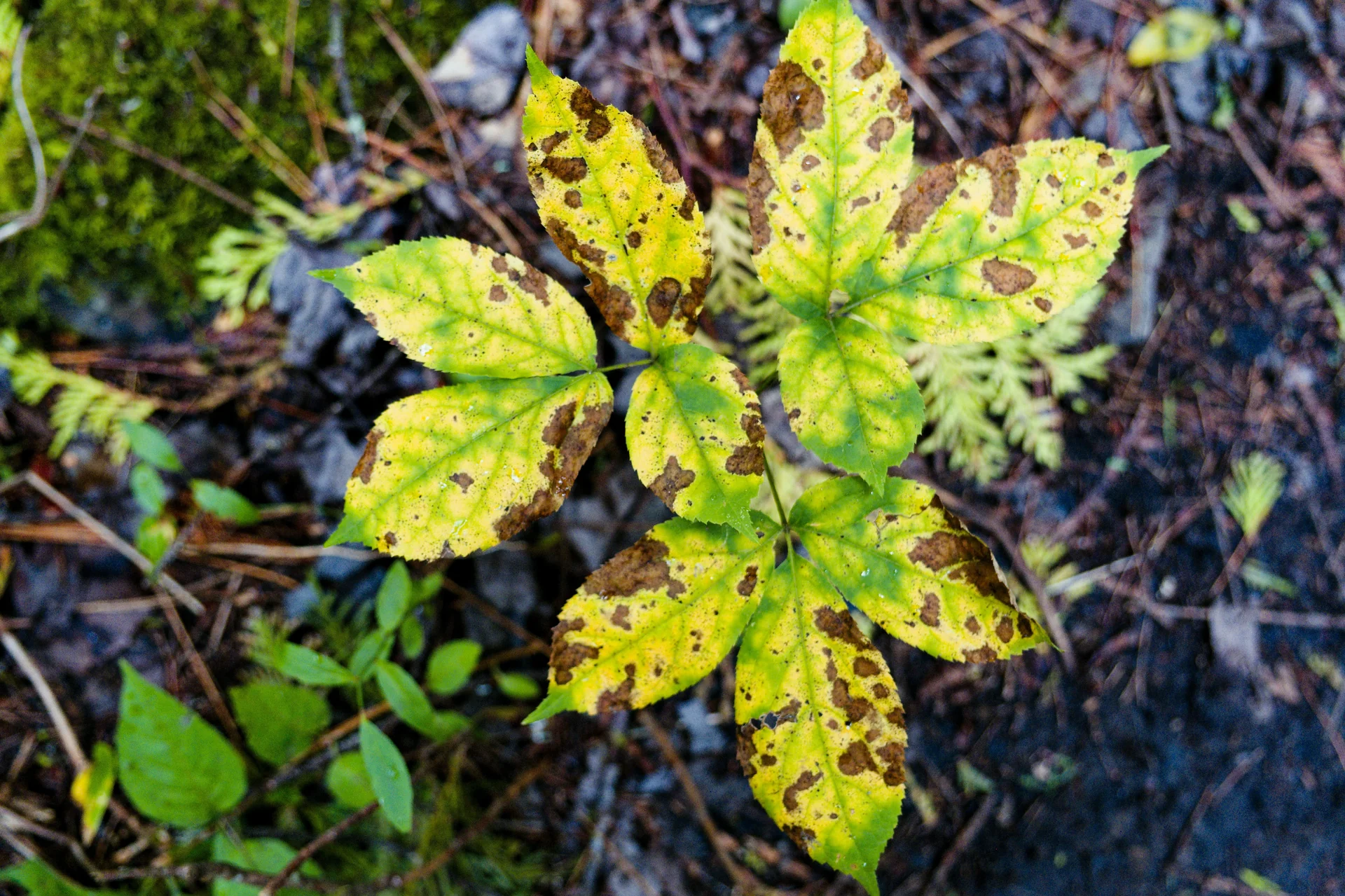
Cold damage, also called chill injury or frost damage, occurs when temperatures drop below a plant's physiological tolerance for a duration long enough to disrupt normal cellular function. While plants have evolved various coping mechanisms, such as producing antifreeze proteins or accumulating soluble sugars, these defenses can be overwhelmed by severe or prolonged cold stress. Tropical and subtropical species, common among houseplants, are particularly susceptible since they haven't evolved the cold-tolerance mechanisms found in temperate or hardy plants. Indoor growers most often encounter this issue near drafty windows or during transport in cold weather.
Quick Answer
Cold damage occurs when plants are exposed to temperatures below their tolerance threshold, typically between 32-45°F depending on species, causing discoloration, wilting, and tissue death. Tropical and subtropical plants are especially vulnerable since they lack cold-adaptation mechanisms. Moving plants away from cold windows and drafts during winter prevents most cold damage indoors.
What Is Cold Damage?
Cold damage, also known as chill injury or frost damage, occurs when plants are exposed to temperatures that are too low for their optimal growth and survival. This can happen when the temperature drops below a certain threshold, typically between 32°F (0°C) and 45°F (7°C), depending on the plant species. Cold damage can cause a range of symptoms, including discoloration, wilting, and tissue death.
Plants have evolved various mechanisms to cope with cold temperatures, such as producing antifreeze proteins, accumulating soluble sugars, and altering their membrane lipid composition. However, when the cold stress is too severe or prolonged, these mechanisms can be overwhelmed, leading to cellular damage and tissue injury. Cold damage can be particularly problematic for plants that are not adapted to cold temperatures, such as tropical or subtropical species.
Understanding cold damage is essential for plant health, as it can have significant impacts on plant growth, productivity, and survival. Cold damage can also affect the quality and yield of crops, making it a critical concern for farmers and gardeners. By recognizing the signs and symptoms of cold damage, gardeners can take steps to prevent or mitigate its effects, ensuring the health and well-being of their plants.
Signs and Symptoms
- Discoloration, such as yellowing or browning of leaves
- Wilting or drooping of leaves and stems
- Tissue death, such as blackening or necrosis of leaves and stems
- Reduced growth rates or stunted growth
- Increased susceptibility to disease and pests
Step-by-Step: How to Treat Cold Damage
- Move plants to a warm location, such as a greenhouse or indoor space, with a temperature range of 65°F (18°C) to 75°F (24°C) and a relative humidity of 40% to 60%.
- Provide supplemental lighting, such as grow lights, for 12 to 14 hours per day, with an intensity of 20,000 to 40,000 lux.
- Water plants carefully, avoiding overwatering, which can exacerbate cold damage, and maintaining a soil moisture level of 20% to 30%.
- Apply a balanced fertilizer, such as a 20-20-20 NPK formula, at a concentration of 1,000 to 2,000 ppm, to promote healthy growth and recovery.
- Prune damaged tissue, such as blackened or necrotic leaves and stems, to prevent the spread of disease and encourage healthy growth, using sterile pruning tools and making cuts at a 45-degree angle, 1/4 inch above a node.
- Monitor plants closely for signs of disease or pests, such as fungal infections or insect infestations, and treat promptly, using integrated pest management techniques, such as introducing beneficial insects or applying organic pesticides, at a concentration of 0.5% to 2%.
- Gradually acclimate plants to outdoor conditions, over a period of 7 to 14 days, to prevent further stress and damage, by increasing the duration of outdoor exposure by 1 to 2 hours per day.
Best Practices and Pro Tips
- Temperature Control: Maintain a consistent temperature range of 65°F (18°C) to 75°F (24°C) to promote healthy growth and prevent cold damage.
- Humidity Management: Maintain a relative humidity of 40% to 60% to prevent moisture-related stress and disease.
- Lighting Optimization: Provide supplemental lighting, such as grow lights, for 12 to 14 hours per day, with an intensity of 20,000 to 40,000 lux, to promote photosynthesis and growth.
- Watering Strategy: Water plants carefully, avoiding overwatering, which can exacerbate cold damage, and maintaining a soil moisture level of 20% to 30%.
- Fertilization Schedule: Apply a balanced fertilizer, such as a 20-20-20 NPK formula, at a concentration of 1,000 to 2,000 ppm, every 2 to 3 weeks, to promote healthy growth and recovery.
Quick Reference Table
| Factor | Recommended Range | Why It Matters |
|---|---|---|
| Temperature | 65°F (18°C) to 75°F (24°C) | Optimal growth and prevention of cold damage |
| Humidity | 40% to 60% | Prevention of moisture-related stress and disease |
| Lighting | 12 to 14 hours per day, 20,000 to 40,000 lux | Promotion of photosynthesis and growth |
| Watering | 20% to 30% soil moisture | Prevention of overwatering and cold damage |
| Fertilization | 1,000 to 2,000 ppm, every 2 to 3 weeks | Promotion of healthy growth and recovery |
Plants Most Susceptible to Cold Damage
Some plants are more susceptible to cold damage than others, including the Heliconia psittacorum (Parrot's Beak) and Begonia x hybrida (Begonia). These plants are typically tropical or subtropical species that are not adapted to cold temperatures. Other plants that are susceptible to cold damage include the Ficus benjamina (Weeping Fig), Dracaena marginata (Red-Edged Dracaena), Philodendron bipinnatifidum (Split-Leaf Philodendron), Anthurium andreanum (Flamingo Flower), and Peperomia obtusifolia (Baby Rubber Plant). As we explain in our Heat Stress guide, heat stress can also be a significant problem for plants, and understanding the differences between heat stress and cold damage is essential for providing optimal care. Additionally, our Fungus Gnats guide provides valuable information on how to prevent and treat fungal infections, which can be exacerbated by cold damage, and our Root Rot guide offers tips on how to prevent and treat root rot, which can be caused by overwatering and cold temperatures.
Common Mistakes to Avoid
- Overwatering: Overwatering can exacerbate cold damage, leading to root rot and other problems, so it's essential to maintain a soil moisture level of 20% to 30% and avoid watering plants when the temperature is below 45°F (7°C).
- Underwatering: Underwatering can also be problematic, as it can cause plants to become stressed and more susceptible to cold damage, so it's essential to water plants regularly, providing 1 to 2 inches of water per week.
- Insufficient Lighting: Insufficient lighting can reduce photosynthesis and growth, making plants more vulnerable to cold damage, so it's essential to provide supplemental lighting, such as grow lights, for 12 to 14 hours per day, with an intensity of 20,000 to 40,000 lux.
- Inadequate Fertilization: Inadequate fertilization can limit plant growth and recovery, making plants more susceptible to cold damage, so it's essential to apply a balanced fertilizer, such as a 20-20-20 NPK formula, at a concentration of 1,000 to 2,000 ppm, every 2 to 3 weeks.
- Poor Air Circulation: Poor air circulation can lead to fungal diseases and other problems, which can be exacerbated by cold damage, so it's essential to maintain good air circulation, providing a distance of 6 to 12 inches between plants.
What is the success rate of treating cold damage?
The success rate of treating cold damage depends on the severity of the damage and the promptness of treatment. If caught early, cold damage can often be treated successfully, with a success rate of 70% to 90%, but if left untreated, it can lead to significant damage or even plant death, with a mortality rate of 10% to 30%.
What is the best season to treat cold damage?
The best season to treat cold damage is during the spring or fall, when temperatures are mild, with an average temperature range of 50°F (10°C) to 70°F (21°C), and plants are less stressed, with a relative humidity of 40% to 60%.
Is pruning mandatory for treating cold damage?
Pruning is not always mandatory for treating cold damage, but it can be beneficial in removing damaged tissue and promoting healthy growth, with a pruning frequency of every 2 to 3 weeks, and a pruning depth of 1 to 2 inches.
What aftercare is required for plants that have suffered cold damage?
Aftercare for plants that have suffered cold damage typically involves providing optimal growing conditions, such as a temperature range of 65°F (18°C) to 75°F (24°C), a relative humidity of 40% to 60%, and a lighting intensity of 20,000 to 40,000 lux, and monitoring plants closely for signs of disease or pests, with a monitoring frequency of every 1 to 2 weeks.
How do I troubleshoot cold damage?
Troubleshooting cold damage involves identifying the underlying cause of the damage, such as exposure to cold temperatures, and taking steps to address it, such as moving plants to a warm location, with a temperature range of 65°F (18°C) to 75°F (24°C), and providing supplemental lighting, with an intensity of 20,000 to 40,000 lux, and a duration of 12 to 14 hours per day.
Frequently Asked Questions
What is the success rate of treating cold damage?
The success rate of treating cold damage depends on the severity of the damage and the promptness of treatment. If caught early, cold damage can often be treated successfully, with a success rate of 70% to 90%, but if left untreated, it can lead to significant damage or even plant death, with a mortality rate of 10% to 30%.
What is the best season to treat cold damage?
The best season to treat cold damage is during the spring or fall, when temperatures are mild, with an average temperature range of 50°F (10°C) to 70°F (21°C), and plants are less stressed, with a relative humidity of 40% to 60%.
Is pruning mandatory for treating cold damage?
Pruning is not always mandatory for treating cold damage, but it can be beneficial in removing damaged tissue and promoting healthy growth, with a pruning frequency of every 2 to 3 weeks, and a pruning depth of 1 to 2 inches.
What aftercare is required for plants that have suffered cold damage?
Aftercare for plants that have suffered cold damage typically involves providing optimal growing conditions, such as a temperature range of 65°F (18°C) to 75°F (24°C), a relative humidity of 40% to 60%, and a lighting intensity of 20,000 to 40,000 lux, and monitoring plants closely for signs of disease or pests, with a monitoring frequency of every 1 to 2 weeks.
How do I troubleshoot cold damage?
Troubleshooting cold damage involves identifying the underlying cause of the damage, such as exposure to cold temperatures, and taking steps to address it, such as moving plants to a warm location, with a temperature range of 65°F (18°C) to 75°F (24°C), and providing supplemental lighting, with an intensity of 20,000 to 40,000 lux, and a duration of 12 to 14 hours per day.
Explore More
Related Topics
Related Plant Guides
No specific plant guides found matching this topic.
Recommended next actions
Continue Exploring
Dive deeper into related plant care tools and profiles.
Topic Guide
Heat Stress
Learn everything about heat stress for your indoor and aquarium plants. Expert care tips, troubleshooting, and related guides.
Topic Guide
Fungus Gnats
Learn everything about fungus gnats for your indoor and aquarium plants. Expert care tips, troubleshooting, and related guides.
Topic Guide
Root Rot
Learn how to identify and treat root rot in houseplants. Discover causes, symptoms, and step-by-step solutions to save your plants from overwatering.