Mother of Thousands Plant Care: Types, Mother of Millions & Safety
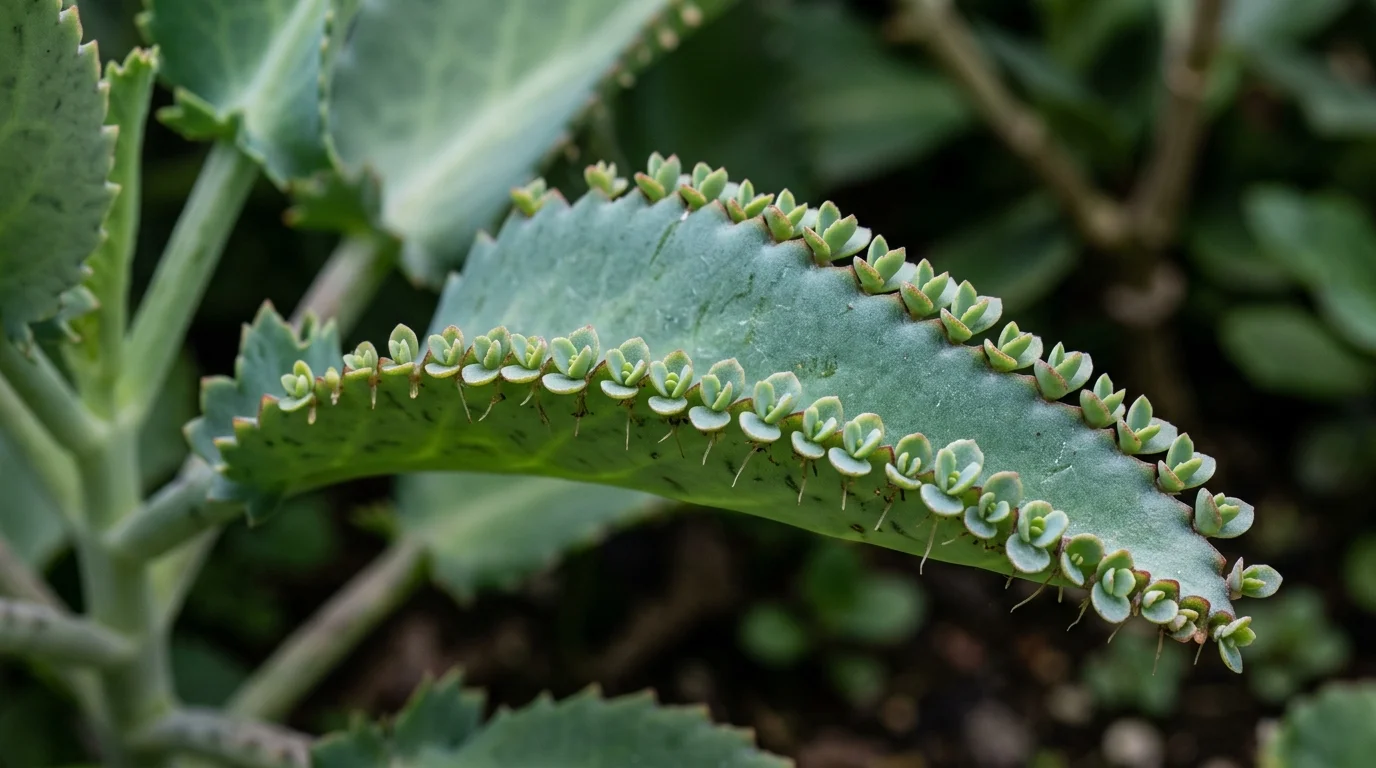
Mother of thousands (Kalanchoe daigremontiana) grows plantlets along its leaf edges, and mother of millions is a related but different plant. This guide covers identification, care, propagation, pet toxicity, and how to keep it contained where it is regulated as a weed.
Quick Answer
Mother of thousands (Kalanchoe daigremontiana) has broad, flat leaves with plantlets along the edges, while mother of millions (Kalanchoe delagoensis) has narrow, tube-shaped leaves with plantlets at the tips. Both like bright light and fast-draining soil, both are toxic to cats and dogs, and mother of millions is a restricted invasive plant in parts of Australia, so contain plantlets and follow local rules.
Key Takeaways
- Mother of thousands has broad leaves with plantlets on the edges. Mother of millions has narrow, tube-shaped leaves with plantlets at the tips.
- Both are Kalanchoe species and are toxic to dogs and cats.
- Mother of millions is a Category 3 restricted invasive plant in Queensland, so check local biosecurity rules.
- Contain plantlets in pots and dispose of them in sealed household waste, not compost or garden beds.
- Care is simple: bright light, fast-draining soil, and watering only when the soil is dry.
Quick Facts
- Fastest ID clue Plantlets on leaf edges (thousands) vs at leaf tips (millions)
- Pet safety Toxic to dogs and cats
- Legal note Restricted invasive plant in parts of Australia; check local rules
What Should I Do?
You live in Queensland or New South Wales
You have cats or dogs
Plantlets are dropping
PlantSolve Recommendation
- Conservative dosage designed for container plants
- Based on manufacturer instructions
- Adjusted using horticultural best practices
- Start low and increase only if vigorous growth is observed
The plant sold as mother of thousands is usually Kalanchoe daigremontiana (also listed as Bryophyllum daigremontianum), a succulent from Madagascar that grows tiny plantlets along its leaf edges. It is also called alligator plant, devil's backbone, and Mexican hat plant. Its close relative, mother of millions (Kalanchoe delagoensis, also Bryophyllum delagoense), is a different plant, and the two names are often swapped.
Two things to know before you buy or share one: these plants are toxic to cats and dogs, and mother of millions is regulated as an invasive weed in parts of Australia. This guide covers how to tell them apart, care, propagation, and how to keep them from spreading.
Mother of Thousands vs Mother of Millions
| Feature | Mother of Thousands | Mother of Millions | Hybrid (K. × houghtonii) |
|---|---|---|---|
| Botanical name | Kalanchoe daigremontiana | Kalanchoe delagoensis (Bryophyllum delagoense) | Kalanchoe × houghtonii (Bryophyllum × houghtonii) |
| Leaf shape | Broad, flat, and lance- or triangle-shaped with toothed edges | Narrow, tube-shaped with a small groove and a few teeth at the tip | Boat-shaped, between the two parents |
| Where plantlets form | Along the leaf margins | At the leaf tips | Tips and margins |
| Flowers | Clusters of small bell-shaped flowers, usually pinkish | Drooping bell-shaped flowers in dense clusters, usually red to reddish-pink | Similar bell-shaped clusters |
| Regulated as a weed? | May naturalize in warm climates; check local rules | Restricted or noxious in parts of Australia and South Africa | Also treated as an escaped ornamental where regulated |
| Toxic to pets? | Yes | Yes | Yes |
Other names add confusion. The commonly used names mother of a thousand, mother of 1000, and alligator plant all point to K. daigremontiana, while chandelier plant, Christmas bells, and mission bells are used for mother of millions. Nursery labels are often wrong, so use leaf shape and where the plantlets grow to identify yours.
Is Mother of Thousands Invasive?
- In Queensland, Australia, mother-of-millions (Bryophyllum delagoense) and its hybrid are Category 3 restricted invasive plants under the Biosecurity Act 2014, and they must not be distributed or disposed of into the environment.
- It is also regarded as a significant environmental weed in Queensland and New South Wales, and listed as a noxious weed in South Africa.
- Rules differ by country and state and can change, so check your local biosecurity authority before growing, sharing, or throwing away any plantlet-forming kalanchoe.
- In cooler climates the plants are grown mainly indoors or in pots, which limits spread but does not remove the need to contain plantlets.
Mother of Thousands Plant Care
| Factor | What It Needs | Notes and Tools |
|---|---|---|
| Light | Bright light; some direct sun is usually tolerated | Stretching means too little light. See the sunlight calculator |
| Watering | Water thoroughly, then let the soil dry before watering again | Rot follows soggy mix. See the watering calculator |
| Soil | Fast-draining cactus or succulent mix | Add perlite for drainage. See perlite vs pumice |
| Temperature | Warm room temperatures; not frost-tolerant | Bring outdoor pots inside before cold nights |
| Humidity | Low to average | Good airflow helps prevent powdery mildew |
| Feeding | Light feeding in the growing season | Overfeeding leads to weak, floppy growth |
| After flowering | Some plants decline after blooming | Keep a few plantlets potted as backups |
How to Stop Plantlets Spreading
Each leaf-edge plantlet can drop, root, and become a new plant, which is why the plant is so easy to grow and so hard to keep in one pot. To contain it:
- Grow it in a pot with a saucer, indoors or on a covered patio, not in open garden beds.
- Remove plantlets regularly before they fall, and check the soil of nearby pots.
- Do not compost plantlets or dump them in green waste. Place them in a sealed bag in general household waste, and follow local disposal rules.
- Clean up after moving or pruning, since dropped plantlets can root in gaps and neighboring pots.
- Check whether it is legal to give plants away in your area before sharing.
How to Propagate Mother of Thousands
Where it is legal to do so, propagation is simple:
- Take a plantlet that already has small roots or leaves.
- Place it on top of lightly moist, fast-draining mix without burying it.
- Keep it in bright, indirect light and water lightly until it establishes.
- Pot up when it has several leaves.
For general technique see leaf propagation and our houseplant propagation guide.
Is Mother of Thousands Poisonous?
| Who | Risk | What to Do |
|---|---|---|
| Cats and dogs | The ASPCA lists kalanchoe as toxic to dogs and cats because of bufadienolides (cardiac glycosides). Reported signs include vomiting and diarrhea, and abnormal heart rhythm is rare. | Keep out of reach and call a veterinarian or poison hotline if chewed |
| Livestock | Mother of millions is poisonous to stock, and cattle deaths are reported in Queensland | Keep it away from pastures |
| People | Treat all parts as unsuitable to eat; keep away from children | Wash hands after handling and do not ingest |
Check other plants with our pet safety calculator or browse indoor plants safe for cats and dogs.
Mother of Thousands Troubleshooting
| Symptom | Common Causes | What to Do |
|---|---|---|
| Leggy, stretched plant | Low light | Move to a brighter spot and trim back |
| Soft, mushy stems | Overwatering or poor drainage | Unpot, trim rot, and repot in dry gritty mix; see root rot rescue |
| Dropping leaves | Cold, sudden changes, or overwatering | Check temperature and moisture |
| White powdery coating | Powdery mildew | Improve airflow; avoid wetting leaves |
| Plantlets everywhere | Normal growth habit | Remove and dispose of them as above |
| Sticky residue or cottony spots | Mealybugs | See mealybugs |
Related Guides
- Kalanchoe plant care and types for flowering kalanchoe, Calandiva, and panda plant
- How to water succulents and cacti
- Cactus vs succulent: what is the difference?
Mother of Thousands Facts at a Glance
| Detail | Mother of Thousands |
|---|---|
| Common names | Mother of thousands, mother of a thousand, alligator plant, devil's backbone, Mexican hat plant |
| Botanical name | Kalanchoe daigremontiana (also Bryophyllum daigremontianum) |
| Family and origin | Crassulaceae; native to Madagascar |
| Growth habit | Upright, fleshy succulent with plantlets on the leaf margins |
| Hardiness | Not frost-tolerant; best treated as a warm-climate or indoor plant |
| Toxicity | Toxic to dogs and cats; keep away from children and livestock |
Growth Cycle: What to Expect
| Stage | What Happens | What to Do |
|---|---|---|
| Plantlet | Tiny plants form along the leaf edges and drop when mature | Collect them regularly and dispose of extras safely |
| Young plant | Roots establish and the first true leaves appear | Bright light and light watering |
| Mature plant | Upright stem with broad leaves and plentiful plantlets | Prune leggy growth; contain plantlets |
| Flowering | Bell-shaped flowers on tall stalks, usually in the cooler months | Expect some plants to decline afterward; keep backups |
Safer Alternatives if You Have Pets or Live in a Regulated Area
If you want a low-maintenance succulent without the toxicity or spreading concerns, these are generally listed as non-toxic to cats and dogs. Always confirm with the pet safety calculator before buying.
| Plant | Why It Works | Learn More |
|---|---|---|
| Zebra haworthia | Compact, low light tolerant, does not spread by plantlets | Haworthia fasciata profile |
| Burro's tail | Trailing succulent for hanging pots | Burro's tail profile |
| Other pet-safe plants | Browse a wider range of non-toxic options | Pet-safe plants |
Authority References & Further Reading
- ASPCA: Toxic and non-toxic plant listing for kalanchoe.
- Queensland Government: Mother-of-millions restricted invasive plant information and legal requirements.
- Brisbane City Council: Weed profile for mother-of-millions, including environmental impact.
Recommended next actions
Next Best Actions
Move from reading to action with related calculators, plant profiles, and quiz-based recommendations.
Plant Guide
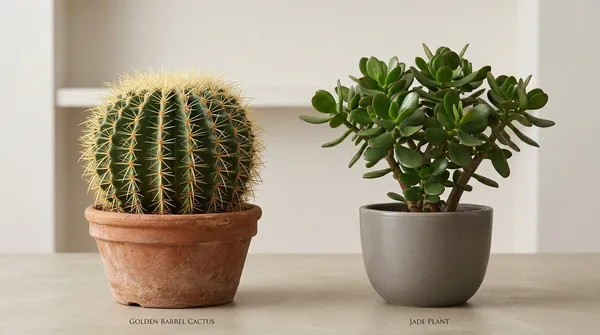
Jade Plant
A compact, long-lived succulent known for its fleshy leaves, luck-bringing symbolism, and beginner-friendly care requirements.
Topic Guide
Leaf Propagation
Learn everything about leaf propagation for your indoor and aquarium plants. Expert care tips, troubleshooting, and related guides.
Guide
Kalanchoe Care Guide: Types, Calandiva & How to Rebloom
Kalanchoe care is easy once you know three things: bright light, fast-draining soil, and long nights to trigger flowers. This guide covers kalanchoe types (flaming Katy, Calandiva, panda plant), a care chart, how to rebloom, troubleshooting, and pet safety.
Frequently Asked Questions
What is the difference between mother of thousands and mother of millions?
Is mother of thousands poisonous to cats and dogs?
Is mother of thousands invasive?
How do you propagate mother of thousands?
How much light does mother of thousands need?
How do I stop mother of thousands from spreading?
Sources & References
-
Source: aspca.org
Toxic plant listing for kalanchoe (bufadienolides).
-
Source: business.qld.gov.au
Mother-of-millions restricted invasive plant information and legal requirements.
-
Source: weeds.brisbane.qld.gov.au
Weed profile and environmental impact of mother-of-millions.
Explore More