Leaf Propagation
Leaf propagation is a vegetative reproduction method that generates an entirely new plant from a single detached leaf, relying on the totipotent capacity of certain plant cells to revert to an undifferentiated state. Under the right conditions, these cells can give rise to organs the leaf itself never originally possessed, including roots and shoots. At the cellular level, this process is driven by auxin, a plant hormone that accumulates at the wound site and directs nearby cells to dedifferentiate into callus tissue, from which new adventitious roots and eventually shoots emerge.
Quick Answer
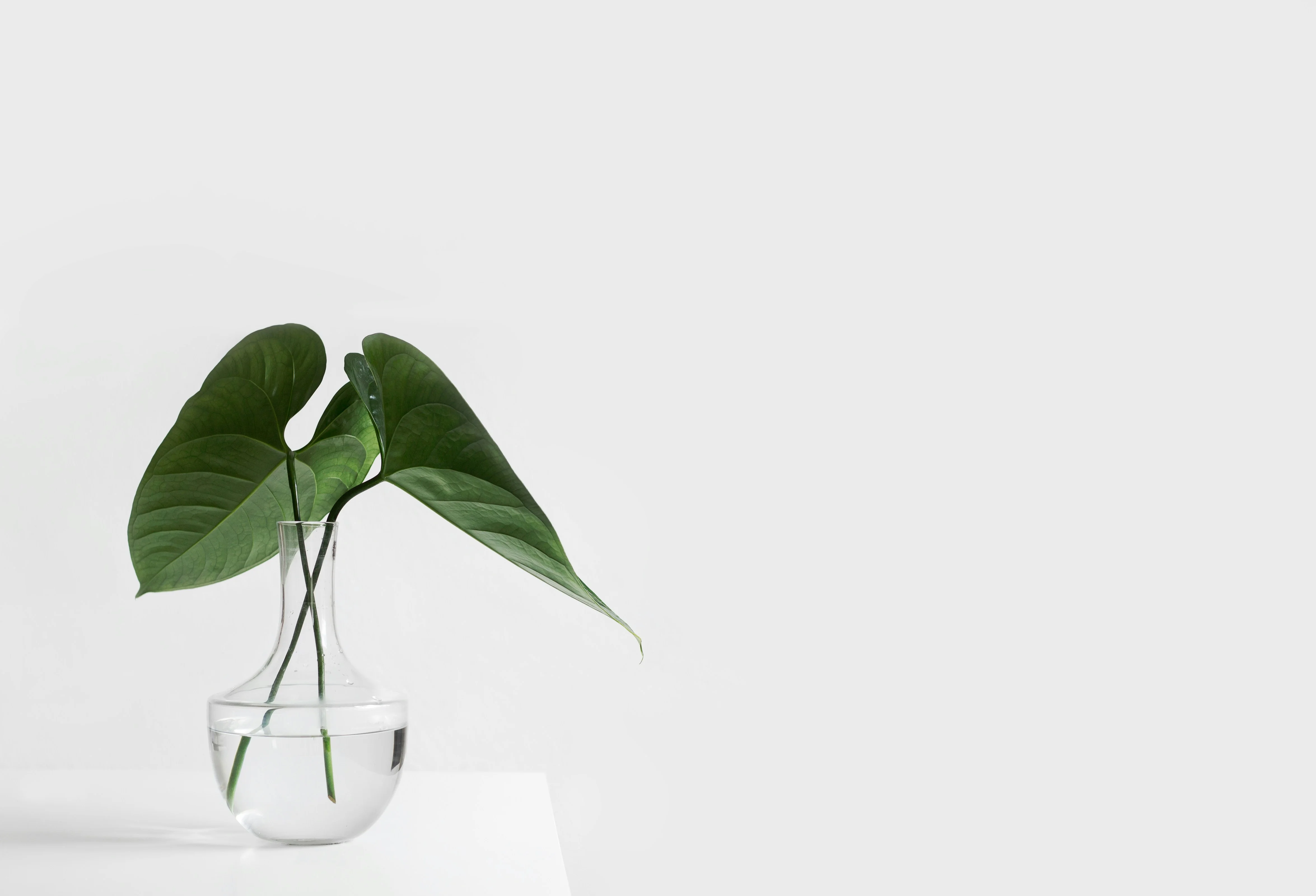
Leaf propagation grows an entirely new plant from a single leaf, relying on the plant cell's ability to revert to an undifferentiated state and form new roots and shoots. Auxin, a plant hormone, accumulates at the wound site and drives this dedifferentiation process. This technique works well for succulents and certain gesneriads but not for most other houseplants.
What Is Leaf Propagation?
Leaf propagation is a method of vegetative reproduction in which a single leaf, or in some cases a leaf with a small section of petiole or stem attached, is used to generate an entirely new plant. This process relies on the remarkable totipotent capacity of certain plant cells, meaning that under the right conditions, differentiated leaf cells can revert to an undifferentiated state and give rise to new organs, including roots and shoots, that the leaf itself never originally possessed.
At the cellular level, when a leaf is detached and placed in a suitable rooting medium, the wound site triggers a localized accumulation of auxin, a plant hormone that plays a central role in directing cell division and differentiation. This auxin signaling encourages nearby parenchyma cells to dedifferentiate and form a mass of unspecialized callus tissue. From this callus, adventitious roots, roots that arise from non-root tissue, begin to emerge, often followed by the development of an adventitious shoot or plantlet at the base of the leaf or along a cut vein.
Not all plants are capable of leaf propagation, and the ability is closely tied to the presence of meristematic cells, regions of actively dividing, undifferentiated tissue, within the leaf itself. Succulents and certain tropical foliage plants retain these meristematic pockets near the leaf base or along major veins, while many other species lack this capacity entirely, which is why leaf propagation works reliably for some genera and fails consistently for others regardless of technique.
Understanding leaf propagation matters because it offers a low-cost, space-efficient way to multiply plants without disturbing the parent specimen's root system, unlike stem cutting or division. However, success probability vary considerably depending on species, leaf maturity, and the conditions provided during the critical callus-formation and rooting phase, making careful technique essential rather than optional.
Tools and Materials You'll Need
- Clean, sharp scissors or a blade: A sterile cutting implement minimizes tissue damage at the removal site and reduces the risk of introducing pathogens into the wound, which is particularly important since damaged cells are more vulnerable to fungal and bacterial infection during the vulnerable callus stage.
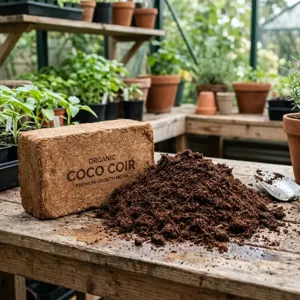
- Well-draining propagation medium: A mix such as perlite or a blend of coco coir and perlite provides the aeration roots need during early development while still retaining enough moisture to prevent desiccation of the cut surface before callus forms.
- Shallow propagation tray or small pots: Individual small containers, roughly 2-3 inches in diameter, allow you to monitor each leaf's progress without disturbing neighboring cuttings, and prevent overcrowding that can lead to fungal issues among multiple leaves.
- Rooting hormone powder or gel (optional): A supplemental source of synthetic auxin that can encourage faster adventitious root formation in species that respond well to it, though many succulents root readily without any hormone application.
- Spray bottle: Used to lightly moisten the propagation medium without saturating it, since leaf cuttings are highly susceptible to rot if the surrounding substrate remains waterlogged during the weeks before roots develop.
- Clear plastic cover or humidity dome (for non-succulent species): Maintains elevated humidity around leaves that lack the water-storing tissue of succulents, reducing transpirational stress on a leaf that has no root system to replace lost moisture.
- Bright, indirect light source: A windowsill or grow light providing consistent light without direct, intense sun, since leaves undergoing propagation have limited photosynthetic reserves and cannot tolerate the additional stress of high-intensity direct light.
- Labels and a notebook: Tracking the date each leaf was started and noting which species and leaf positions succeed helps refine technique over time, since rooting timelines vary significantly between genera.
Step-by-Step: How to Perform Leaf Propagation
- Select a healthy, mature leaf free of damage or disease, choosing one from the lower or middle portion of the plant where leaves have fully expanded and accumulated adequate carbohydrate reserves.
- Using a clean blade, remove the leaf cleanly at its point of attachment, including a small portion of petiole if present, since some species root more readily when this tissue is retained.
- Allow the cut surface to dry and callus over for 1-2 days in a location with bright, indirect light, which reduces the risk of the wound absorbing excess moisture and rotting before roots begin to form.
- Once callused, place the leaf so its cut end makes contact with a propagation medium kept lightly moist, watering only enough to dampen the top inch of substrate without creating standing water.
- Position the propagation tray in a location receiving bright, indirect light for at least 6-8 hours daily, avoiding direct sun that could scorch a leaf with no root system to support recovery from heat stress.
- Mist the leaf surface lightly every 2-3 days if humidity around the cutting drops noticeably, but avoid creating prolonged surface moisture that could encourage fungal growth on the leaf tissue itself.
- Check for root or plantlet development after 3-4 weeks by gently tugging the leaf; resistance indicates root formation, while leaves showing no progress after 6-8 weeks have likely failed and should be discarded to prevent rot from spreading to neighboring cuttings.
Best Practices and Pro Tips
Choose Leaves with Intact Petioles: For species like Streptocarpus or many succulents, leaves retaining even a short section of petiole tend to produce plantlets faster than leaves cut flush at the blade, since the petiole contains additional meristematic tissue.
Avoid Overwatering Callus Sites: A cut surface kept too moist during the 1-2 day callusing period is highly prone to rot before roots even begin forming, so err toward underwatering during this initial phase.
Use Bottom Heat Sparingly: A propagation mat providing gentle warmth a few degrees above ambient room temperature can accelerate cellular activity and root initiation, but excessive heat can dehydrate a leaf faster than it can compensate without roots.
Separate Plantlets at the Right Stage: Wait until a new plantlet has developed at least 2-3 of its own small roots, typically visible after 4-6 weeks, before separating it from the parent leaf, since premature separation often results in transplant shock the plantlet cannot survive.
Track Success Probability by Leaf Position: Leaves taken from the same plant can show dramatically different rooting success depending on their position and age; keeping notes over multiple attempts reveals which leaves on a given species root most reliably.
Quick Reference Table
| Factor | Recommended Range | Why It Matters |
|---|---|---|
| Callusing Period Before Planting | 1-2 days | Allows the cut surface to seal, reducing the risk of rot-causing pathogens entering the wound |
| Daily Light Exposure | 6-8 hours bright, indirect light | Supports cellular activity for callus and root formation without risking heat or sunburn on an unsupported leaf |
| Misting Frequency | Every 2-3 days as needed | Maintains adequate humidity around the leaf without creating prolonged surface moisture that invites fungal growth |
| Root or Plantlet Check Timeline | 3-4 weeks for initial signs | Indicates whether callus formation has progressed to active root development |
| Failure Discard Point | 6-8 weeks with no progress | Prevents a failed leaf from rotting and affecting neighboring cuttings in shared trays |
Best Plants for Leaf Propagation
Echeveria species, popular rosette-forming succulents, are among the most reliable candidates for leaf propagation because their thick, water-storing leaves contain ample meristematic tissue near the base, allowing them to form both roots and a new rosette plantlet from a single detached leaf.
Snake plant (Sansevieria trifasciata) can be propagated from leaf sections, though growers should note that variegated forms typically lose their variegation in the resulting plantlets, since the variegated and non-variegated cell layers do not regenerate identically from leaf tissue alone.
African violet (Saintpaulia ionantha) is a classic leaf propagation subject, with leaves placed petiole-first into a moist propagation medium reliably producing clusters of small plantlets at the base within several weeks under consistent bright, indirect light.
String of pearls (Curio rowleyanus) can root from individual leaf segments, though success probability are notably lower than with stem cuttings, since each small spherical leaf contains limited stored resources to sustain the plant through the rooting period, a consideration also relevant to general Stem Cutting practices.
Begonia rex, grown for its dramatically patterned foliage, propagates well from leaf sections cut to include a portion of major veins, as new plantlets emerge directly from the wounded vein tissue where auxin concentrations are highest.
Jade plant (Crassula ovata) roots readily from individual leaves allowed to callus properly before placement in a well-draining medium such as one amended with perlite, as detailed further in our Perlite guide, and growers should watch for early signs of rot, a risk explored in our Root Rot article.
Common Mistakes to Avoid
Skipping the Callusing Period: Placing a freshly cut leaf directly into moist medium without allowing 1-2 days for the wound to seal dramatically increases the chance of rot entering the cut surface within the first week.
Overwatering Propagation Trays: Keeping the propagation medium saturated rather than lightly moist creates anaerobic conditions around the cut surface, often causing visible blackening and softening of the leaf base within 7-10 days.
Choosing Immature or Damaged Leaves: Young leaves that haven't fully expanded or leaves with existing damage lack sufficient carbohydrate reserves to sustain the weeks-long rooting process, resulting in failure rates significantly higher than with mature, healthy leaves.
Exposing Cuttings to Direct Sun: A leaf with no root system cannot replace water lost to transpiration under direct, intense light, and even a few hours of direct sun exposure can cause irreversible wilting within a single day.
Separating Plantlets Too Early: Detaching a developing plantlet before it has established 2-3 of its own roots, often attempted before the 4-6 week mark, frequently results in the new plantlet failing within days due to insufficient water uptake capacity.
Frequently Asked Questions
What is the success rate for leaf propagation?
Success rates vary widely by species; succulents like Echeveria and Crassula often show success probability well above 50% when leaves are allowed to callus properly and kept in bright, indirect light. African violets also tend to root reliably, often producing multiple plantlets per leaf. Species with thinner leaves or less meristematic tissue, however, may show much lower success, and some plants cannot be propagated from leaves at all regardless of technique.
What is the best time of year to start leaf propagation?
Spring and early summer are generally the most favorable times, as plants are entering their active growth phase and cellular activity, including auxin production and cell division, tends to be higher. Propagation attempted during dormant periods, particularly late autumn and winter for many species, often proceeds much more slowly or fails altogether due to reduced metabolic activity.
Do I need rooting hormone for leaf propagation?
Rooting hormone is optional for most leaf propagation and is not strictly necessary for succulents like Echeveria or Jade plant, which root readily on their own. For species that propagate less reliably, a light dusting of rooting hormone powder on the callused cut surface can improve root initiation rates, though it will not compensate for leaves lacking sufficient meristematic tissue.
How do I care for new plantlets after they form?
Once a plantlet has developed 2-3 roots of its own, typically after 4-6 weeks, you can gently separate it from the parent leaf and pot it into a small container with well-draining medium. Keep the new plantlet in bright, indirect light and water sparingly for the first few weeks, allowing it to establish before treating it like a mature plant.
My leaf cutting has been sitting for over a month with no roots, what should I do?
If a leaf shows no signs of callusing, rooting, or plantlet formation after 6-8 weeks, it has likely failed, often due to insufficient meristematic tissue, an overly wet medium causing early rot, or a leaf that was too immature when removed. At this point, discard the leaf to prevent any rot from spreading to nearby cuttings, and try again with a more mature leaf, ensuring a proper 1-2 day callusing period before placement.
Frequently Asked Questions
What is the likelihood of success for leaf propagation?
Success rates vary widely by species; succulents like Echeveria and Crassula often show success probability frequently when leaves are allowed to callus properly and kept in bright, indirect light. African violets also tend to root reliably, often producing multiple plantlets per leaf. Species with thinner leaves or less meristematic tissue, however, may show much lower success, and some plants cannot be propagated from leaves at all regardless of technique.
What is the best time of year to start leaf propagation?
Spring and early summer are generally the most favorable times, as plants are entering their active growth phase and cellular activity, including auxin production and cell division, tends to be higher. Propagation attempted during dormant periods, particularly late autumn and winter for many species, often proceeds much more slowly or fails altogether due to reduced metabolic activity.
Do I need rooting hormone for leaf propagation?
Rooting hormone is optional for most leaf propagation and is not strictly necessary for succulents like Echeveria or Jade plant, which root readily on their own. For species that propagate less reliably, a light dusting of rooting hormone powder on the callused cut surface can improve root initiation rates, though it will not compensate for leaves lacking sufficient meristematic tissue.
How do I care for new plantlets after they form?
Once a plantlet has developed 2-3 roots of its own, typically after 4-6 weeks, you can gently separate it from the parent leaf and pot it into a small container with well-draining medium. Keep the new plantlet in bright, indirect light and water sparingly for the first few weeks, allowing it to establish before treating it like a mature plant.
My leaf cutting has been sitting for over a month with no roots, what should I do?
If a leaf shows no signs of callusing, rooting, or plantlet formation after 6-8 weeks, it has likely failed, often due to insufficient meristematic tissue, an overly wet medium causing early rot, or a leaf that was too immature when removed. At this point, discard the leaf to prevent any rot from spreading to nearby cuttings, and try again with a more mature leaf, ensuring a proper 1-2 day callusing period before placement.
Explore More
Related Topics
Related Plant Guides
No specific plant guides found matching this topic.
Recommended next actions
Continue Exploring
Dive deeper into related plant care tools and profiles.
Topic Guide
Perlite
Learn how perlite improves drainage, how long it lasts in soil, when to replace it, and how to use it in potting mixes.
Topic Guide
Root Rot
Learn how to identify and treat root rot in houseplants. Discover causes, symptoms, and step-by-step solutions to save your plants from overwatering.
Topic Guide
Stem Cutting
Learn everything about stem cutting for your indoor and aquarium plants. Expert care tips, troubleshooting, and related guides.