Cactus vs Succulent: Are Cacti Succulents? Differences, ID & Care
All cacti are succulents, but not all succulents are cacti. This guide explains the difference, the areole test, plants that only look like cacti (euphorbia, agave, aloe), and how cactus and succulent care differ.
Quick Answer
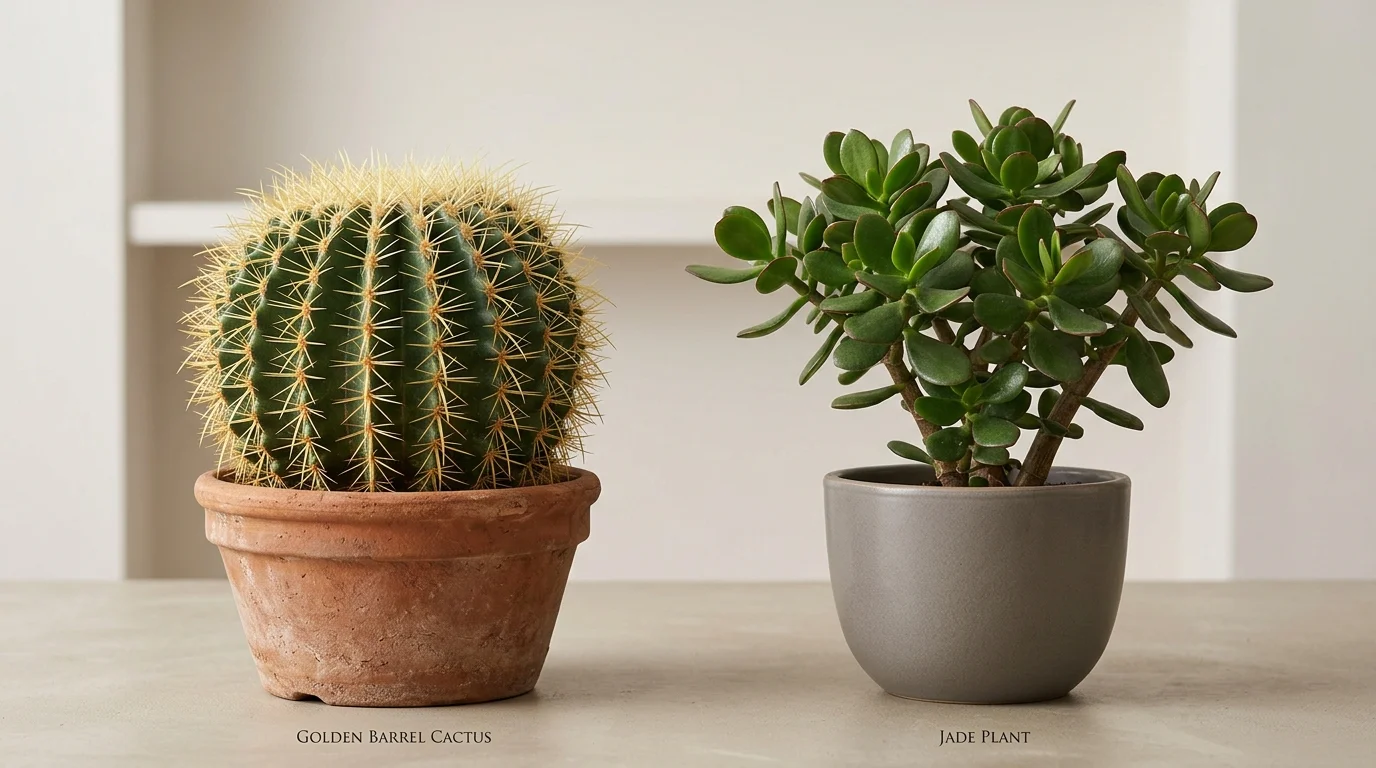
Yes, cacti are succulents. All cacti are succulents, but not all succulents are cacti. A plant is a cactus if it has areoles, small cushion-like bumps where spines, hairs, branches, and flowers grow. Spines alone are not reliable, since some cacti are spineless and many spiny plants such as euphorbia and agave are not cacti.
Key Takeaways
- All cacti are succulents, but not all succulents are cacti.
- Areoles are the reliable test. Spines alone are not, because some cacti are spineless and some spiny plants are not cacti.
- Euphorbia, agave, and aloe often look like cacti but are other succulents.
- Care depends on the plant's native habitat: desert, leafy succulent, or forest cactus.
- Overwatering and poor drainage cause most cactus and succulent losses.
Quick Facts
- Quick answer All cacti are succulents; not all succulents are cacti
- Reliable test Areoles (present only on cacti)
- Common look-alikes Euphorbia, agave, aloe, Madagascar palm
What Should I Do?
You are not sure if your plant is a cactus
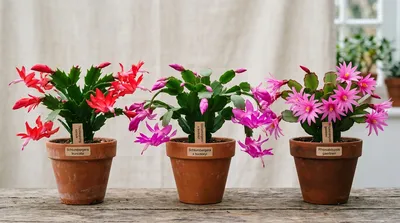
Your plant is a forest cactus like holiday cactus
You keep losing succulents
PlantSolve Recommendation
- Conservative dosage designed for container plants
- Based on manufacturer instructions
- Adjusted using horticultural best practices
- Start low and increase only if vigorous growth is observed
Are cacti succulents? Yes. All cacti are succulents, but not all succulents are cacti. Think of it like poodles and dogs: every poodle is a dog, but not every dog is a poodle. "Succulent" describes any plant that stores water in fleshy leaves, stems, or roots, while a cactus is a specific plant family (Cactaceae) with one defining feature: areoles.
This guide explains the difference between a cactus and a succulent, how to tell them apart, which popular plants only look like cacti, and how their care differs so you do not water or light them wrong.
Cactus vs Succulent: Key Differences
| Feature | Cactus | Other Succulents |
|---|---|---|
| Relationship | One plant family: Cactaceae (over 1,700 species) | Many families, including Crassulaceae (jade, echeveria), Asphodelaceae (aloe, haworthia), Euphorbiaceae, and Asparagaceae (agave) |
| Areoles | Always present; small cushion-like bumps where spines, hairs, branches, and flowers grow | Absent |
| Spines | Grow from areoles; some cacti have none | Some have spines, but not from areoles, for example some euphorbias and agaves |
| Water storage | Mostly in fleshy stems | Leaves, stems, or roots |
| Leaves | Usually absent or reduced | Fleshy leaves are common |
| Native range | Almost all native to the Americas (one known exception) | Worldwide, including Africa and Madagascar |
| Common examples | Barrel cactus, prickly pear, bunny ears, holiday cactus | Jade plant, aloe, echeveria, haworthia, string of pearls, kalanchoe |
How to Tell a Cactus from a Succulent (The Areole Test)
- Look for areoles: small, fuzzy or woolly bumps on the stem, often arranged in a pattern. If you see them, it is a cactus.
- Ignore spines alone: some cacti are spineless, such as holiday cactus and sea urchin cactus, while many spiny plants are not cacti.
- Check for milky sap: many euphorbias that look like cacti bleed milky sap when cut. Cacti do not.
- Check the leaves: real leaves on a spiny, fat-stemmed plant usually mean it is another succulent, though a few cacti have small leaves when young.
- Confirm with the label: if you are still unsure, look up the botanical name and family.
Plants That Look Like Cacti But Aren't
| Plant | Looks Like | Actually | How to Tell |
|---|---|---|---|
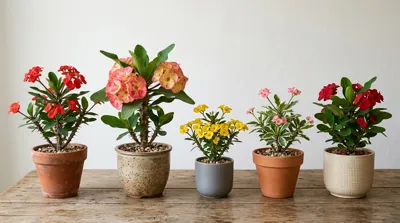
| African milk tree (Euphorbia trigona) | A columnar cactus | Succulent in the spurge family | No areoles; milky sap when cut |
| Crown of thorns (Euphorbia milii) | A thorny cactus | Succulent in the spurge family | Spines but no areoles; produces leaves |
| Agave / century plant | A large spiny succulent | Asparagaceae family succulent | Fleshy rosette with a terminal spine |
| Aloe (Aloe vera) | A spiky cactus | Asphodelaceae succulent | Fleshy leaves with toothed edges; no areoles |
| Madagascar palm (Pachypodium lamerei) | A spiny cactus | Succulent in the dogbane family | Seasonal leaves at the top of a spiny trunk |
The reverse also happens: some true cacti do not look like cacti at all. The holiday cactus has no spines and flat, leaf-like segments but is a genuine cactus. See Christmas vs Thanksgiving vs Easter cactus for details.
Cactus vs Succulent Care Differences
Care depends more on where the plant grows than on whether it is a cactus. Use the groups below as a starting point:
| Factor | Desert Cacti | Leafy Succulents (jade, echeveria, haworthia) | Forest Cacti (holiday cactus) |
|---|---|---|---|
| Light | Full, bright sun | Bright light; some tolerate partial shade | Bright, indirect light |
| Watering | Deep watering, then a long dry spell | Water when soil and leaves show dryness | Moderate; avoid long drought |
| Soil | Gritty, fast-draining mineral mix | Fast-draining succulent mix | Airy, organic-rich, well-drained mix |
| Humidity | Low | Low to average | Moderate |
| Common mistake | Overwatering | Overwatering and low light | Treating it like a desert cactus |
| Tool | Try the cactus watering calculator | Try the jade plant watering calculator | Try the holiday cactus watering calculator |
For step-by-step watering, see how to water succulents and cacti, and for drainage problems read about overwatering and root rot.
Which Should You Choose?
| If You Want | Consider | Why |
|---|---|---|
| A plant for a bright, sunny window | Desert cactus or leafy succulent | Both need strong light |
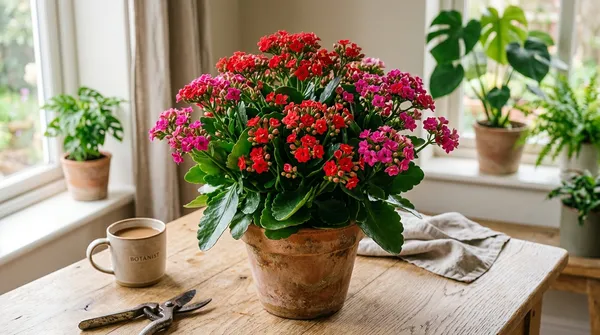
| A flowering succulent | Kalanchoe, or a holiday cactus for winter blooms | See the kalanchoe care guide and holiday cactus guide |
| A dramatic tree-like plant | Yucca or agave | Bold, low-water plants; see yucca care |
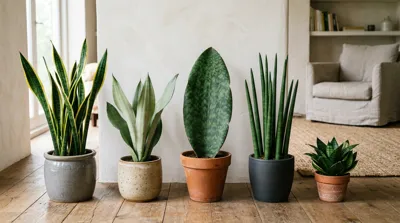
| Something for lower light | Haworthia or a snake plant | Tolerate shadier spots than most cacti |
| A pet-friendly choice | Check each species | Toxicity varies by plant; use the pet safety calculator |
Common Cactus and Succulent Mistakes
- Watering on a schedule instead of checking the soil: use the watering calculator as a guide, then confirm by feel.
- Using regular potting soil: it holds too much moisture. Try a gritty mix with perlite or pumice.
- Pots without drainage: see when drainage holes matter.
- Too little light: stretched, pale growth means the plant needs brighter light.
- Moving a shaded plant into full sun suddenly: acclimate over a week or two to avoid scorch.
Types of Cacti
| Group | Examples | Habitat and Care |
|---|---|---|
| Desert cacti | Barrel cactus (golden barrel), prickly pear and bunny ears, saguaro | Full sun, gritty soil, infrequent watering |
| Forest (epiphytic) cacti | Holiday cactus, orchid cactus (zig-zag cactus), mistletoe cactus | Bright indirect light, airy mix, moderate moisture |
| Globular cacti | Ball-shaped species such as golden barrel | Bright light and excellent drainage |
| Columnar cacti | Tall, upright species | Full sun and room to grow |
Types of Succulents Beyond Cacti
| Group | Examples | Water Stored In |
|---|---|---|
| Stonecrop family (Crassulaceae) | Jade plant, echeveria, kalanchoe (care guide) | Fleshy leaves |
| Aloe family (Asphodelaceae) | Aloe vera, haworthia | Fleshy leaves |
| Spurge family (Euphorbiaceae) | African milk tree, crown of thorns | Fleshy stems |
| Asparagus family (Asparagaceae) | Agave and yucca (yucca guide) | Leaves and trunk |
| String and trailing succulents | String of pearls, burro's tail | Leaves |
Safety Notes for Cacti and Succulents
- Spines and glochids: tiny barbed hairs on some cacti, such as prickly pears, can lodge in skin. Handle with tongs or thick gloves.
- Euphorbia sap: many spurge-family succulents produce milky sap that can irritate skin and eyes. Wash hands after handling and avoid touching your face.
- Pets: toxicity varies widely by species. Check each plant with the pet safety calculator and see indoor plants safe for cats and dogs.
- Rotting from overwatering: both groups rot easily in wet soil. See root rot rescue.
Cactus vs Succulent for Beginners
| Beginner Question | Short Answer |
|---|---|
| Which is easier to kill? | Both fail mostly from overwatering, so drainage and light matter more than the type |
| Which needs more sun? | Desert cacti generally need the most; many leafy succulents tolerate less |
| Which suits low light? | Haworthia and some other leafy succulents, not desert cacti |
| Can they share a pot? | Only if they have the same light and watering needs; mixing desert and forest types often fails |
| Where do I start? | Pick by light level first, then by species-specific care, and use the watering calculator as a guide |
Authority References & Further Reading
- Laidback Gardener (Larry Hodgson): Explanation of cacti as succulents, areoles, and common look-alikes.
- UNLV faculty resource on cacti and succulents: Notes on stem succulence and other succulent groups.
Recommended next actions
Next Best Actions
Move from reading to action with related calculators, plant profiles, and quiz-based recommendations.
Plant Guide
cactus
Expert care guide and diagnostic data for the cactus. Learn how to properly water, light, and troubleshoot common issues.
Topic Guide
Overwatering Plants: Symptoms, Diagnosis & Prevention
Learn how to identify, treat, and prevent overwatering in your indoor and aquarium plants. Expert care tips and troubleshooting.
Guide
How to Water Succulents and Cacti: Soak and Dry Guide
Learn when and how to water succulents and cacti, how to recognize thirst and overwatering, and how seasonal conditions affect watering frequency.
Frequently Asked Questions
Are cacti succulents?
Are all succulents cacti?
How can I tell a cactus from a succulent?
Is aloe a cactus?
Do cacti and succulents need the same care?
Is a holiday cactus a real cactus?
Sources & References
-
Source: laidbackgardener.blog
Explains that cacti are succulents, the role of areoles, and common look-alike plants.
-
Source: landau.faculty.unlv.edu
Notes on stem succulence and other succulent groups such as aloe, agave, and euphorbia.
Explore More