Yucca Plant Care & Types: Indoor, Outdoor, Yucca Tree & Flowers
Yucca plants range from indoor yucca trees to hardy garden perennials. This guide covers yucca types (spineless yucca, Adam's needle, Spanish dagger), indoor care, yucca tree pruning, why yuccas do not bloom, problems, and pet safety.
Quick Answer
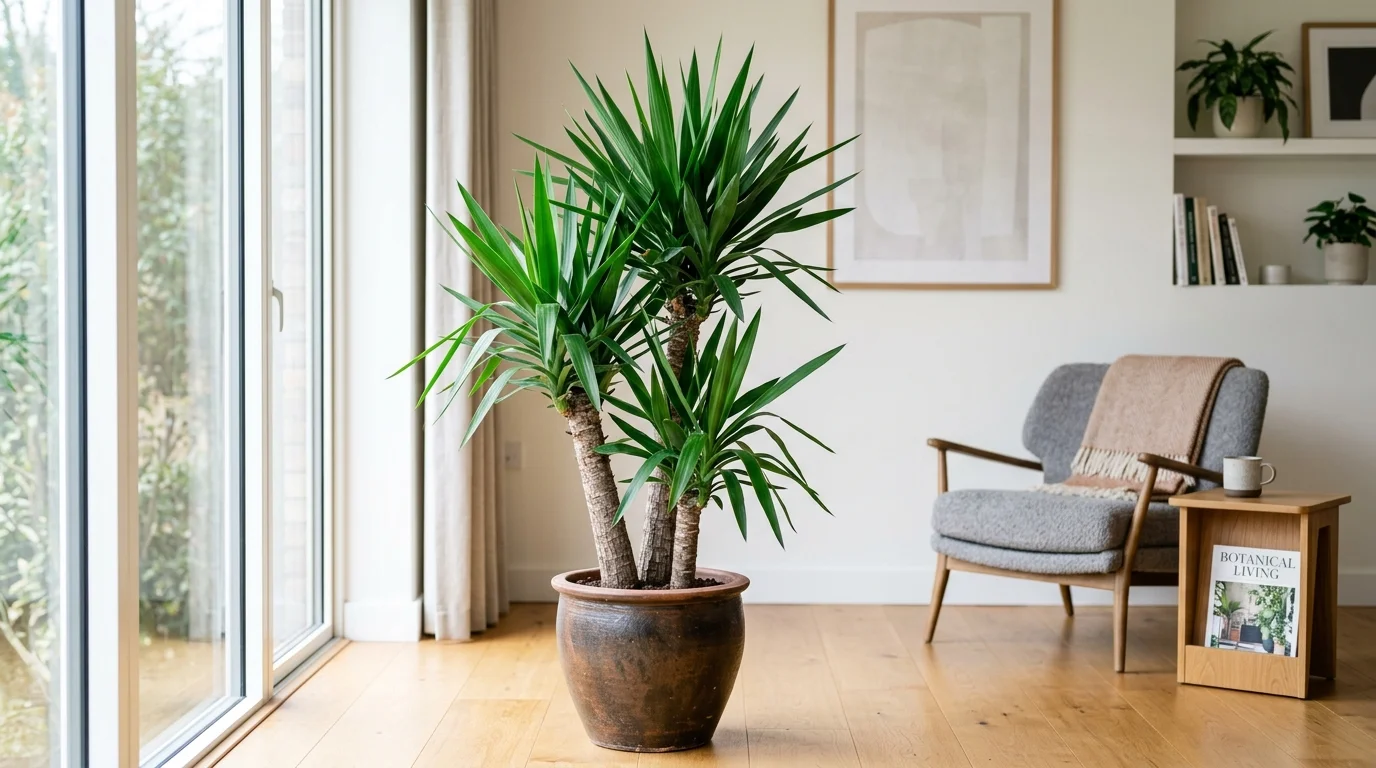
A yucca plant needs bright light, fast-draining soil, and deep but infrequent watering. The common houseplant is the spineless yucca (Yucca gigantea), while Adam's needle (Yucca filamentosa) and Spanish dagger (Yucca gloriosa) are hardy outdoor types. Indoor yuccas rarely bloom, yucca is not the same as edible yuca (cassava), and the plant is toxic to cats and dogs.
Key Takeaways
- The common houseplant is the spineless yucca (Yucca gigantea, formerly Y. elephantipes). Adam's needle and Spanish dagger are hardy outdoor types.
- Water deeply but infrequently and use a fast-draining mix to avoid trunk and root rot.
- Indoor yuccas rarely bloom. Flowering needs a mature plant, plenty of sun, and a suitable climate.
- Yucca (two c's) is ornamental and not edible. Yuca (one c) is cassava.
- Yucca is toxic to cats and dogs, usually causing mild vomiting and diarrhea.
Quick Facts
- Most common houseplant Spineless yucca (Yucca gigantea)
- Top killer Overwatering and poor drainage
- Don't confuse Yucca (ornamental) vs yuca (cassava, edible)
What Should I Do?
You want an indoor yucca tree
You want a hardy outdoor yucca
You have pets
PlantSolve Recommendation
- Conservative dosage designed for container plants
- Based on manufacturer instructions
- Adjusted using horticultural best practices
- Start low and increase only if vigorous growth is observed
Yucca is a genus of tough, sword-leaved plants from the Americas that range from indoor yucca plant canes to hardy garden perennials. The most common houseplant, often sold as a yucca tree, is the spineless yucca (Yucca gigantea, formerly Y. elephantipes). Outdoors, Adam's needle (Y. filamentosa) and Spanish dagger (Y. gloriosa) are popular in dry, sunny beds.
This guide covers yucca types, indoor and outdoor care, yucca tree pruning, why yucca plants do not bloom, common problems, and pet safety. Yucca is not the same as yuca: yuca (one c) is cassava, an edible root, while yucca (two c) is the ornamental plant and should not be eaten.
Types of Yucca Plants
Hardiness figures below are approximate US ranges and vary by source and cultivar. Canadian and Australian climate zones use different systems, so check local guidance.
| Type | Botanical Name | Look | Best Use | Approx. Hardiness |
|---|---|---|---|---|
| Spineless yucca / yucca tree | Yucca gigantea (formerly Y. elephantipes) | Thick trunk topped with rosettes of sword-shaped leaves without a sharp tip | Indoor plant; outdoor tree in warm climates | About USDA 9 to 11 |
| Adam's needle | Yucca filamentosa | Blue-green leaves edged with curly white threads | Hardy outdoor perennial | About USDA 5 to 10 |
| Spanish dagger | Yucca gloriosa | Stiff, pointed leaves forming a trunk; compact selections such as 'Tiny Star' | Outdoor beds and containers | About USDA 7 to 10 |
| Beaked yucca | Yucca rostrata | Blue-green rosettes on a short trunk | Containers and dry gardens | About USDA 5 to 10 |
| Joshua tree | Yucca brevifolia | Narrow, stiff, pointed leaves; slow growing | Desert conditions; rarely suited to home gardens | Desert or semi-desert climates |
Yucca Plant Care (Indoors)
| Factor | What Yucca Wants | Notes and Tools |
|---|---|---|
| Light | Bright light; a south- or west-facing window works, but intense direct sun through glass can scorch leaves | Use the sunlight calculator and see direct sunlight |
| Watering | Water thoroughly, then allow the top few inches of soil to dry | Overwatering is the main cause of rot. See watering calculator and overwatering |
| Soil | Fast-draining mix with added grit or perlite | See drainage and potting mix calculator |
| Temperature | Average room temperatures; keep away from cold drafts | Bring outdoor pots inside before frost |
| Humidity | Average to low | Not fussy about humidity |
| Feeding | Light feeding in spring and summer | See fertilizer basics |
| Repotting | Every couple of years or when rootbound | Use the repotting calculator |
Yucca Tree Care and Pruning
A yucca tree is a spineless yucca grown with one or more thick trunks (canes). Indoors it stays much more compact than outdoors, where it can reach 15 to 30 feet (4.5 to 9 m). To keep it healthy and well shaped:
- Give it enough light so the crown stays compact instead of leaning toward the window.
- Remove lower leaves that have naturally browned and dried, and cut off damaged tips with clean shears.
- To reduce height, cut the cane at the desired point. New shoots typically sprout below the cut, and the removed section can be rooted as a cutting.
- Rotate the pot occasionally so growth stays even.
- Avoid wetting the trunk or leaving the pot in standing water, since soft trunks are a sign of rot. See our root rot rescue guide.
Yucca Flowers: Why Isn't My Yucca Blooming?
Blooming yucca plants are a highlight in summer gardens, with tall flower stalks holding clusters of white or cream bell-shaped flowers. Indoor plants rarely bloom, so do not be alarmed if yours does not.
| Factor | What Helps Flowering | Why It Matters |
|---|---|---|
| Maturity | Plants that are several years old | Young plants need time to build a flowering-size crown |
| Light | Full sun outdoors | Low light is the most common reason for no flowers |
| Climate | A species suited to your zone | Cold damage can prevent bloom stalks |
| Watering | Deep but infrequent | Constantly wet soil weakens roots |
| Feeding | Modest feeding | Too much nitrogen favors leaves over flower stalks |
In the wild many yuccas rely on yucca moths for pollination and seed production, but a plant can still flower without them.
Common Yucca Problems
| Symptom | Common Causes | What to Do | Read Next |
|---|---|---|---|
| Brown leaf tips | Dry air, salt buildup, or inconsistent watering | Water deeply and flush the soil occasionally | Brown tips |
| Yellowing lower leaves | Natural aging, or overwatering if many leaves yellow at once | Remove old leaves; check soil moisture | Yellowing leaves |
| Soft or mushy trunk | Rot from waterlogged soil | Cut back to firm tissue and repot in dry mix | Root rot |
| Leaning or stretched crown | Low light | Move to a brighter spot and rotate | Leggy growth |
| Scorched, bleached patches | Intense sun through glass | Filter the light | Sunburn |
| Cottony spots or sticky residue | Mealybugs or scale | Isolate and treat | Mealybugs and scale insects |
| Cold-damaged, mushy leaves | Frost or prolonged cold | Protect from cold and trim damaged tissue | Cold damage |
Is Yucca Toxic to Cats and Dogs?
- Pet poison references list yucca as containing steroidal saponins. In cats and dogs, ingestion typically causes mild vomiting and diarrhea, and sharp leaf tips can also injure skin or the digestive tract.
- Spineless yucca leaves are less sharp, but the plant is still listed as toxic to pets, so keep it out of reach.
- Check other plants with our pet safety calculator and browse indoor plants safe for cats and dogs.
Yucca vs Agave vs Cactus
| Plant | Family | Look | Cactus? |
|---|---|---|---|
| Yucca | Asparagaceae | Woody or clumping, with sword-like leaves | No; it has no areoles |
| Agave | Asparagaceae | Fleshy rosettes with a terminal spine | No |
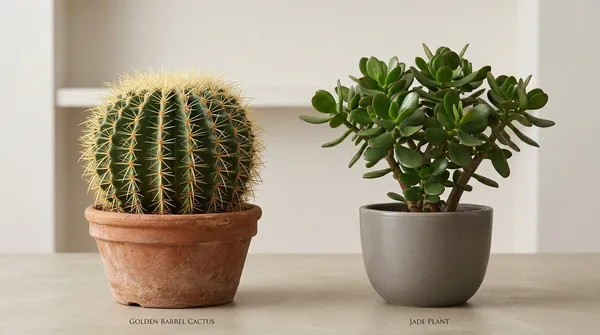
| Cactus | Cactaceae | Fleshy stems with areoles | Yes |
For a full breakdown see cactus vs succulent: what is the difference? and our cactus profile.
Growing Yucca Outdoors
| Factor | Guidance | Notes |
|---|---|---|
| Sun | Full sun for the strongest growth and best flowering | Partial shade is tolerated but reduces blooms |
| Soil | Sandy, gravelly, or otherwise very well-drained | Poor drainage combined with cold is the main cause of winter loss |
| Planting time | Spring or early summer in cold climates | Gives roots time to establish before winter |
| Watering | Regular water until established, then little | Established plants are drought tolerant |
| Winter care | Keep the crown dry and the soil well-drained | Wet cold is harder on yucca than dry cold |
| Hardiness | Match the species to your zone (see the types table above) | Check local zone guidance, since Canadian and Australian systems differ from USDA |
Best Soil Mix for Yucca in Pots
A fast-draining mix keeps trunks and roots from rotting. A common approach is shown below, and you can adjust it for your climate and pot size.
| Ingredient | Approximate Parts | Purpose |
|---|---|---|
| Quality potting mix | 2 | Holds some moisture and nutrients |
| Coarse sand or fine grit | 1 | Improves drainage |
| Perlite or pumice | 1 | Adds air space so roots do not stay soggy |
Compare mixes in our perlite vs pumice guide and check quantities with the potting mix calculator.
How to Propagate Yucca
| Method | How | Best For |
|---|---|---|
| Offsets (pups) | Separate small plants growing at the base and pot them in gritty mix | Clumping types such as Adam's needle |
| Cane cuttings | Cut a section of trunk, let the cut end dry, then root it in a fast-draining mix | Spineless yucca trees |
| Seed | Sow in warm, well-drained mix; germination is slow | Growers who want many plants |
For general technique, see how to propagate houseplants and stem cuttings.
Yucca Watering Guide by Season
| Season | Indoors | Outdoors |
|---|---|---|
| Spring and summer | Water thoroughly when the top few inches are dry | Water new plants regularly; established plants need little |
| Autumn | Reduce frequency as light drops | Stop supplemental water before cold weather |
| Winter | Water lightly and only when the soil is dry | Keep the crown dry and well-drained |
Authority References & Further Reading
- NC State Extension Plant Toolbox: Description and care of giant (spineless) yucca, Yucca gigantea.
- Pet Poison Helpline: Yucca toxicity information and the yucca vs yuca distinction.
- HGTV Gardening: Yucca types, hardiness ranges, and indoor care.
Recommended next actions
Next Best Actions
Move from reading to action with related calculators, plant profiles, and quiz-based recommendations.
Plant Guide
Ponytail Palm
After advising hundreds of indoor gardeners on succulent care, we've found the Ponytail Palm to be the ultimate 'set it and forget it' floor plant—provided you give it enough sun and practically ignore it with the watering can.
Topic Guide
Drainage
Learn everything about drainage for your indoor and aquarium plants. Expert care tips, troubleshooting, and related guides.
Guide
Cactus vs Succulent: Are Cacti Succulents? Key Differences
All cacti are succulents, but not all succulents are cacti. This guide explains the difference, the areole test, plants that only look like cacti (euphorbia, agave, aloe), and how cactus and succulent care differ.
Frequently Asked Questions
Is yucca the same as yuca?
How often should I water a yucca plant?
Why is my yucca not blooming?
Can yucca live outside in winter?
Is yucca toxic to cats and dogs?
What is the difference between yucca and agave?
Sources & References
-
Source: plants.ces.ncsu.edu
Description and care of giant (spineless) yucca, Yucca gigantea.
-
Source: petpoisonhelpline.com
Yucca toxicity information and the yucca vs yuca distinction.
-
Source: hgtv.com
Yucca species overview, hardiness ranges, and indoor care tips.
Explore More