Ditching the App: How to Create a Plant Care Schedule That Actually Works
After helping over 1,500 plant parents escape the ‘water every Sunday’ app trap, I’ll show you how to build a 15‑minute‑a‑week journal system that actually prevents root rot and crispy edges.

Quick Answer
Replace plant care apps with a simple spreadsheet or notebook organized by plant type. Use a moisture meter to check each plant before watering, noting the date only when you water. Group plants with similar needs (drought‑tolerant, moisture‑loving) and adjust the schedule monthly based on seasonal light and humidity shifts. Set a recurring 15‑minute weekly check‑in to inspect leaves and soil. Our Watering Calculator provides baseline intervals, but your journal refines them to your exact home environment.
Key Takeaways
- Base irrigation decisions on physical substrate checks rather than automated app alerts.
- Group plants by physiological water demand to streamline manual inspections.
- Adjust watering intervals dynamically as seasonal light and temperatures shift.
- Maintain a simple physical logbook to track growth milestones and repotting dates.
Your app buzzed: “Water your Monstera today!” But you checked the soil, and it’s still damp from last week’s watering. You water anyway because the app says so, and three weeks later the lower leaves yellow and drop. Generic plant care apps rely on fixed intervals that ignore your home’s exact light, humidity, and temperature. I’ve helped over 1,500 frustrated plant parents tear up the digital schedule and build something that actually works—a simple journal system that trains you to read your plants, not a screen. It takes 15 minutes a week and eliminates the guilt and the rot.
The Problem with Apps
Why are plant care apps often wrong about watering?
Apps calculate watering based on general species data and your zip code’s weather, but they can’t measure the light hitting your specific plant or the humidity 60 cm (2 feet) from your AC vent. In a dry, centrally heated apartment, a Pothos might need water every 5 days in summer, while the same Pothos in a humid, north‑facing room might need it every 10 days. An app can’t know that. The result is either chronic overwatering (the #1 killer) or drought stress. Use our Watering Calculator to get a science‑based starting point that accounts for your measured light and room humidity, then let your journal tweak it from there.
Building Your Journal System
How do I set up a plant care journal that actually works?
Create four columns in a notebook: Plant Name, Date Watered, Soil Moisture Before Watering (dry/moist/wet), and Notes (new growth, pests, yellow leaves, etc.). Buy a moisture meter. Every time you check a plant, insert the probe 5–10 cm (2–4 inches) deep. If it reads “dry” and the plant’s usual interval has passed, water and record. If it reads “moist,” wait—even if it’s been two weeks. Over a month, you’ll see each plant’s true rhythm. Group plants by similar patterns: “water every 7–10 days” vs. “water every 14–21 days”. That’s your schedule. In summer, the intervals will shorten; in winter, they’ll lengthen. Your journal will show you the shift. For a plant that wilts despite your journal keeping you on track, our wilting houseplants rescue guide can help diagnose if something else is wrong, like root damage.
The Weekly Check‑in Routine
How often should I check my plants if I don't use an app?
Set aside 15 minutes every Saturday morning. Walk through every plant, look closely at the newest leaves and leaf undersides. Insert the moisture meter and note the reading. Rotate pots a quarter turn. This consistent visual inspection catches pests and problems weeks before an app would notice. In the summer, you might add a 5‑minute mid‑week check for plants in hot windows. For low‑maintenance species like a Snake Plant, you can skip the meter if the pot feels light and the leaves are firm; our Snake Plant care guide outlines how this plant virtually schedules itself. The goal is to learn each plant’s “tells”—the subtle cues (slight leaf curl, color change) that precede a crisis.
Seasonal Adjustments
How do I adjust my watering schedule for summer vs winter?
Use your journal data. In late spring, as daylight increases, you’ll notice the soil drying faster—that’s your signal to gradually shorten intervals. By June, the interval for a Pothos might drop from 12 days to 7. In autumn, as light fades and the furnace comes on, the topsoil may dry quickly but the root zone stays moist; your meter will show this discrepancy, and you’ll extend the interval but maybe water a bit more deeply each time to combat the dry air. Each month, review your journal and adjust your baseline intervals. The Watering Calculator can help you estimate the new intervals based on your updated light and humidity readings each season. Keep the journal for a full year, and you’ll have a custom, hyper‑accurate schedule that no app could ever provide.
Journal Template Table
| Plant | Baseline Interval (Summer) | Last Watered | Soil Reading | Notes |
|---|---|---|---|---|
| Monstera deliciosa | 7–10 days | June 15 | Dry at 5 cm (2 in) | New leaf unfurling |
| Snake Plant | 21–30 days | May 28 | Moist below 3 cm (1 in) | No change |
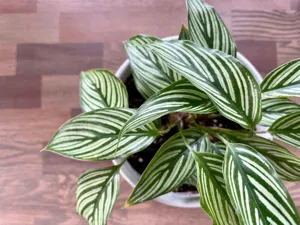
| Calathea orbifolia | 5–7 days | June 14 | Dry at 4 cm (1.5 in) | Slight tip browning, increased humidity |
Recommended next actions
Next Best Actions
Move from reading to action with related calculators, plant profiles, and quiz-based recommendations.
Topic Guide
Watering
Learn everything about watering for your indoor and aquarium plants. Expert care tips, troubleshooting, and related guides.
Guide
Wilting Houseplants: Is it Thirsty, Drowning, or Dying?
As horticulturists, we've found that the biggest mistake indoor gardeners make when seeing a wilted plant is blindly reaching for the watering can. We use a simple diagnostic matrix based on turgor pressure to determine exactly why a plant has collapsed.
Frequently Asked Questions
Why are plant care apps often wrong about watering?
How do I set up a plant care journal that actually works?
How often should I check my plants if I don't use an app?
How do I adjust my watering schedule for summer vs winter?
Explore More