Why Are My Pothos Leaves Turning Yellow?
Discover why your Pothos (Devil's Ivy) leaves are turning yellow. Learn to diagnose overwatering, low light, nutrient deficiencies, pest issues, and root rot to save your trailing plant.
Quick Answer
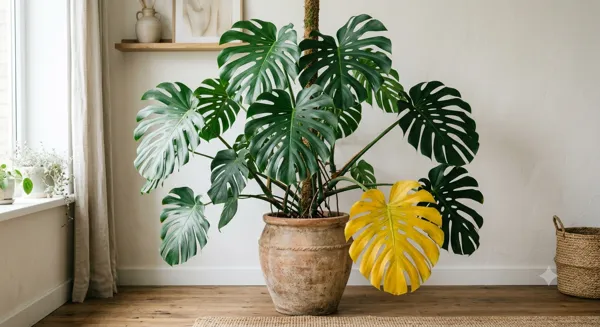
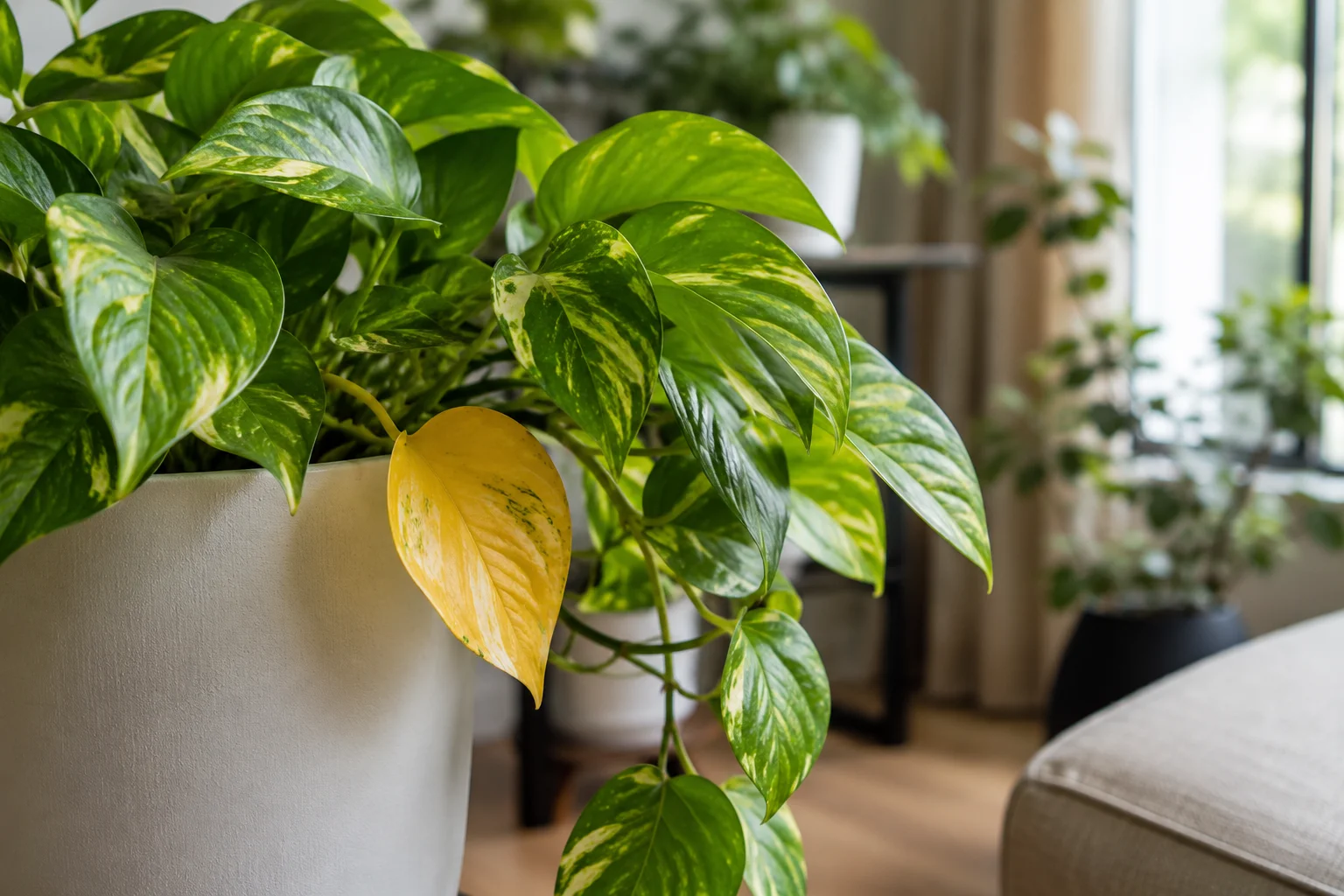
The most common reason for yellow Pothos leaves is overwatering and poor soil drainage, which starves the roots of oxygen and causes root rot. Other frequent causes include underwatering, insufficient sunlight, cold drafts, nutrient deficiencies, pest infestations, or the natural aging of older leaves. Always check soil moisture first—only water when the top 2 to 3 inches of the potting mix are completely dry.
Key Takeaways
- Overwatering and poor soil drainage are the most common causes of yellowing Pothos leaves.
- A chunky aroid mix is critical for root health, especially in humid or tropical climates where soil dries slowly.
- Underwatering presents as yellowing alongside drooping vines, dry soil, and crispy brown leaf edges.
- Cold drafts from windows or AC units can shock the plant into dropping its leaves.
- An occasional yellow lower leaf is part of the normal aging process and is not a cause for concern.
Quick Facts
- Most Common Cause Overwatering resulting in root oxygen deprivation (root rot)
- Underwatering Clues Very dry mix, wilting, limp vines, and crispy brown edges
- Light Preference Thrives in bright, indirect light; extreme low light causes leaf drop
- Pest Indicators Patchy, mottled yellowing indicates thrips or spider mites
1. Overwatering and Poor Drainage (The Leading Cause)
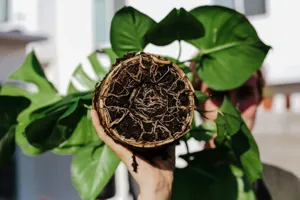
Excess moisture is the primary culprit when multiple Pothos (Epipremnum aureum) leaves turn yellow simultaneously. If the potting mix stays saturated for too long, roots are deprived of oxygen, leading to root rot. This is especially common in humid environments or during monsoon seasons when soil evaporation rates drop significantly.
The Fix: Ensure your container has unobstructed drainage holes. Transition the plant to a well-aerated, chunky aroid mix containing perlite or pumice to facilitate rapid drainage. Always allow the top 2-3 inches of soil to dry completely before watering again.
2. Underwatering and Soil Desiccation
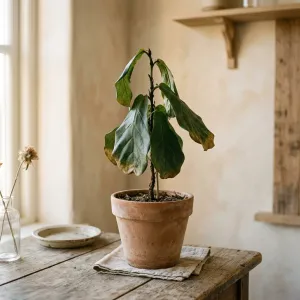
While overwatering is common, Pothos will also sacrifice leaves when they repeatedly become too dry. Underwatering is easy to identify: the yellow leaves will often be accompanied by drooping, limp vines, crispy brown edges, and potting soil that has shrunk away from the sides of the pot.
The Fix: Provide a thorough, deep watering until excess escapes the drainage holes. If the soil has become hydrophobic (repelling water), bottom-water the plant by soaking the pot in a basin for 30 minutes.
3. Insufficient Light Levels
Pothos are famously tolerant of low light, but they are not zero-light plants. In extremely dim locations, the plant cannot photosynthesize enough energy to support all its foliage. It will begin shedding older leaves, which turn yellow and drop off, focusing its limited energy on new growth.
The Fix: Move the plant gradually toward a brighter location with filtered, indirect light. Avoid sudden exposure to harsh, direct afternoon sun, which can scorch the leaves.
4. Temperature Stress and Cold Drafts
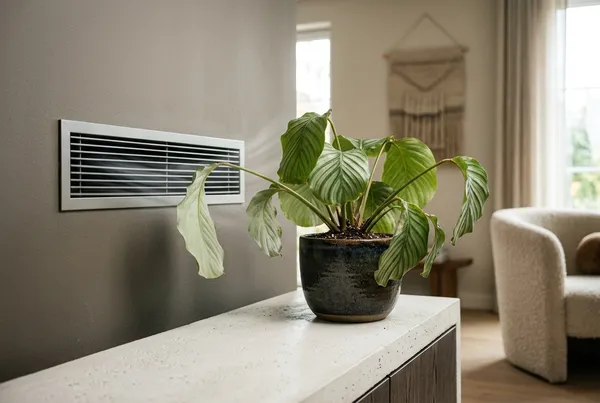
Pothos are tropical plants that thrive in warm, stable environments. Sudden temperature fluctuations, exposure to frosty winter drafts near windows, or being placed directly under cold air-conditioning vents can shock the plant, resulting in rapid leaf yellowing.
The Fix: Maintain a consistent room temperature between 18°C and 29°C (65°F to 85°F). Relocate the plant away from drafty doors and AC units.
5. Nutrient Deficiencies and Fertilizer Burn
A lack of essential nutrients, particularly Nitrogen, will cause older Pothos leaves to turn a pale, uniform yellow. Conversely, over-fertilizing with heavy synthetic chemicals can cause salt buildup in the soil, burning the roots and causing yellowing with crispy tips.
The Fix: Apply a balanced, organic bio-fertilizer during the active growing season. If you suspect fertilizer burn, flush the soil thoroughly with distilled water to leach out excess mineral salts.
6. Pest Infestations
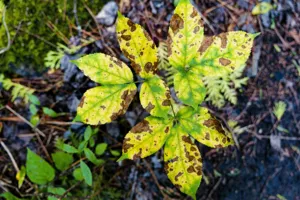
Sap-sucking insects like spider mites, thrips, and mealybugs drain the cellular fluids from Pothos leaves, leaving behind a mottled, patchy yellow appearance rather than a solid color change.
The Fix: Inspect the undersides of the leaves and along the stems. Treat affected plants promptly with an eco-friendly pest control spray, such as cold-pressed neem oil or organic insecticidal soap, to eliminate the infestation without harming the plant.
7. Natural Aging (Senescence)
If your Pothos is pushing out vigorous, healthy new vines while an occasional old leaf near the base of the soil turns yellow and drops, there is no need to panic. Plants naturally shed older foliage as part of their normal lifecycle.
The Fix: Simply monitor the plant. You can remove the aging leaf with sterilized pruning shears once it is easily detachable.
Frequently Asked Questions
Can a yellow Pothos leaf turn green again?
Why are my Pothos leaves turning yellow with brown spots?
Why is my Pothos turning yellow near the base of the soil?
Can underwatering cause yellow Pothos leaves?
Should I cut yellow leaves off my Pothos?
How often should I water my Pothos to prevent yellow leaves?
Sources & References
-
Source: plants.ces.ncsu.edu
Type: academic
Explore More