Swiss Cheese Vine Care Guide: Light, Watering & Growing Tips
Expert care guide and diagnostic data for the Swiss Cheese Vine. Learn how to properly water, light, and troubleshoot common issues.
-
Difficulty
Medium
-
Light
Bright indirect
-
Temperature
18-25°C (64-77°F)
-
Growth
Moderate
-
Expert Insight
Master-grower data coming soon.
-
Common Mistake
Real-world care data coming soon.
-
Environment
Real-world conditions coming soon.
Quick Answer
Monstera Adansonii (Swiss Cheese Vine) needs bright indirect light, watering when the top 1-2 inches of soil dry out, and support like a trellis or moss pole to encourage climbing. Its signature perforated leaves develop more fully with adequate light and maturity. It's more compact and faster-growing than Monstera deliciosa.
Key Takeaways
- Water when the top 1-2 inches of soil feel dry to the touch.
- Provide bright indirect light for fuller leaf perforation over time.
- Train onto a trellis or moss pole for larger, more mature leaves.
- Expect faster growth and a more compact size than Monstera deliciosa.
- Grow trailing in a hanging basket as an easy alternative to climbing.
Overview
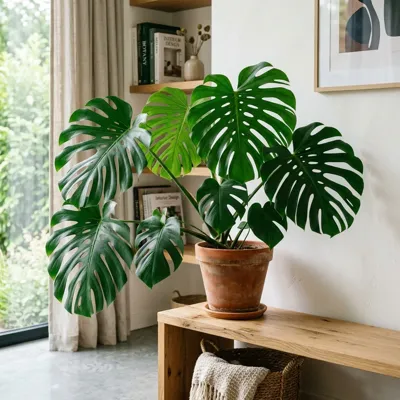
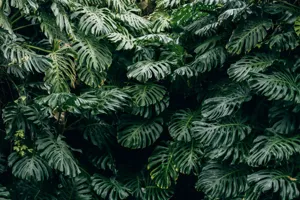
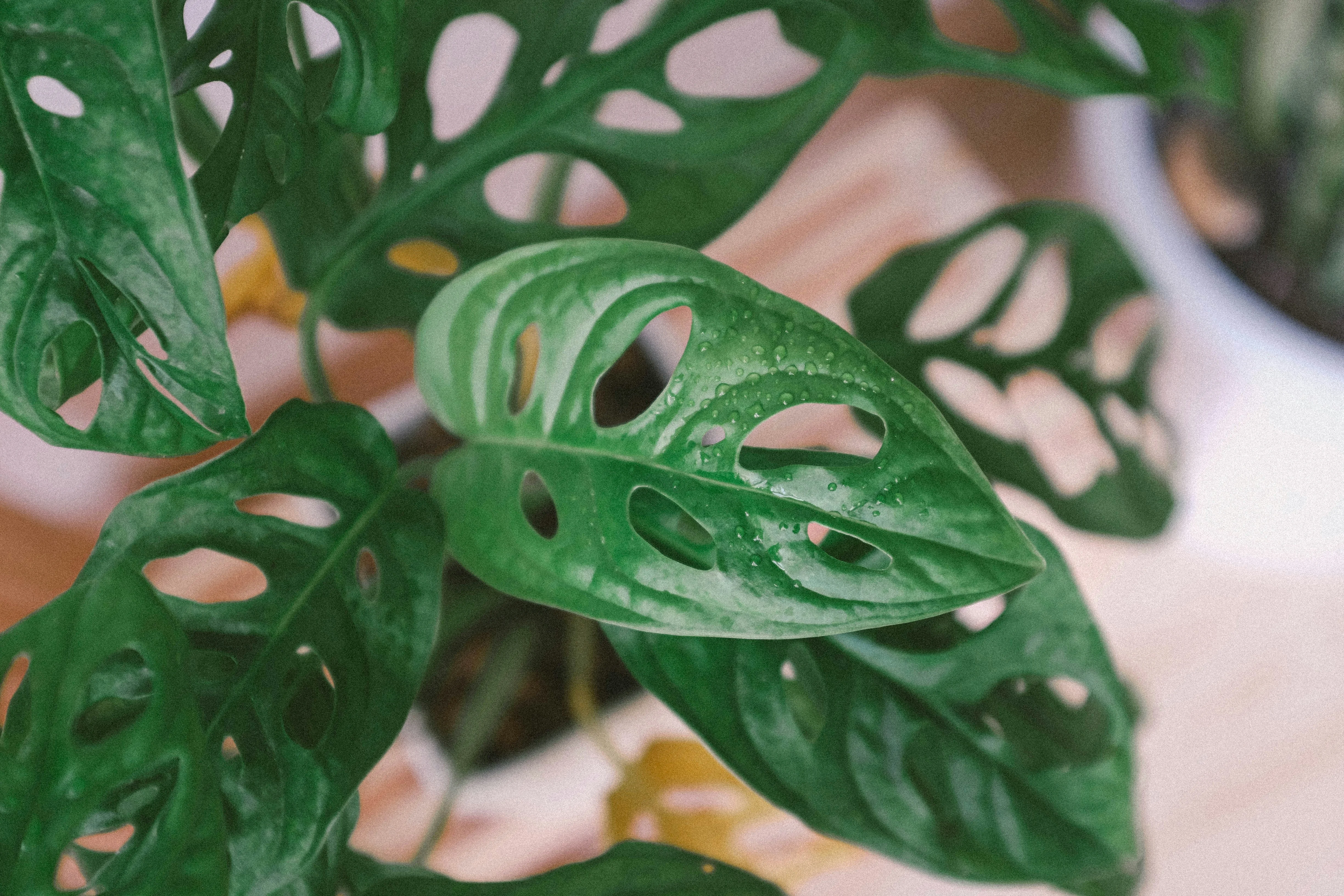
Swiss Cheese Vine (Monstera adansonii) is a tropical climbing vine valued for its heart-shaped leaves decorated with natural holes and elongated fenestrations. It is a vigorous grower when provided with warmth, bright indirect light, adequate moisture, and humidity. The plant naturally climbs using aerial roots, although it can also be grown as a trailing vine. Its main care challenges are avoiding waterlogged soil, maintaining sufficient humidity, and providing appropriate support as the stems become longer.
Watering
Water Swiss Cheese Vine when the upper portion of the growing medium has dried, then water thoroughly until excess drains freely from the container. Avoid keeping the soil continuously saturated because prolonged wetness can contribute to root problems. During warm, bright periods of active growth, the plant may require more frequent watering. Allow the growing medium to dry somewhat more between waterings when temperatures and light levels decline.
Light
Provide Swiss Cheese Vine with bright indirect or filtered light for vigorous growth and well-developed foliage. It can tolerate moderate light, but insufficient light may result in slower growth, smaller leaves, and longer spaces between leaves. Avoid prolonged intense direct afternoon sunlight, which can scorch the foliage. A bright position near a window protected from harsh direct sun is generally suitable.
Soil
Use a loose, well-draining and well-aerated growing medium that retains moderate moisture without becoming saturated. A quality tropical houseplant mix containing organic material combined with components that improve drainage and airflow can work well. Avoid dense soil that stays wet for extended periods, and use a container with drainage holes to help protect the root system.
Temperature
Swiss Cheese Vine prefers warm, stable conditions and generally grows well around 18–27°C (65–81°F). Protect it from cold drafts, sudden temperature changes, and prolonged exposure to temperatures near freezing. Keep it away from frequently opened exterior doors and strong heating or cooling vents that can create rapid changes in temperature and humidity.
Humidity
Swiss Cheese Vine benefits substantially from moderate to high humidity, which preserves its delicate leaf windows and lush green color. While it adapts to average indoor air, running a humidifier or placing it in a well-lit bathroom encourages vigorous vining and larger leaves.
Fertilizer
Feed Swiss Cheese Vine during active growth with a balanced houseplant fertilizer according to the product instructions. Because it can grow vigorously under favorable conditions, regular moderate feeding can support continued vine and leaf production. Avoid excessive fertilizer, which can contribute to salt buildup and root stress. Reduce or pause feeding during periods of low light or slow growth.
Repotting
Repot Swiss Cheese Vine when roots have substantially filled the container, the plant dries out unusually quickly, growth has slowed because of root crowding, or the growing medium has deteriorated. Move the plant into a container only moderately larger than the current one and use fresh, well-draining mix. Because the vine can grow quickly, younger plants may need repotting sooner than established specimens.
Growth
Swiss Cheese Vine produces long, flexible stems that naturally climb through vegetation in its native environment. As the plant matures and receives suitable support, leaves can become larger and develop more pronounced fenestrations. Growth is generally fastest in warm, bright conditions and slows when light or temperature declines. Without support, the stems can trail and become increasingly elongated.
Support
Provide Swiss Cheese Vine with a moss pole, coir pole, trellis, or another sturdy vertical structure if you want it to climb. Its aerial roots can help anchor the plant to suitable support. Climbing encourages a more natural growth habit and can contribute to larger, more mature foliage. A trailing plant can still grow successfully, but its leaves may remain smaller and the stems may become longer and more widely spaced.
Pruning
Pruning is useful for controlling the length of Swiss Cheese Vine, encouraging branching, and maintaining a fuller appearance. Use clean, sharp scissors or pruners to cut just above a healthy node. Long stems can be shortened and healthy cut sections can be used for propagation. Remove damaged or diseased foliage as needed, but avoid removing large amounts of healthy growth at once.
Propagation
Swiss Cheese Vine is readily propagated from stem cuttings containing at least one viable node. Cut below a node and root the cutting in water, sphagnum, or another suitable propagation medium under warm conditions and bright indirect light. Once a healthy root system develops, transfer the cutting to a well-draining tropical houseplant mix. Keep newly established cuttings evenly moist while they adapt to their new growing medium.
Fenestration
The holes and splits in Swiss Cheese Vine leaves are natural fenestrations and are one of the plant's defining features. Young plants and juvenile leaves may have fewer or different fenestrations than mature foliage. Strong indirect light, adequate nutrition, warmth, and suitable climbing conditions support mature growth, but individual leaves can vary. A plant does not necessarily develop identical fenestrations on every new leaf.
CommonProblems
Small leaves, long spaces between leaves, and weak stems can occur when light is insufficient or the plant lacks suitable climbing support. Yellowing leaves can be associated with excessive moisture or root problems, while brown edges may result from dry air, inconsistent watering, or environmental stress. Sudden leaf decline can follow major changes in light, temperature, watering, or location. Check the growing medium, light, humidity, and support before making several changes at once.
SeasonalCare
Swiss Cheese Vine generally grows most actively during warm, bright periods and may use water and nutrients more quickly during this time. When light levels and temperatures decline, growth slows and the growing medium may remain moist for longer. Adjust watering accordingly and reduce or pause fertilizer when growth becomes minimal. Protect the plant from cold drafts and sudden winter temperature changes.
OutdoorCare
Swiss Cheese Vine can be grown outdoors in warm, frost-free climates where it receives bright filtered light or partial shade and has consistently well-draining soil. Plants moved outdoors from indoor conditions should be acclimated gradually to stronger light and increased airflow. Protect the foliage from intense direct sunlight and prolonged cold. In cooler climates, container-grown plants should be brought indoors before temperatures become unsuitable.
Toxicity
Swiss Cheese Vine contains insoluble calcium oxalate crystals and is toxic if chewed or ingested. Contact with the plant can cause irritation, while ingestion can cause oral discomfort and other symptoms. Keep the plant away from pets and children who may chew the leaves or stems, and wash hands after handling if irritation occurs.
Troubleshooting & Diagnostics Guide
1 Why are the leaves on my Monstera Adansonii turning yellow?
Diagnosis: Overwatering – root rot
Treatment: Allow soil to dry; reduce watering; check roots.
Prevention: Water when top 2 inches are dry.
2 Why is my Adansonii growing small leaves?
Diagnosis: Insufficient light or lack of nutrients
Treatment: Move to brighter indirect light; fertilise monthly in growing season.
Prevention: Provide bright indirect light and regular feeding.
3 Why are the leaves turning brown and crispy?
Diagnosis: Low humidity or dry air
Treatment: Increase humidity; mist regularly; keep away from vents.
Prevention: Maintain moderate humidity.
Authoritative Resources
For additional peer-reviewed information on plant diseases, toxicity, and care, consult these trusted botanical and agricultural extensions:
Frequently Asked Questions
Why doesn't my Swiss Cheese Vine have holes in its leaves?
Does Swiss Cheese Vine need a moss pole?
How often should I water Swiss Cheese Vine?
How fast does Swiss Cheese Vine grow?
How do I make my Swiss Cheese Vine leaves bigger?
Can Swiss Cheese Vine grow as a trailing plant?
How do I propagate Swiss Cheese Vine?
Why are my Swiss Cheese Vine leaves turning yellow?
Does Swiss Cheese Vine need high humidity?
Can Swiss Cheese Vine grow in low light?
Is Swiss Cheese Vine toxic to cats and dogs?
Can Swiss Cheese Vine be grown outdoors?
Explore More