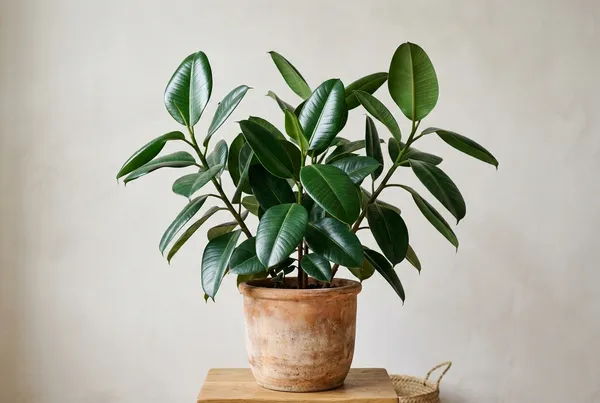
Fiddle Leaf Fig Care Guide
Diagnose and treat fiddle leaf fig problems like brown spots, leaf drop and slow growth with the right light, watering and humidity levels.
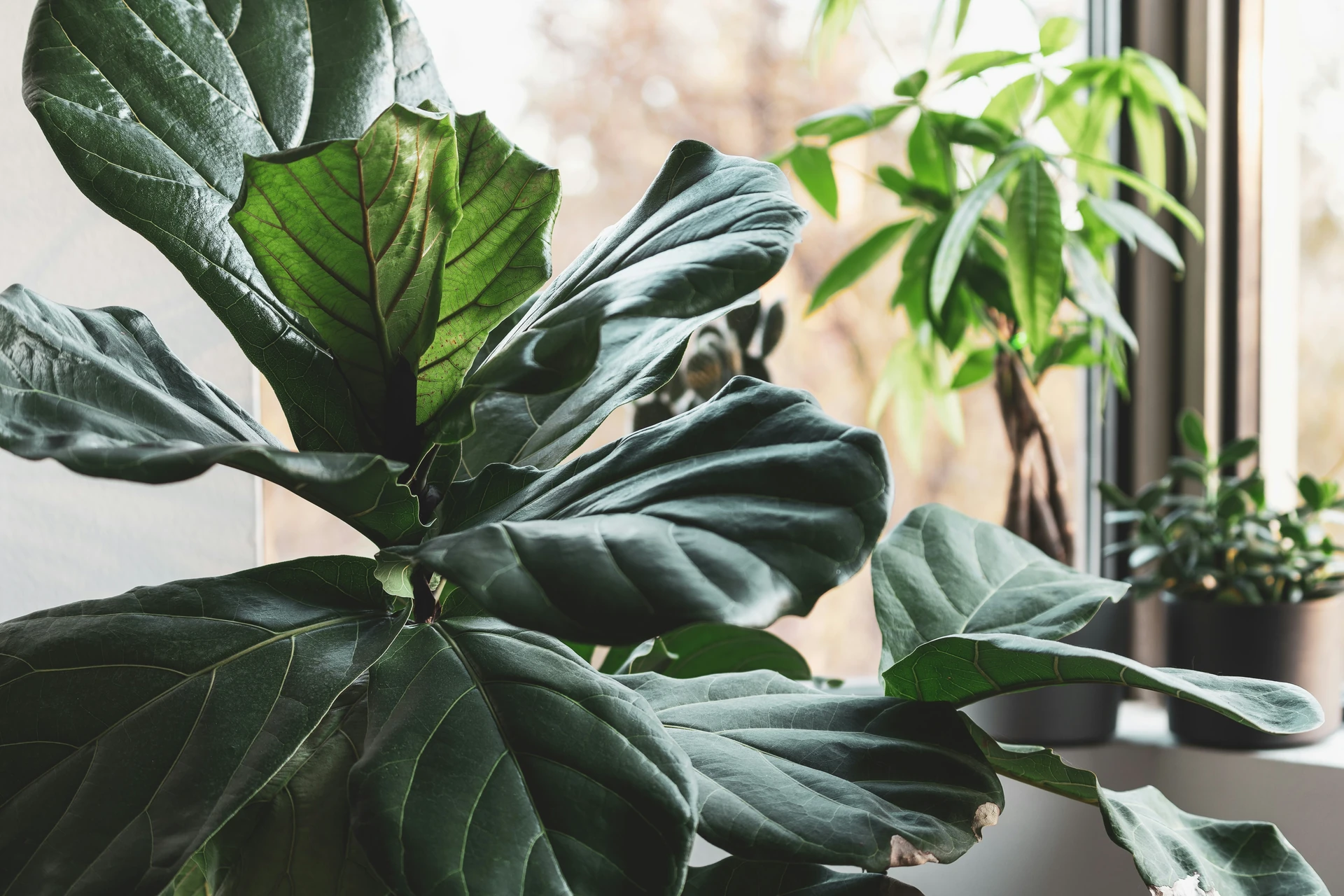
-
Difficulty
Medium
-
Light
Bright indirect
-
Temperature
65°F - 75°F (18°C - 24°C)
-
Growth
Moderate
-
Expert Insight
Master-grower data coming soon.
-
Common Mistake
Real-world care data coming soon.
-
Environment
Real-world conditions coming soon.
Quick Answer
Fiddle Leaf Fig needs bright, indirect light, consistent watering only when the top 2-3 inches of soil are dry, and stable humidity above 40%. Brown spots usually indicate overwatering or root stress, while leaf drop often follows sudden changes in light, temperature, or drafts. Consistency in care matters more than any single factor.
Key Takeaways
- Water only when the top 2-3 inches of soil feel dry to the touch.
- Provide bright, indirect light and avoid cold drafts or heating vents.
- Keep the plant in a stable spot, since it dislikes being moved frequently.
- Brown spots on the leaves typically signal overwatering or inconsistent root moisture.
- Maintain humidity above 40% for the healthiest, most consistent growth.
Watering
Water Fiddle Leaf Fig thoroughly until water exits the pot base, then allow the upper soil layer to dry before watering again. Consistent soil moisture balance is critical—avoid letting the root ball dry out completely or sit in standing water, as both extremes trigger leaf browning and drop.
Winter Care
During winter, Fiddle Leaf Figs typically experience a seasonal growth slowdown. Maximize available bright light to compensate for shorter days, but avoid sudden changes in placement or unnecessary relocation, as they can be sensitive to environmental shifts. Keep the plant away from cold drafts and heating vents. Check the soil before watering and allow the upper portion to dry between waterings, adjusting frequency to match the plant's reduced winter water use. Reduce or pause fertilizer when active growth stalls. Maintain adequate humidity to reduce dry-air stress, and monitor for leaf drop or other signs of stress as indoor conditions change.
Structured Plant Data
Plant Data Profile
The following data is extracted directly from our botanical knowledge graph for accuracy and transparency.
Environmental Parameters
| Parameter | Recommended | Survivable |
|---|---|---|
| Temperature | 65°F - 75°F (18°C - 24°C) | 55°F - 85°F (13°C - 29°C) |
Troubleshooting & Diagnostics Guide
1 Why is my Fiddle Leaf Fig dropping leaves?
Diagnosis: Environmental shock, overwatering, or dry air
Treatment: Stabilize environment; water when top 2 inches dry; increase humidity.
Prevention: Keep consistent care; avoid sudden changes.
2 Why are there brown spots on the leaves?
Diagnosis: Root rot from overwatering
Treatment: Reduce watering; inspect roots; repot in dry soil if rot is present.
Prevention: Water only when soil is dry.
3 Why are the leaves curling?
Diagnosis: Underwatering or low humidity
Treatment: Water thoroughly; increase humidity with a humidifier.
Prevention: Maintain consistent moisture and moderate humidity.
4 Brown spots with yellow halos
Diagnosis: Bacterial leaf spot (often Xanthomonas) triggered by overwatering and poor airflow.
Treatment: Remove affected leaves with sterile shears, improve air circulation, and reduce watering frequency.
Prevention: Maintain optimal care conditions.
5 Soft brown patches on lower leaves
Diagnosis: Root rot due to anaerobic, waterlogged soil.
Treatment: Unpot the plant, trim away black or mushy roots, and repot in a fresh, fast-draining aroid mix.
Prevention: Maintain optimal care conditions.
6 Crispy brown leaf edges
Diagnosis: Low atmospheric humidity (below 40%) or severe underwatering.
Treatment: Increase relative humidity using an ultrasonic room humidifier and ensure thorough, deep waterings.
Prevention: Maintain optimal care conditions.
7 Dropping lower leaves
Diagnosis: Sudden environmental shift, such as cold drafts, relocation shock, or heating vent exposure.
Treatment: Move the plant to a stable environment away from drafts and vents, and avoid further relocation.
Prevention: Maintain optimal care conditions.
8 Dropping new or upper leaves
Diagnosis: Severe underwatering or extreme lack of light.
Treatment: Check soil moisture deep in the pot and ensure the plant is receiving bright indirect light.
Prevention: Maintain optimal care conditions.
9 Reddish-brown dots on new leaves
Diagnosis: Edema (cells bursting from rapid water uptake).
Treatment: Ensure consistent watering practices. The spots typically fade harmlessly as the leaf matures.
Prevention: Maintain optimal care conditions.
10 Fine webbing under leaves
Diagnosis: Spider mites, which thrive in hot, dry indoor air.
Treatment: Wipe leaves with a damp cloth, apply insecticidal soap or neem oil, and increase ambient humidity.
Prevention: Maintain optimal care conditions.
11 White cottony masses in leaf crevices
Diagnosis: Mealybugs.
Treatment: Dab pests with a cotton swab soaked in 70% isopropyl alcohol, then treat the plant with horticultural oil.
Prevention: Maintain optimal care conditions.
12 Small brown, raised bumps on stems and leaves
Diagnosis: Scale insects.
Treatment: Physically remove the bumps and treat the foliage consistently with an appropriate systemic or topical insecticidal soap.
Prevention: Maintain optimal care conditions.
13 Pale, small new growth
Diagnosis: Nutrient deficiency or insufficient light.
Treatment: Supplement with a balanced liquid fertilizer during the growing season and move closer to a bright window.
Prevention: Maintain optimal care conditions.
Authoritative Resources
For additional peer-reviewed information on plant diseases, toxicity, and care, consult these trusted botanical and agricultural extensions:
Frequently Asked Questions
How often should I water my Fiddle Leaf Fig?
Why are the leaves falling off my Fiddle Leaf Fig?
Is the Fiddle Leaf Fig safe for cats and dogs?
What is the best soil for a Ficus lyrata?
Why does my Fiddle Leaf Fig have brown crispy edges?
How do I branch or prune a Fiddle Leaf Fig?
Can Ficus lyrata survive in low light?
Why are there little red spots on new leaves?
When should I repot my Fiddle Leaf Fig?
How do I propagate a Fiddle Leaf Fig?
Explore More