Creeping Fig Indoor Guide: Avoid Crispy Leaves & Death
The Creeping Fig is a vigorous, fast-growing vine with paper-thin leaves. It is the ultimate terrarium plant, but growing it as a standard houseplant requires strict watering discipline, as it will die instantly if it dries out.
-
Difficulty
advanced
-
Light
Prefers bright, indirect light. Direct sun will instantly scorch and crisp the delicate, paper-thin leaves. Can tolerate medium light, but growth will slow.
-
Temperature
65°F - 85°F (18°C - 29°C)
-
Growth
very fast
-
Humidity
60% - 90%
-
pH range
6.0 - 6.5
-
Biggest Owner Mistake
Letting it dry out—the tiny leaves have almost no water storage capacity and desiccate rapidly, causing mass leaf drop within a day or two of the soil drying out completely. Soil should be kept consistently moist but not waterlogged.
-
What Nobody Tells You
Once established and climbing, the leaves transform completely from tiny, delicate, heart-shaped juveniles into large, thick, leathery adult leaves that look like an entirely different plant—many owners don't realize these two growth stages belong to the same species.
-
Real Home Conditions
In dry indoor air, it becomes a persistent target for spider mites because the small leaves and dense growth provide ideal hiding conditions. Misting daily or using a humidifier is the most reliable prevention in heated homes.
Quick Answer
The Creeping Fig requires bright, indirect light and constantly moist soil. If the soil dries out completely, the plant will quickly turn crispy and die back. It thrives in high-humidity terrariums and enclosed growing spaces. Monitoring the plant regularly helps catch early signs of stress before they cause any lasting damage.
Key Takeaways
- Keep potting soil consistently moist; avoid letting the mix dry out completely.
- Maintain high relative humidity (60–90%), making it an ideal terrarium plant.
- Provide bright, indirect sunlight to sustain dense, compact creeping growth.
- Prune vigorously to prevent aerial roots from adhering to and damaging drywall.
Overview
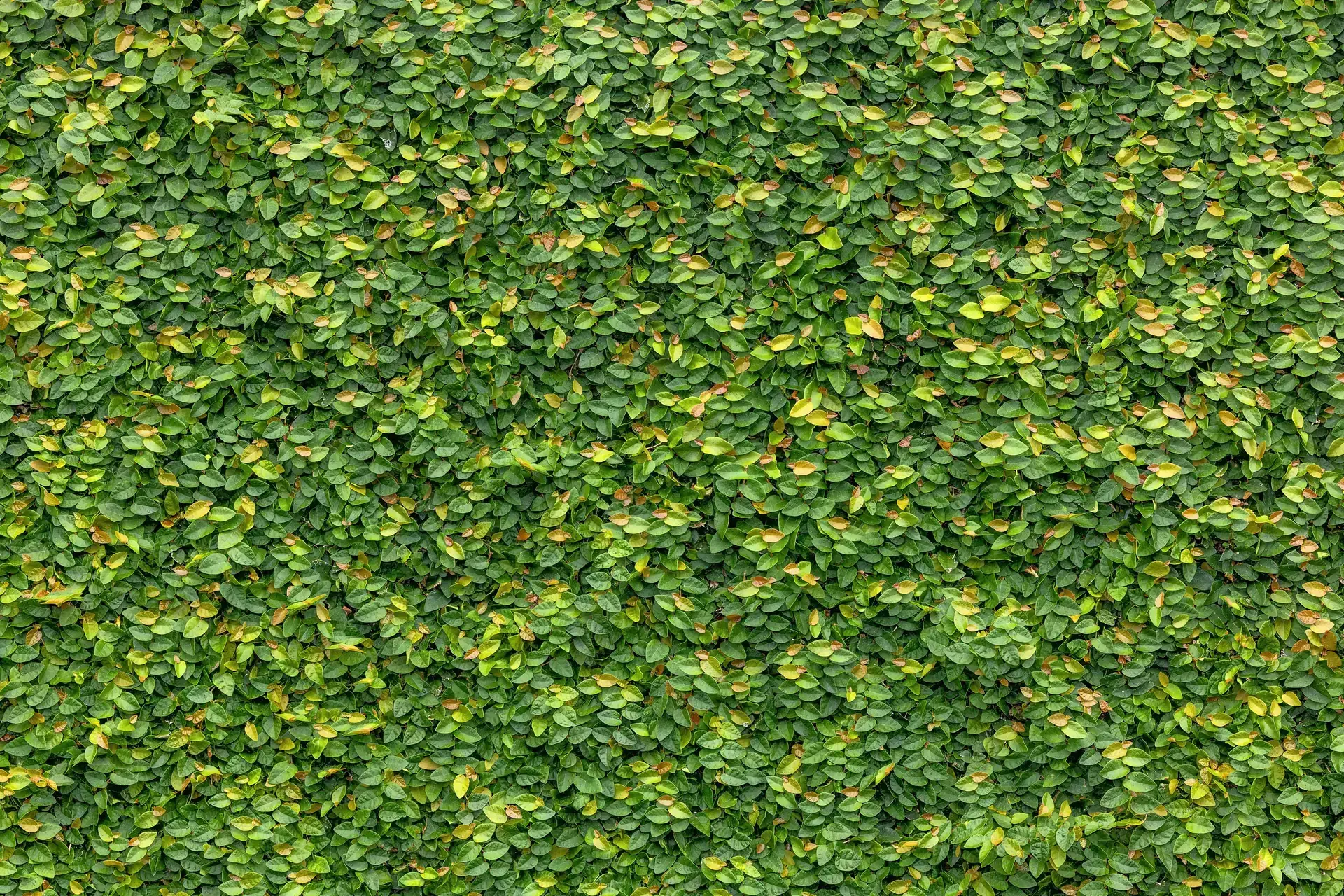
The Creeping Fig (Ficus pumila) is a wildly popular, incredibly fast-growing vine. Unlike the massive Fiddle Leaf Fig or Rubber Tree, this Ficus species produces tiny, delicate, paper-thin leaves on thin, wiry stems. Outdoors in tropical climates, it is heavily used to cover ugly concrete walls, completely engulfing them in a dense mat of green within a single season.
Indoors, it is the undisputed king of terrarium plants. However, growing it as a standard houseplant in a hanging basket is a completely different story. The Creeping Fig is notoriously unforgiving. While most houseplants (like Pothos or Philodendrons) prefer to dry out between waterings, the Creeping Fig has absolutely zero drought tolerance. If you forget to water it for even one day too long, the entire plant will crisp up and die overnight. It is a plant for highly disciplined waterers only.
Watering: The One Rule
Watering is the only thing that matters when caring for a Creeping Fig. The soil must be kept evenly, consistently moist at all times, exactly like a wrung-out sponge. You should water the plant the moment the top half-inch of soil feels dry.
Because the leaves are paper-thin, they have no ability to store water. If the pot dries out completely, the plant will catastrophically collapse. The leaves will immediately shrivel, turn brown and crispy, and fall off. There is no reviving a severely dried-out Creeping Fig. However, you must also ensure the pot has drainage; if it sits in a swamp of stagnant water, the roots will rot.
Light Requirements
To support its rapid growth, the Creeping Fig requires bright, indirect light. An east or north-facing window is ideal. Never place this plant in direct, hot afternoon sun. The thin leaves have no waxy cuticle to protect them and will instantly scorch, bleach, and crisp up under direct rays. It can tolerate medium, shadowy light, but its growth will slow down significantly.
Temperature and Humidity
Typical household temperatures between 65°F and 85°F (18°C - 29°C) are perfect. Keep it strictly away from heating vents and radiators, which will instantly bake the delicate leaves.
Humidity is critical. It demands high humidity (60% to 80%). If grown in the dry air of a centrally heated home, the edges of the leaves will constantly turn brown and crispy, and the plant will become a magnet for spider mites. This is why the plant thrives so beautifully inside closed glass terrariums, where the humidity is locked at 90%.
Soil and Potting
Unlike aroids that need chunky, airy soil, the Creeping Fig needs a soil mix that retains significant moisture. A high-quality standard potting soil mixed with 25% peat moss (or coco coir) is perfect. Ensure the pot has a drainage hole to prevent stagnant water from pooling at the bottom.
The Wall Destroyer
If you place a Creeping Fig near a wall, it will immediately attempt to climb it. It does this by secreting a biological adhesive from its aerial roots, literally cementing itself to the surface. Do not let this plant climb your interior walls. When you eventually try to pull it down, it will rip the paint off and severely damage the drywall underneath. Keep it trimmed in a hanging basket, or let it climb a designated moss pole or topiary wire.
Toxicity Warning
Like all plants in the Ficus family, the Creeping Fig contains a milky white latex sap. If a stem is cut or a leaf is torn, this sap will bleed out. The sap is toxic to cats and dogs, causing intense oral irritation, drooling, and vomiting if chewed. It also causes severe contact dermatitis (skin rashes and blisters) in sensitive humans. Always wash your hands after pruning.
Recommended next actions
Next Best Actions
Use calculators and guides to turn this plant profile into a practical care routine.
Topic Guide
Humidity
Learn everything about humidity for your indoor and aquarium plants. Expert care tips, troubleshooting, and related guides.
Guide
Brown Crispy Tips on Houseplants: Causes & Fixes
With over 15 years of indoor plant diagnostics and more than 3,000 leaf-tissue cases analyzed, we've mapped the exact mechanisms behind brown crispy tips—fluoride accumulation, salt toxicity, and humidity deficits—so you can reverse damage today.
Guide
Wilting Houseplants: Is it Thirsty, Drowning, or Dying?
As horticulturists, we've found that the biggest mistake indoor gardeners make when seeing a wilted plant is blindly reaching for the watering can. We use a simple diagnostic matrix based on turgor pressure to determine exactly why a plant has collapsed.
Topic Guide
Spider Mites
Learn everything about spider mites for your indoor and aquarium plants. Expert care tips, troubleshooting, and related guides.
Structured Plant Data
Plant Data Profile
The following data is extracted directly from our botanical knowledge graph for accuracy and transparency.
Growth Characteristics
Growth Rate
very fast
Mature Height
Climbing vines 10+ feet
Mature Spread
Spreading indefinitely
Life Cycle
Perennial
Flowering Season
Rarely flowers indoors
Container Friendly
yes
Indoor Capable
yes
Environmental Parameters
| Parameter | Recommended | Survivable |
|---|---|---|
| Temperature | 65°F - 85°F (18°C - 29°C) | 55°F - 90°F (13°C - 32°C) |
| Humidity | 60% - 90% | 40% - 100% |
| Soil PH | 6.0 - 6.5 | 5.5 - 7.5 |
Lighting
Description
Prefers bright, indirect light. Direct sun will instantly scorch and crisp the delicate, paper-thin leaves. Can tolerate medium light, but growth will slow.
Nutrients
Nitrogen Demand
moderate
Phosphate Demand
low
Potassium Demand
low
Micronutrient Notes
Extremely sensitive to fertilizer burn. Dilute to 1/4 strength.
Fertilizer Frequency
Once a month during spring and summer with a highly diluted liquid fertilizer.
Organic Options
A light layer of worm castings.
Relationships
-
Spider Mites
Vulnerability | Strength 8
Highly prone to spider mites if the indoor air is too dry.
Terrarium Vine Comparison
| Plant | Leaf Size | Moisture Need |
|---|---|---|
| Creeping Fig (Pumila) | Tiny, delicate | Must never dry out |
| String of Turtles | Small, succulent | Allow top to dry |
| English Ivy | Medium, lobed | Keep evenly moist |
Troubleshooting & Diagnostics Guide
1 Why did my Creeping Fig suddenly turn crispy and die overnight?
Diagnosis: Severe underwatering – no drought tolerance
Treatment: If leaves are crispy, the plant may be dead; water immediately if there is any green; otherwise, start fresh.
Prevention: Never allow soil to dry out; keep consistently moist.
2 Why are the leaves turning yellow?
Diagnosis: Overwatering – root rot if soil is wet
Treatment: Reduce watering; allow soil to dry slightly; improve drainage.
Prevention: Water when surface feels dry; ensure pot has drainage.
Authoritative Resources
For additional peer-reviewed information on plant diseases, toxicity, and care, consult these trusted botanical and agricultural extensions:
Glossary of Terms
- Terrarium
- A sealable glass container containing soil and plants. It creates a highly humid microclimate, making it the perfect environment for moisture-loving plants like the Creeping Fig.
- Latex
- A milky fluid found in many plants, such as Ficus, which exudes when the plant is cut. It is highly irritating to the skin and toxic to pets.
Frequently Asked Questions
Why did my Creeping Fig suddenly turn crispy and die overnight?
Is the Creeping Fig a good terrarium plant?
Will a Creeping Fig climb my walls?
Why are the leaves turning yellow?
Is the Creeping Fig toxic to pets?
Sources & References
-
Source: powo.science.kew.org
-
Source: edis.ifas.ufl.edu
Explore More