Ficus Bambino Care: The Apartment-Sized Fiddle Leaf
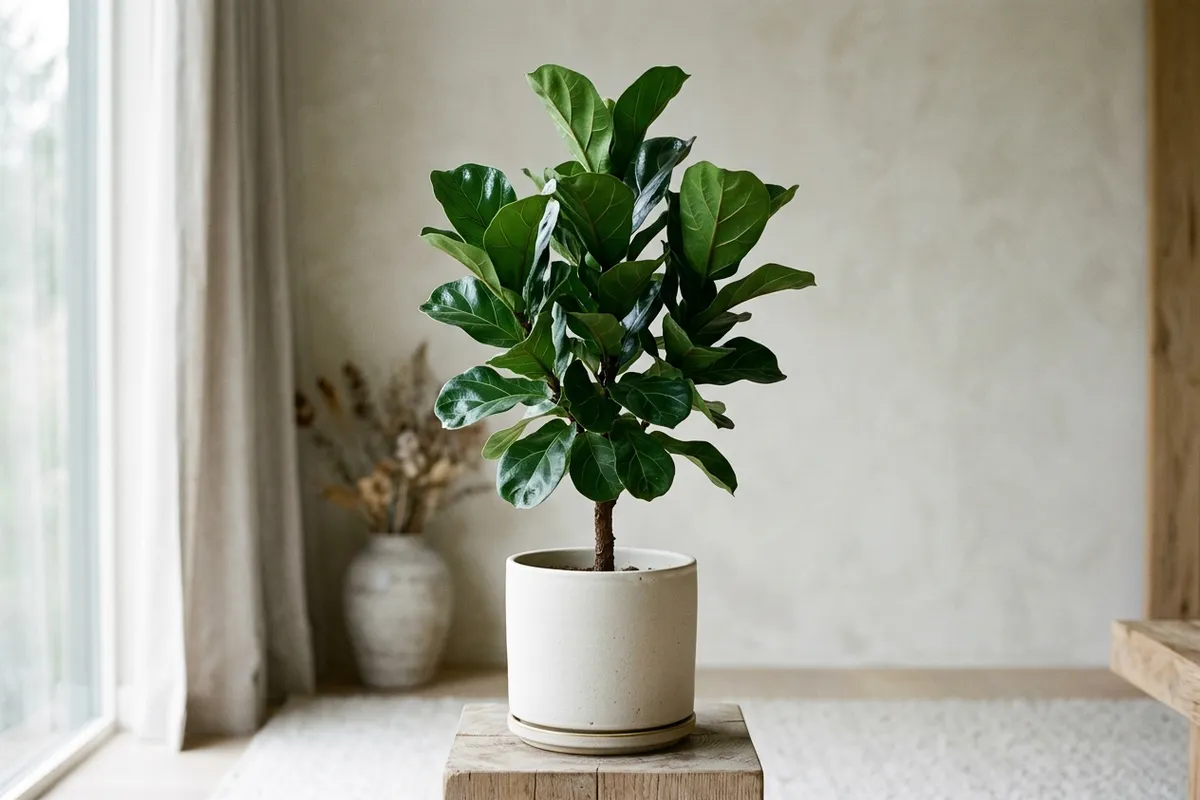
The Ficus Bambino is a dwarf cultivar that provides the iconic look of a Fiddle Leaf Fig without taking over your apartment. However, it shares the exact same dramatic, finicky care requirements.
-
Difficulty
advanced
-
Light
Requires an immense amount of light. Without hours of bright, indirect light and a few hours of direct morning sun, the plant will rapidly drop its lower leaves and refuse to grow.
-
Temperature
65°F - 85°F (18°C - 29°C)
-
Growth
moderate
-
Humidity
50% - 80%
-
pH range
6.0 - 6.5
-
Biggest Owner Mistake
Watering on a fixed schedule rather than checking soil moisture—fiddle leaf figs need the top 1–2 inches to dry out between waterings, and overwatering causes brown spots that originate in the middle of the leaf (not the edges), which is a distinct sign of root damage. Underwatering produces edge browning instead.
-
What Nobody Tells You
The 'dwarf' designation describes its bushier growth habit and smaller leaf size compared to standard fiddle leaf, not a true genetic miniaturization—given time, light, and space, it will still grow several feet tall. Expect a compact, slower-growing tree, not a permanent desk plant.
-
Real Home Conditions
Near AC vents or drafty windows, it drops lower leaves and refuses to push out new growth because the cold airflow mimics winter conditions and triggers a stress response. Stable temperatures and no cold drafts are essential for consistent growth.
Quick Answer
The Dwarf Fiddle Leaf Fig (Bambino) requires maximum bright light and a strict watering routine. It will drop leaves if placed in a draft, if overwatered, or if moved frequently, so find a stable spot and keep it there. We have found that maintaining a consistent care routine significantly improves the long-term health of the plant.
Key Takeaways
- Provide bright, indirect light within 1 to 2 meters of a sunny window.
- Water only when the top 2 to 3 inches of potting substrate feel completely dry.
- Maintain a fixed position, as moving the plant frequently triggers leaf drop.
- Inspect new leaves for edema spots caused by irregular moisture swings.
Overview
The standard Fiddle Leaf Fig (Ficus lyrata) has dominated interior design for the last decade, but it comes with a major problem: it wants to become a massive 10-foot tree. For millions of indoor gardeners living in apartments or smaller homes, this simply isn't feasible. Enter the Ficus lyrata 'Bambino', commonly known as the Dwarf Fiddle Leaf Fig.
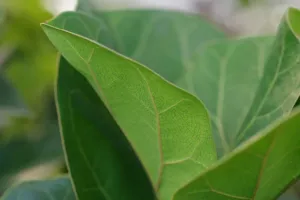
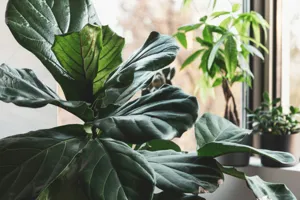
The Bambino maxes out at a very manageable 3 to 4 feet tall. Its leaves are smaller, thicker, and grow more compactly along the trunk, making it the perfect tabletop or small floor plant. However, do not let its small size fool you—it shares the exact same dramatic, finicky, and unforgiving care requirements as its giant cousin. It despises being moved, throws fits if exposed to drafts, and will rapidly drop its leaves if watering is inconsistent.
Light Requirements: Maximum Exposure
Like all Ficus trees, the Bambino is a high-light plant. It requires placement directly in front of the largest, brightest window in your home. A south-facing or east-facing window is ideal. It can easily handle a few hours of direct morning sun. If you place a Bambino in a dim corner, it will immediately stop growing, and within a few weeks, it will begin dropping its lower leaves one by one as it slowly starves to death.
Important: Because the leaves are large and slightly cupped, they collect dust rapidly. Dust blocks sunlight from reaching the chloroplasts. You must wipe the leaves down with a damp cloth every two weeks to keep the plant photosynthesizing efficiently.
Watering: Avoiding Edema and Root Rot
Watering a Bambino requires precision. The soil must be allowed to dry out significantly, but not completely. Wait until the top 3 inches of soil feel dry to the touch before watering. When you water, soak the pot thoroughly, but absolutely ensure it is not sitting in a tray of standing water afterward.
Inconsistent watering (letting the plant get bone dry and then dumping massive amounts of water on it) leads to a condition called edema. The plant absorbs water faster than the leaves can handle it, causing plant cells to burst and leaving tiny red or brown dots all over the new growth. Overwatering, on the other hand, leads straight to root rot, which manifests as massive, ugly black/brown patches spreading across the mature leaves.
Temperature and Humidity
This is a tropical tree that hates the cold. Maintain temperatures between 65°F and 85°F (18°C - 29°C). Keep it far away from exterior doors, drafty winter windows, or the direct blast of an air conditioning vent. A sudden draft will cause the plant to go into shock and drop healthy green leaves overnight. It appreciates higher humidity (around 50-60%), so a nearby humidifier during the dry winter months is highly recommended.
Soil and Potting
Standard indoor potting soil holds water for far too long and will eventually suffocate the roots. You must use a chunky, fast-draining mix. Amending a high-quality potting soil with 30-40% perlite and some coarse orchid bark will provide the perfect balance of moisture retention and aeration.
The "Do Not Move" Rule
Ficus trees acclimate to their specific lighting environment. Once you find a bright window where your Bambino is happy and pushing out new growth, do not move it. Even moving it to the other side of the room can trigger enough stress to cause a massive leaf-dropping event as it attempts to recalibrate to the new light angle. If you must move it, do so very gradually over several weeks.
Toxicity Warning
Like all plants in the Ficus family, the Bambino contains a milky white latex sap inside its stems and leaves. If a leaf is torn or a stem is cut, this sap will bleed out. The sap is toxic to cats and dogs, causing intense oral irritation, drooling, and vomiting if chewed. It can also cause skin irritation in sensitive humans, so wash your hands after pruning.
Recommended next actions
Next Best Actions
Use calculators and guides to turn this plant profile into a practical care routine.
Topic Guide
Watering
Learn everything about watering for your indoor and aquarium plants. Expert care tips, troubleshooting, and related guides.
Plant Guide
Fiddle Leaf Fig
Diagnose and treat fiddle leaf fig problems like brown spots, leaf drop and slow growth with the right light, watering and humidity levels.
Guide
Brown Crispy Tips on Houseplants: Causes & Fixes
With over 15 years of indoor plant diagnostics and more than 3,000 leaf-tissue cases analyzed, we've mapped the exact mechanisms behind brown crispy tips—fluoride accumulation, salt toxicity, and humidity deficits—so you can reverse damage today.
Topic Guide
Root Rot
Learn how to identify and treat root rot in houseplants. Discover causes, symptoms, and step-by-step solutions to save your plants from overwatering.
Structured Plant Data
Plant Data Profile
The following data is extracted directly from our botanical knowledge graph for accuracy and transparency.
Growth Characteristics
Growth Rate
moderate
Mature Height
3-4 feet indoors
Mature Spread
1-2 feet
Life Cycle
Perennial
Flowering Season
Rarely flowers indoors
Container Friendly
yes
Indoor Capable
yes
Environmental Parameters
| Parameter | Recommended | Survivable |
|---|---|---|
| Temperature | 65°F - 85°F (18°C - 29°C) | 60°F - 95°F (15°C - 35°C) |
| Humidity | 50% - 80% | 30% - 90% |
| Soil PH | 6.0 - 6.5 | 5.5 - 7.0 |
Lighting
Description
Requires an immense amount of light. Without hours of bright, indirect light and a few hours of direct morning sun, the plant will rapidly drop its lower leaves and refuse to grow.
Nutrients
Nitrogen Demand
high
Phosphate Demand
moderate
Potassium Demand
high
Micronutrient Notes
Requires regular feeding to support the development of its large, thick leaves.
Fertilizer Frequency
Once a month during spring and summer with a high-nitrogen liquid fertilizer.
Organic Options
Monthly top dressing of worm castings.
Relationships
-
Root Rot
Vulnerability | Strength 9
Extremely vulnerable to root rot if overwatered. Root rot immediately manifests as large, dark brown spots in the center of the leaves.
Ficus Lyrata Variety Comparison
| Variety | Max Height (Indoor) | Leaf Spacing |
|---|---|---|
| Standard Fiddle Leaf | 8-10+ feet | Widely spaced, leggy potential |
| Bambino (Dwarf) | 3-4 feet | Very compact and close together |
| Compacta | 5-6 feet | Medium spacing |
Authoritative Resources
For additional peer-reviewed information on plant diseases, toxicity, and care, consult these trusted botanical and agricultural extensions:
Glossary of Terms
- Edema
- A condition in plants caused by the roots taking up water faster than the leaves can transpire it, resulting in burst cells that look like small red or brown blisters on the foliage.
- Cultivar
- A plant variety that has been produced in cultivation by selective breeding. 'Bambino' is a cultivar selectively bred for its small size.
Frequently Asked Questions
What is the difference between a Fiddle Leaf Fig and a Bambino?
Why is my Dwarf Fiddle Leaf Fig dropping healthy green leaves?
Why are there dark brown spots on the leaves?
Why are there tiny red spots on the new leaves?
Is the Ficus Bambino safe for cats?
Sources & References
-
Source: powo.science.kew.org
-
Source: edis.ifas.ufl.edu
Explore More