How to Acclimate a New Houseplant After Shipping
Got a houseplant in the mail or brought one home from a nursery? Transit can leave it droopy or stressed. This guide shows how to unpack and inspect it, transition light and moisture safely, quarantine for pests, and tell normal shipping stress from real plant health problems.
Quick Answer
When a new houseplant arrives, unpack it right away, photograph any damage, and check soil moisture by touch before watering. Place it in bright, indirect light at a stable 65–75°F (18–24°C), quarantine it for 2 to 4 weeks to watch for hidden pests, and hold off on repotting and fertilizing until it shows new growth. Mild droop or a few yellow lower leaves usually settle within 2 to 5 days.
Key Takeaways
- Unpack newly delivered plants right away to restore airflow and light, and photograph any damage before you change anything.
- Check soil moisture by touch before watering; do not water automatically on arrival.
- Use bright, indirect light for the first several days and avoid harsh direct sun.
- Mild droop, dullness, or 1 to 2 lost lower leaves usually ease within 2 to 5 days of correct care.
- Quarantine new plants for at least 2 weeks, and ideally 3 to 4, to keep hidden pests away from your collection.
- Delay optional repotting and fertilizing until the plant stabilizes and shows new growth.
- Contact the seller quickly if the plant arrives with a snapped stem, freeze or heat damage, rot, or pests.
Quick Facts
- Primary goal Transition newly delivered foliage safely without compounding transit stress
- Quarantine duration At least 2 weeks; 3 to 4 weeks is safer for higher-risk plants
- Typical recovery window Mild shipping stress usually eases in about 2 to 5 days; sensitive species can take longer
- Ideal temperature 65–75°F (18–24°C), away from drafts and heat sources
- Golden rule Check soil moisture by touch before watering; delay optional repotting until stable
What Should I Do?
Plant arrives in shipping box
Plant shows mild leaf drooping after arrival
Leaves are droopy and the soil is very dry
Soil is soaking wet on arrival
Plant arrived cold, frozen, or heat-scorched
Pests appear during quarantine
Opening a box of mail order plants, or carrying a new houseplant home from the garden center, starts an adjustment period for you and the plant. Shipped plants spend days in a dark carton facing changes in light, humidity, temperature, and movement, so even healthy ones can arrive drooping, dull, or with a few yellow leaves. Most of this is temporary shipping stress rather than disease, but it is easy to mistake for something worse, and easy to make worse by watering, repotting, or moving the plant too soon.
This guide explains how to acclimate plants after shipping: what to check the moment the plant arrives, how to set up light, water, and humidity, how long to quarantine, how to tell shipping stress from real damage, and when to contact the seller.
1. Your First Check After the Plant Arrives
Proper care begins the moment the package is delivered or brought indoors. A few structured steps during unpacking help stabilize the plant and give you useful baseline observations:
- Unpack Promptly: Open the shipping carton as soon as practical to restore airflow, light, and normal gas exchange around the canopy. Remove paper, sleeves, tape, and any heat packs gently, without tugging on stems or leaves. Leaving plants enclosed longer than necessary can trap moisture around foliage and speed up yellowing.
- Photograph Before You Fix Anything: Take clear photos of the outer box, the packing, and the plant before you trim, repot, or treat it. If the plant is badly damaged, many sellers require photos within a short claim window (sometimes as brief as seven days), and changing the plant before you contact them can complicate a live arrival guarantee claim. Keep the packaging until you are confident the plant is stable.
- Inspect Leaves and Stems: Examine the upper and lower leaf surfaces for creasing, folding, or tears caused by box movement. Check that the main stems are firm and unbroken, the crown is intact, and the root ball still holds together in the pot.
- Perform a Tactile Substrate Check: Do not automatically pour water into the pot. Insert a finger about 1 inch (2–3 cm) into the potting mix or lift the container to gauge its weight. Shipping media may arrive dry, moderately damp, or saturated depending on transit time, packaging, and weather.
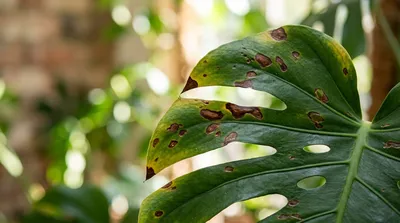
- Check for Temperature Stress Clues: Cold drafts or freezing transit can leave leaves dark, limp, or water-soaked, while excessive heat in closed delivery vehicles may cause pale bleaching, soft wilted foliage, or crispy leaf margins.
2. How to Acclimate a Newly Delivered Plant
Acclimation is the process by which a plant adjusts its physiology, including stomatal regulation, leaf cuticle thickness, and photosynthetic efficiency, to a new environment. Nurseries and greenhouses typically offer high humidity, optimized light, and controlled temperatures. Typical home conditions require a gentle ramp-up:
- Provide a Gradual Light Transition: Avoid placing a newly arrived plant in harsh direct sun right after unboxing. Leaves that spent days in darkness have lower protective pigmentation and are more prone to scorch. For the first several days, use bright, indirect light, such as a few feet back from a sunny window or behind a sheer curtain, then move the plant gradually toward the long-term light level its species prefers.
- Maintain Environmental Stability: Choose a spot with consistent temperatures, ideally 65°F to 75°F (18°C to 24°C), and moderate humidity. Sudden swings matter more than a room being a degree or two warmer or cooler. Keep the pot away from cold window glass, drafty doors, air conditioning vents, and heat sources such as radiators.
- Minimize Handling: Avoid turning, shaking, or moving the plant between rooms during the first few days. A stable location lets transpiration rates and stomatal guard cells recalibrate smoothly.
- Try a Humidity Chamber for Sensitive Plants (Optional): For humidity-loving species that look droopy on arrival, such as alocasia, anthurium, or jewel orchids, a clear bin or propagation box with a partly open lid can soften the transition. Open the lid wider over 7 to 10 days so humidity drops gradually, keep air moving, and remove any wet or decaying leaves to prevent mold.
- What to Expect: With correct care, mild shipping stress such as droop, dullness, or a few yellow leaves usually eases within about 2 to 5 days. More sensitive species can take a couple of weeks. Fresh new growth is the clearest sign that your plant has settled in.
3. Shipping Stress vs. Serious Problems
Telling temporary transit stress apart from severe structural or root failure prevents you from over-treating a healthy plant. Use the comparison below to assess what you see after arrival. Plant tissue should only be considered dead or irrecoverable when it is completely dry, black, or necrotic.
| Symptom Area | Expected / Minor Shipping Stress | Serious Issue Requiring Intervention |
|---|---|---|
| Foliage & Posture | Mild leaf drooping, minor loss of turgor, or slight leaf angling following darkness and humidity shifts. | Soft, mushy, water-soaked leaf decay or total stem collapse extending to the crown. |
| Leaf Color & Loss | Yellowing and shedding of 1 to 2 oldest lower leaves as the plant reallocates mobile nutrients. | Rapid, widespread yellowing or blackening across the upper canopy within 24–48 hours. |
| Physical Integrity | Minor leaf creasing, small marginal tears, or superficial cosmetic rubbing from packaging. | Snapped main stems, crushed growing tips or crown, or severed major branches. |
| Temperature Effects | Slight curling or temporary dullness from mild temperature fluctuations during transit. | Translucent, dark, collapsed tissue from freezing, or dry, bleached scorch from severe vehicle heat. |
| Pests & Debris | Loose soil dust, dry moss bits, or harmless surface packaging debris on leaves. | Active insect colonies, fine webbing (spider mites), cottony masses (mealybugs), or scale coverings. |
| Root System | Firm, intact roots visible at drainage holes or holding the root ball together firmly. | Foul odor from the root mass, sloughing dark root cortex, or completely waterlogged, rotting roots. |
| Recovery Trend | Droop and dullness ease within roughly 2 to 5 days once light, temperature, and moisture are correct. | Steady decline, new spotting, or spreading collapse after 1 to 2 weeks of stable, appropriate care. |
4. Quarantine New Plants
Isolating newly acquired plants from your existing collection is one of the most effective preventive habits in houseplant care. Nurseries, stores, and shipping facilities hold dense plant populations where opportunistic pests can shelter unnoticed in leaf axils or soil.
- Why Quarantine Matters: Common houseplant pests such as thrips, spider mites, mealybugs, scale insects, and fungus gnats often arrive as microscopic eggs or immature nymphs that are invisible at first. Placing a new plant beside established specimens creates a direct bridge for pests to migrate.
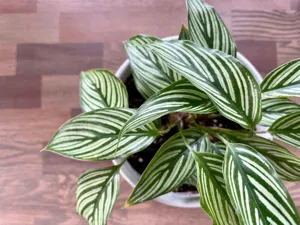
- How Long to Quarantine New Plants: Colorado State University Extension advises keeping new plants in a separate area for at least three weeks before a final inspection. Many growers use two weeks as the minimum and extend to three or four weeks for higher-risk plants, such as ferns, calatheas, or plants from crowded stores. Use a separate room if you can, or at least keep the plant well away from your collection.
- How to Quarantine Properly: Inspect the tops and undersides of leaves, stems, and the soil surface every few days, ideally with a flashlight. Watch for sticky residue, fine webbing, white cottony blobs, black specks, and tiny flying gnats. Clean watering cans, scissors, and pruners before using them on the rest of your plants.
- Applies to Store-Bought Plants Too: A plant from a garden center, big-box store, or plant swap can carry the same hitchhikers as a mail order plant, so the same quarantine routine applies.
- Action Plan if Pests Are Found: If you detect pests during the quarantine window, keep the plant isolated and consult our detailed indoor plant pest eradication guide to select appropriate physical, soap, or targeted treatments.
5. Watering, Light, and Humidity During Acclimation
Good water discipline and light management during the first two weeks let roots recover without developing fungal decay:
- Check the Substrate Before Watering: Never water on autopilot right after opening a delivery box. If the soil is moist, let the top inch or so dry slightly before watering. If the mix is dry and the pot feels lightweight, apply room-temperature water thoroughly until excess drains from the bottom. For volume guidance tailored to your pot size, use our Watering Calculator.
- Rehydrate Very Dry Plants Gently: If the leaves are droopy and the soil is extremely dry, try bottom watering. Set the pot in a container holding an inch or so of water until the top of the soil feels lightly damp, then let it drain fully. Rehydrating gradually is gentler on dehydrated roots than a sudden flood.
- Avoid Over-Saturation: Roots stressed by shipping take up less oxygen. Watering soil that is already wet suffocates them and invites root rot. Shipping droop can also come from darkness or temperature changes rather than thirst, so moisture should be checked by touch first.
- Provide Bright, Indirect Illumination: Position the plant near an east-facing window or a few feet back from a south or west window. Shield foliage from direct sun until the plant shows stable growth and firm, turgid leaves.
- Support Humidity Safely: For species that need higher humidity, such as calatheas or ferns, group the isolated plant with a humidity tray or use a room humidifier. Avoid heavy, constant misting and never seal the plant in plastic with no airflow, since stagnant wet foliage encourages fungal leaf spots.
6. When to Repot or Fertilize
Decide about repotting and feeding based on the physical condition of the plant and its substrate, not rigid calendar rules:
- Emergency Repotting vs. Cosmetic Upgrades: If a newly arrived plant is severely rootbound, planted in degraded or foul-smelling soil, waterlogged, or arrived in a cracked or smashed pot, immediate repotting is warranted to save the root system. If the container and soil are intact, delay decorative repotting until the plant has stabilized and resumed active growth, typically after at least two weeks. Combining transit shock with mechanical root disturbance raises the risk of severe stress. When you are ready to upsize, consult our Repotting Calculator for proper pot sizing.
- Decorative Pots Without Repotting: If you want a nicer look right away, slip the plastic nursery pot into a decorative cache pot instead of disturbing the roots. Lift the inner pot out to water and let it drain fully so it never sits in standing water.
- Avoid Immediate Fertilization: Do not feed a stressed, newly delivered plant. Fertilizer salts can increase osmotic pressure around roots, drawing moisture out of fragile tissue that is still recovering. Resume feeding only when you see fresh leaf or stem growth, following product directions and seasonal needs.
7. Shipped in Winter or Summer: Cold and Heat Damage
Weather is one of the biggest reasons two identical plants can look completely different on arrival.
- Cold Arrivals: If the box feels cold, bring it indoors and let the plant warm up gradually at room temperature. Do not place it on a heater or in front of a vent. Freeze damage shows as translucent, dark, water-soaked, or collapsed tissue.
- Hot Arrivals: Boxes left in hot vehicles or on sunny porches warm up fast. Leaves can arrive soft, wilted, or with scorched, translucent edges, and condensation inside the packaging is common. Move the plant out of the heat into bright, indirect light rather than shocking it with sudden cold.
- Season and Species Matter: Plants generally have more energy to recover in spring and summer, and some species are simply more sensitive to transit than others. A winter arrival may take longer to bounce back than the same plant shipped in mild weather.
8. Common Mistakes to Avoid With Newly Arrived Plants
- Watering on Autopilot: Always check the soil first. Wet soil plus stressed roots is the fastest route to rot.
- Repotting Immediately: Unless the pot is broken or the soil is waterlogged, repotting adds a second stress on top of shipping stress.
- Moving Straight Into Full Sun: Leaves adapted to a dark box scorch easily, so build up light gradually.
- Fertilizing to "Perk It Up": Feeding a stressed plant can burn roots. Wait for new growth.
- Placing It Next to Your Collection: Skipping quarantine is how one plant's pests become every plant's pests.
- Trimming Too Much, Too Soon: Removing fully dead or mushy tissue with clean scissors helps prevent mold, but leave partly green leaves in place because they still feed the plant while it recovers.
9. When the Plant Needs Further Diagnosis
If your plant fails to stabilize after several days in a consistent environment, investigate further:
- Persistent Wilting Despite Damp Soil: If foliage stays limp while the soil is wet, inspect the roots for dark, sloughing tissue that indicates root rot.
- Spreading Scorch or Lesions: If leaf margins turn brown and crispy rapidly, review our guide on transplant shock or check for environmental stressors such as extreme heat or fertilizer burn.
- Continued Leaf Shedding: If leaf loss continues beyond the bottom 1 to 2 leaves, re-evaluate light intensity, room temperature, and watering routines.
- Contact the Seller: If the plant arrived with a snapped stem, crushed crown, widespread freeze or heat damage, or pests, send your photos to the seller right away and check their guarantee window before repotting or treating.
Recommended next actions
Next Best Actions
Move from reading to action with related calculators, plant profiles, and quiz-based recommendations.
Guide
Indoor Plant Pest Eradication: Full ID & Treatment
The PlantSolve Editorial Team will teach you to identify pests by their damage, mix the perfect neem oil spray, and use BTI to kill gnats at the source—all without toxic chemicals.
Topic Guide
Transplant Shock
Learn everything about transplant shock for your indoor and aquarium plants. Expert care tips, troubleshooting, and related guides.
Frequently Asked Questions
What is plant shipping stress?
Will my plant recover from shipping stress?
Should I water my new houseplant immediately after unpacking?
How long should I isolate a new houseplant in quarantine?
Can I repot a newly arrived houseplant right away?
Why is my new houseplant dropping its lower leaves?
What should I do if my plant arrived damaged, frozen, or with pests?
What if my new plant keeps declining after a few weeks?
Sources & References
-
Source: extension.umn.edu
Guidance on houseplant care, environmental management, and pest quarantine.
-
Source: extension.colostate.edu
Recommends quarantining new plants in a separate area for at least three weeks and outlines physical controls for common houseplant pests.
-
Source: extension.wsu.edu
Horticultural guidance on plant establishment, stress management, and environmental adaptation.
-
Source: rhs.org.uk
Best practices for container plant establishment, watering discipline, and repotting timing.
-
Source: edis.ifas.ufl.edu
Research on acclimatization of foliage plants transitioning into interior environments.
Explore More