Topic Guide
conceptPlant Nutrient Deficiency: Symptoms, Causes, Diagnosis & Treatment
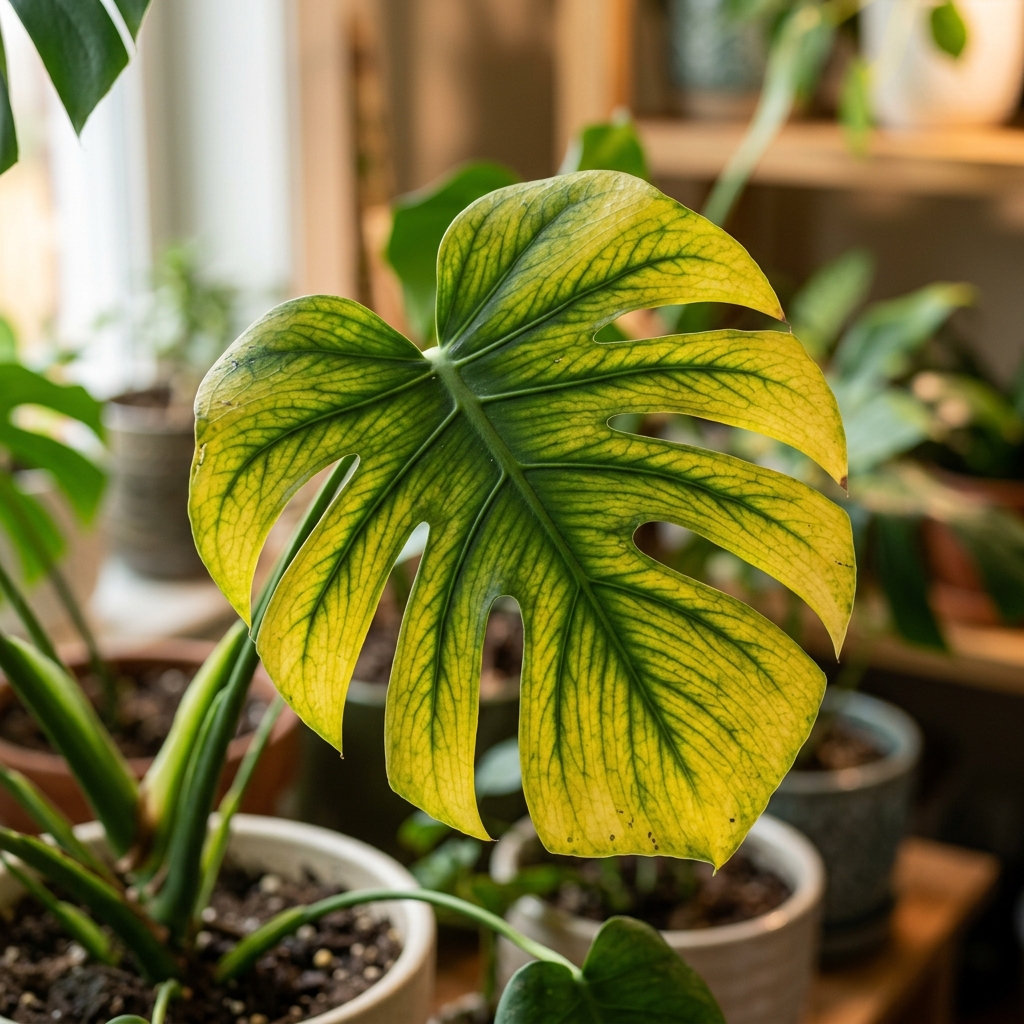
Plant nutrient deficiency occurs when essential mineral nutrients are unavailable or insufficient for healthy growth. Deficiencies may result from poor soil fertility, incorrect soil pH, damaged roots, nutrient lockout, excessive watering, or inadequate fertilization, causing characteristic symptoms in leaves, stems, roots, flowers, and fruit.
Quick Answer
A nutrient deficiency occurs when a plant cannot access enough of an essential mineral nutrient to support normal growth. Macronutrients (nitrogen, phosphorus, potassium, calcium, magnesium, sulfur) are needed in larger quantities, while micronutrients (iron, manganese, zinc, copper, boron, molybdenum, chlorine, nickel) are required in trace amounts. Deficiency differs from toxicity (excess nutrient causing harm) and from nutrient lockout (nutrients present but unavailable due to pH or salt issues). A key diagnostic clue is symptom location: mobile nutrients (nitrogen, phosphorus, potassium, magnesium) relocate from old leaves to new growth, so deficiency symptoms appear first on older leaves. Immobile nutrients (iron, calcium, boron, others) cannot be relocated, so symptoms appear on new growth first.
Symptoms
- Yellow older leaves: Nitrogen is mobile, so older leaves yellow first.
- Purple leaves or stems: Often occurs during cool weather.
- Brown leaf margins: Leaf edges become scorched, starting on older foliage.
- Interveinal chlorosis on young leaves: Iron is immobile so symptoms appear on new growth; veins remain green.
- Interveinal chlorosis on older leaves: Classic pattern on mature leaves, sometimes with reddish or purple tints.
- Distorted or hooked new leaves: Affects meristematic tissue; may cause blossom end rot in fruits.
- Small, clustered new leaves (rosetting): Shortened internodes and distorted leaf blades.
- Brittle tissue, hollow stems: Affects cell wall formation; terminal buds may die.
Common Causes
- Poor soil fertility or depleted growing media
- Incorrect soil pH causing nutrient lockout
- Overwatering leading to root hypoxia and reduced uptake
- Underwatering limiting nutrient transport
- Damaged or diseased roots
- Compacted soil restricting root expansion
- Salt buildup from excess fertilizer or hard water
- Nutrient lockout due to imbalances or antagonism
- Excess fertilizer causing antagonistic deficiencies
- Poor drainage creating anaerobic conditions
Prevention
- Use a balanced, complete fertilizer formulated for the plant species
- Test soil annually for pH and nutrient levels
- Maintain soil pH in the optimal range for your crop
- Avoid overwatering and ensure proper drainage
- Use high-quality potting mix or amend native soil with organic matter
- Flush container plants periodically to remove excess salts
- Follow a seasonal fertilization schedule aligned with active growth
Best Practices
- Inspect plants weekly for early symptom detection
- Record symptoms, diagnoses, and treatments
- Treat deficiencies early before tissue damage becomes permanent
- Measure soil pH before applying micronutrients
- Measure electrical conductivity (EC) to assess soluble salt levels
- Use slow-release fertilizers for steady, low-risk feeding
- Supplement micronutrients only when a specific deficiency is identified
What is Nutrient Deficiency?
Nutrient deficiency is a physiological disorder that occurs when a plant cannot acquire enough of one or more essential mineral nutrients to maintain normal metabolic functions, growth, and reproduction. Essential nutrients are classified as macronutrients (required in relatively large amounts) and micronutrients (required in trace amounts). When any essential nutrient falls below the critical level needed for a plant's current growth stage, cellular processes break down and visible symptoms develop.
Essential Plant Nutrients
Plants require 17 essential elements. The primary macronutrients are nitrogen (N), phosphorus (P), and potassium (K). Secondary macronutrients include calcium (Ca), magnesium (Mg), and sulfur (S). Micronutrients—iron (Fe), manganese (Mn), zinc (Zn), copper (Cu), boron (B), molybdenum (Mo), chlorine (Cl), and nickel (Ni)—are equally essential but needed in far smaller quantities. Carbon, hydrogen, and oxygen are obtained from air and water.
Macronutrient Deficiencies
- Nitrogen (N): Older leaves turn pale green to yellow (chlorosis); stunted growth; weak stems.
- Phosphorus (P): Dark green or bluish-green foliage; purple discoloration on leaves and stems; delayed maturity.
- Potassium (K): Marginal necrosis (scorched edges) on older leaves; weak stems; poor fruit quality.
- Calcium (Ca): New leaves distorted or hooked; blossom end rot in fruits; tip burn.
- Magnesium (Mg): Interveinal chlorosis on older leaves; leaves may become brittle.
- Sulfur (S): General yellowing of new growth; resembles nitrogen deficiency but appears on young leaves.
Micronutrient Deficiencies
- Iron (Fe): Interveinal chlorosis on young leaves; veins remain green; may progress to white tissue.
- Manganese (Mn): Interveinal chlorosis with necrotic spots on young leaves.
- Zinc (Zn): Small, distorted new leaves; shortened internodes (rosetting); interveinal chlorosis.
- Copper (Cu): Wilting of new growth; distorted leaves; dieback of terminal buds.
- Boron (B): Brittle tissue; hollow stems; poor fruit set; terminal bud death.
- Molybdenum (Mo): General chlorosis resembling nitrogen deficiency; whiptail in brassicas.
Mobile vs Immobile Nutrients
Mobile nutrients can be translocated from older tissue to actively growing regions when supply is limited. Therefore, deficiency symptoms of mobile nutrients (nitrogen, phosphorus, potassium, magnesium, molybdenum) appear first on older leaves. Immobile nutrients (iron, calcium, sulfur, boron, copper, manganese, zinc) cannot be redistributed, so their deficiencies manifest on new growth first. This distinction is the single most important rule for visual diagnosis.
How Symptoms Develop
Symptoms progress through stages: (1) nutrient levels drop below the critical threshold in the plant tissue; (2) metabolic pathways dependent on that nutrient slow or stop; (3) chloroplasts degrade or cell walls weaken, producing visible discoloration, distortion, or necrosis; (4) if uncorrected, the symptom spreads, growth stalls, and the plant may die. Environmental stressors such as cold, drought, or root damage accelerate this progression.
Common Deficiency Symptoms
| Symptom | Likely Deficiency | Notes |
|---|---|---|
| Yellow older leaves | Nitrogen | Uniform chlorosis starting from leaf tips. |
| Purple leaves/stems | Phosphorus | Often worse in cool weather. |
| Brown, scorched leaf margins | Potassium | Starts on older leaves. |
| Interveinal chlorosis on young leaves | Iron or Manganese | Veins stay green with iron; spots with manganese. |
| Interveinal chlorosis on old leaves | Magnesium | Classic "Christmas tree" pattern in some species. |
| Distorted, hooked new leaves | Calcium | Also causes blossom end rot in tomatoes and peppers. |
Diagnosis Guide
Start by observing which leaves show symptoms first. If older leaves are affected, test for mobile nutrients (N, P, K, Mg). If new growth is affected, test for immobile nutrients (Fe, Ca, B, Mn, Zn, Cu). Confirm visual diagnosis with a soil test or tissue analysis when possible. Measure soil pH, as many deficiencies are actually pH-induced lockout rather than true absence of nutrients.
Treatment
Treatment must match the specific deficiency. Apply a nitrogen-rich fertilizer for nitrogen deficiency; use chelated iron and correct pH for iron deficiency; apply Epsom salt (magnesium sulfate) foliar spray for magnesium deficiency. Always follow label rates—overcorrecting can cause toxicity or lockout other nutrients. For severe cases, foliar feeding provides faster uptake than soil application.
Recovery Timeline
Recovery speed depends on the nutrient, application method, and severity. Foliar sprays may show improvement in 3–7 days. Soil-applied corrections may take 1–3 weeks to produce visible new growth. Severely damaged old leaves often do not return to full color; judge recovery by the health of new growth.
Prevention
Use a balanced, complete fertilizer appropriate for the plant species and growth stage. Test soil annually and maintain pH within the optimal range (typically 6.0–7.0 for most plants). Use quality potting mix or amend garden soil with organic matter. Avoid overwatering and ensure good drainage. Flush containers periodically to prevent salt buildup. Follow a consistent fertilization schedule adjusted for seasonal growth patterns.
Best Practices
- Inspect plants weekly for early signs of stress.
- Record symptoms, timing, and treatments in a garden journal.
- Treat deficiencies early—advanced damage is often irreversible.
- Measure soil pH and electrical conductivity (EC) before fertilizing.
- Use slow-release fertilizers for steady nutrient supply.
- Supplement micronutrients only when deficiency is confirmed.
Common Mistakes
- Treating symptoms without diagnosing the specific deficiency.
- Adding more fertilizer immediately—risking toxicity or lockout.
- Ignoring soil pH, which is the root cause of many "deficiencies."
- Confusing deficiency symptoms with fungal or bacterial disease.
- Neglecting root health; damaged roots cannot uptake nutrients.
- Using one universal fertilizer for all plants regardless of species needs.
Frequently Asked Questions
What causes nutrient deficiency in plants?
Nutrient deficiency is caused by insufficient nutrient availability in the soil, poor uptake due to damaged roots, incorrect pH causing lockout, overwatering, underwatering, compacted soil, or salt buildup.
Can overwatering cause nutrient deficiency?
Yes. Overwatering displaces oxygen from the root zone, causing root hypoxia. Oxygen-starved roots cannot actively transport nutrients, leading to deficiency symptoms even when nutrients are present in the soil.
Can nutrient lockout look like deficiency?
Absolutely. Nutrient lockout occurs when nutrients are present in the soil but unavailable for uptake, usually due to extreme pH or salt accumulation. The symptoms are identical to true deficiency, so testing pH and EC is essential.
How can I tell nitrogen deficiency from iron deficiency?
Nitrogen is mobile, so its deficiency appears on older leaves first as uniform yellowing. Iron is immobile, so its deficiency appears on young leaves first as interveinal chlorosis with green veins.
Which deficiency causes yellow leaves?
Several deficiencies cause yellowing (chlorosis). Nitrogen causes uniform yellowing of older leaves. Iron causes interveinal yellowing of young leaves. Magnesium causes interveinal yellowing of older leaves. Sulfur causes yellowing of new growth.
Which nutrient deficiency causes purple leaves?
Phosphorus deficiency is the most common cause of purple or reddish discoloration on leaves and stems, especially in cool weather when root uptake slows.
How long does recovery from nutrient deficiency take?
Foliar treatments may show improvement in 3–7 days. Soil-applied corrections typically take 1–3 weeks. Severely damaged leaves rarely return to normal; judge recovery by the color and vigor of new growth.
Can nutrient deficiency kill a plant?
Yes. If left untreated, severe deficiencies halt growth, weaken the immune system, and can lead to plant death. Chronic deficiency also makes plants highly susceptible to pests and diseases.
Can fertilizers fix deficiencies immediately?
Not always immediately. Foliar sprays act fastest (days), while soil applications take longer (weeks). If the cause is pH lockout, simply adding fertilizer will not help until pH is corrected.
Can pH cause nutrient deficiencies?
Yes. Most nutrients are optimally available between pH 6.0 and 7.0. Below 5.5 or above 7.5, many essential nutrients become chemically bound in the soil and unavailable for root uptake.
What is the difference between deficiency and toxicity?
Deficiency is a shortage of an essential nutrient. Toxicity is an excess, which can burn roots, cause leaf tip necrosis, and antagonize the uptake of other nutrients. Both harm the plant but require opposite treatments.
Should I remove leaves damaged by deficiency?
If leaves are more than 50% damaged or necrotic, remove them to reduce disease risk and redirect energy. Lightly damaged leaves can be left, as they may still photosynthesize once the deficiency is corrected.
Is Epsom salt a cure-all for deficiencies?
No. Epsom salt (magnesium sulfate) only corrects magnesium and sulfur deficiencies. It will not help nitrogen, iron, calcium, or other deficiencies and can contribute to salt buildup if overused.
Can I diagnose deficiency without a soil test?
Visual diagnosis based on symptom location (old vs. new leaves) and pattern is a strong first step. However, a soil test or tissue analysis removes guesswork and prevents misdiagnosis with disease or lockout.
Do indoor plants get nutrient deficiencies more easily?
Indoor plants in potting mix can deplete available nutrients within months, especially if the mix lacks slow-release fertilizer or if watering leaches nutrients. Regular feeding and occasional flushing are important.
Related Plant Guides
No specific plant guides found matching this topic.
Recommended next actions
Continue Exploring
Dive deeper into related plant care tools and profiles.
Calculator
Plant Fertilizer Calculator: Right Dose for Every Plant
Calculate the exact fertilizer dose and feeding schedule for your plant based on species, pot size, growth stage, and season.
Guide
Yellow Houseplant Leaves: Diagnose & Fix Guide 2026
After diagnosing hundreds of yellow-leaf cases across dozens of plant species, we've mapped the ten distinct causes that look nearly identical at first glance — and built the only systematic guide that tells you not just what's wrong, but exactly how to confirm it and fix it.
Guide
Nitrogen Deficiency in Houseplants: Symptoms & Fix
With over 12 years of houseplant nutrition diagnostics and more than 2,400 nutrient deficiency cases assessed across tropical and subtropical indoor environments, we have developed a rapid-response framework that distinguishes nitrogen starvation from overwatering in a single visual assessment — and reverses visible chlorosis within 5 to 7 days using a precise liquid feed protocol.
Guide
Fertilizer Burn on Houseplants: Symptoms & Fix Guide
Fertilizer burn is one of the most misdiagnosed houseplant problems because its symptoms — brown tips, wilting, yellowing leaves — are nearly identical to overwatering, underwatering, and root rot. The treatment for root rot is opposite to the treatment for fertilizer burn, which means getting the diagnosis wrong makes the plant worse. This guide is built around that diagnostic problem first.
Calculator
Plant Heat Stress Calculator: Check Your Risk Level
Diagnose plant heat stress risk from your temperature, humidity, sunlight exposure, and symptoms — then get specific watering, shade, and airflow actions.
Plant Guide
Java Fern
Ultimate Java Fern (Microsorum pteropus) care guide. Learn planting, propagation, solving black leaves, potassium deficiency, and the best low-tech aquarium setup.