Carnivorous Plant Dormancy: Winter Rest, Triggers & Cold Stratification
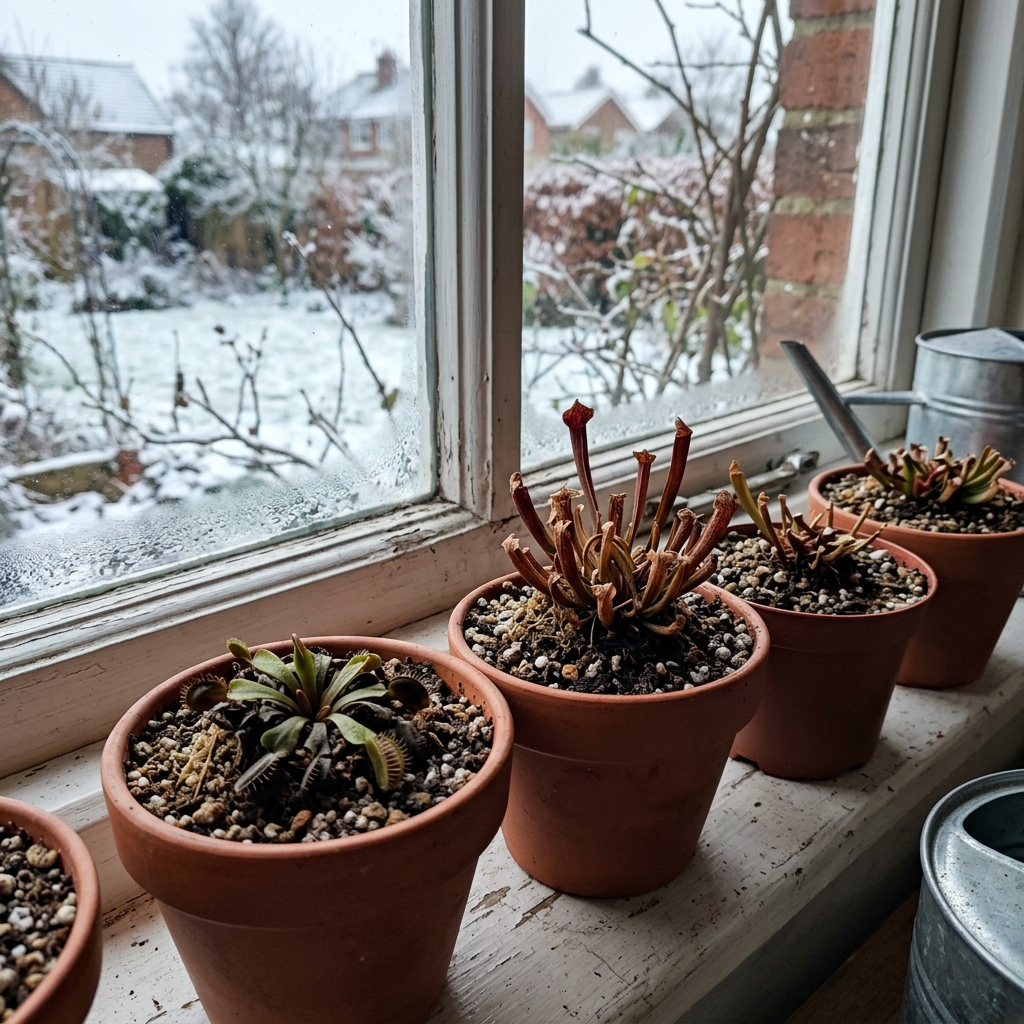
Dormancy is a seasonal rest that temperate carnivorous plants evolved to survive cold winters. Venus flytraps, Sarracenia and temperate sundews pull their energy into rhizomes, bulbs or buds, drop their traps and wait for spring. Skipping this rest weakens them over one to three seasons, while the wrong kind of winter care, usually too much water, rots the rhizome. This guide explains which plants need dormancy and which do not, what environmental triggers start it, how to run winter care outdoors, on a cold windowsill or in the refrigerator, how to manage water and light, how to tell dormant plants from dead ones, and how to wake plants up in spring.
Quick Answer
Temperate carnivorous plants such as Venus flytraps (Dionaea muscipula), Sarracenia and temperate sundews (Drosera rotundifolia, D. filiformis) need a 3-4 month winter dormancy triggered by a photoperiod under 10 hours and sustained cool temperatures of roughly 2-10°C (35-50°F). Lower the water table from a standing pool to a barely damp substrate, trim dead leaves, and keep the plants bright and airy. Outdoors, a bog or cold windowsill works. In a warm apartment, use the fridge method: bare-root the plants, wrap them in damp (not wet) long-fiber sphagnum in a ziplock baggie, dust with sulfur or chitosan and store them at 2-5°C. Tropicals such as Nepenthes and Drosera capensis do not go dormant, and Mexican Pinguicula only switch to a succulent resting form. Wake dormant plants in late winter by gradually warming them and lengthening the photoperiod, and repot before rapid growth begins.
Key Takeaways
- Venus flytraps, Sarracenia and temperate sundews such as Drosera rotundifolia and D. filiformis have obligate dormancy. Nepenthes and Drosera capensis do not, and Mexican Pinguicula only switch to compact succulent leaves.
- Dormancy is triggered by two signals together: a photoperiod under 10 hours and sustained cool temperatures of about 2-10°C (35-50°F). Cold alone, or short days alone, gives a weaker or incomplete rest.
- Winter rot comes from wet, stagnant substrate. Lower the water table from a standing tray to a barely damp medium, remove dead leaves promptly and keep air moving.
- Keepers in tropical or warm apartment climates can use the fridge method: bare-root the plant, wrap the roots in damp long-fiber sphagnum in a ziplock baggie, dust with sulfur or chitosan and store at 2-5°C, checking every two weeks.
- Wake plants gradually in late winter by warming them and lengthening the photoperiod over two to three weeks, and repot into fresh peat and sand before rapid spring growth begins.
Why Carnivorous Plants Need a Winter Rest
In the wild, many carnivorous plants live in regions with distinct cold seasons. Venus flytraps grow in the coastal bogs of the southeastern United States, Sarracenia in the wetlands of eastern North America, and temperate sundews such as Drosera rotundifolia and Drosera filiformis across cool northern and coastal regions. These plants evolved to survive winter by drawing nutrients into a rhizome, bulb or winter bud and dropping most of their foliage. This rest is called dormancy. It is not death, and it is not optional for them. Skipping it drains stored energy, weakens traps and shortens the plant's life.
Which Plants Need Dormancy and Which Do Not
Carnivorous plants fall into three groups, and mixing up the groups is the most common reason winter care goes wrong. The first reference table above lists each species with its trigger, minimum temperature and water regime.
- Obligate temperate dormancy: Venus flytraps, Sarracenia and temperate sundews (Drosera rotundifolia, D. filiformis) must have a cold, short-day winter every year.
- Non-dormant tropicals: Nepenthes and Drosera capensis grow year-round. They slow in low light but should never be chilled. For a tropical pitcher plant, see Nepenthes ventrata, which should stay warm and moist through winter.
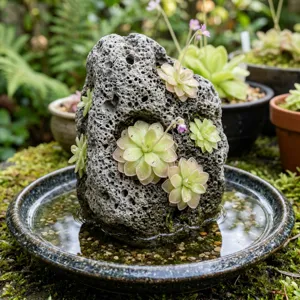
- Heterophyllous resting: Mexican Pinguicula such as Pinguicula moranensis do not go dormant. They switch from sticky carnivorous leaves to compact succulent rosettes in the cool, short days, and need drier conditions. The mounting and winter water guidance in the Pinguicula rock setup guide covers this cycle in detail.
The Triggers That Start Dormancy
Dormancy is triggered by two signals acting together: shortening days and sustained cool temperatures.
- Photoperiod: days shorter than about 10 hours of light signal the approach of winter.
- Temperature: sustained cool conditions of about 2-10°C (35-50°F) for roughly three to four months complete the rest.
A cold snap on a long day, or a warm room with short days, produces an incomplete rest. Plants may begin to die back and then push weak growth, which uses up their reserves. The aim is to give both signals together, gradually, from about mid-autumn.
Preparing Plants for Winter
- Start in autumn. As days shorten and growth slows, stop feeding and reduce fertilizer-like inputs entirely.
- Trim dead leaves and traps. Black or brown tissue grows mold on a wet surface. Cut it at the base with clean scissors, but leave healthy green leaves in place until they fade.
- Lower the water level. Move from a standing tray to a damp medium. See the water section below.
- Check the water. Keep using RO or distilled water. The carnivorous water TDS calculator helps you confirm the water stays under about 50 ppm TDS, since winter evaporation concentrates minerals in a nearly dry pot.
- Check the pests. Treat aphids and fungus gnats before winter, because pests thrive when plants are weak. See carnivorous plants for fungus gnats for pest management.
Water and Light Management in Winter
In the growing season, Venus flytraps and Sarracenia often stand in a tray of water. In winter this is the leading cause of death. Dormant rhizomes do not take up much water, and a waterlogged medium combined with cold, low air movement invites rot.
- Lower the water table from a standing pool to a barely damp substrate. The top of the medium should feel moist but never soggy, and the tray should be empty or hold only a shallow film that dries between top-ups.
- Never let the medium dry out completely. Rhizomes still need slight moisture to stay alive. Check weekly by pressing a finger into the medium.
- Keep the light bright. Dormant plants still photosynthesize slowly, and bright light helps the new growth in spring. A cold windowsill, a cool greenhouse or LED lights on an 8-10 hour timer all work.
- Provide airflow. Still air with cold, damp conditions grows mold. A small fan or ventilation gap is enough.
The substrate also matters. A free-draining mix of peat and sand or perlite resists rot much better than dense, wet peat. See the carnivorous plant substrate guide for recommended mixes.
Three Winter Care Methods Compared
The second reference table above compares the three standard approaches. Choose the one that matches your climate.
Outdoor Bog or Patio Pot
If your winters are cool but not extreme, leave the plants outdoors in a sheltered spot. They receive the natural photoperiod and temperature cycle, which is the best trigger. Lower the water level, trim dead leaves and protect pots from hard freezes with a layer of mulch or by moving them against a wall. Make sure rain cannot waterlog the pots.
Cold Windowsill, Porch or Unheated Room
If the winter is cold but you cannot leave plants outside, a cool, bright window works well. The room should stay between about 2 and 10°C. Avoid placing the pot next to a radiator or heating vent, because a warm draught breaks dormancy. Monitor the substrate every week.
Refrigerator Baggie Method
Keepers in tropical or heated apartment climates can use the refrigerator method, which gives complete control of temperature. It is most often used for Venus flytraps and temperate sundews.
- Bare-root the plant. Lift it out of the pot and rinse the roots gently under RO water to remove old medium.
- Trim the foliage. Remove all dead or blackened leaves so nothing rots in the bag.
- Dust with an anti-fungal. Apply a light coating of powdered sulfur or chitosan to the rhizome and roots.
- Wrap in damp sphagnum. Use long-fiber sphagnum moistened with RO water and squeezed until it only drips a few drops. It should feel damp, not wet.
- Seal in a ziplock baggie. Label it with the date and store it in the main body of the refrigerator at 2-5°C (35-41°F), away from fruit that gives off ethylene.
- Check every two weeks. Open the bag to let fresh air in, remove any moldy sphagnum, and re-dust if needed. Replace the sphagnum if mold spreads.
The fridge method keeps plants in the dark, so it suits a three-month rest, but it needs regular checks. It is a backup for keepers without a cool space rather than the first choice.
Telling Dormancy From Death
Dormant plants look dead, which worries many new keepers. Check these signs before throwing a plant away.
- Firm rhizome: gently pull back the soil. A white or cream, firm rhizome is alive. A brown, soft, mushy or hollow rhizome is dead.
- Green at the crown: a Venus flytrap may keep a tiny green bud at the centre.
- Winter bud on sundews: temperate sundews contract into a tight, hairy bud at the crown.
- Rhizome smell: a sour or rotten smell indicates rot. A healthy rhizome smells earthy or has no smell.
Spring Emergence Protocol
Waking plants up is as important as the rest itself. A sudden jump from cold storage to hot sun burns new tissue and causes shock.
- Time it. Begin in late winter, when natural days reach 11-12 hours and outdoor temperatures begin to climb. Most plants finish dormancy after three to four months.
- Warm gradually. Move plants from the fridge or cold spot to a cool room at 10-15°C for a week, then to a warmer spot at 15-20°C over the following two weeks.
- Increase the photoperiod. Lengthen light by one hour every week until you reach 12-14 hours.
- Repot before rapid growth. Fresh peat and sand or perlite gives clean, low-mineral medium. Repot when the first new leaves are just emerging, using the substrate guide for the mix.
- Restore the water table. Return to a shallow tray of RO water once new growth is clearly active.
- Hold off on feeding. Wait until fully formed traps have opened before feeding, and do not feed the first set of small traps.
In a terrarium or enclosed display, plan the winter cycle into the build from the start. The carnivorous plant terrarium build guide explains how to separate temperate and tropical species so each gets suitable conditions.
What Happens If a Plant Skips Dormancy?
A Venus flytrap that never rests keeps producing traps through winter, but the traps get smaller and weaker, and the rhizome shrinks. After one season, the plant seems slightly slow. After two or three, it loses vigor, produces tiny traps and eventually dies. Sarracenia show a similar decline, with shorter pitchers and fewer flowers. Starting a proper dormancy, even a late one, can often rescue a weak plant if the rhizome is still firm.
Troubleshooting Summary
| Symptom | Likely cause | Quick fix |
|---|---|---|
| Rhizome turns soft, brown and smelly | Waterlogged winter substrate | Unpot, cut away rot to firm white tissue, dust with sulfur or chitosan and repot into dry, airy mix |
| White or grey mold on dead leaves | Wet, still air and dead foliage | Trim leaves, improve airflow and lower the water level |
| Plant pushes weak growth in winter | Warm room breaking dormancy | Move to a cooler spot and shorten the day length |
| Mold in the refrigerator bag | Sphagnum too wet or not checked | Replace the sphagnum, re-dust and check every two weeks |
| No regrowth in spring | Rhizome rotted or dried out | Check the rhizome, and discard only if mushy or hollow |
Related Resources
Plan the display with the carnivorous plant terrarium build guide, choose a medium with the carnivorous plant substrate guide, manage the Mexican butterwort winter cycle with the Pinguicula rock setup guide, control pests with carnivorous plants for fungus gnats, check your water with the carnivorous water TDS calculator, and read the plant profiles for Pinguicula moranensis, Drosera capensis and Nepenthes ventrata.
Frequently Asked Questions
What happens if a Venus flytrap skips dormancy?
A Venus flytrap that skips dormancy keeps growing through winter, but the traps get smaller and weaker and the rhizome gradually shrinks. After one skipped winter the plant may look only slightly slow. After two or three, it usually loses vigor and dies. If the rhizome is still firm, a proper cold rest can often recover a weakened plant.
How do I winterize carnivorous plants in an apartment?
First identify the plants. Venus flytraps, Sarracenia and temperate sundews need a rest, while Nepenthes, Drosera capensis and Mexican Pinguicula do not. For the dormant group, use a cold windowsill, an unheated stairwell or balcony if frost is mild, or the refrigerator baggie method at 2-5°C. Keep the substrate barely damp, trim dead leaves and provide 8-10 hours of light if the plants stay out.
How do I prevent mold in the refrigerator during dormancy?
Trim all dead leaves, dust the rhizome with sulfur or chitosan, and use long-fiber sphagnum that is damp but not wet, squeezed until only a few drops fall. Open the bag every two weeks to refresh the air, remove any moldy sphagnum and re-dust. Keep the bag away from fruit and out of direct contact with cold shelf walls.
When should I wake up my carnivorous plants from dormancy?
Begin in late winter, after three to four months of rest, when natural days reach about 11-12 hours and temperatures start to rise. Warm the plants gradually over two to three weeks, lengthen the photoperiod and repot just as new growth emerges. Do not rush the process, because plants shocked by a sudden heat or light change can lose their first leaves.
How can I tell if my plant is dormant or dead?
Check the rhizome. A firm, white or cream rhizome with small green or pink buds is alive and dormant. A soft, brown, mushy, hollow or foul-smelling rhizome is dead. For temperate sundews, look for a tight, hairy winter bud at the crown. Dormant plants that look dead above ground often regrow in spring.
Do Nepenthes and Drosera capensis need dormancy?
No. Nepenthes are tropical and Drosera capensis is a warm-growing sundew, and neither has a true dormancy. Chilling Nepenthes can damage them, so keep them above about 10-15°C. They may slow in low winter light, so adjust the watering and add supplemental lighting if growth stalls.
Do Mexican Pinguicula go dormant in winter?
Not in the same way. Mexican butterworts become heterophyllous, replacing sticky carnivorous leaves with compact, non-sticky succulent rosettes in the cool, short days. They need a drier medium, bright light and good airflow, but not the cold rest that Venus flytraps need.
What temperature range is best for dormancy?
Aim for a sustained 2-10°C (35-50°F) for three to four months. Venus flytraps and Sarracenia tolerate light frost, and temperate sundews are hardy to well below freezing in the ground, but avoid severe freezes in small pots. Temperatures above about 10-12°C tend to break dormancy early.
How long should dormancy last?
Most temperate carnivorous plants need about three to four months, usually from around November to February in the northern hemisphere. Shorter rests may leave plants weak, while much longer ones are not usually harmful if the rhizome stays firm and the substrate stays barely damp.
Should I water dormant carnivorous plants?
Yes, but lightly. Lower the water table from a standing tray to a barely damp substrate, and never let the medium dry out completely. Use RO or distilled water, and check the pot weekly. Waterlogged winter pots are the main cause of rhizome rot.
Can I feed my plants during dormancy?
No. Dormant plants are not catching or digesting prey, and uneaten food would only rot and invite mold. Resume feeding after the first fully formed traps open in spring.
Sources & References
-
Source: carnivorousplants.org
Type: horticultural-reference
-
Source: kew.org
Type: horticultural-reference
-
Source: missouribotanicalgarden.org
Type: horticultural-reference
Explore More
Related Articles
Related Plant Guides
Recommended next actions
Continue Exploring
Dive deeper into related plant care tools and profiles.
Calculator
Carnivorous Plant Water TDS Calculator: Safety & Dilution
Rate your water's TDS for carnivorous plants, calculate how much tap water can be blended with RO or distilled water to reach a safe target, and estimate how fast minerals build up in a pot.
Plant Guide
Cape Sundew
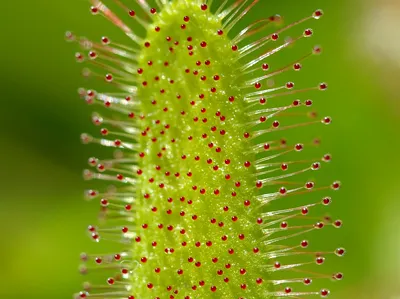
Drosera capensis, the Cape sundew, is a fast-growing, forgiving carnivorous plant with long sticky red-tipped leaves that curl around prey, grows all year without dormancy and doubles as a living flypaper.
Plant Guide
Ventrata Pitcher Plant
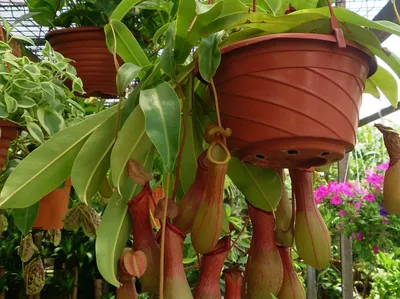
Nepenthes ventrata is a hardy tropical pitcher plant hybrid that produces fluid-filled pitfall traps on its leaf tendrils, grows year-round without dormancy and tolerates household humidity better than most Nepenthes.
Plant Guide
Mexican Butterwort
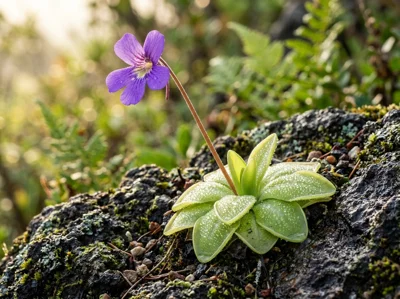
Pinguicula moranensis is a compact Mexican butterwort that switches between sticky carnivorous leaves in summer and a tight succulent rosette in winter, and thrives in pumice or on wicking rock.
Topic Guide
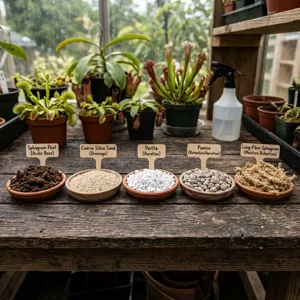
Carnivorous Plant Substrate Guide: Ingredients, Ratios & Zero Fertilizer
Master carnivorous plant substrate recipes: 50/50 peat-perlite/silica sand ratios, zero-fertilizer rules, rinsing minerals, and live sphagnum moss.
Topic Guide
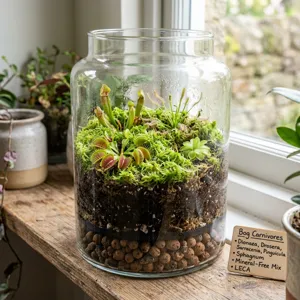
How to Build a Carnivorous Plant Terrarium: Bog Layering & Drainage
Build a carnivorous bog terrarium with LECA drainage, mineral-free peat mix, RO water, species zoning, ventilation, and strong LED lighting.