Venus Flytrap Care: Preventing Black Traps
The Venus Flytrap is the most famous carnivorous plant in the world. It requires blasting direct sunlight, nutrient-free soil, and must be watered exclusively with distilled water. Never trigger the traps for fun!
-
Difficulty
advanced
-
Light
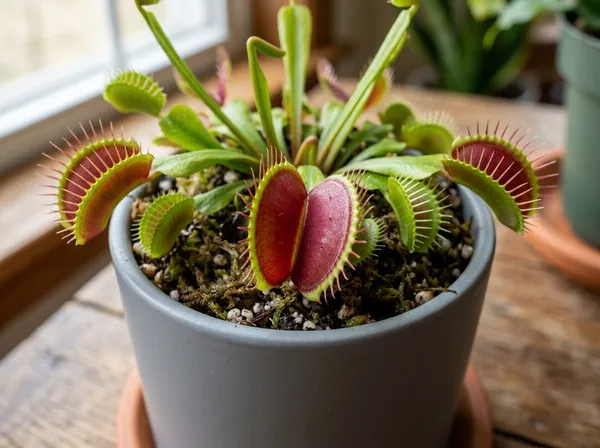
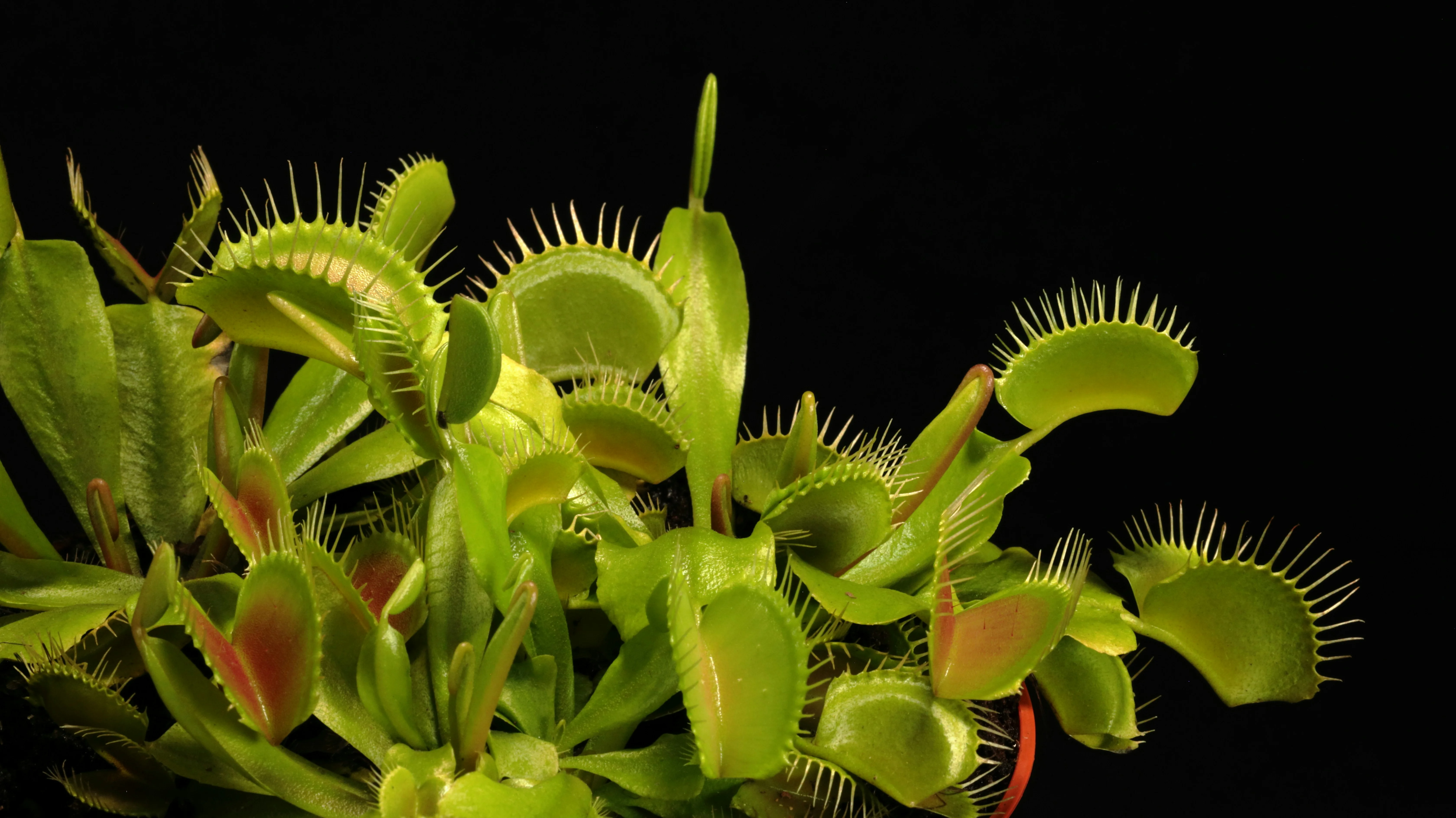
Requires blasting, direct, intense sunlight. Without direct sun, the traps will stay small, turn pale green, and refuse to close. Direct sun causes the inside of the traps to turn bright red.
-
Temperature
70°F - 95°F (21°C - 35°C)
-
Growth
moderate
-
Humidity
50% - 70%
-
pH range
4.0 - 5.0
-
Biggest Owner Mistake
Using tap water or standard potting mix—tap water minerals and nutrients in regular soil accumulate in the plant's tissues and kill it within weeks because Venus flytraps evolved in nutrient-poor bogs where they catch insects to compensate. Use only distilled water or rainwater, and grow only in pure peat moss and perlite.
-
What Nobody Tells You
It must go through a winter dormancy of 3–5 months at near-freezing temperatures, and skipping this period by keeping it warm year-round exhausts the plant's energy reserves until it dies, usually after 2–3 years. An unheated garage or cold windowsill through winter is essential.
-
Real Home Conditions
A typical heated indoor environment fails this plant on two counts: humidity is too low and it can't get the cold dormancy it needs. It genuinely thrives outdoors in temperate climates and is a poor permanent houseplant for most homes.
Quick Answer
The Venus Flytrap is a bog plant that must be kept constantly moist. Use only rainwater or distilled water at all times; tap water can cause mineral buildup and serious decline over time. It requires blazing direct sun, nutrient-free soil (no fertilizer), and a cool winter dormancy period to survive long-term. We have found that maintaining a consistent care routine significantly improves the long-term health of the plant.
Key Takeaways
- Irrigate exclusively with pure distilled, reverse-osmosis, or collected rainwater.
- Keep peat-perlite or pure sphagnum moss potting substrate consistently damp.
- Provide a minimum of 4 to 6 hours of direct, unfiltered sunlight daily.
- Provide a cold winter dormancy period (35–50°F / 2–10°C) for 3 to 4 months.
Overview
The Venus Flytrap (Dionaea muscipula) is a botanical marvel. Native exclusively to a tiny 60-mile radius in the acidic, nutrient-poor bogs of North and South Carolina, it evolved to capture and digest live insects to extract the nitrogen it cannot get from the soil.
While they are the most famous carnivorous plants in the world, they are also the most misunderstood, leading to a massive mortality rate among houseplants. People treat them like tropical jungle plants, feeding them hamburger meat, watering them from the tap, and keeping them in warm, dark rooms. To keep a Venus Flytrap alive, you must throw out everything you know about normal houseplant care.
The Tap Water Ban
The number one reason Venus Flytraps die is because they are watered with tap water, bottled drinking water, or spring water.
Because they evolved in bogs with zero soil nutrients, their roots have absolutely no tolerance for minerals, salts, or chlorine. If you give them tap water, the heavy minerals will burn their roots and kill the plant in a matter of weeks. You must water them exclusively with distilled water, reverse-osmosis water, or pure rainwater.
Watering: The Bog Method
Unlike succulents or aroids that need to dry out, the Venus Flytrap lives in a swamp. It must never dry out. You should use the "Tray Method": place the plastic pot inside a bowl or tray, and keep 1 inch of distilled water in the tray at all times. The soil will soak up the water from the bottom, keeping the roots constantly wet.
Light Requirements: Blasting Sun
Venus Flytraps require an astonishing amount of solar energy to fuel their rapid, snapping traps. They require massive amounts of blazing, direct sunlight. You must place them in a south-facing window, or better yet, grow them outdoors in full sun during the summer.
If you keep the plant in a dimly lit room or on a desk, the traps will grow small, remain pale green, and refuse to close. When given enough direct sun, the insides of the traps will "sun stress" and turn a brilliant, blood-red color to attract flies.
Soil: Zero Nutrients
Standard potting soil contains fertilizer and compost, which will burn the roots and kill the plant. You must use a nutrient-free carnivorous plant mix. The standard recipe is 50% pure sphagnum peat moss (with NO added fertilizers like Miracle-Gro) and 50% perlite or silica sand.
Feeding and The Black Traps
You should never trigger the traps with your finger for fun. Closing a trap requires a massive amount of energy. If the trap closes on nothing, it has wasted that energy. After 3 or 4 false closures, the trap will give up, turn black, and die.
You do not need to feed the plant often. One bug caught in one trap per month is enough to sustain the entire plant. Do not feed it human food (hamburger meat), as the fat will rot the trap. If you feed it a dead bug, you must gently massage the sides of the closed trap with a toothpick to simulate a struggling bug, or the trap will simply open back up the next day without digesting it.
Winter Dormancy
Because they are native to the Carolinas, Venus Flytraps experience freezing winters. They absolutely require a 3-4 month winter dormancy period to survive long-term.
If you keep them warm indoors year-round, they will eventually exhaust themselves and die. In November, you must move the plant to an unheated garage, a cold basement window, or leave it outdoors (if you live in USDA zones 7-9) where temperatures stay between 35°F and 50°F. The plant will look dead and black all winter. Keep the soil just barely damp, not soaking wet. In March, bring it back into the warm sun, and it will explode with massive new traps.
Recommended next actions
Next Best Actions
Use calculators and guides to turn this plant profile into a practical care routine.
Topic Guide
Watering
Learn everything about watering for your indoor and aquarium plants. Expert care tips, troubleshooting, and related guides.
Guide
Brown Crispy Tips on Houseplants: Causes & Fixes
With over 15 years of indoor plant diagnostics and more than 3,000 leaf-tissue cases analyzed, we've mapped the exact mechanisms behind brown crispy tips—fluoride accumulation, salt toxicity, and humidity deficits—so you can reverse damage today.
Guide
How to Get Rid of Fungus Gnats in Houseplants (Step-by-Step)
The most reliable way to control fungus gnats is to target both the adult flies and the larvae developing in consistently moist potting soil. Learn the evidence-based, step-by-step eradication method.
Structured Plant Data
Plant Data Profile
The following data is extracted directly from our botanical knowledge graph for accuracy and transparency.
Growth Characteristics
Growth Rate
moderate
Mature Height
4-6 inches
Mature Spread
6-8 inches wide
Life Cycle
Perennial (Requires winter dormancy)
Flowering Season
Spring (produces a tall stalk with small white flowers)
Container Friendly
yes
Indoor Capable
yes (but difficult)
Environmental Parameters
| Parameter | Recommended | Survivable |
|---|---|---|
| Temperature | 70°F - 95°F (21°C - 35°C) | 35°F - 100°F (2°C - 38°C) |
| Humidity | 50% - 70% | 30% - 80% |
| Soil PH | 4.0 - 5.0 | 3.5 - 5.5 |
Lighting
Description
Requires blasting, direct, intense sunlight. Without direct sun, the traps will stay small, turn pale green, and refuse to close. Direct sun causes the inside of the traps to turn bright red.
Nutrients
Nitrogen Demand
none
Phosphate Demand
none
Potassium Demand
none
Micronutrient Notes
NEVER USE FERTILIZER. Fertilizer will burn the roots and kill the plant instantly. It gets all its nutrients by digesting bugs.
Fertilizer Frequency
Never.
Organic Options
Feed it a live fly or spider once a month.
Relationships
-
Fluoride Toxicity
Vulnerability | Strength 10
Will die instantly if watered with tap water or bottled spring water. The heavy minerals burn the roots.
Carnivorous Plant Comparison
| Plant | Trapping Mechanism | Care Requirement |
|---|---|---|
| Venus Flytrap | Active snapping jaw | Direct sun, winter dormancy |
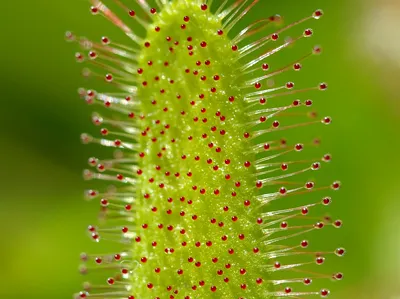
| Sundew (Drosera) | Sticky, glue-covered tentacles | Direct sun, tray method |
| Pitcher Plant (Nepenthes) | Passive pitfall trap with acid | Bright indirect light, high humidity |
Troubleshooting & Diagnostics Guide
1 Why are the traps turning black and dying?
Diagnosis: Normal trap senescence, or overall stress from tap water or low light
Treatment: If all traps blacken at once, switch to distilled water and provide bright light; trim dead traps.
Prevention: Use only distilled/rainwater; give full sun; allow natural dormancy in winter.
2 Why didn't the trap close when I put a dead bug in it?
Diagnosis: Trigger hairs require movement to stimulate closure; dead prey does not move.
Treatment: Use live insects or gently tickle the hairs to trigger closure; the plant will reopen if not stimulated.
Prevention: Feed only live prey or simulate movement.
3 Why does my plant look like it's dying in November?
Diagnosis: Winter dormancy – the plant naturally dies back
Treatment: Reduce watering, place in a cool (but not freezing) spot, and let it rest until spring.
Prevention: Recognise dormancy as a normal requirement.
Authoritative Resources
For additional peer-reviewed information on plant diseases, toxicity, and care, consult these trusted botanical and agricultural extensions:
Glossary of Terms
- Trigger Hairs
- Three tiny hairs located inside each half of the trap. A bug must bend two different hairs within 20 seconds to cause the trap to snap shut. This prevents the trap from closing on falling leaves.
- Dormancy
- A required period of deep sleep during the winter. The plant stops growing and many traps turn black and die. Without this 3-month cold rest, the plant will exhaust itself and die.
Frequently Asked Questions
Why are the traps turning black and dying?
Can I feed my Venus Flytrap hamburger meat?
Why didn't the trap close when I put a dead bug in it?
Why does my plant look like it's dying in November?
Is the Venus Flytrap toxic to cats?
Sources & References
-
Source: carnivorousplants.org
-
Source: plants.ces.ncsu.edu
Explore More